É seu aniversário, e eu já te conheço há quase uma estação inteira. O fim da Primavera te trouxe para mim, e eu me deixei levar por você junto com a chuva das monções. Meu humor azeda com os dias quentes e úmidos, mas eu reconheço o charme vibrante do Verão, aquilo sobre o que falam os poetas, quando escrevem sobre ser jovem e estar apaixonado.
Mas nós dois não somos exatamente jovens, né? E graças a Deus, porque tem graça mesmo. Não vivemos o bastante ainda pra dizer que somos velhos, mas já vivemos o suficiente para navegar com alguma habilidade as coisas que nos agonizavam quando éramos inocentes. Crescer é jogar dados com o tempo, perder-se um pouco tentando descobrir como é possível que às vezes ele voe, e que às vezes ele se arraste, sempre contrário às nossas vontades, ao que sentimos no momento em que tomamos consciência de que ele está passando. Será que é possível superar o drama e o estranhamento de se descobrir existindo, existente?
Talvez o problema seja que nossa imaginação da vida foi moldada pela narratividade dos filmes, de como a vida deveria ser. Queda, crise, paixão, desespero, fome, tudo sempre parece mais interessante pela lente cinematográfica, onde os corações, aspirações e expectativas só se quebram enquanto a história está sendo contada. Talvez tenha algo a ver com a possibilidade de pular partes, ou desligar a TV quando se quer. Mas, por mais que eu odeie viver com o desconforto de passar pelas coisas que soam melhores na minha imaginação, ou nos textos que eu escreveria a respeito, meu senso de encantamento com a vida me faz flutuar um pouquinho toda vez em que penso demais sobre todas as improbabilidades que trabalham juntas para tecer a realidade, do jeito que ela é.
Sentimentos, tão efêmeros, tão fugazes, tem uma beleza singular, na forma como nascem e florescem. Eu poderia escrever centenas de textos para tentar organizar meu pensamentos, e descobrir o que exatamente faz com que eu queira conversar com você todos os dias, desde a primeira vez em que conversei com você. Talvez porque seja seu aniversário, e eu queira muito que você saiba como me faz feliz pensar em você, e todas as coisas pequenas que nós fazemos juntos, e nossas conversas meio estúpidas, as voltas que damos em torno de milhares de assuntos diferentes, sem propósito ou destino, só porque é tão bom ter algo para dizer, e ter alguém que queira escutar.
Eu tenho certeza que existe beleza e glória nos menores grãos de poeira, mas também estou convencido de que existe algo de mais valioso escondido nas partes desconhecidas, nas profundezas inexploradas, nos lugares para onde vão as coisas que nosso corpo, mente e coração não conseguem compreender. Quero encontrar esses tesouros com você. É um clichê falar da alegria das coisas pequenas, mas acho que essa é a esperança que me mantém seguindo em frente, que me mantém sensível à todas as menores coisas que vem ao meu encontro, oscilando entre altos e baixos apenas para ter certeza de que já passei por todos os limites de mim mesmo. É cansativo, mas é esse movimento que nos fez quem somos; eu sou várias coisas, algumas são melhores que outras, mas todas se reúnem aqui hoje para tentar te dizer que eu me importo imensamente com você, e sou muito grato por todas as improbabilidades que tecem a realidade, e teceram eu e você aqui hoje.
Talvez seja muita sorte, talvez seja destino. Talvez Annie Ernaux estivesse certa, e é uma forma de luxo, viver uma paixão por outra pessoa. Talvez um dia nós descobriremos que foi um erro enorme, que não conseguimos prever. Dizem que são necessárias pelo menos quatro estações para começar a conhecer uma pessoa; esse Verão vai passar em breve, assim como todos os Verões que vieram antes, e vai chegar o tempo de que as folhas caiam novamente. Mas, agora, o Sol continua queimando, e nossa pele dourada está mais brilhante do que nunca. Você não sorri com frequência, mas gosto como você é capaz de iluminar o ambiente quando o faz. Gosto de queimar e reluzir ao Sol com você. Talvez seja um ouro de tolo, mas é um tesouro só nosso.
Desejo que você seja feliz por muito tempo. E que seja feliz comigo.
It is your birthday, and I have known you for almost an entire season. The end of Spring brought you to me, and I caught myself falling for you as the days got longer and the weather changed into unbearable heat. I am miserable when it is hot and humid, but I can’t deny that there is something vibrant about Summer, the thing that makes it so attractive to writers of songs, movies and TV shows, when they want to talk about young love.
The two of us, however, are not that young anymore (thank goodness). I say it with a smile and a giggle because we have not lived for long enough to call ourselves old by any measure, but we have lived long enough to have trespassed many of the things that weighed us down when we were innocent. Becoming an adult is playing games with time, figuring out how it is possible that sometimes it flies, and sometimes it drags, always against our wishes, always against how we feel about the things that we are experiencing at a certain point. How do we get over how strange it is to exist, to be anything at all?
Perhaps the problem is that our imagination is completely infected with movie-like scenarios of what the movements of life should look like. Fall, crisis, passion, despair and hunger are always more interesting through cinematographic lenses, where the hearts, aspirations and expectations needn’t be broken, only shattered for a minute, for as long as the scene lasts. Maybe it has something to do with the possibility of skipping parts or turning off the screen. But, as much as I hate sitting with the discomfort of living through things I would rather observe and write about, my sense of wonder keeps me on the verge of transcendence whenever I think too much about the assortment of improbabilities that have come together to weave the fabric of our reality as it is.
Feelings, for all their fleetingness, are something beautiful in how they come to exist. I could write hundreds of journal entries to put my thoughts into place, and figure out what makes me want to talk to you every single day since the day I talked to you for the first time. Since it’s your birthday, I wanted to put into words the rush of joy that I get when I think about you, and the little moments we get to spend together, doing our silly little tasks and jumping through an assortment of random topics, for no other reason besides the fun of sharing ideas with someone who is eager to hear them, and respond.
I am assured that there is beauty and glory in the slightest grain of dust, but I am also convinced that something more valuable is hiding in the parts still unknown, in the unexplored depths, the place where all the things our body, mind and heart cannot understand go. I want to find these treasures with you. It is a cliché to talk about the small but certain happiness, but I cannot help it. And maybe this is the hope that I entertain, when I keep myself sensitive to all of the smallest things that come my way, oscillating between highs and lows just to make sure that I have truly met the limits of myself. It is tiring, but it’s movement that has made us who we are; I am a lot of things, some are better than others, but all of them have come together today to try to tell you that I care immensely about you, and I am glad the assortment of improbabilities that make up reality have come together to bring us together.
Maybe it is crazy luck, maybe it is fate. Maybe Annie Ernaux was right, and it is a form of luxury, to live out a passion for another person. Maybe one day we will realise it was a mishap that we should have foreseen. They say it takes all four seasons to start to get to know someone; this Summer, too, will pass, like all Summers did before, the leaves will turn yellow and begin to fall. But, right now, the Sun is still hot and burning, and our honey skin is glimmering, brighter than ever. You don’t smile often but I like the way you light up when you do. I like the way we glow under the clear day sky, when the monsoon is gone. Maybe being golden together is our treasure.
Please, be happy for a long time. And let’s do it together, for as long as we can.
I have never hated writing as much as I do these days. I have also never written as much as I have, these days.
Since the end of August, I have started, sketched, completed, abandoned, more than 20 different essays. Most of them will never leave my drafts. Journal entries on Notion, there have been at least 50, without counting my research journal pages, which have been a surprisingly useful outlet these days. There are also over 50 notes on my phone’s Notes app, almost daily random thoughts I write on the Whatsapp group chat with myself, and, lastly, my extensive collection of paper journals, planners and notebooks, and the 9 new ones I purchased within this timeframe. Not to mention the things that never see the outsides of my brain; every single day, I sit in the dark and I write in my mind until everything gets blurry and I fall asleep.
My writings are the shape of my thoughts — according to the season, my most common literary genre will take over my cognitive networks. When I was younger, I saw the world in tales — of fairies, of magical worlds, of mystery and imagination. During my most-active seasons on the internet, I only thought in the shape of tweets; then, there was the phase of inspiring Instagram captions. One of the reasons I gave up poetry was because strophes and certain ways of speaking vaguely (and concisely) stopped making sense in my head. And now, or at least for a while, for a few years now, I have been thinking through essays and papers. I talk to myself by crafting hypothetical long-ass texts that I will never write down. And, even when it’s just me and my mind, my essayist voice is clear and well-positioned to speak to a general, speculative reader, causing me to employ words and construct trains of thought that never mention hard details by name and avoid the heart of the matter that I am at odds with.
It’s as if my consciousness can’t help but sounds ambiguous and act evasive, even when there’s no one there to judge what we have to say. And so, the conversations with myself have become unproductive, in the usual fashion of scientific writings that are full of intricate ways of not really stating something if it sounds like it’s too much. But it’s also worse than that — everything that I write seems terrible to me, by all standards. My academic papers look dull and uninteresting, regardless of what others say. Everything I’ve tried to write for my blogs has sucked, and what did end up getting posted did so under the guise of not missing out on the duty of keeping records of things. In the past, I’ve described writing as mapping out the land and following the lead towards the treasure of the good life (I was very young). At some point, I understood it more like “maze-running” through my mind. Nowadays, I feel like the struggle I’m trying to address with all of this writing is more akin to a labyrinth; no turn is really a dead-end, and reaching the centre is an inevitability, as much as eventually making all the way back, and starting over.
This account may sound positive and almost hopeful, but, right now, it feels tiresome and monotonous as hell. Perhaps this is the reason why I write journal entry after journal entry and I am completely bored of every single one of them — the truth is that having and handling my broken heart are the things I have done the most, as a writer. My fears, my anxieties, none of it is new to me, there is no fresh revelation to make me feel like there is anything worth finding inside when I sit down to write. Unsurprisingly, my brightest moments of clarity lately have come in the shape of confessional text messages I shared with my friends, in our silly little group chats, in between the dozens of things I am supposed to do throughout the day. Writing is, at the core, a very lonely job, and, as a writer, there are worse things you can do than getting out of your head once in a while, not just to go for a walk to stretch the legs and wander around, in typical flaneurian fashion, but to listen to someone else, and give yourself a bit less credit.
At the same time, I’m convinced this isn’t quite the right answer to my current crisis, but I must admit that the correct way out is something that I don’t feel ready to come to terms with. I realised recently that I am terrified of silence. Like an unsettling stranger, someone I don’t know well enough to be comfortable standing in its presence, and who I would never willingly choose to spend any amount of time with. This complicated relationship did not seem as bad as my description sounds now, not until very recently, because I could cut myself some slack by speculating that I would be ok with being silent, until I realised I could not recall the last time I had withstood it, by any measure. It sounds pathetic, which is exactly how I felt when it clocked that, even when I shut my mouth, my brain never shuts up. I have seldom experienced the joy of leaving myself alone.
I am not suggesting that the answer is stopping writing altogether, because, even if I could spend a week or a month without putting words together on paper, I highly doubt that it would be enough to make my brains calm down and leave me be. Like many other times in my life, I have to come to terms with having a problem that cannot be solved, easily or at all, and sitting with the discomfort, tossing and turning without leaving the bed before the dawn. I am restless and I have realised that there is no way of rationalising myself into being at ease, at least not for now, as I grapple with this dramatic identity crisis, and this unexpected, unplanned season, and all the things I am trying to reconcile. Right now, the air feels too cold, my fingers are freezing, my stomach is churning, everything tastes like nausea, my head hurts and time is dragging, moving very slowly, but also so fast, and there is not enough of it for me to do everything that I should do. I feel dizzy and confused and I want to go home, but I can’t, so I won’t. I will stay in, I will haul myself down the end of this day, finish my tasks a lot later than planned, and hope that tomorrow won’t feel this heavy.
This text was meant to be a short entry, a personal challenge to post something that needn’t be a long, comprehensive exploration of all different aspects I have personally considered when thinking about a certain topic, presented in a way that highlights how everything is somehow interconnected, and the absolute historical contingency of facts is the only sure thing in the grand scheme of networks of happenings. I saw this little sentence that Matt Healy said on an interview with the Pitchfork, about The 1975’s 2022 album “Being Funny in a Foreign Language”:
Every record I’ve made, I convinced myself that I had so much to prove, so it had to be about everything that ever happened, everything that’s happening now, and everything that could ever happen,” […] “But on this record, I said, ‘Instead of a magnum opus, what about more like a polaroid?’”
I don’t think this is exactly the format I had in mind when I took this sentence very personally and decided that I, too, should stop trying to prove something to myself & other imaginary someones and just post anything, like I used to, in the past. I don’t think this text here is quite the polaroid yet; to be honest, I would have much preferred to start with an insightful exploration of what the metaphor could mean if we actually took the polaroid more seriously than Matty probably did when he said that. Nevertheless, this is what I had to say, I did it, and this is the best I can do about everything else today.
Additionally, I would like to share that I recently started a simple blog with my friend and labmate Dahyun Ryu, about our research thoughts and theoretical reflections. It’s called sappy sallows and you can access it here. I’ve also added it to the top menu so it’s pretty serious!
“How vain it is to sit down to write when you have not stood up to live! Methinks that the moment my legs begin to move, my thoughts begin to flow, as if I had given vent to the stream at the lower end and consequently new fountains flowed into it at the upper. A thousand rills which have their rise in the sources of thought burst forth and fertilize my brain. You need to increase the draught below, as the owners of meadows on Concord River say of the Billerica Dam. Only while we are in action is the circulation perfect. The writing which consists with habitual sitting is mechanical, wooden, dull to read.” Thoreau’s Journal: 19-Aug-1851
This blog was created in 2011, the month I turned 16 — 24 March 2011, exactly 12 years and 6 months ago, as I write this piece. I was an aspiring illustrator for most of my childhood, but I slowly came to enjoy writing because I liked reading. And I liked reading because I liked wondering, always did, the particular type of thrill that you get out of the potential of spiralling that comes with every move of the freedom of the mind, it has always been a personal favourite. Perhaps because I felt so restrained growing up? I had very little room to exercise the liberties of being myself, except in my head (and then on the internet). Blaming over-controlling parents is the easy way out; deep inside, I think that my mum and dad believed that I could not be trusted with a private world, because I didn’t seem like a child who could be trusted with becoming the person they thought I should be, with the values they thought I should champion.
On the outside, I was a smart, hardworking and polite young girl, but I was disgustingly curious, annoyingly talkative, visibly proud and extremely greedy. I was happy to be rewarded by the systematic benefits of being me, but just as prone to flipping the table and voicing out ambiguous thoughts. I wanted to be respected really badly. I was very selfish, and I had to be intentionally taught to share my things, to think twice, to control the imp of the perverse and be kind, and to love my family. I gave authorities the benefit of doubt and I was the favourite student in every class, but I learned to take it away easily, and provoke conflict where it was due — I remember having discussions with my Bible school teachers as early as 7 years of age. I have clear memories of being asked invasive questions about my inner thoughts, since I was young, both by parents and church leaders. Those who paid attention to what I was saying knew that I was a problem to solve, because I longed for a life of adventures and discoveries that were not aligned with the lifestyle I was expected to cultivate. Unsurprisingly, I was bad at bonding with other kids, to my absolute horror, because I was taught by my favourite TV shows that no amount of hard work matters if you don’t have friends.
The saving grace was that I am, and I have always been, extremely sensitive. At some point of my teenage years, I realised that this was the reason I had developed a sense of empathy and understanding towards others, and a reasonable idea of the type of person I wanted to become. Life had its ways of teaching me about what it meant to have a humble, loving heart. Still, even into my late teens, many horrors persisted. I felt really misunderstood in my curiosity, and the things that I liked, but nothing hurt more than being misunderstood in my sensitivity, especially when I cried. It was not something I could control, but it made people question everything else about me. The thing I hated the most (maybe I still do) was being treated as someone less intelligent due to my sensitivity. The silver living was realising that, when I was open about my struggles, I could form bonds with others, even those with whom I had previously found nothing in common to talk about. Oversharing helped me navigate the struggle of making myself understood, of showing my parents and leaders that there was nothing to worry about, that I wasn’t hiding anything serious. It’s not that hard to understand why — nothing speaks louder, to a believer, than the act of confession; admitting to my faults in a loud voice was the way to convince other of my radical commitment to being truthful. Crying all the time without shame made people question my intelligence, but it never made them question my honesty. And that sounded like a good start.
Becoming a writer gave me power over my thoughts and feelings. The stories I read enabled the freedom to imagine the life that I wanted to live; writing my own gave me full control over the fate of characters that represented different sides of me. Multiple novels were started, but never finished; I lacked the interest to go until the end because, at some point, I would realised I was only writing to make sense of something, not to complete the story. This blog was born out of the need to keep track of what I was doing, and it proved to be the right venue to put out shorter projects, and experience people’s responses to my thoughts and feelings; my poems and short stories articulated the difficult things about how my brain worked. The obsession with details and figuring out how they related to the full picture of things I wanted to understand, the appeal of darkness, the unresolved ambiguity of joy, my simultaneous distrust of and longing for peace.
Making things absurdly clear, even through fiction, was the easiest way out of the constant state of fear that, over the years, accumulated into generalised anxiety. The first miracle was to find out that others felt the same; experiencing that sort of feedback was the closest I had ever been to hope that the struggle of living inside my head could amount to something else, other than stress and late night fights about my inability to come out of my shell and experience the world like the normal person I was supposed to be. Of the many horrible memories I keep, I remember the terrifying, pressing threat of silence. Nothing scares me more than the fear that I cannot chill because, if I don’t always look closely enough, I will blink and miss out on how things are quietly aligning to bring about chaos. And there is so much chaos, there is so much drama, it seems to follow me wherever I go, and I don’t know if it’s just bad luck, or if I’m the bad luck myself.
Moving towards essays was a result of the process of moving away from fiction and closer to non-fiction — which, in turn, was a result of the process of moving out of my own shell, and starting to experience the world for myself. To each their own, but, all things considered, I have learned to find real life more appealing than the world of imagination, even when things don’t go as well as I would have plotted them to. Surprisingly, I still read as much poetry as I did before, but I don’t remember the last time I felt comfortable articulating something in a verse form. Maybe because poetry thrives on the things that are left unsaid in-between, and I am desperate to elucidate every single thought that’s plaguing me right now. This is a season, I am sure, but it’s the one in which we have been, for a few years now, overthinking things in their raw state, regurgitating and then taking them in again, exactly as they came. It’s disgusting, and it might not end anytime soon. It surprises me how easily I used to wrap ideas up in a few paragraphs, and now I cannot do without a handful of very long ones, too much contained in each sentence, way too personal not to be uncomfortable unless I make a conscious effort to sound less burdensome.
Why do I do it, then? I mean writing as I do it these days. The second miracle is love; in spite of all the misery, my life is overflowing with love, from all the people in my life who have witnessed the mess of me, every single thing about me which is not likeable, every vulnerability that makes me an easy target to be deemed unloveable. This is where I stand right now, because I am not particularly fond of this season; if I’m being very honest (which I usually am), I don’t publish as much as I used to nowadays because I don’t feel as okay with my unfiltered thoughts, not as I used to. I ran out of some of the brave attitude of writing down things before I had made total sense of the best way to put them out, the right way they made sense together; I hate rereading something and realising I could have said something better if I had waited as little as a day, or a few hours, before deciding to put it out for everyone to read. Not that a lot of people read it, but I like the praise of having said the right thing, and it takes a lot of thought to say even a small thing that could sound right to someone.
This piece started as a simple journal entry to think away the things I was overthinking after my weekly therapy session. I journal three to four times a day these days, and I am writing so much because I am hurting so bad, I lose sleep and I waste precious mental space overthinking every decision and incident that has led me to this moment, and writing the mess down is the only thing that helps. I am thinking about the reasons why I do the things I do, the reasons why I became the person I am, and there are so many other things that I could have said to make this entry make better sense, there are so many sentences that can come across the wrong way if someone is willing to misunderstand what I’m trying to say, and this is precisely the side of me that I hate the most these days — the confusing, verbose, messy, disorganised person that I am without a filter. Like a thunderstorm. One of the biggest illusions I had back when I was just an imaginative child was that, as an adult, I would simply know who I was, once I had the freedom of experimenting more to figure it out. I am not that old, but it’s safe to say that the process has not been as enlightening as I wish it had, at 28 years of age, but I have a lot to be grateful to my habit of registering everything in written form.
When I look back, I experience the anguish of realising I still haven’t moved on from some of the same issues that have been plaguing my stubborn little head. The inner child, the melancholic teenager, the anxious adult, they are all one and the same, every difference between one and the other just makes it more obvious that they all stem from the same self. I think of Henry David Thoreau’s words, that some of us were not born to be forced; I wonder if things would have been easier if I had not been so resolved to breathe after my own fashion. My biggest crime, since I was just a child, has always been the imp of disobedience; for the most of it, I am at peace with being unwise, if that’s the price I pay for doing what I want, what I feel like I can afford doing. And I am still terrified of myself most of the time, because of the losses that come with every choice, because most of them do not seem worth the risk, but I still push some buttons and go for the ride. And then I cry about what’s been lost, I cry myself to sleep, but I will do it again.
If my love for making sense of the details that make up History has taught me anything, it’s that there is no amount of past that could ever convince us not to make the same mistakes when experiencing the world for the first and only time, at every single moment of our life. And it is not that I am making a joke out of God’s Grace, but it’s only that I have seen enough of the world to be assured that there is more than one righteous way of walking down the path of Truth, and I must find the one that’s meant for me. I am nothing but the unreliable narrator of this unfiltered account of a stream of thoughts that might, or might not, go well with the rest of the story that I will not stop telling, not until I’ve figured out the one thing I can’t stop thinking about: how to stop thinking, and go to sleep.
This speech was presented as part of the Founding Lab Forum of Ars Electronica 2023. As one of the students of the Founding Lab Summer School, a partnership between IT:U and Ars Electronica, I joined the Conference Task Force. We were in charge of preparing a keynote speech for the conference day, to introduce the students and our own vision for the University of the Future. I was given the opportunity to talk about our values. You can watch the full session on YouTube, my part is between 15:12 and 22:34. Special thanks to all the friends from the Conference Task Force.
The text of the speech was slightly edited for a prose format.
For the last two weeks, at the Founding Lab, we have spent all of our time together, sitting through lectures and working and discussing in the workshop rooms with our facilitators and workshop hosts, or just having meals, having a drink, catching the tram, going back to the dorm, walking through Linz. I must say that, when I got here, I was a bit insecure about how much I could really contribute. But, as the days went by, we shared about ourselves and our experiences, our journey and the things that have gone well and the things that have gone wrong, what excites us about what’s coming, but also what frustrates us. And I slowly realised I did have something to add.
Maybe my sampling is biassed, but it seems like many of us came here with the desire to look for insight into what we should do next. I certainly did. We are all adults of a certain age, with so much to learn, but some of us are still coming to the realisation that the uncertainty of life doesn’t end with your teenage years. What we all have in common is that we are people who have chosen to stay in-between the imaginary boundaries of what our practices should be. And this sounds beautiful, but it’s complicated in practice, particularly for the Digital Sciences. They are collaborative by nature, they cannot be sustained on the shoulders of individual efforts, they are born collective, not just inter, trans or cross-disciplinarian, but post-disciplinarian.
I have been a church leader for many years. One useful thing I’ve learned from the religious context is that we should always be thinking about the intentions, motivations and values at the root of the things that we do. And I’m talking about affections and intimate beliefs, what drives us, what kind of inner world we are cultivating in our own journey. The starting point of the things that we do, and making sure that they are coherent with the outcomes we want to see. I care a lot about the practicalities of the work, but I wanted to give a speech about the type of heart and mind that you should have, if you want to be a part of the people who will build the future of which we are dreaming, right now. Shaking the structures of a world that thrives on exclusion and exploitation, to build our post-disciplinary table, where everyone gets a seat and a say in the conversation, with justice, equality, accessibility, care.
But, I have got to be honest. Recently, I had to admit to myself that I am still not as understanding, open and reasonable with differences, not as I thought I was. Of course, I am not talking about tolerating differences that threaten the core values of the university that we want to help bring forth. I’m talking about the things that we bring to the table when we take our seat — the way we talk to and about others, our beliefs about life and work, priorities, methodologies, manners, facilities, equipment, skills, vision, willingness, hard work, funding. I study Social Sciences in an Engineering school, which is just as hard as it sounds, and I am constantly challenged by my peers, because I still have a bunch of hierarchies in my head, about the ways of living and working that are good and valid, and the ones that are not. Maybe some of you relate to what I’m saying, but I hope that there are more of you who can teach something about the type of respect, compassion and flexibility we should have to meet others exactly where they are, for who they are, and do something together.
The bottom line is that we want to work not just for personal gain, but to bring about change. The frustrations and limitations are multiple, there are so many things that we aren’t happy about, but we will achieve very little if our good intentions don’t match the nature of the things that we are trying to build, and if our actions don’t follow our intentions. It’s in the big things but it’s also in the details—how we see each other, and how we treat each other—, which influence the dynamics of everyday life in our shared spaces. The way we negotiate how much we are willing to give, and how much we are willing to lose, who is willing to compromise, and give up some of their resources, in the name of others. Communicating for resolve, and not for conflict, being open about what works and what doesn’t work, standing strong on your ground of what you think is fair, and being open to being wrong, or recognising that not all disagreements will have a clear answer. Dealing with different ways of expressing ideas and thoughts, respecting that some people need more space than others. Acknowledging each other’s hard work. Being less judgemental, more patient in figuring out other people’s boundaries, and being mutually open to negotiate them. I don’t believe in good or bad matches, I think that anything is possible, as long we want to see it work out.
I am very people-centred, I care about the connections we make the most, but the thing I loved the most about being here was watching how us, as students, and the Founding Lab team, adapted to each other. How the Austrian punctuality made room for other approaches to being on time, and the students who were late at first made the effort to leave the dorm a bit earlier. The team’s commitment to being transparent about the limitations, and what were the things that mattered the most. It wasn’t all perfect, but it was sufficient, and it filled me with the right kind of hope. As such, I wholeheartedly believe that there is a way for all of the challenging things that we want to work on from now on. Let’s be even more specific, ten years from now, in the Summer of 2033, I want to be able to look back to this exact moment, the Founding Lab, and have the clarity of a decade to be so glad that I came, and proud of the things that will come to exist because we have come together. Some results will take longer than that, some experiments will fail, not all strategies will thrive, but I hope that, as founders, we will be patient, without losing our passion, and the hope that the things that we want to build will be possible one day because, today, we have chosen to sit and listen, and act.
in honour of Taylor’s Version of “Speak Now” coming out today.
I started a playlist the day we got together for the first time. We had just met the day before. I had known who you were for maybe three weeks, but I had not given myself the space to think or feel anything besides curiosity, and attraction to how pretty your smile was. From afar, you were like a picture-perfect image of something I might as well have imagined while drawing plots of love stories I could be a character in. It seemed so out of my reach, though – until that night when we walked back together after class, and found out we were neighbours. I saw sparks fly all the way home and, as I went upstairs, I called my best friend, and told her that I thought you had seen them, too.
To be honest, at that point, I don’t think I could fathom the thought that you hadn’t felt something as well. My brain was moving faster than the speed of sound, supersonically connecting dots until I could convince myself to fall asleep — which I didn’t, by the way. I navigated that day on a 2-hour nap, trying not to pay attention to you in the classroom, unaware that I was on my way to another sleepless night. We talked until dawn like it was the easiest thing in the world. You told me we should dive into one another, I told you “let’s fall slowly.” I was holding you close, with your head on my chest, and I loved how it felt. I didn’t want to rush it, and ruin it. I wanted the slow burn, I wanted to take my time, I swear to God I did, but I gave into hurry too easily, and it was all Taylor Swift’s fault, when I listened to “Snow on the Beach”, a few hours after we parted ways. It came out last year just a few days before I got my heart broken for the first time in years. I was so upset by all the frustrated expectations I allowed myself to nurture, and the song became a symbol of all the things it seemed that I couldn’t have at the time – someone that I wanted, wanting me just the same. But it happened to you, somehow. It had felt so impossible, and, on my way back home, later that day, I think I could barely believe it was really happening. So I made that playlist.
And it would have been an okay thing for starters, but I kept adding other songs to it, I kept having ideas about what you could mean to me. That’s when it got out of control. Those songs became projections of who I wanted you to be – but I barely knew who you were! I don’t want to ask you yet, but I wonder if you could tell, during those first few weeks, that I was not taking it slow, like I had said we should, like I had asked you to do. I was much more eagerly looking forward to my imaginary plot, but these first few weeks were not like the perfect beginning I had envisioned, and you didn’t play along the lines of my story, and I panicked when I couldn’t read you as easily as I thought I would. I kept listening to those songs, and thinking of made-up memories of times I expected we would come to live together, and I got increasingly frustrated with how slowly time was moving. And you weren’t every single definition of the person I had imagined you would be — and I was convinced you had to be like that, because the person in my imagination would never break my heart, and I couldn’t stand the thought of getting hurt again.
I’m glad I took the wise advice of the people around me, aware of my anxious habits, who care to let me know when I’m about to let the voices in my head break apart something that could be good, just because I have no chill. I was so infatuated, and so, so scared, with a tempestuous mind that pours down like a cloudburst. But you made your way, through the lightning and thunder, and you met me there. Doing your best, and being so kind to me, with your peaceful, steady voice, you helped me weather through the storm in my head. And, as the sense of urgency stopped pounding, and I could breathe properly, I could finally appreciate how the appropriate measure of the time we had spent together could be enough for the day.
Today, when you texted me in the morning, I felt a shift that I hadn’t known in a long time – when an infatuation turns into a little seed of a feeling. It felt good. Without the magnifying glass of anxiety, I can feel everything more clearly, including the pleasure of realising a picture of you, but also how I honestly still feel so scared. I have no idea how you feel, even though I can tell that you like me, and that you respect me, and that you think about me when we’re not together (which is a silly thought, but one that means a lot to me). Honestly, I don’t want to say it out loud yet, but I do think I could love you, but I know there’s a lot of waves I must sail through first – because, if this seed grows into love, I want to love you and who you are, and I don’t think I’ve seen enough of you to get there. I’m scared but I want you to see me, too, and I want you to feel like you could love me, too. I overthink too much, but I’m aware of the mess, and I hope you can see through the cloudy skies when I’m gloomy and struggling to find the right words. Gosh, I still feel so silly around you, so worried about impressing you, wondering what you think of everything. I am still learning to read you, and trust you.
That playlist I started on day 1 looks much smaller now, which is only fitting for what this little time represents. It’s short, but it’s meaningful, because it doesn’t stem from my ideas of who you should be, but from the things I got to see, hear and touch with my own eyes, ears, hands and lips. The thoughts in my head spiral out of control with ease, but the feelings all through my body will keep my cool for the whole of us (I mean, all the different parts of me). But I feel safe, like I can finally take a small step back, and let it be. There are no guarantees, there is no assurance that things will end well, and that none of us will leave with a broken heart, but I feel less and less concerned about how it will end, and more and more appreciative of today, the time we get to spend together, the memories I get to keep – the way you laugh when we’re talking about something stupid, or the way you look when you open the door for me to walk in, and the fact that you care that I like it when you hug me, even though I don’t like hugs. I think I’m falling for you, so things are, indeed, going according to plan.
10 years ago, a month after turning 18 years of age, I published a text on this blog, called “‘30 of 18’, or ‘why I’m disappointed with myself’” (not translated). It’s a frustrated account of everything I expected to become before I turned 18, and how I felt at the time about not having accomplished any of that. I’m pretty sure I had just watched a clip of a brilliant young boy, around 13 years of age, which reminded me that I was no longer a teenager, too much of a grown up to keep sustaining my single personality trait as a try-hard brilliant young girl.
My belated 28th birthday playlist.
I cringe with profound embarrassment whenever I reread that text — not without feeling some compassion for 18-year-and-1-month-old Luisa, who still felt extremely lonely, lost and misunderstood most of the time. And I admit that I find the “response” I wrote four years later, “‘30 of 22’, or ‘why I am no longer disappointed with myself’”, even worse. 18-year-old Luisa wrote with the heartfelt frustration of someone whose dreams and plans had all failed, but 22-year-old Luisa wrote with the confidence of someone who thought she’d just cornered the Lord, and snatched from His hands the textbook of Eternity. The Luisa of early 2017 would go on to have a meltdown once she learned that all of that confidence about the future that had been holding her together would also break apart. Even worse — six years later, we are still working to erase the remains of all the hurt we got from the future we thought we were building and working towards.
It was only recently — literally a few weeks ago — that the penny dropped: all of these years, I had been going on as if I was living the wrong life, completely incapable of truly embracing the life I had been given, the life that I hadn’t anticipated, that I hadn’t expected to get. It was a difficult conclusion to get to, but surprisingly easy to forgive. I look around, and I get it; I get it that people might simply find themselves stuck in ideal ideas about life, about others, about everything, because time goes by so quickly, and we can’t afford to pay attention to every single corner of our cortex, and it’s precisely in these little dark corners that dangerous thoughts take root and grow quietly. No amount of coaches, therapists, counsellors, assistants, juice-cleanse-influencers and all would be enough to handle all of the hidden, unseen depths of one’s soul. Getting lost in yourself is so, so easy.
I came across a funny little sentence a few weeks ago, as I read a paper — “One might hope that 20 years of research would enhance the credibility of some theories and reduce that of others. But this does not seem to have happened”[1]. I giggled, thinking about everything I thought I would have learned by the time I turned 28. One might have hoped that 10 years of adult life would have helped me figure out my biggest issues, but that doesn’t seem to have happened. On the contrary, I seem to have gotten myself plenty of new challenges — the unseens depths, you know. Life kept happening even as I tried to clean the house; the wind brought dust through the cracks, the soles of my shoes are full of mud, the clothes I put on and take off cover the ground in feathers, and rain comes in through the window if I leave it open by accident.
One of the few remaining pictures of my 18th birthday party, in the 24-hour study room of the Architecture building (RIP my hacked Facebook account) + the only picture I have from my 22nd birthday, having dinner with my family, from my sister’s instagram stories + a picture of the little celebration I got at KAIST Church, the Sunday after my birthday. The most important thing about these pictures is that, on the first and second ones, I could still eat gluten; on the third one, my lovely friends got me rice flour scones to wish me a happy birthday.
The biggest challenge, as I turn 28, is reconciling the different parts of me. It’s sure to be a long way, but I can’t afford not to believe that, one day, all of my thoughts, feelings and actions can get as close as possible to coming together in here, now. Though I must say, reflecting about the person I am today is quite amusing, especially considering how both Luisas — the 18-year-old one, and the 22-year old one — would have never imagined that, in the month of March when we turned 28, instead of the rainy end of Summer, we witnessed as Winter turned into a beautiful, albeit cold, early Spring, covered in cherry blossoms. I feel particularly about the me of ten years ago, who thought her time to go live out her dreams was already up (how innocent), because she would be the most surprised about what we do these days. Even so, accomplishing dreams and feeling successful is not what this text is about — achievements would be too shallow of a measure of everything that changed within me throughout this decade. Being human is something of a loud, dramatic experience of living every single day for the first, last, only time, and amassing way too many years before you can tell how many are too many, or too little. Wherever I turned out to be, in this big year of 2023, the only thing I would have liked to have accomplished would have been the same heart, going after the same things, pursuing the same goals.
There’s this thought that has the power of eating up all of my energy to keep going, which is the idea of how many more frustrations still remain for me to endure, as I keep walking down my path. Wondering if there’s another pandemic coming, or one more great war, or if technology will have finally gone too far, and contemporary society will finally self-implode, just as I was trying to find the perfect work-life balance. You never can tell. The only medicine seems to be a resolution to live slow and steady. Figuring out how to get my head somewhere I can make plans without trying to outsmart God, and how to find myself across the multiple juxtapositions of time and space that have made me who I am, with the assurance that there’s still a great deal of change awaiting. That’s all I can do — trying to live wisely, working, little by little, towards eventually getting there, sooner or later. I want to find contentment that doesn’t depend on the illusion of having control over my fate. I want to live with a little more peace today.
My official song for this birthday. There’s a lot of longing, but some good hope, going around these days.
[1] One might hope that 20 years of research would enhance the credibility of some theories and reduce that of others. But this does not seem to have happened, partly for a reason rarely discussed: researchers regularly describe their conclusions in terms too vague to be very useful. (p. 30).
Burstein, P. (2003). The Impact of Public Opinion on Public Policy: A Review and an Agenda. Political Research Quarterly, 56(1), 29–40. https://doi.org/10.2307/3219881
Há 10 anos, exatamente 1 mês depois de completar 18 anos, eu publiquei um texto neste blog, chamado “‘30 de 18’, ou ‘Por que estou decepcionada comigo mesma’”. É um relato frustrado de tudo aquilo que eu achava que seria até os 18, e como eu me sentia naquele momento por não ter me tornado nada daquilo. Acho que havia acabado de assistir algum vídeo em que um jovenzinho brilhante de uns 13 anos fez cair a minha ficha de que eu não era uma adolescente mais, crescida demais para continuar sustentando minha personalidade totalmente baseada em me sentir uma jovenzinha brilhante.
Minha playlist de aniversário desse ano.
Me contorço toda de vergonha quando leio aquele texto hoje em dia — mas não sem um pouco de compaixão pela Luisa de 18 anos e 1 mês, que se sentia extremamente solitária, perdida e incompreendida, na maior parte do tempo. E confesso que sinto ainda mais vergonha quando leio a “resposta” que eu escrevi quatro anos depois, “‘30 de 22’, ou ‘Por que não estou mais decepcionada comigo mesma’”. A Luisa de 18 escrevia com a frustração de quem não estava vivendo a vida que desejava viver, mas a Luisa de 22 escrevia com a confiança quase impiedosa de quem acreditava piamente que havia encurralado Deus Todo-Poderoso e arrancado das mãos dEle os planos da Eternidade. Aquela Luisa talvez tivesse um ataque de nervos se descobrisse que todas as certezas sobre o futuro que estavam sustentando aquela confiança foram frustradas. Mais do que isso — mesmo seis anos depois, nós continuamos trabalhando para apagar os resquícios emocionais daquele futuro que tínhamos certeza que estávamos construindo.
Foi só recentemente — literalmente há algumas semanas — que me caiu a ficha de que, esses anos todos, eu segui como se estivesse vivendo a vida errada, incapaz de abraçar completamente a vida que eu recebi, a vida que eu não esperava, que eu não sabia que teria. Foi uma conclusão difícil de digerir, mas surpreendentemente fácil de perdoar. Eu olho ao meu redor, e entendo como as pessoas se acabam presas em ideias e concepções ideais sobre a vida, sobre os outros, sobre tudo, porque o tempo passa muito rápido, e não dá para prestar atenção em todos os cantos e dobrinhas do córtex, e é justamente nesses cantinhos que as coisas perigosas criam raiz, e crescem em silêncio. Não tem coach, terapeuta, consultora, assessora, secretária, nutróloga, que dê conta, todos os dias, de todos os lugares difíceis de limpar da nossa alma. A bagunça é grande, é fácil se perder dentro de si.
Me lembro de uma frase que li há alguns dias, em um artigo científico — “Há de se esperar que 20 anos de pesquisa teriam aumentado a credibilidade de algumas teorias, e reduzido a de outras. Mas isso não parece ter acontecido.”[1] Ri sozinha, pensando no que eu achava que seria de mim aos 28, quando fiz 18. Havia de se esperar que dez anos de vida adulta teriam me ensinado várias coisas que eu esperava já ter aprendido, mas isso não necessariamente aconteceu. Queria ter me resolvido melhor com certas dificuldades que me atormentavam na época, mas eu acabei arranjando outros desafios — os cantinhos difíceis de limpar, como sempre. A vida continua acontecendo enquanto eu tento dar uma geral na casa; o vento traz pó por entre as frestas, a sola dos meus sapatos traz sujeira, as roupas que eu visto e revisto estão cheias de plumas, e entra chuva pela janela que eu esqueci aberta.
Um dos registros que sobrou da minha festa de 18 anos, na sala 24 horas do Bloco I da UFU (um minuto de silêncio pelo meu Facebook hackeado) + o único registro do meu jantar de aniversário de 22, dos stories da minha irmã + uma foto do parabéns que cantaram pra mim na reunião de Domingo da KAIST Church, pelos meus 28 anos. O detalhe mais importante das fotos é que, na primeira e na segunda, eu ainda podia comer glúten; na terceira, compraram scones feitos com farinha de arroz pra mim.
O desafio dos 28 é começar a reconciliar as diferentes partes de mim. Vai ser um caminho longo, mas quero acreditar que é possível que, um dia, meus pensamentos, sentimentos, e minhas ações, cheguem o mais perto possível do aqui e agora, da pessoa que eu sou. Aliás, acho graça pensar que nem a Luisa de 18, nem a de 22, conseguiriam imaginar que, no Março dos nossos 28, seria um começo de Primavera gelado na Coreia do Sul, cheio de cerejeiras em flor — as sakuras que davam nome à nossa personagem favorita da infância. A de 18, especialmente, que pensava que seu tempo para viver certas coisas já havia passado (quanta inocência), ficaria surpresa ao saber que, dez anos depois, seria estudante de um dos maiores institutos de tecnologia do mundo. Mas esse texto aqui não é sobre o que eu alcancei ou deixei de alcançar, porque isso seria uma medida muito rasa de tudo que mudou dentro de mim ao longo dessa década, e uma representação muito efêmera da minha vida. Ser gente é essa experiência escandalosa de viver tudo pela primeira, última, única vez, e ter que acumular vários anos antes de aprender que às vezes eles parecem muitos, e outras vezes parecem poucos. Onde quer que eu estivesse agora, neste grande ano de 2023, eu gostaria de estar buscando a mesma coisa, buscando chegar ao mesmo lugar.
Existe um pensamento que consome todas as minhas reservas de energias para a vida, que é a ideia de quantas outras frustrações eu ainda tenho para viver, daqui pra frente. Se tem outra pandemia, ou mais uma guerra, ou se a tecnologia finalmente vai chegar longe o bastante para que a sociedade contemporânea imploda por conta própria, enquanto eu ainda tento achar o ponto certo do equilíbrio entre trabalho e lazer. Não dá pra saber. O único remédio contra parece ser procurar viver com calma. Colocar minha cabeça em um lugar em que eu consiga fazer planos sem tentar competir com Deus pra ver quem passa na frente, e encontrar, nas sobreposições das muitas dimensões do tempo e do espaço nas quais eu já vivi, que eu já ocupei, a minha forma atual, certa de que ela não é fixa, e que ainda temos muito para mudar. Só posso continuar tentando viver com sabedoria, trabalhando de pouquinho em pouquinho pra chegar até onde quero chegar. Quero descobrir o contentamento que não depende da confiança que eu tenho no meu controle sobre as coisas. Quero viver com um pouquinho mais de paz hoje.
Minha música oficial dos 28. Um pouco nostálgica, com saudades de algumas coisas, dúvidas sobre outras, mas esperança.
[1] One might hope that 20 years of research would enhance the credibility of some theories and reduce that of others. But this does not seem to have happened, partly for a reason rarely discussed: researchers regularly describe their conclusions in terms too vague to be very useful. (p. 30).
Burstein, P. (2003). The Impact of Public Opinion on Public Policy: A Review and an Agenda. Political Research Quarterly, 56(1), 29–40. https://doi.org/10.2307/3219881
Existem muitas formas de dimensionar o tempo. Além dos minutos e segundos, horas, dias, semanas, tem as manhãs, tardes e noites, e as estações, e os bimestres ou semestres escolares, e os quatro anos entre cada eleição, Olimpíada e Copa do Mundo. Quantas refeições em família, quantos cafés com amigos, quantas vezes pegamos o mesmo ônibus indo para o mesmo lugar, na mesma hora. Quantas vezes abrimos e fechamos a mesma porta da frente. Faz alguma diferença também o sentido da contagem — se os ciclos sempre reiniciam (como todo mês que nunca passa do dia 31), se acumulamos indefinidamente, se fazemos contagem regressiva, e o que estamos esperando que chegue quando chegar o zero.
A playlist de músicas que escutei entre Novembro e Janeiro. Daria para escrever um texto novo só falando do que que cada uma significou nesse período.
Eu tive muitas ideias diferentes sobre contar meu tempo aqui. Esperei o fim do mês de Agosto, que começou em um país, e terminou em outro. Depois contei cada semana até o primeiro mês completo, e o segundo, e o terceiro, até que, com mais duas semanas (14 semanas e mais dois dias), completaram-se os primeiros 100 dias de cada marca significativa pra mim — 100 dias na Coreia, em Daejeon, ou como aluna do KAIST. Entre o Equinócio que marcou o fim do Verão, e o Solstício de Inverno há alguns dias, minha primeira estação completa passou também. Um Outono bonito, gelado e cheio da ambiguidade que os tons de vermelho, laranja e amarelo das árvores trazem. Eu me vi um pouco na nudez dos troncos, nos jardins que eram tão fartos de folhas, e pareciam guardar tantos segredos, antes que fossem despidos pelo frio, e eu sobrepusesse mais e mais camadas de casaco, como quem se protege do vento e da sensação de estar indefesa fora da própria zona de conforto.
Parece besteira, mas pensei muito em como contar o tempo porque estava pensando muito em qual a melhor forma de fazer sentido dos dias, porque estava ansiosa pra escrever sobre tudo. Eu escrevi muito desde que cheguei, mas nada que fosse digno de vir a público, porque pareciam fragmentos confusos da minha vontade de achar um fio a partir do qual todas as experiências pudessem se conectar. Penso que a Luisa de 18 anos encontraria uma narrativa mais rapidamente que a de 27; não que minha imaginação tenha atrofiado tanto assim, mas porque já não tenho mais aquela pressa de quem não se importa com as consequências das ideias que deixa crescer. A Luisa de 27 ainda cria histórias sobre tudo o tempo todo, mas morre de medo delas na mesma proporção, porque tem o vício de sempre acreditar demais que sabe exatamente o que está acontecendo, e no fim das contas não sabe de nada. E odeia a sensação de voltar à estaca zero, reorganizando os fatos, jogando o jogo dos números para encontrar uma forma de dizer que, na verdade, tudo sempre esteve sob (meu) controle.
A passagem das estações no campus do KAIST, entre o fim de Agosto e o fim de Dezembro. Acervo Pessoal.
Esse deve ser o perigo de fazer questão de fazer conta do tempo — a forma que o acúmulo nos leva a criar expectativas sobre o que eles significam, a ansiedade que espera que os fatos confirmem que todo esse tempo serviu, sim, ao propósito maior de nos fazer crescer, e não foi gasto em vão. Como uma forma de nos certificar de que continuamos em movimento, mas nem sempre é claro o ponto de partida, a referência de onde saímos até chegarmos onde estamos. Para quem é crente (como eu), a certeza de que todas as coisas cooperam para “o nosso bem” só resolve até o ponto em que a gente se conforma com a abstração do que esse bem significa. Nesse sentido, acho que a terapia me ajuda a fazer a ponte entre o abstrato, e o concreto. Por outro lado, vejo no meu feed quase vazio do Instagram minha dificuldade em explicar com imagens as camadas mais profundas do que minha vida nova significa. Eu já não tenho mais a mesma urgência de me compartilhar na internet — não como tinha há alguns anos. Mesmo assim, confesso que guardei muitas fotos, de coisas e pessoas e lugares, porque estava esperando passar pela marca dos 100 dias, para fazer uma única, grande postagem, de “tudo” que essa nova estação havia me dado. No fundo da minha cabeça — no lugar onde ficam os pensamentos que deixamos estar sem admitir que eles existem — foi onde eu me deixei imaginar como essa postagem seria, quais fotos poderiam representar as pessoas queridas que eu conheci, e que fizeram esses dias mais bonitos, e significativos.
Pensar em como eu postaria sobre os primeiros meses era só uma expressão do desejo de solenizar o tempo passado, mas me mostrou que eu talvez eu não estivesse errada em ter medo dos meus próprios pensamentos e narrativas. Mesmo em tão pouco tempo, aconteceram coisas suficientes para mudar (e muito) a imagem mental que eu tinha da minha nova vida, quase semanalmente. Não seria isso uma prova de que eu continuo em movimento? Mas talvez não fosse a prova que eu queria, porque também é a prova de que as coisas mudam muito mais rápido do que eu consigo prever. Nesses momentos, eu me dei conta, repetidas vezes, de que minha vida aqui ainda é tão pequena, quase ínfima e ridícula, perto da dimensão que a gente espera que a vida tenha aos vinte e tantos. Ela não deixa de significar muito pra mim, que a vivo todos os dias, mas também não deixa de ser um desafio encher um pote vazio com memórias, com coisas que se repitam de forma constante o suficiente para que eu me lembre que aqui é uma casa, e não um retiro de férias, ou só um devaneio que tive enquanto tomava café.
Fotos do show do Stray Kids que eu fui em Seul, em Setembro, que eu havia guardado para um photo dump dos primeiros 100 dias.
Nessa confusão de eventos e pensamentos, a escala mais apropriada que encontrei para dimensionar esses quatro meses foram frutas. Abundantes no Brasil, elas se tornaram um item mais caro, e raro, na minha rotina. Nos mercados da Coreia, várias são vendidas em unidades, selecionadas e imaculadas, embaladas como um presente. Até hoje não recebi uma fruta com laço, mas toda fruta que recebi veio enfeitada com aquele afeto trivial de quem está feliz em compartilhar um pouco do que tem.
Cada um de nós sabe onde dói mais quando nossa ilusão de estabilidade é abalada. Meu maior medo era nunca me sentir parte desse lugar, de forma alguma, e essa foi a raiz de toda a ansiedade e desespero que me consumiram, em maior ou menor escala, nas entrelinhas desse semestre letivo. Minha relação com a falta de pertencimento é complicada desde a infância; mesmo com os aprendizados e tranquilidades que o tempo trouxe, toda vez que entro em um lugar novo, os mesmos traumas antigos ameaçam me assombrar de novo, e essa mudança não foi diferente. O primeiro rascunho deste texto era uma reflexão sobre o pânico que eu sentia quando saía de casa, e não encontrava nada familiar, que me trouxesse qualquer dose de conforto ou segurança; foram muito longos os dias costurando percepções até que meu corpo e minha consciência entrassem em acordo sobre onde nossos pés estavam plantados. Eram os dois lados da moeda do que me aterrorizava — quanto tempo levaria para que eu estivesse em paz completamente sozinha, e quanto tempo levaria para que eu estivesse em paz no meio de muita gente. Eu conseguia imaginar que seria difícil, mas minha imaginação estava convencida de que seria mais fácil do que foi (ou tem sido).
Eu sentia falta de leveza, de uma forma quase paradoxal, porque percebi que não ter vínculo ou raiz alguma que me prendesse a esse chão era um peso para mim. Descobrir a existência desse peso foi uma surpresa difícil de processar, que ocupou meus pensamentos e deu força às minhas ansiedades. Por isso, eu me lembro da alegria banal, mas significativa, que senti quando recebi tangerinas de presente pela primeira vez, de uma amiga que havia ido para Jeju. Eram três unidades pequenas, de casca fina e brilhante, que me contaram que nós tínhamos um vínculo que poderia durar para além do trabalho em grupo que havíamos feito juntas. Depois, ganhei mais uma, de um colega de laboratório, e uma sacola cheia da tia muito gentil, de cabelo vermelho, que trabalha na loja de conveniência do meu dormitório. Toda vez que vou à igreja, ganho mais uma ou duas — até três, se eu recusar ainda que uma vez. Foi assim, depois de algumas semanas pisando em ovos, sem saber bem se algumas pessoas me tratavam bem só por educação ou obrigação, que eu finalmente comecei a colecionar pequenos testemunhos da natureza das conexões que estava fazendo aqui, e pude sentir alguma leveza de novo.
Tive um exercício de gerar imagens pelo DALL-E 2 e eu escolhi tentar algo que falasse sobre a leveza (ou a falta dela). O prompt foi “weightlessness, low-exposure photograph, bw”, geradas em 8 de Outubro, 2022. Usei a #2 no trabalho e fiquei empatada em 2º lugar em uma votação dentro da turma.
A minha fruteira de estudante estrangeira já recebeu e deu um tanto nesses quatro meses — várias tangerinas, ou as uvas mais suculentas que já provei na vida, caquis, kiwis, morangos — que eu sempre divido com mais um alguém, porque são demais pra uma pessoa só comer em tempo hábil, e nós somos apenas estudantes, afinal de contas, fazendo o possível para dar conta de ter vinte e tantos dentro da universidade, criando uma vida que tenha valor e significado. Além das tangerinas, foram um punhado de pacotes compartilhados de bolachas e biscoitos, dadinhos de chocolate, convites para jantar, tomar café ou soju, caronas, e muitas idas às lojas de conveniência. E tudo diz alguma coisa sobre quem se abre para se importar um pouco.
Nos gestos pequenos das pessoas ao meu redor, eu sentia como se deixasse de ser um decalque na paisagem, e tivesse corpo e presença próprios nessa nova realidade. Foi assim que a metáfora da minha cesta de frutas se tornou o recurso narrativo favorito do começo da minha vida na Coreia. Pelo preço, pelo significado cultural, pela antecipação de que chegue o tempo da fruta de cada estação. E gosto da parte que me força a pensar na questão das diferenças. Meu Deus, como é clichê falar de diferenças entre um lado do mundo e o outro, mas como é impossível escapar delas! Nem mesmo as frutas que como aqui são as mesmas que as que comia em casa, ainda que as chame pelo mesmo nome. Dia desses, ganhamos um caqui como cortesia em um restaurante muito gostoso que visitei; era minha segunda ida àquele lugar, e o dono ainda se lembrava do que eu havia pedido na primeira vez, quase dois meses antes (e quem se esqueceria da estrangeira de cabelo azul-piscina?). Foi minha primeira vez provando um caqui oriental; a casca era fina como a dos que comia no Brasil, mas a textura era mais firme, menos suculenta, não se desfazia nas mãos. O sabor era adstringente; diferente. E mais saboroso, pro meu paladar.
Alguns momentos especiais que lembrei de registrar. Recortes das frutas que ganhei de presente, a primeira vez em que visitei meu restaurante favorito (a convite da minha labmate), e o dia em que dei um jeito de achar um limão na rodoviária de Seul, para minha amiga que estava passando mal.
As tangerinas que comi aqui também são diferentes — são mais delicadas, menores que as mexericas que minha mãe colocava na mesa depois do almoço, mas a casca finíssima requer mais habilidade para descascar sem machucar os gomos, ou espirrar suco na roupa. Um dos meus amigos da igreja aqui, que é do México, sempre pede que eu descasque pra ele, porque ele não consegue fazer bem sozinho. E eu penso muito em todas essas coisas — pelas piadas que fiz e ninguém entendeu, pelos acenos não respondidos nas ruas e corredores, pelo sarcasmo corriqueiro que soava rude por acidente, pelo estranhamento da facilidade ou dificuldade com a qual alguém fala da própria vida. Penso muito em todas essas coisas, por todas as vezes em que eu fiz algo de errado, ou achei que fiz, e me culpei. Não seria esperar demais acertar tudo de cara, ao tentar abrir sozinha uma tangerina tão delicada pela primeira vez?
Penso também em como é preciso algum cuidado ao manusear hoje a casca da fruta que eu quero comer amanhã, para preservar a textura viçosa e o cheiro doce, que fazem lembrar que ela é recém-colhida. Mas esse perfume da fruta fresca, que enche meu quarto e estampa minhas mãos, tem data de validade, e ela precisa ser apreciada e consumida com uma certa velocidade, antes que deixe de ser um presente, e se torne uma inconveniência. E então fica a expectativa de repôr quando acabar esse punhado, e eu fecho o círculo dessa alegoria com a promessa de que tudo que me acontece aqui é bom no quanto é corriqueiro, cheio da medida banal de amor que consegue fazer com que o nascer e morrer dos dias seja mais suportável, e que os momentos sozinha se pareçam menos com solidão, e mais com solitude. Não precisa durar para sempre, mas é doce, e enche os olhos (e faz bem pra saúde, se você pensar por esse lado).
Mesmo assim, seria mentira dizer que não lamento pelas coisas que vieram e foram tão rápido, sem reposição, na minha vidinha de wegugin, estrangeira nessa terra. Vira e mexe, a expectativa não-realizada da reciprocidade me leva a pensar no que eu posso ser para quem me vê. Nesse programa de Mestrado, eu vou me demorar mais que uma tangerina, caqui ou cacho de uvas resiste na minha fruteira, então entendo que preciso continuar entregando e recebendo novas demonstrações do que as pessoas significam pra mim, e do que eu significo pra elas. Gostaria de não descobrir mais nenhuma vez que estava errada sobre o que alguém pensava de mim, mesmo sabendo que isso sempre pode acontecer, porque o risco e a incerteza fazem parte da equação de resolver se abrir pras pessoas. Mas o ponto mais importante dessa reflexão é que, antes mesmo de decidir que queria tentar vir para esse país, eu já sabia que só dá certo ser exatamente quem eu sou do lado de fora da minha casca se eu não tiver medo de ficar triste. Como bem disse minha amiga Dora Sanches, “quem sente medo de ficar triste também tem medo do amor.” Sem amor — ou a expectativa e a esperança do amor — não tem troca; os corações não se abrem, os vínculos não se sustentam, o peso do estranhamento nunca vai embora, o corpo e a mente nunca entram em acordo sobre o lugar da planta dos pés.
Natal
Jeonju choco pie
Duas amigas inesperadas
“The Social Computing Lab is social!”
Almoço com nosso professor
Mais um punhado de memórias boas que fiz com pessoas especiais.
Enquanto escrevo, converso com minha amiga Ashley — Coreana-Americana, Mestranda, que mora em Seul, e voltou para os Estados Unidos para passar o fim de ano com a família. Ela é uma cantora-compositora, uma das pessoas mais sensíveis que já conheci, e todas as nossas conversas sempre terminam com a mesma pergunta — como seria viver com um coração que agoniza menos todos os detalhes de todas as coisas? Não sei se temos, ou se jamais teremos resposta. Mas é por isso que eu gosto de metáforas — é da natureza delas nos fazer pensar menos nos detalhes que elas não explicam bem. Se eu quisesse, poderia extrair muitas outras camadas de significado sobre as frutas que ganhei neste semestre, mas também poderia ter contado essa história a partir do meu hábito de sempre ter chicletes comigo, e oferecer para todas as pessoas ao meu redor. Em ambos os casos, vemos duas mãos estendidas — uma para dar, outra para receber. Minha cesta de frutas perfumadas vai ficar bem enquanto continuarmos dando e recebendo, e eu for capaz de sofrer menos pelo que se perdeu, ou nunca mais voltou. Essa é a arquitetura dos relacionamentos que abre espaço para que a gente crie raízes — o processo é irregular e incerto, mas as trocas me lembram que eu não sou a única pessoa tentando se encontrar no meio disso tudo aí.
O lado bom é que eu sinto meu coração sendo renovado dentro do meu peito. Mesmo sob a ameaça de todas as coisas que me aterrorizam há tantos anos, eu me mantenho sensível às pequenas bênçãos corriqueiras, e deixo que elas curem mais um pouquinho do meu medo de seguir em frente. A conversa de que a dor é uma zona de conforto é prova de que nosso instinto pode falhar conosco; nossas percepções, entre a mente, e as superfícies, e janelas do nosso corpo, podem mandar sinais que não sabemos interpretar. Mas eu ainda não me confundi nenhuma vez quando provei um pedaço de fruta, e experimentei seu sabor e textura na minha boca, e tive convicção de que minha mente e meu corpo estão em um lugar só. Talvez esse seja o tal do gostinho de liberdade do qual tanto se fala.
Todas essas fotos aqui tem um contexto que significa muito pra mim, mas tomaria espaço demais explicar todas, então vou deixar para a imaginação dos leitores.
People rarely get the chance to acknowledge when something life-changing is about to happen, but somehow, when I picked up “Down and Out in Paris and London” for the first time a few years ago, I knew I wouldn’t be the same after reading it. I had just returned from the UK, and I was hurting, because I missed the feeling of being home I had experienced there – a feeling that just wasn’t the way I felt at that moment, lying in bed, holding the book, in my own bedroom, in my own house. It’s been a while now, and I still remember how it made me feel, although I can’t remember a single word or passage. I was completely drunk in longing.
If I think seriously about it, I have not lived an entire year without some radical change in my life for at least 13 years now. I’m not sure if it’s the same for everyone, or the majority, but I am sure I know a handful who have been hanging out with the same people, at the same places, doing the same things, for at least half a decade. I don’t mean to paint that as a negative thing, though, and how could I even do that in the first place, since I have no idea how it feels like. I know how constant change feels like, though; tiring. I’m exhausted.
On the other hand, I’m the type that gets bored easily. Not everything that’s ever changed has been on me, but God, who’s got His hands all over everything, knows how much can be blamed on me. I’m not a fan of speculating about unrealised timelines but perhaps I would feel even worse than I do now if I hadn’t seen so many friends come and go endlessly. Perhaps I’ve been online for too long and my body and soul have become one and the same with the space of flows that I have made my own. Still, in spite of all the changes, I think I am just as boring as the things that make me bored.
Fast-backward to the person I was in 2016. I had never been abroad before I moved to another continent as a student, but I had always enjoyed the concept of being a person who keeps coming and going around. People have argued greatly about the reasons why travelling changes you; you can always wonder about the world that is much larger than the space between the tips of your middle fingers if you open your arms as wide as possible, but to stare into the void is something else (I am strongly against the idea of tourism, though, so I hope you don’t mix things up). You don’t have to go far to realise how deep is the abyss of the thought of the world. So I’m comfortable with downsizing when I can’t fight something that feels way too big.
The extent of the world is scary, but I take refuge in the memories from travelling that I keep, such as the several different rooms I’ve ever slept in. I still remember how each one of them made me feel, and how each one of them felt like my own place, or how it did not. The feeling of spending the night in my grandma’s bedroom was uncomfortable, because I was scared of the picture hanging on her wall – but I was not brave enough to tell her. The first time you sleep in a new house always leaves that weird feeling of believing you’re somewhere else before realising you actually moved places. But not when I travel. I don’t remember my body ever forgetting I was in a new place when I left what I called home to make myself at home somewhere else for a short time.
I remember the shape of each of these rooms. My go-to strategy to fall asleep is following the ceiling lines until I know their corners well enough to peacefully zone out. After I became an Architecture student, that habit became a skill. Once, in 2016, I tried to redraw every single room I remembered sleeping in from memory, and I did it well. Two years later, the person I was in 2018 is lying in bed alone, in a tiny, ugly hotel room that I remember all too well, waiting until the clock struck the time she was supposed to shower and get ready to go out. I was listening to Faces on repeat. “I wish that I knew what I know now when I was younger”. The way we always do, but we never learn. The song in itself doesn’t mean anything to me, but I can still remember that ugly bedroom down to how it smelled whenever I go back to “Ooh La La”’s haunting chorus. The person I was in 2018 listened to that song a hundred and too many fucking times before she realised the chorus was about her.
I enjoy music that I can cry to as much as music that I can dance and vibe to, but I absolutely adore love songs the most. I adore them because, of all the different types of songs, they’re the ones that always feel right and desirable, like there’s a good reason they exist. I always keep a bunch inside my heart, even when I don’t feel anywhere near feeling anything, because some of them can make my heart flutter for no particular reason. I remember feeling like I was the main character in a love song only twice in my life – once in 2013, then in 2017 (the same year I read “Down and Out in Paris and London”). I longed to be back where I felt at home and reading the book made me feel like I could accomplish it anytime soon. And I wanted to believe it so bad. I was happy to dream about the life I was about to build. But it was not about the place anymore. Damn, I was so foolishly in love. Someone hugged me in a way that tricked me so deeply I believed I had found home. It wasn’t the land. I was so foolish, and it’s even hard to acknowledge just how foolish, because, looking back, I have no idea how I felt safe and sound where I didn’t belong. Like a lonely piece of garlic trying to fit into an orange missing a bite. I was so foolish, and I was so blind.
That’s the most fucked up thing about everything. I felt safe where I didn’t belong. How am I supposed to find a safe place, especially now that I realise I don’t know what it looks or feels like? I try to think about the things that have come and gone over the years, and my uncertain ways through the world, and what remained, and I wonder if that’s the direction I’m supposed to take. I try to recap every single bedroom I’ve ever been into to see if how each one of them felt like my own, or how it did not, can help me figure out the answer. I think about my family, and the friends I love the most, and the songs that I enjoy dancing or crying to, and I still don’t know if I’ve ever been anywhere near as close to home as I suppose I should have by now. How can I even tell that I’m a part of the world besides the fact that I have a body, and an incarnated conscience, and that air gets out of the way whenever I move back and forth trying to figure out where the hell I belong?
I wish that I knew what I know now when I was younger; as she read that book, the person that I was in 2017 felt transported to the invented memories of where she wanted to be. That’s creepy, but that’s how impatient, bored, nomad hearts figure out how desperate they are to find a place to rest. Sadly, it took me long to grow out of my desperation, just enough to see the red flags first. I feel like I’ve been hanging for a long time, because something so small left me stuck in a room with a puzzle instead of a door lock. All my life I’ve seen people come and go out of their trauma and move on without ever cleaning up the room in the first place so why did it have to be me the one taking turns to find out what’s wrong for years? I’m desperate about making all wrongs right by all standards of righteousness, and I’ve never shied away from seeing my mistakes for what they were.
But it wasn’t only my mistake. It wasn’t. For the longest, I tried to take responsibility for my own life by not attributing fault to others. I thought THIS was a righteous choice, but it’s not, because, when I started spitting all the things I was keeping inside, I blamed myself when he chose not to say anything in return. And, even as I write now, years after I closed that page and burned it to the ground, I still feel the gutting punch of bitterness of all the things I wanted to say so badly, but that I couldn’t. He made me feel like I was just about to take off and I never unlearned it, but it’s been so long, long enough that I honestly don’t even care about him anymore. I had to think deeply, and for years, before I realised that I could only easen my broken heart if I got rid of the weight of all the words I kept locked inside. That was unthinkable; I was desperate because they had no place to go. How could I simply let them fall to the ground?
Then, one day, I read that the number one reason why love songs exist is because there are volumes of things about love that might end up written anyway, but which are better left unsaid. It was something that simple, almost stupid, if you say it out loud. But I think the mental image of all the love songs I had been keeping inside of me being anything other than a love song made the whole thing seem very silly (but I was glad to have a laugh). Something shifted inside of me, something that made all of the things in the deepest pits of my numbed-down heart light up so that I could finally come to terms with all the words I had been choking on as I hung, high and dry. Words that had no place they could get to were better left to fall and melt into the ground. Being content with their fate, trusting these silly little outcomes might mean that downsizing was the right choice from the get-go. It’s a weird feeling but I think it’s the closest to home I must have ever been. I still don’t know how to describe it, though, so perhaps it’s an open-ended resolution, but if I can make my way out of this mess, it should be enough.




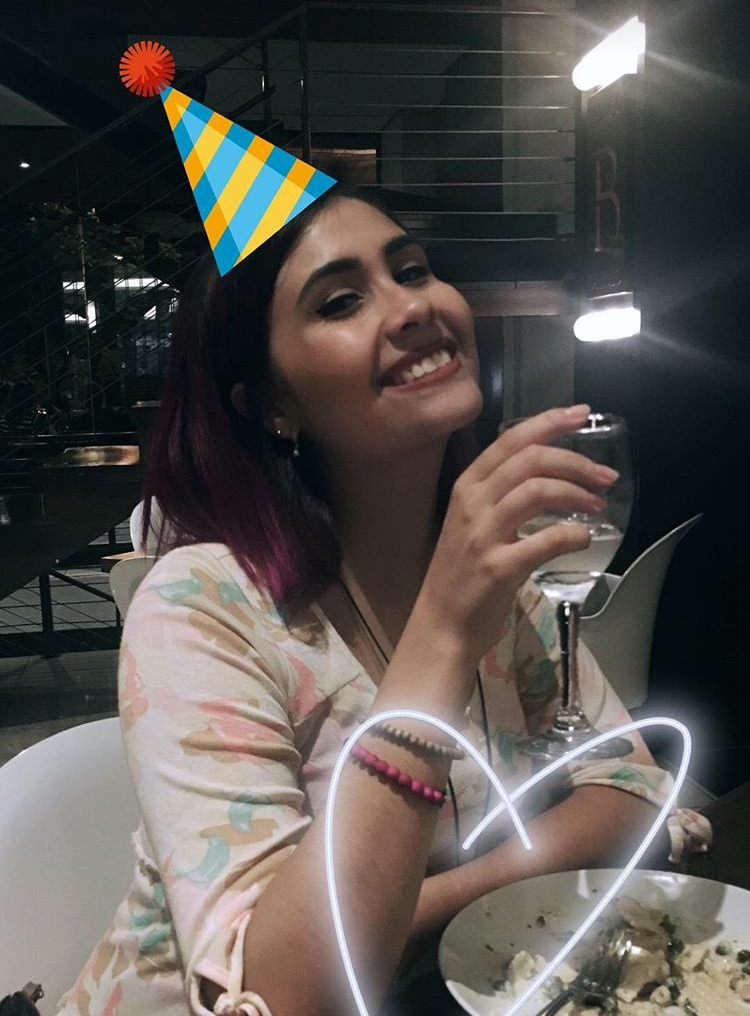


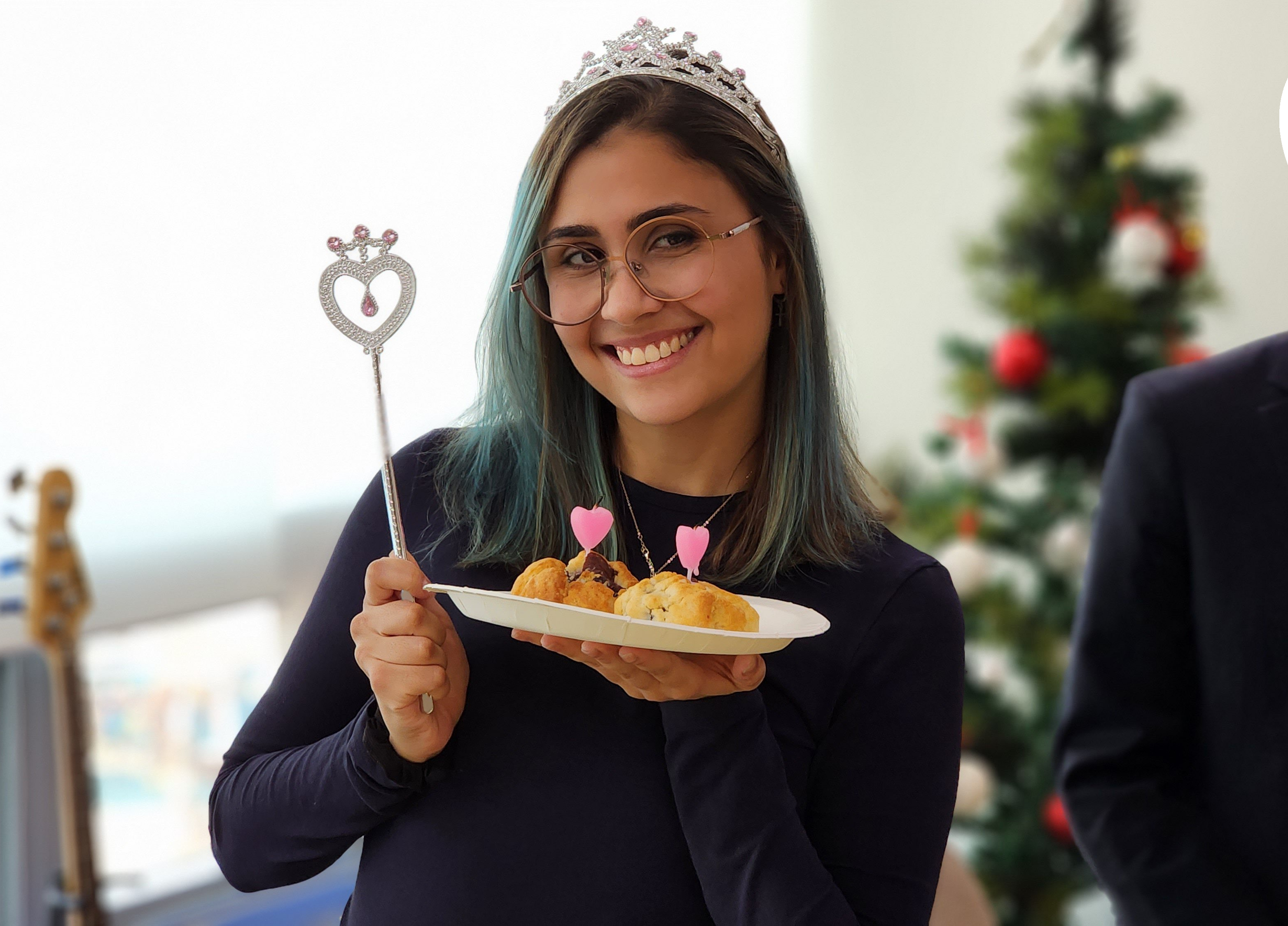

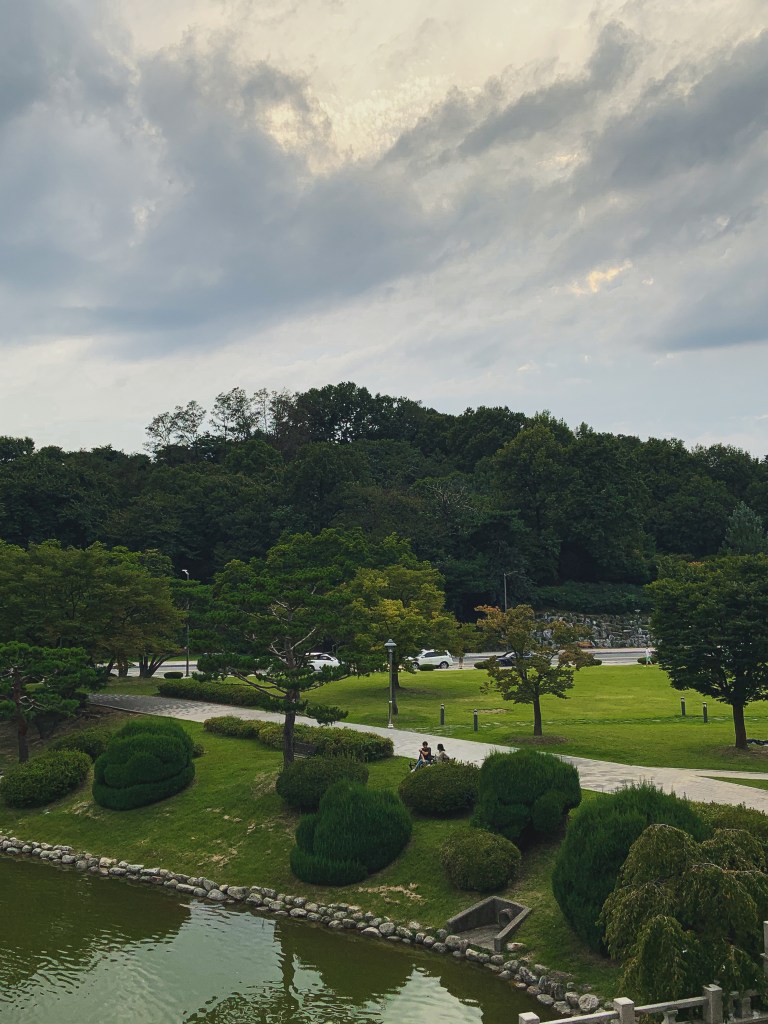


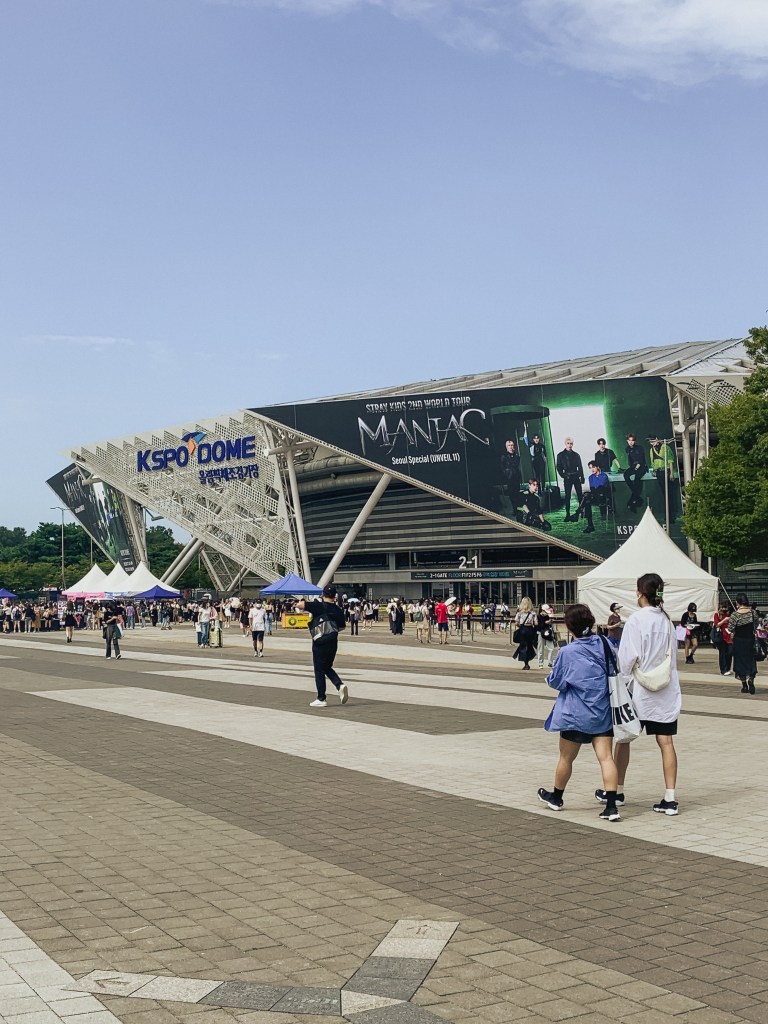


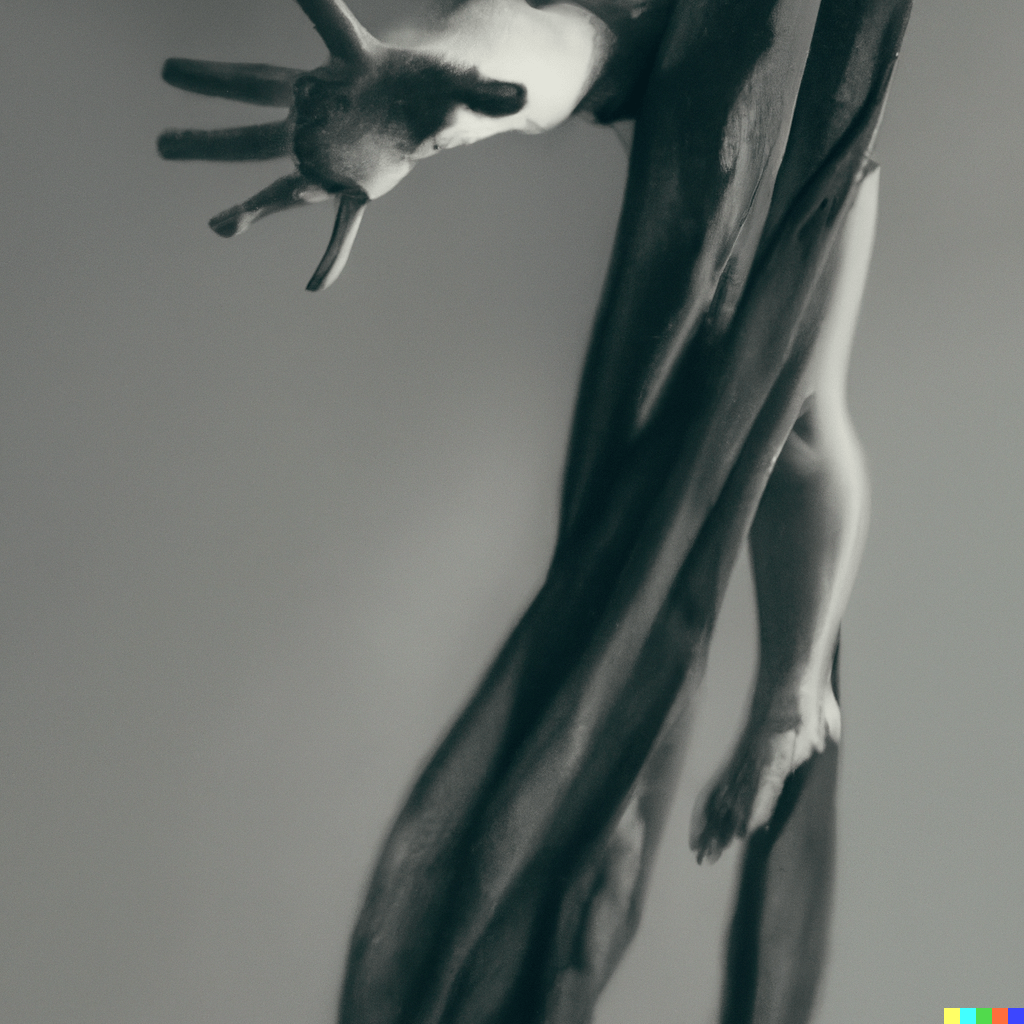


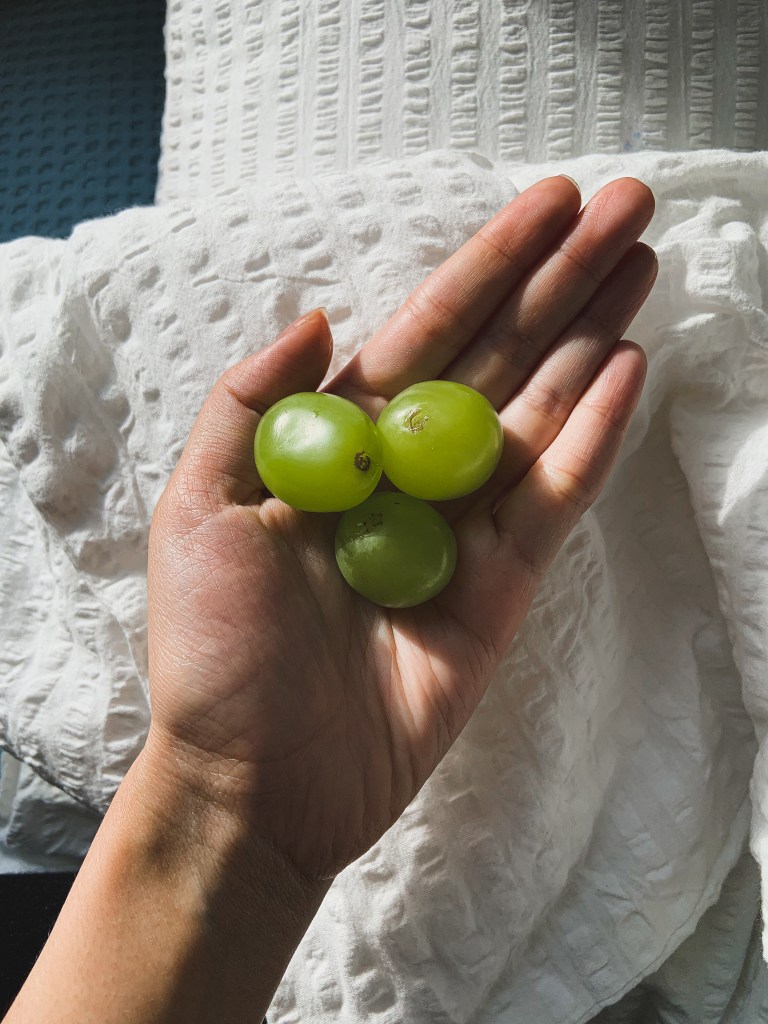


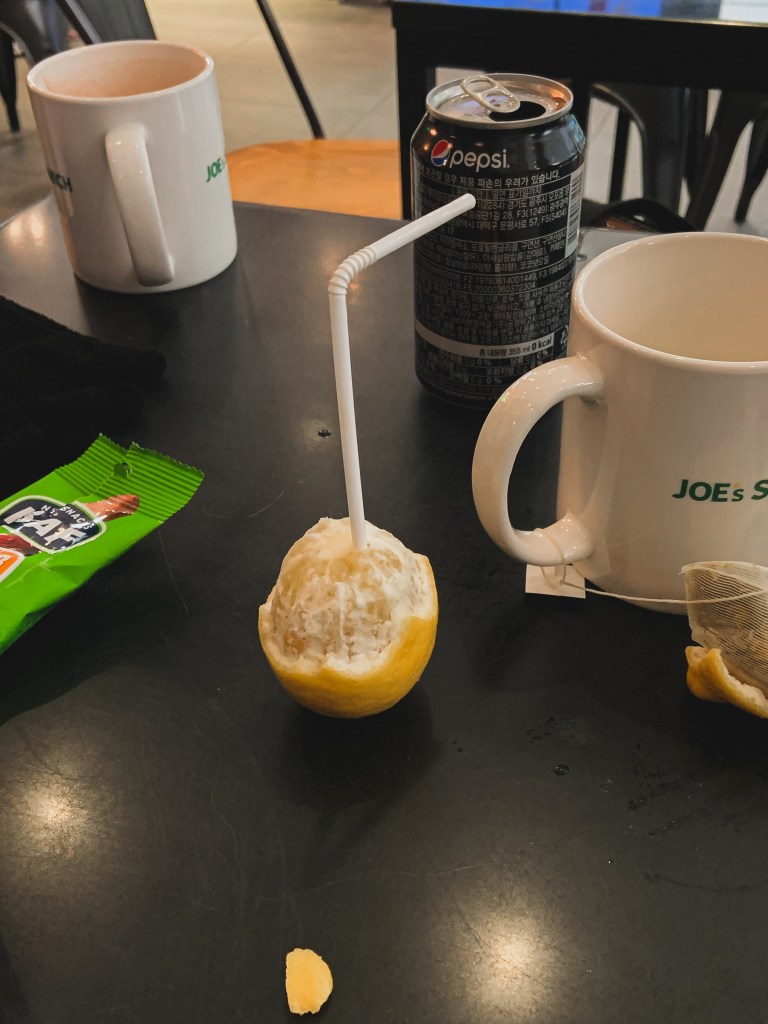

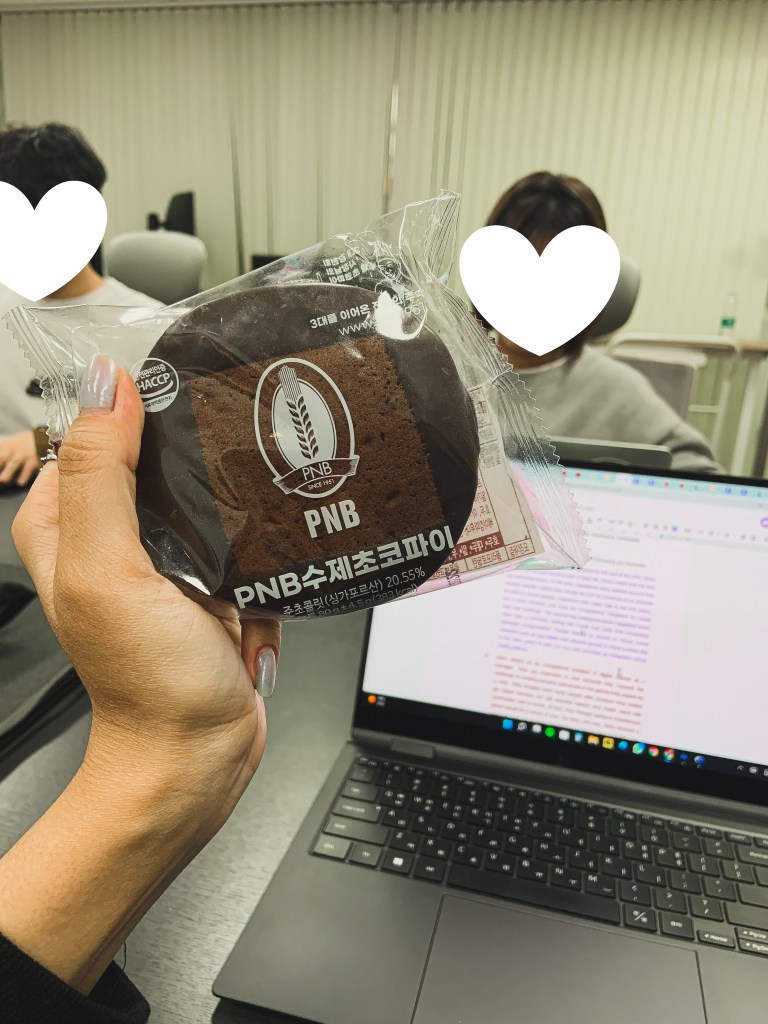
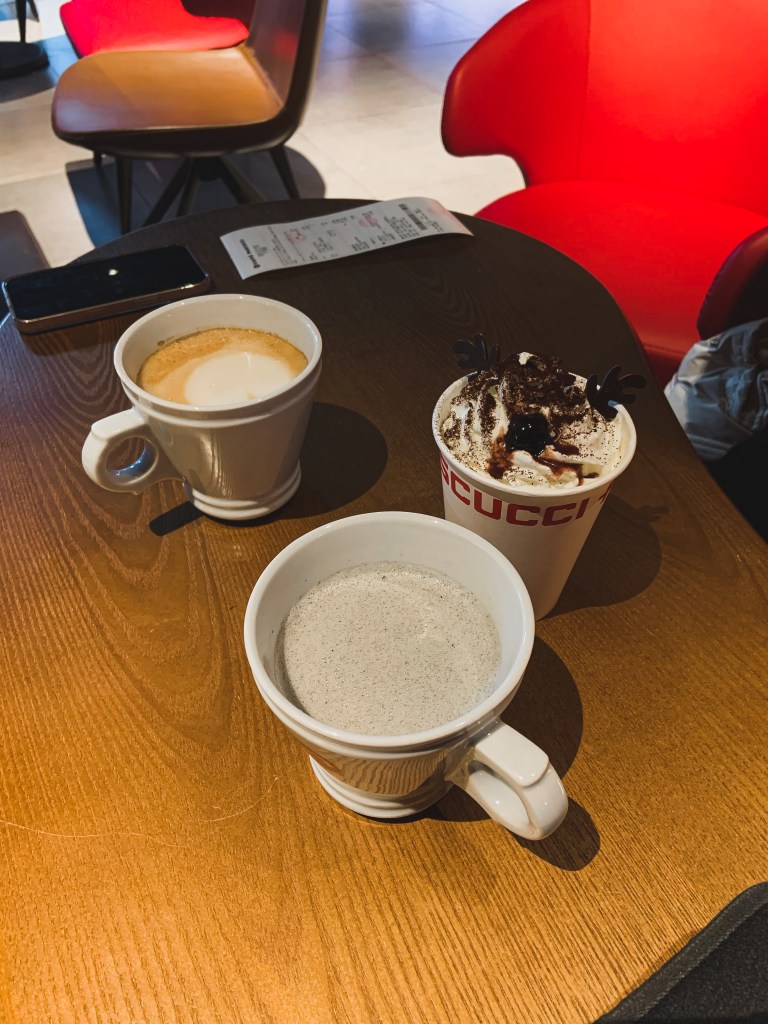

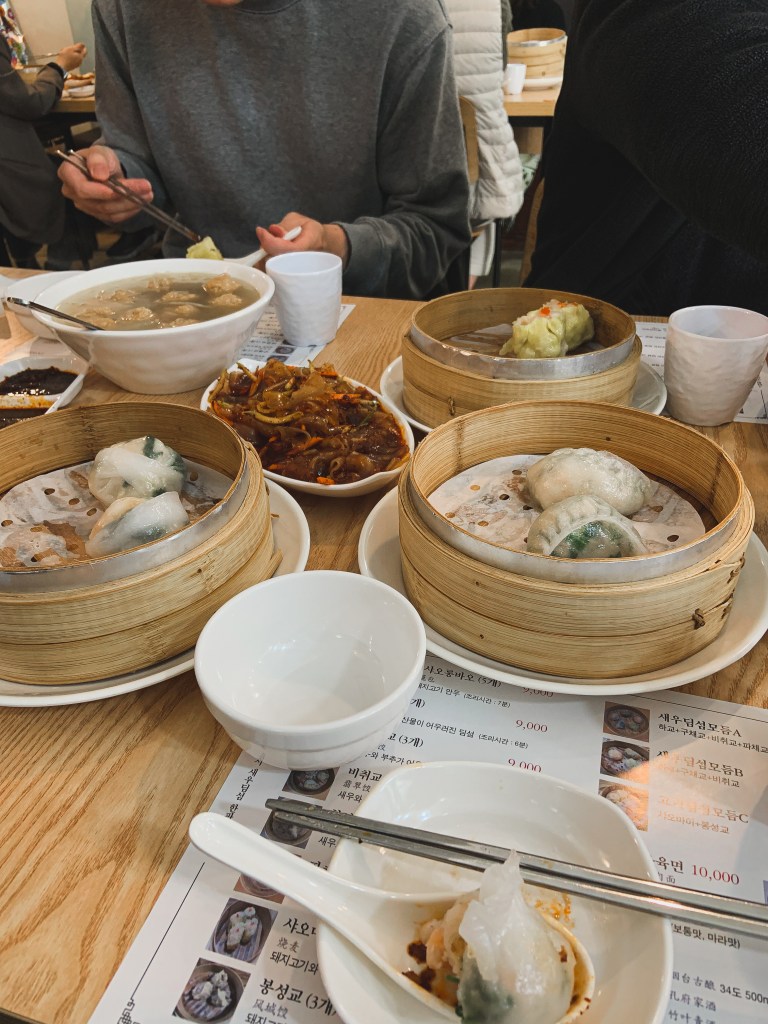
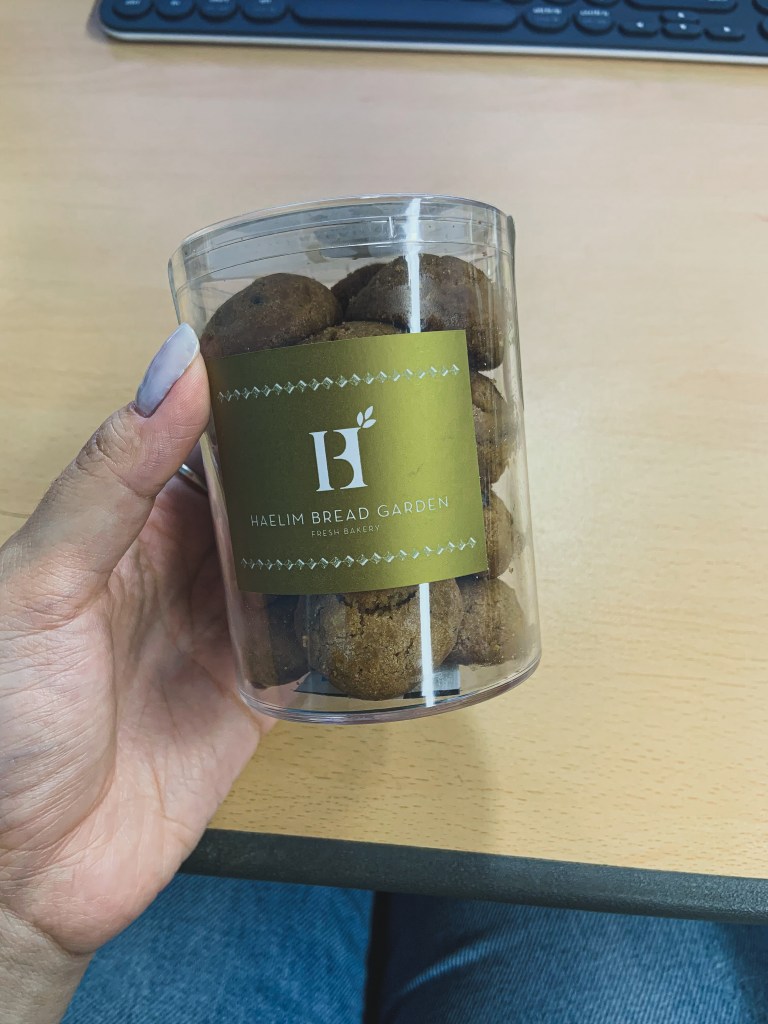


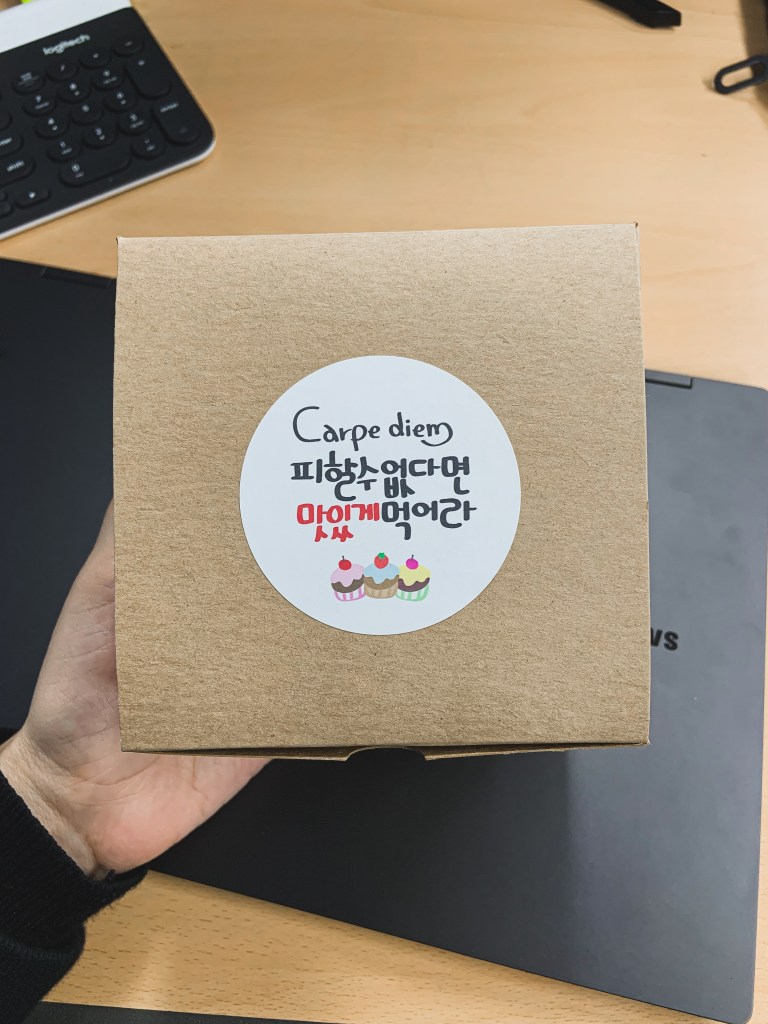

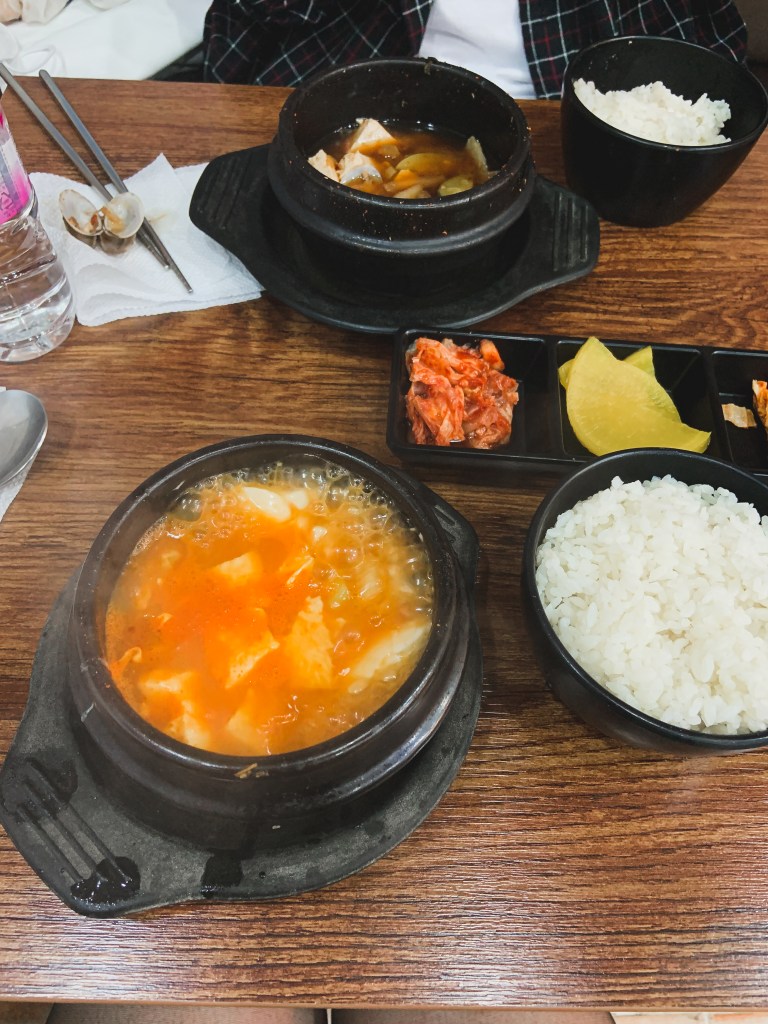
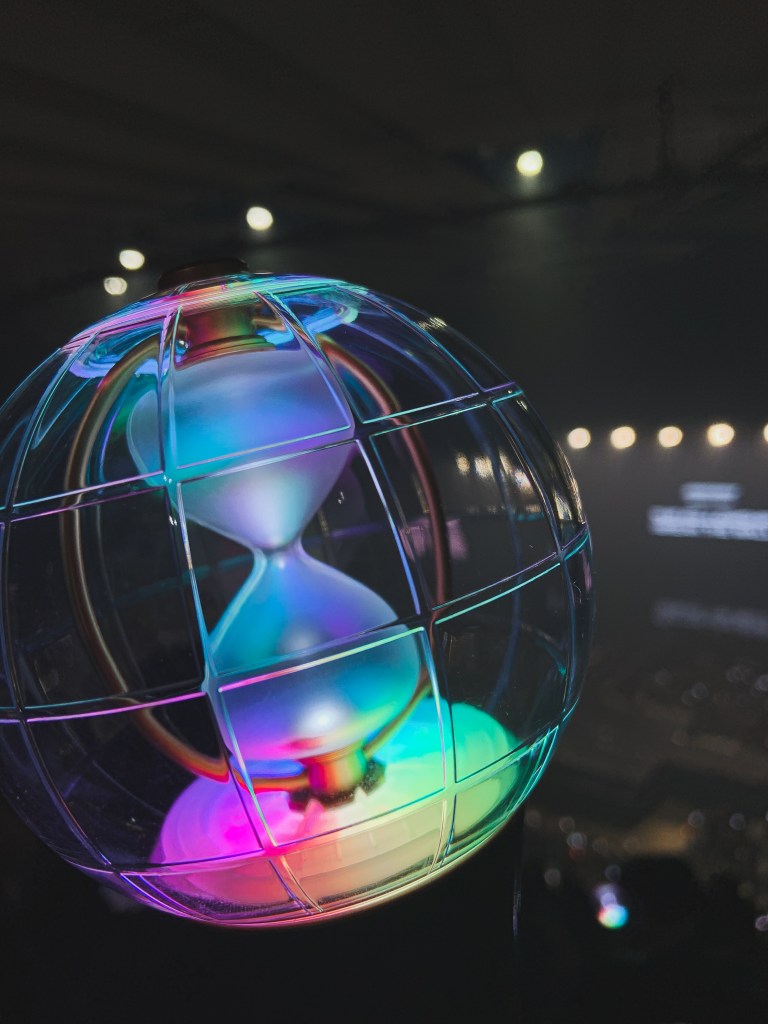


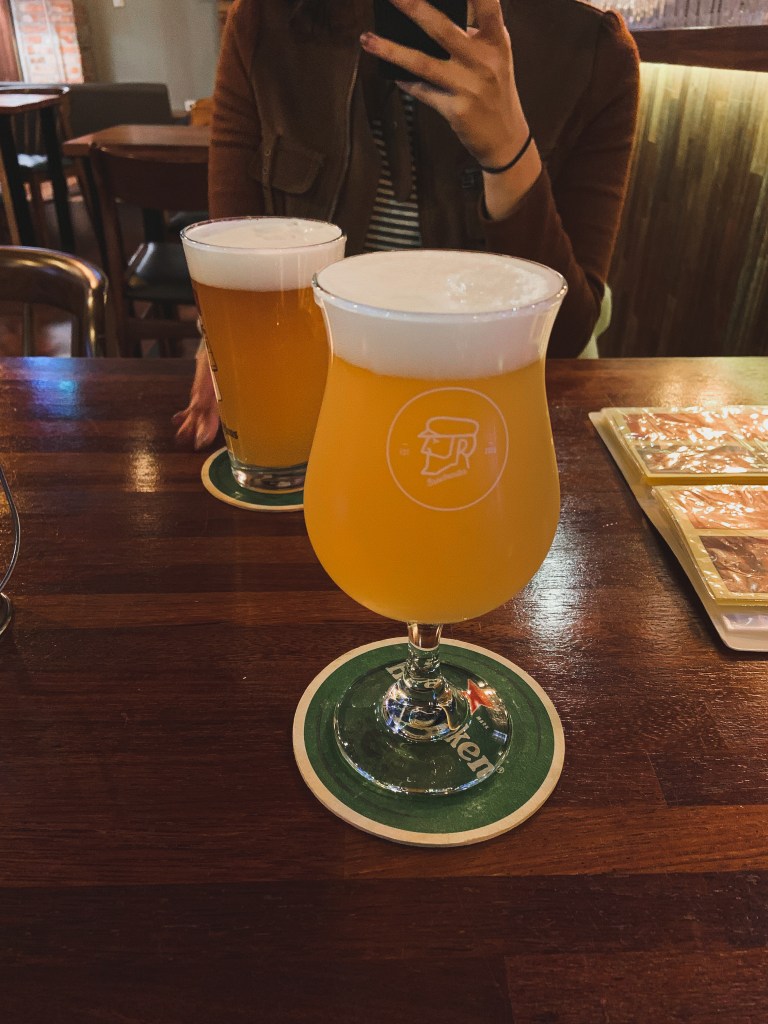



 Corvo Correio | the Raven Post