25-year-old rapper B.I has often remarked on the importance of movies and poetry in his songwriting, as means of experiencing, feeling or articulating things he hasn’t experienced for himself, but that can result in vivid images and evoke strong feelings from listeners. The song “illa illa”, released on 1 June, 2021 as lead single of his first full-length album, is no exception to his style of painting strong images – the song’s Korean title 해변 [haebyeon] means “beach”; the English title, although a nonexistent word, bears close resemblance to the Korean ideophones that represent the undulating movement of waves. The whole track, along with its cinematic music video, make use of seaside metaphors to talk about finding yourself washed up on the shore after nearly being swallowed by the waves of an ocean which, in this story, is made of his own tears – “at the end of my sleeves there’s a beach/ because of the tears that I wiped from my cheeks.” This specific metaphor, which structures the song, was taken from the poem “The Taste Of Candy And Beach” [사탕과 해변의 맛] by poet Seo Yun-hoo.
Originally the leader of 7-member boy group iKON, which debuted under K-pop powerhouse YG Entertainment in 2015, he was credited for every release of the group up until his departure, in mid-2019, being awarded “Songwriter of the Year” in 2018 at the Melon Music Awards, one of South Korea’s major awards shows, after their megahit “Love Scenario”, crowned “Song of The Year” at two major award shows that same year. Much like “Love Scenario”, “illa illa” doesn’t come across as particularly happy nor sad on a first listen; the production favors a minimalist approach, but without ever losing depth, with enough room for the layering of sounds to boost the vocals to an echoed atmosphere that intensifies a catchy chorus that perfectly encapsulates the spirit of the song. However, unlike his movie-inspired songwriting, these lyrics feel very personal; when his album was released, B.I was still under public scrutiny due to allegations of illegal drug purchases, the reason for his withdrawal from his former group and agency. Though still awaiting final sentencing when the song came out, in the swirling of waves, as much as it is about the sinking, “illa illa” is about the emerging; like Kat Moon (2021) writes for TIME, “On the other side of the water is dry land, and in the song’s final verses the artist triumphantly sings of not shedding new tears. “Though I know it will crumble/ I’ll probably build a sandcastle again,” he declares. With the breadth and depth of emotions he conveys, B.I. shows he’s as much a storyteller as he is a songwriter.” The music and arrangement are also credited to Millennium, Sihwang, Kang Uk-jin and Diggy, who had previously worked with B.I in iKON, as well as other artists associated with YG Entertainment, such as AKMU, WINNER and Lee Hi.
INFINITE debuted in 2010, with the chanty Hitchhiker-produced “Come Back Again”, but it was only with the synth-pop legendary song “Be Mine”, the title track of their first full album Over the Top (2011), that the group got their first music show win, still at the beginning of their rise to one of the biggest and best-selling boy groups of their generation. This big moment was followed by a repackaged version of the album, titled Paradise (2011), promoted with the lead single of the same name. The song was one of many generation-defining INFINITE tracks by producer team Sweetune, also credited for “Be Mine”, the iconic “BTD (Before The Dawn)”, and “The Chaser”, which placed at #3 on Billboard’s Staff List of The 100 Greatest K-Pop Songs of the 2010s.
Although “Paradise” isn’t one of the synth-pop tunes they’re best known for, the group’s ability to inject tracks with emotion and skillfully carry a powerful chorus is on full display. The track starts off with striking percussion and a mighty instrumental, led by strings and the lurking texture of the electric guitar adding heaviness and helping set the tone for a song which is about loss, and the desperation to try to stop the impending end of something. There’s a sense of urgency and defeat that is conveyed by the pungency of the melody and the percussion, but especially by the vocals – not just the outstanding individual performance of each member, but also the special effect of the layering of their seven voices, a prominent trademark across INFINITE’s tracks, about which K-pop blogger and music critic Nick James (2020) said: “I often classify Infinite as a group of eight voices – seven individual tones plus that unbeatable blend when they come together. Some have compared it to the Bee Gees, but it’s more robust here [in Paradise]”. The resulting chorus sounds both like the desired Heaven, and the actual living Hell of the parting, perfectly articulating and intensifying all parts of a song that succeeds in conveying every emotion it attempts.
Eu sou uma grande fã de K-pop. Não tem tanto tempo assim, mas ao longo dos últimos anos eu me tornei realmente apaixonada pelo mercado de idols, ao ponto de estar ativamente envolvida em produzir conteúdo, e até material acadêmico, a respeito. A razão pela qual eu gosto tanto? Bom, é mais difícil de explicar do que o que cabe em um parágrafo [mas você pode ler sobre isso em outros textos meus], mas, do meio de todos os diferentes conceitos, performances, coreografias, vlogs e programas de rádio feitos por rostinhos bonitos vestindo roupas bonitas, eu recebo música. E eu amo música, e, por aqui, eu sempre encontro música nova pra aproveitar.
Já que você está aqui, já escutou a melhor música do ano de 2021?
Um dos meus grupos favoritos se chama NCT 127. Eles são um grupo de 9 membros, que debutou em 2016 sob a SM Entertainment, uma das gigantes da indústria. Eles fazem parte de um grupo maior, chamado apenas “NCT”, que tem 23 membros divididos entre grupos diferentes – e um deles é o 127. O NCT tem um conceito rotacional, que pode ser difícil de explicar pra quem é completamente novo (mas que é a forma mais simples de explicar as fotos com dúzias de rapazes que o Google te mostra quando você pesquisa o nome deles). De qualquer forma, a coisa importante é que o NCT 127 é um grupo com música excelente. Eles são conhecidos por testar os limites e as tendências do mercado – o que significa que seus lançamentos nem sempre são unanimidade, mas tudo que eles lançaram nos últimos seis anos resultou em uma discografia bastante interessante.
Os 23 membros do NCT, durante as promoções do projeto “NCT 2020”.
Minha música favorita do NCT 127 se chama “100”. É parte do primeiro álbum single em Japonês do grupo, Chain, lançado em 2018. Os créditos são do cantor-compositor Andrew Choi, que também faz parte da SM Entertainment, e do compositor Yunsu (SOULTRiii), que já trabalhou com outros artistas da SM (como o trabalho solo do cantor Baekhyun, membro do grupo EXO, e meu grupo favorito de todos, SHINee, sendo creditado pela excelente “Chemistry” no álbum The Story of Light pt. 2 (2018)). O álbum single em si é incrível, com cinco músicas fortes que falam muito do potencial do grupo, do primeiro ao último dos seus 18 minutos de duração. “100” é a última faixa, a cereja do bolo; é excepcional, com um instrumental que é tão pernicioso quanto é previsível, mas sem deixar de ser interessante, e uma ponte que prepara o terreno perfeito para uma das minhas codas preferidas em uma música pop. Eu já escutei “100” dezenas de vezes, e em nenhuma dessas vezes eu cheguei até o fim da música sem sentir um arrepio que fosse.
Tem uma outra coisa muito importante a ser dita sobre essa música, que é o fato de que ela nunca foi tocada ao vivo. Nunca.
A maioria dos grupos de K-pop tem atividades bem sérias no Japão – o segundo maior mercado fonográfico do mundo é a opção mais próxima e vantajosa para uma expansão além do público doméstico. Até o momento, o NCT 127 só completou uma turnê (em parte por conta da pandemia), mas, mesmo assim, dos 44 shows que eles fizeram pela Ásia, Europa, América do Norte e Latina, 14 foram no Japão. E, mesmo assim, nessas 14 datas, para uma audiência total de 74,000 pessoas, em nenhum momento eles apresentaram “100”. Eles apresentaram, sim, outras músicas da sua discografia Japonesa que estão entre minhas favoritas, como “Dreaming” (também do álbum single Chain), e “Kitchen Beat” (do seu excelente primeiro álbum em Japonês, Awaken (2019)). Mas, nada de “100”.
Eu sou um pouco dramática quando falo de canções que amo muito escutar; existem aquelas que são para se consumir às garfadas, sendo repetidas infinitas vezes, e existem aquelas que são para se consumir com moderação, porque elas causam uma euforia muito intensa, e deixam um gosto persistente na boca. “100” está mais perto do segundo tipo; eu não gosto de ouvi-la quando não tenho condições de estar completamente presente, porque faço questão de experimentar tudo que ela me oferece, ainda que seja só uma vez. Aliás, é por isso que eu sou fã de K-pop; eu aprecio as performances, as personalidades, mas, em última análise, eu preciso da minha porção sônica todos os dias, e meus grupos favoritos me mantém feliz e bem alimentada, nesse sentido. E a analogia com comida é muito boa, não é? Porque nós tomamos café da manhã, almoçamos, fazemos um lanchinho da tarde, jantamos, e sabemos que nem toda comida cabe em toda refeição. “100” se parece mais com a sobremesa do almoço. A porção é menor do que aquela que eu comi imediatamente antes, mas pode ter certeza de que tudo que eu fiz primeiro foi antecipando aquela boquinha de 3 minutos e 42 segundos.
Como eu disse, eu sou um pouco dramática falando das músicas que eu realmente amo ouvir. Então, sim, “100” é sempre uma experiência para mim. E, toda vez que eu a escuto inteira mais uma vez, e chego ao final de novo, e me lembro que nunca houve uma performance ao vivo, e que o 127 talvez nem se lembre dela, pra começo de conversa… Eu não consigo não pensar sobre como a experiência da música existe apenas entre os alto-falantes e eu. Os produtores, compositores, distribuidores, e o 127, claro, providenciaram o serviço, mas eles não me conhecem, e sequer precisam se ocupar do fato de que eu gosto tanto dessa música, porque, sejam 10 ou 1000 as vezes que eu aperto o replay, eles podem receber um pouquinho a mais ou menos por stream, mas absolutamente zero feedback sobre essa pobre Brasileira de 26 anos que sempre precisa explicar que ela está falando do NCT 127, e não do SuperM, quando diz que ama “100”.
Este é apenas um exemplo de vários outros que eu poderia tirar da minha carreira de amar B-sides mais ou menos esquecidas, como “Live-in-Skin” do Foo Fighters, “Paradise” do BTS, ou “Signal” do f(x). Não é de propósito, tanto quanto não é minha culpa que eu me apegue à músicas que quase nunca vão parar em setlists. É uma pena, porque eu amo performances ao vivo, e a maioria das músicas soa melhor fora do estúdio, flutuando sobre e através das cabeças do povo, o verdadeiro lugar ao qual elas pertencem. Do meu lado do mundo, eu raramente, ou nunca, tenho chances de ver meus artistas favoritos, então esses vídeos de performances são a melhor forma (ou a única) para que eu experimente uma fração da sensação de estar sob as nuvens sônicas que eu mais desejo provar. Não quer dizer que eu nunca tenha tido um pouquinho de sorte – uma vez, em 2018, quando minha banda favorita de todos os tempos, Foster the People, trouxe de volta aos palcos uma música de 2011, “Broken Jaw”, uma faixa bônus que sequer estava em plataformas de streaming, e que eu amava, mas que não havia sido incluída em setlists havia vários anos (e bem à tempo da minha primeira vez os vendo ao vivo). E, sim, eu chorei um pouquinho, exatamente o que você esperaria de alguém que é um pouco dramática sobre as músicas que realmente ama escutar, mas que, mesmo assim, sabe bem que a experiência emocional intensa que ela associa à ouvir essas músicas é quase totalmente separada das pessoas que trouxeram a música à existência.
Foster the People apresentando “Broken Jaw” ao vivo no SXSW, em 2011. Assisti essa performance incontáveis vezes desejando viver a mesma experiência.
Claro, isso não é uma discussão sobre as formas como essas músicas só existem devido às pessoas que as escrevem, produzem, cantam e distribuem, mas sobre a distância intransponível que existe entre nós e essas pessoas, que se manifesta em como nos sentimos sobre as coisas que apreciamos, como as consumimos, e quão livremente elas transitam pelas nossas vidas e dispositivos sem grandes conexões com o outro lado além de uma foto na capa, ou créditos impressos em papel. Eu já dei replays infinitos em músicas de cantores sobre quem eu não sei nada além do nome artístico. De certa forma, pelos álbuns, vídeos e tracklists em serviços de streaming, os alto-falantes e telas são muito menos como links, e mais como espelhos, me refletindo para mim mesma. Mesmo que sua superfície se tornasse macia como gaze, mesmo que eu pudesse chegar ao outro lado, eu não encontraria cantores e compositores esperando por mim, mas só eu mesma, sozinha com todas as coisas que tornam aquela experiência minha, todas as coisas que cobrem a distância entre eu e meu reflexo.
E isso é ótimo! É o que torna isso válido e apreciável, porque, se eu apertar o play, posso ouvir a voz do Doyoung quantas vezes eu quiser, ainda que ele esteja doze fuso horários à minha frente, em algum lugar de Seul. Não é uma performance ao vivo, mas eu ainda assim posso voltar para “100”, “Live-in-Skin” e “Signal”, para “Knock on Wood”, de Red Velvet, e até para “Broken Jaw” – que agora, finalmente, está nas plataformas de streaming, e posso curti-la com facilidade em todas as versões que eu gosto. Por outro lado, minha favorita absoluta do FTP, “Tabloid Super Junkie”, uma faixa exclusiva de pré-venda do Supermodel (2014), segue sendo parte do time de B-sides esquecidas. Mas, pra ser muito franca, eu nem me importo tanto assim. Entre eu e os alto-falantes, eu já fiz a música tão minha que não sei se preciso de mais alguma coisa para torná-la melhor do que ela já é. E talvez seja por isso que seja dela que eu goste tanto.
I’m a huge K-pop fan. I haven’t been one for a very long time, but, over the last three years or so, I became really passionate about the industry of idol music, to the extent of being actively involved in producing content and even academic material about it. The reason why I love it so much is… Well, it’s harder to explain than how long I want this paragraph to turn out [so you might have to check other writings], but, in the midst of all the performances, dance routines, variety shows, different concepts and fan service delivered by pretty faces wearing pretty outfits, I get music. And I love music, and I always seem to find new music to enjoy there.
Since you’re here anyway, are you familiar with the 2021’s actual Song of the Year?
One of my favourite groups is called NCT 127. They’re a 9-member group, which debuted in 2016 under the K-pop giant SM Entertainment. They’re part of a larger group called NCT, which has 23 members split into different units, one of which is 127. NCT has a rotational concept, which is something that can be a little tricky to explain if you’re completely new but that’s the simplest way to explain the pictures with dozens of men you get when you google them. Anyway, the important thing is that NCT 127 is a group with amazing music. They’re famous for pushing sonic boundaries and trends – which means that their songs aren’t always unanimous, but their output over the last six years makes up for a very interesting discography.
All of NCT’s 23 members brought together during promotions of the NCT 2020 project.
My favourite NCT 127 song is called “100”. It’s part of their first Japanese single album, Chain, released in 2018. The music is credited to singer-songwriter Andrew Choi, who’s also signed under SM Ent., and to composer Yunsu (SOULTRiii), who’s also worked with other SM artists (such as soloist Baekhyun and my ultimate favourite group SHINee, being credited for the excellent “Chemistry” from The Story of Light pt. 2 (2018)). The lyrics are credited to Japanese Hip-Hop and R&B musician AKIRA. The single album in itself is amazing, with five special, solid songs that speak volumes of 127’s potential, from the first to the last of its 18 minutes. “100” is the last one, the cherry on top; it’s an outstanding track, with a delightful drop and a bridge that builds up to one of my favourite codas in a song. I’ve listened to “100” countless times, and not even once have I gotten to the end of the song without shivering at least a little bit. That’s how powerful it is.
There’s also something else that’s very important about this song, which is the fact that it’s never been performed live. Not even once.
Most K-pop groups have very serious ventures into Japan – being the world’s second biggest recorded music market, it’s their best option to expand beyond the domestic audience. So far in their career, NCT127 have only headlined one solo concert tour (partially due to the pandemic), but, even so, out of the 44 dates they played across Asia, Europe, North and Latin America, 14 were in Japan. And yet, across these dates, to a reported audience of 74,000 people, not even once did they perform “100”. They did, indeed, do other Japanese songs that are some of my all-time favourites from them, such as “Dreaming” (also from the Chain single album) and “Kitchen Beat” (from their excellent first Japanese full-album, Awaken (2019)). But not “100”.
I’m a bit dramatic when it comes to songs I really love listening to; there are favourite ones that are meant for big-bite, spoonful consumption, through endless repetition, and there are the ones that must be eaten up in moderation, because they cause a rush so strong, and leave such a lingering taste. “100” is somewhere in the middle. I’d hate to give it an unfulfilling listen, even once. That’s exactly why I’m a K-pop fan; I enjoy the performances, the fan content, the personalities, but, ultimately, I need to get my sonic fill and my favourite groups keep me happy and well-fed in that sense. And the food analogy is actually very good, right? Because we have breakfast, lunch, coffee break, dinner, supper, and not every food fits nicely into every meal. “100” is more like dessert. The portion is smaller than what I had for lunch, but you can be sure everything I did before was anticipating that small bite of 3 minutes and 42 seconds.
Like I said, I’m a bit dramatic when it comes to songs I really love listening to. So, yes, “100” is always an experience to me. In that sense, whenever I give it a full listen, and I get to the end once again, and I remember there’s never been a live performance, and 127 probably don’t even remember they recorded it to begin with… I can’t help but think about how the experience stands from the speakers to my end alone. The producers, songwriters, distributors, and 127, of course, provided the service, but they don’t know me and they don’t even have to care that I love this song so much, because, whether I replay it 10 or 1000 times, they might get more or less cash, but absolutely no feedback about this poor Brazilian 26-year-old who always has to clarify that she means NCT 127’s song, and not SuperM’s, when she says she loves “100”.
This is just one example of many others that I could pull from my career of loving forgotten B-sides, like Foo Fighters’ “Live-in-Skin” and “Erase/Replace”, BTS’s “Paradise”, f(x)’s “Signal”. It’s not on purpose as much as it’s not my fault that I’ve grown attached to songs that rarely or never make it to setlists. It’s a pity, because I love live music, and most songs sound better out of the studio, hanging above ad through the heads of the people, where they belong. On my end of the world, I rarely, or never, get to experience my favourite artists, so live performance clips are the best way (or else, the only one one) for me to experience a fraction of what it feels like to be under the sonic clouds I long for the most. It’s not like I’ve never had it good, though – once, when my favourite band ever, Foster the People, brought back to tour a song from 2011 that I loved dearly, “Broken Jaw”, a bonus track that wasn’t even on streaming platforms back then, and which hadn’t been performed in many years, just in time for my first ever concert of theirs. And I did cry a bit, just as you would expect from someone who’s a bit dramatic when it comes to songs she really loves listening to, but who also knows very well that the intense emotional experience she associates with listening to the music she loves the most is completely detached from the people who made it in the first place.
Foster the People doing “Broken Jaw” live in 2011. This specific performance kept me both satiated but somehow still hungry for years before I got to see this one for myself.
Of course, this is not about how these songs exist due to the ones who wrote, produced, sang and distributed it, but in the sense that there’s an unbridgeable distance between us and them which manifests in how we feel about the stuff we enjoy, how we consume it, how freely it moves through our lives and our devices with no strings attached besides a picture on the cover, or credits printed on paper. I have endlessly replayed songs by artists that I know nothing about besides a stage name. In a way, through the albums, clips and tracklists on streaming services, the speakers and screens are a lot less like links, and a lot more like mirrors, reflecting myself right back at me. Even if they became as soft as fabric, even if I could get to the other side, I wouldn’t find singers and songwriters waiting for me, but just my own, lonely self, and all the things that make that experience mine, all the things that stand between my body and my reflection.
And that’s great! That’s what makes it enjoyable and worthwhile, because, if I hit play, I can still hear Doyoung’s voice whenever I want, even though he’s 12 hours ahead of me, sitting somewhere in Seoul. It’s not a live clip, but I can still go back to “100” and “Live-in-skin” and “Signal”, I can go back to Red Velvet’s “Knock on Wood” (which I do on a daily basis), or even “Broken Jaw” – which, at last, has made it to streaming platforms, so I can easily enjoy it in every version that I cherish. On the other hand, my absolute favourite FTP song, “Tabloid Super Junkie”, a pre-order exclusive track from Supermodel (2014), remains as a pretty forgotten B-side. But then, if I’m being perfectly honest, I couldn’t care less. Between me and the speakers, I’ve made the song mine in such a way that nothing else is necessary to make it better than I already think it is. And that’s why I like it so much.
Red Velvet debuted in 2014 with the promise to bring together the elements that distinguished their predecessors, Girls’ Generation and f(x). One’s magical, sunny mass-appeal, and the other’s more experimental edge – through the fresh “Red” and the luscious “Velvet” concepts. Celebrating their seventh anniversary, the group made their first official release since ‘The ReVe Festival’ Finale (2019) with the six-track mini album Queendom (2021), released in August. The record includes the electro-punk track “Knock on Wood,” a B-side that uses a magical motif to compare the anxious desire for requited affections akin to casting a little spell (Yun, 2021).
The track is credited to duo Moonshine (Jonatan Gusmark and Ludvig Evers), Cazzi Opeia and Ellen Berg, who have worked together in previous RV tracks such as the B-side “In & Out” (2019) and the title track “Peek-A-Boo” (2017). The Korean lyrics were written by Seo Ji-Eum from Jam Factory. “Knock on Wood” opens with bewitching wobbly synths; enchanting ad-libs and vocals are layered over little finger snaps, squelches and glassy sounds (Daly, 2021) for an eerie feeling that heightens the magical element. The lyrics switch between anxiously hopeful confessions and spells, with each member adding to the atmosphere. Irene’s and Yeri’s lines are playful, mischievous – complementing Seulgi’s honey-glazed uneasiness, as well as Joy’s innocent sweetness and Wendy’s buoyant brightness, whose voices lead the pre-chorus into the chorus. The more distressed undertones of the song are resolved at the whimsical bridge, and the fairytale-like story ends with a modified chorus that expresses the assurance of getting the desired outcome. All the red flavors are there, but with the otherworldly magical edge that Red Velvet carried on from the sweet witchcraft of f(x).
Yun, Sanggeun 윤상근. “레드벨벳, ‘Queendom’으로 전할 감각적 음악 세계..위트 더한다” [Red Velvet to deliver a sensory music world through ‘Queendom’.. with increased wit]. 스타뉴스 STARNEWS, 9 Aug, 2021, https://entertain.naver.com/read?oid=108&aid=0002979163 Accessed 8 Nov, 2021.
Meu primeiro contato com idols de K-pop foi em 2009, aos 14 anos de idade, quando eu aprendi que uma das minhas músicas favoritas de uma das minhas bandas alemãs favoritas – “Forever or Never”, de Cinema Bizarre – também havia sido gravada por um grupo coreano chamado SHINee. No ano seguinte, a maioria das minhas colegas que também eram fãs de bandas alemãs haviam trocado Cinema Bizarre, Tokio Hotel e Killerpilze por Super Junior, BIGBANG, SHINee, entre outros. A maioria de nós já tinha um histórico com J-pop e J-rck; eu mesma me interessei rapidamente por Super Junior, por conta do quanto o Heechul me lembrava meu guitarrista de visual kei favorito, Miyavi. Mas esse interesse não durou muito; como uma jovem cristã, eu não conseguia lidar naturalmente com o termo “idol”.
Cinema Bizarre “Forever or Never” live, 2008
Coincidentemente, foi a música “IDOL” do BTS, lançada em 2018, que acabou me arrastando de vez para a indústria, me atraindo com uma sobreposição de percussão tradicional Coreana e Afrobeat que deixavam minhas manhãs de recém-formada (e recém-desempregada) menos insuportáveis. Isso foi há cerca de dois anos e meio. Minha mente adulta, mais educada e esclarecida, foi capaz de se importar menos com as conotações negativas que o termo “idol” me comunicava no passado – ainda que de vez em quando eu ainda tenha que me explicar um pouquinho quando sou questionada dentro dos meus círculos religiosos. Chamar jovens popstars de um nome desses é uma forma bem pouco sutil de deixar claro para qual propósito eles foram criados, mas, mesmo assim, há mais por trás disso que uma escolha de palavras.
Isso é algo que eu digo com frequência – eu sempre fui fã de alguma coisa, desde pelo menos minha pré-adolescência. Ser fã é parte da minha identidade, e parte de como eu interajo com o mundo. Isso é relevante porque, depois que me tornei fã de K-pop, o processo de aprender mais sobre o que o rótulo “idol” significava e o quanto era importante na formação de algumas das coisas que eu mais gostava nesses artistas deu uma forma nova à como eu percebia minha própria vivência como fã. Este texto é uma peça bastante pessoal, e uma primeira tentativa, bastante subjetiva, de colocar em palavras como minha noção de gosto mudou ao longo dos últimos anos, bem como de prestar uma pequena homenagem à um dos idols que eu mais estimo – Hoshi, do grupo Seventeen – , não apenas porque hoje, 16 de Junho, é aniversário dele, mas também porque gostar dele tanto quanto gosto hoje em dia tem muito a ver com meu processo de descobrir o que idols eram de verdade.
BTS, o maior grupo de K-pop do mundo, afirmando que eles são, de fato, idols. Agosto, 2018.
Eu vim para o K-pop direto de uma carreira longa em diversos tipos diferentes de rock, de power pop a pop punk, punk e stoner rock, e todo tipo de sonoridade rotulada “alternativa”. Minhas primeiras percepções como fã eram naturalmente altamente definidas por essa experiência que eu já possuía, mas, ao mesmo tempo, porque havia uma transição bastante evidente em jogo, eu precisei admitir para mim mesma que deveria haver algo específico, potencialmente novo, me atraindo para esse tipo de artista muito diferente (ainda que houvesse alguns paralelos importantes, tantos que até foi escrito um artigo analisando o porquê de tantos antigos fãs de emo e pop punk foram para no K-pop). Eu tinha em mim um sentimento de querer muito ser capaz de apreciar as diferenças tanto quanto as semelhanças. Como eu mencionei antes, eu havia acabado de me formar, então minha cabeça ainda estava cheia do processo de estudar para & escrever meu TCC, e eu tinha tempo suficiente para fazer minha coisa favorita: continuar estudado (btw, esta é a versão resumida de como eu acabei estudando fandoms). Eu tive a sorte de fazer amigos que me apontaram na direção certa, me mostrando as músicas, vídeos, performances ao vivo, artigos e livros que me ajudaram a estabelecer uma boa base pra começar a visualizar o cenário de idols na Ásia de forma mais ampla, colocando em contexto o produto final que eu gostava tanto de consumir.
Bem no começo de 2020, em uma conversa com uma das amizades mais experientes que eu arranjei, eu ouvi que todo fã em algum momento poderia ser confrontado com a situação de não ter mais tempo (ou energia) para continuar apoiando a carreira de tanta gente ao mesmo tempo, então deveria haver 1 idol com o qual nós estamos dispostas a seguir, deixando os outros para trás. Eu me lembro de dizer que não sabia dizer quem eu escolheria; mas então, não muito tempo depois, um pouco depois do 24º aniversário do Hoshi, eu percebi que ele havia se tornado minha resposta àquele questionamento. Quando eu comecei a gostar de Seventeen, ele não foi um dos primeiros membros a chamar minha atenção, mas, quanto mais eu aprendia sobre o grupo, mais ele me intrigava. A princípio, eu acreditava que havia algo de incomum por trás desse interesse, porque todos os meus idols favoritos até aquele momento tinham algumas características em comum que não eram as coisas mais marcantes sobre ele. Essa percepção me fez pensar bastante sobre o que havia gerado esse interesse. Eu acabei concluindo que minha nova simpatia era o resultado de um processo maior de transição pelo qual eu estava passando, que era resultado dos pensamentos e ideias que eu havia assimilado depois de ter buscado educar minha mente para perceber idols como idols.
Hoshi, em fotos do behind the scenes da gravação do clipe da música que marcou seu debut como artista solo, “Spider”, lançada em Abril deste ano. Em suas próprias palavras, ele é “o menino que vai quando você diz que ele não deve ir // o menino que tenta até o final quando você me diz para não fazer alguma coisa” (trecho da sua música “Horanghae”, não lançada). Foto retirada da plataforma Weverse.
QUAIS OS MOLDES DE UM IDOL?
Ser um idol é, em si, uma performance. Idols são um gênero especial de artista pop, cujas personas são especialmente desenvolvidas para maximizar a chance do estrelato. Tal performance é, de fato, um trabalho artístico – um fato que pode ser facilmente ignorado de acordo com a definição de “arte” do observador. Como é uma performance em tempo integral, o papel dos jovens que dão duro para trazer à tona uma imagem de si que seja digna do título é com frequência ofuscado pelo papel dos agentes e produtores no processo. Trainees em empresas de K-pop gastam toda sua juventude treinando em busca do sonho de receber a chance de debutar em um grupo[1], e depois gastam os anos subsequentes trabalhando para construir relevância e estabilidade, no grupo, e individualmente. A partir do momento em que um novo trainee é aceito em uma agência, e sua jornada começa, o objetivo final é o palco; é o lugar em que todos os elementos do processo se juntam, e eles apresentam a excelência que desenvolveram em música e dança, para mostrar que são dignos do nome, e do apoio de seus fãs. Mas a soberania do palco é apenas um dos aspectos dessa performance.
Idols foram projetados para que se tornassem uma fonte de segurança, além de um objeto de desejo, através dos quais os fãs pudessem viver a fantasia de realizar sonhos, em forma de apoio incondicional. Para alcançar essa fantasia, tornar-se fã de idols é uma experiência como a de adentrar uma realidade alternativa transmidiática, um domínio no qual todas as partes da narrativa eventualmente referenciam e apontam umas para as outras[2], criando a ilusão de um mundo de intimidade entre um idol e seus fãs. Neste mundo, uma estética utópica de juventude coletiva é efetivada; para muito além de desejar seus corpos e seus estilos de vida, fãs são encorajados a se perceber como sendo parte da jornada. Da mesma forma que idols crescem desde seus dias como trainees até que se tornem artistas maduros, todos os seus fãs também irão, em suas próprias existências, crescer, e trabalhar duro em busca das próprias aspirações e sonhos.
Esses processos de crescimento do artista e de seus fãs são percebidos como sendo um só, de acordo com a arquitetura dessa relação parasocial; nesse sentido, a experiência de ser fã de um idol é o trabalho de uma vida[3] – conforme empresas e idols trabalham juntos para trazer as imagens e textos através dos quais o apoio dos fãs será captado, fãs entram na equação não apenas como apoiadores, mas com sua própria performance de fandom. Essa performance é expressa através de práticas diárias, como comprar produtos, votar para premiações, escutar músicas e assistir vídeos, organizar eventos, produzir fanart, apoiar marcas patrocinadoras. Mas, da mesma forma que o palco é o momento em que o idol se apresenta em toda sua majestade, fãs também tem um papel próprio no show, sacudindo seus lightsticks (bastões de luz), cantando coros especiais que acompanham cada música, e apresentando as performances coordenadas com slogans que carregam frases especiais para os artistas.[4] Todo esse sistema de idols é construído sobre esse pacto de vínculo entre idols e fãs; e, nisso, como aponta Joanna Elfving-Hwang (2018), qualquer seja o papel que as partes constituintes devem exercer, a base desse pacto é nunca sair do personagem[5].
Se ser um idol é um processo de produzir uma expressão de si que seja digna do título, o talento mais desejável à um jovem aspirante seria a habilidade de articular uma performance cativante e consistente dentro e fora do palco. Nesse sentido, quando elaborando suas personas, a genialidade de exercer esse papel é saber como usar o que se tem em si para construir uma ponte entre quem eles já são, e quem eles devem ser. Já que todo idol que consegue debutar teve que passar ao menos pelo mesmo processo duro de preparação antes de ter a chance de se apresentar num palco, a carreira duradoura que eles tanto desejam depende muito da sua habilidade de fazer com que outras pessoas se apaixonem pelos sonhos deles, e queiram sonhar junto com eles. É por isso que uma história pessoal impactante é tão importante para dar credibilidade à uma personalidade atraente, como uma bússola que indica a direção da narrativa e dá à performance tons mais realistas, e cronologicamente sustentáveis.
Hoshi aparecendo de surpresa para dançar com fãs esperando na fila do show do Seventeen em Newark, nos EUA. Janeiro, 2020.
HOSHI, O IDOL
Hoshi, meu idol favorito, é uma força da natureza. Seu nome artístico é uma combinação das palavras “horangi” [호랑이, tigre] and “siseon” [시선, olhar]. Sua persona divertida e falante faz uso abundante de uma estética de fofura barulhenta para mostrar um lado cativante, que é um grande contraponto à postura de tigre feroz que ele assume no palco. Nascido em 1996 como Kwon Soonyoung, ele debutou oficialmente em Maio de 2015, como o dançarino principal entre os 13 garotos do Seventeen, depois de treinar por quatro anos. Por conta do grande número de membros, o grupo é dividido internamente em times de acordo com especialização; existe o Vocal Team, o Hip Hop Team, e o Performance Team, do qual o Hoshi é líder. Ele é reconhecido como um artista apaixonado, um coreógrafo talentoso, e o metrônomo do grupo, obcecado tanto com a sala de ensaios quanto é obcecado pelo palco. Seu amor por trabalhar duro e enfrentar os processos é uma de suas maiores vantagens – sua paixão dá conta de cada um dos degraus da escada que leva do compromisso com a preparação até o lugar sob os holofotes.
Pensando em retrocesso, eu acredito que a habilidade que ele tem de tremer de tanta paixão por tudo que faz, em tudo que faz, tenha me feito começar a gostar tanto de assisti-lo. Conforme eu avançava na minha jornada extensa pelo conteúdo do Seventeen em diversas mídias, ele me contava uma história bem consistente de um artista que trabalhava muito duro, que havia desafiado todas probabilidades para se construir do zero. Quando ele era apenas um garoto com um sonho de se tornar um artista, e um histórico sólido em taekwondo, ele percebeu que suas habilidades físicas eram o suficiente para que ele tivesse uma chance. Seus pais não apoiaram seu sonho, mas ele já tinha em si fome e sede que o levaram a tentar provar que era capaz. Ele começou praticando sozinho, em casa, e foi criando as próprias oportunidades, fundando o próprio clube de dança na escola, e entrando em diversas competições, e saindo de campeão de algumas. Em uma dessas, ele alcançou o desejo de ser recrutado por uma agência. Decidido a não deixar passar a chance que havia recebido, ele construiu para si desde o dia 1 a reputação de ser o trainee que dava mais duro e se entregava mais que todos; essa reputação o tem seguido desde então, e continua sendo reafirmada toda vez que ele dá um passo adiante para se apresentar de novo.
O jeito leve e bobo com o qual Hoshi se apresenta diante dos fãs vem para contrabalancear seu performance intensa e feroz nos palcos. Seventeen “Ode to You” Turnê em Seul, foto de Eyes on You. Agosto, 2019.
Quando ele dança, ele é intocável e intrigante; diante das câmeras, é uma figura confortante e confiável, com uma aura acessível que faz com que seus fãs o considerem quase como parte da própria família. Esses lados diferentes dão forma à complexidade do seu “tiger power”, a marca que resume e iconifica o gênio da sua performance de ídolo. Kwon Soonyoung, o jovem, diz que é um introvertido, mas, como artista, dá preferência ao barulhento e cheio de energia e quase insano como um impulsionador, e parece decidido a transformar qualquer pedaço de chão num palco, independente de qual seja o papel que ele deve cumprir. Eu até diria que essas diferenças entre sua performance e aquilo que ele às vezes descreve como seu “verdadeiro eu” tornam o show mais interessante. Ele pode sempre contar com o suporte da credibilidade da sua trajetória, que torna o pacote completo sendo apresentado mais crível, e mais agradável de ver – quase como se nós pudéssemos ver a estrada inteira pela qual ele caminhou toda vez que os holofotes se projetam sobre ele. Há um senso geral de coerência que ele consegue comunicar através de diferentes formas de mídia que é difícil de descrever mas, em última análise, se traduz para mim como um senso de comprometimento e segurança de que ele está tão fascinado pelos próprios sonhos quanto seus fãs estão fascinados por ele.
Essa habilidade de se comunicar de forma coerente ao longo dos anos talvez seja uma das razões pelas quais é tão fácil se apaixonar por ele por seus sonhos, a ponto de desejar muito vê-lo alcançar todos. Isso foi muito evidente durante “Spider”, seu excepcional debut como artista solo, lançada em Abril. O lançamento é um excelente display de tudo que ele construiu desde que decidiu que queria estar em um palco; a canção sutilmente voluptuosa foi escrita e produzida pelo seu amigo de longa data e companheiro de banda, Woozi, e permitiu que ele se mostrasse como um artista completo além do Seventeen, destacando seus movimentos pungentes, sua voz encantadora, e seus ângulos e formas belos e viciantes. A canção é fácil de ouvir e implora pelo replay, e tanto o clipe oficial quanto as múltiplas performances, incluindo o dance practice, são um banquete visual, conforme ele se movimenta entre os bailarinos e bailarinas e os caixilhos que constituem a performance. Seus altíssimos padrões de qualidade estão presentes em cada aspecto, desde a concepção, como ele mesmo descreve nas entrevistas e no registro do processo lançado no canal do Seventeen. Não é muito diferente do Hoshi, membro do grupo e líder do Performance team, mas é um pouco maior, e vai além, como a sensação de que você tem que andar mais alguns passos para ter uma visão melhor do todo.
Se você é meu amigo, eu provavelmente te obriguei a assistir isso aqui pelo menos uma vez.
A TRANSIÇÃO
Gosto é um assunto difícil de navegar, porque existem múltiplas camadas coletivas e individuais, externas e internas, por trás do que nos enviesa e nos vincula às coisas; existem diversos aspectos da subjetividades que são inexprimíveis, mas que são como peneiras e filtros que definem com nós digerimos tudo aquilo que ingerimos. Mais difícil ainda quando consideramos nos diversos tipos de discursos de fã que existem, não apenas por causa das qualidades emocionais que fazem parte, mas também o aspecto comunitário que caracteriza a percepção geral de ser fã como ser parte de uma ideia de um arranjo extenso de pessoas que compartilham o mesmo gosto, o mesmo viés, o mesmo vínculo. É discutível até que ponto o gosto de um fã deve ser analisado, principalmente porque, conforme o tempo passa, se torna cada vez mais difícil diferenciar a identidade e a reação pessoal do indivíduo das construções coletivas de discurso com as quais o fã pode entrar em contato. Por isso, desde o começo, eu deixei claro que este era um relato pessoal, porque, no fim das contas, aquilo que me enverga diz respeito à mim.
Mesmo assim, mesmo que o processo de me tornar uma grande fã do Hoshi tenha sido um processo individual, pessoal e subjetivo, existe um processo mais amplo em questão – que é a coisa que eu estou chamando de uma transição ocasionada pela minha experiência de adquirir conhecimento – que foi o processo de me tornar mais fã de um dançarino que de outros. Isso pode soar estupidamente simples, e provavelmente indigno de um texto tão longo assim, mas a verdade é que na verdade é bem duro desconstruir percepções de uma vida toda sobre o valor das muitas mídias através das quais a expressão pessoal se articula. Na faculdade de Arquitetura, minha melhor vantagem era a capacidade de traduzir imagens e espacialidades em palavras, e vice-versa. Mesmo como professora de Inglês, minhas habilidades devem muito ao meu talento de pensar demais sobre como usamos a língua para expressão. A coisa que eu sempre mais admirei foi a capacidade de usar bem as palavras – o tipo de percepção que eu cultivei enquanto crescia sendo fã de coisas, e que carreguei comigo quando virei fã de idols.
A princípio, todos os meus idols favoritos eram os compositores, aqueles que carregavam em si uma poética que era articulada verbalmente, alguns que até haviam lançado livros. Mesmo que eu fosse tão fissurada pelo pacote completo do show, no frigir dos ovos, eu ainda atribuía mais valor subconscientemente àqueles que conseguiam se expressar com palavras. O processo de me aprofundar nos conteúdos não-verbais do K-pop, e entender como cada aspecto adicionava valor ao produto final, me fez mais capaz de apreciar as várias camadas do espetáculo como sendo igualmente importantes; a essência daquilo que eu chamei de perceber idols como idols seria um consenso geral de disposição a ver cada um pelo papel que desempenha em pé de igualdade – desde aqueles que escrevem canções e cantam a maior parte delas àqueles que deixam o grupo mais bonito mas não necessariamente tomam a frente de performances. Uma das razões pelas quais idol groups tem uma diversidade de visuais, personalidades, talentos e tipos é justamente para maximizar o seu apelo; quanto mais amplo o espectro de apelo, maiores as chances de que alguma história toque o coração de alguma pessoa que está assistindo – porque, no fim das contas, o que está sendo comunicado ainda depende em grande medida da habilidade da outra parte de entender.
Uma fancam do Hoshi dançando ao mega hit do Seventeen em 2016 VERY NICE. Outrora os inimigos de Estado #1 do Twitter, fancams foram uma das coisas que eu demorei a entender quando virei fã de K-pop, mas que se tornaram parte constituinte da minha jornada quanto mais eu aprendi a apreciar dançarinos e performance. Julho, 2016.
Uma vez que eu havia me colocado à disposição para celebrar as várias facetas de como idols se articulavam, eu pude colocar minha admiração de longa-data pela habilidade de construir uma narrativa artística coerente à serviço de apreciar a performance de idols de forma mais inteira, o que eventualmente se desenvolveu na direção do Hoshi, o idol e artista. Tornar-me sua fã foi como descobrir o quanto eu desejava encontrar novos pontos de contato no tecido da realidade em que a sensibilidade do meu corpo e da minha alma pudessem se encontrar com as ordens superiores do cosmos – a janela de possibilidade que nos leva ao numinoso, se tivermos sorte. É tão simples quanto uma profunda ânsia por beleza. Existem incontáveis camadas coletivas e individuais, externas e internas, por trás do que nos enviesa e nos vincula às coisas, conforme nós abrimos caminho pela mata virgem que é viver e existir no mundo, e as únicas constantes são de que o tempo vai continuar passando, e que vamos continuar mudando ao longo do caminho. É aí que a performance de um idol em cima de um palco te leva de volta à estrada que ele trilhou para chegar até ali, a interseção entre se apaixonar por assistir, se apaixonar por sonhar, e transformar essa paixão em uma prática. É daí que nasce um fã.
Mesmo assim, a despeito das minhas palavras emocionadas, em última análise, a relação artista-fãs não deixa de ser uma transação financeira. A razão pela estrutura emocional complexa que sustenta o pacto de vínculo entre idols e seus fãs é a necessidade de uma estrutura resistente de apoio que viabilize o emprego de todas as partes envolvidas na montagem do show. E o que fãs tiram disso? São muitas as razões pelas quais nós damos espaço para que nossos sentimentos e percepções virem uma moeda nessa troca do que oferecemos aos artistas dos quais gostamos e que decidimos apoiar. Talvez eu também anseie pelo sentimento de seguir vida juntos à distância, como linhas paralelas nesse mundo imenso, caminhando em direção ao lugar para onde vão as almas. Eu tenho certeza que isso soa emotivo e otimista demais, mas talvez seja só minha mente pândemica, cansada demais, necessitando de distração com mais frequência que o normal, e falando mais alto que meu bom senso, mas eu já li que a beleza do mundo é realmente como a boca de um labirinto. O fato é que eu amo escrever sobre minhas coisas favoritas, porque elas sempre me ajudam a pensar sobre mim mesma. E eu amo escrever sobre o Hoshi também, mas eu gosto de assisti-lo ainda mais. Como café forte e amargo, toda vez que ele aparece, deixa pra trás um sabor que perdura na ponta da língua, que me dá energia extra pelas manhãs, ou me mantém acordada à noite quando é necessário. E esta é minha opinião orgulhosamente, totalmente, completamente, apaixonadamente tendenciosa sobre o que faz dele um grande idol.
A dona aranha subiu pela parede Veio a chuva forte e a derrubou Já passou a chuva o sol já vai surgindo E a dona aranha continua a subir Ela é teimosa e desobediente Sobe, sobe, sobe e nunca está contente
[1] Muitos idols que começam a treinar muito jovens e/ou debutam na adolescência podem interromper os estudos devido às demandas do treinar/se apresentar. (Saeji et al. 2018: 12)
[2] Em “Idols: The Image of Desire in Japanese Consumer Capitalism”, Galbraith (2012: 186) descreve isso usando o termo “intertextualidade inescapável” [tradução livre]:
“Constantly present and exposed, the idol becomes “real,” the basis of feelings of intimacy among viewers, though this is independent of “reality.” John Fiske (1987, 116) describes the situation as “inescapable intertextuality,” where all texts refer to one another and not to any external reality. This is not to say that reality does not exist, but rather that what is accessible in cultural products is a construction of reality, which must be understood on its own terms. “Images are made and read in relation to other images and the real is read as an image” (Ibid., 117). The meanings of images, however temporary, are made (or negotiated) in interaction with images.”
[3] Para mais a respeito disso, eu recomendo especificamente “Always Fans of Something: Fandom and Concealment of Taste in the Daily Lives of Young Koreans” de Lee Eungchel (2021). Agradeço muito à Profa. Dra. CedarBough T. Saeji que compartilhou um link para este artigo, que me inspirou a escrever este texto.
[4] Sobre práticas de fãs, existe um espaço especial no meu coração para a densíssima auto etnografia “K- Popping: Korean Women, K-Pop, and Fandom” (Kim, 2016)
[5] Demonstrar consistência entre diversos meios de comunicação com fãs, com a mídia e outros espectadores é um aspecto chave na formação do vínculo duradouro com fãs, assim como a apresentação de uma imagem confiável e digna como celebridade perante a sociedade. (Elfving-Hwang 2018)
Lee, Eungchel (2021). “Always Fans of Something: Fandom and Concealment of Taste in the Daily Lives of Young Koreans.” In Korean Anthropology Review 5: 53-78. Retrieved from: https://s-space.snu.ac.kr/handle/10371/174377
Saeji et al. (2018) “Regulating the Idol: The Life and Death of a South Korean Popular Music Star.” In Asia Pacific Journal: Japan Focus 16 (13:3): 1-32. Retrieved from: https://apjjf.org/2018/13/Saeji.html
I first came into contact with K-pop idols in 2009, at 14 years of age, when I learned that one of my favourite songs by one of my favourite German bands – Cinema Bizarre’s “Forever or Never” – had also been recorded by a Korean boy group called SHINee. The following year, most of my German band-loving peers had exchanged the likes of Cinema Bizarre, Tokio Hotel and Killerpilze with Super Junior, BIGBANG, SHINee, amongst others. Most of us had a history with J-pop and J-rock; I myself was briefly hooked on Super Junior because of Heechul’s visuals, which reminded me a bit of Miyavi’s, the visual kei rockstar I adored. It didn’t last long, though; as a Christian girl, my teenage mind was repelled by the label “idol”.
Cinema Bizarre “Forever or Never” live, 2008
Funnily enough, it was BTS’s 2018 song “IDOL” that ended up dragging me back into the industry, attracting me with the layering of Korean traditional percussion music and African beats that made my mornings as a then-freshly graduated (and unemployed) person less burdensome. That was around 2 and a half years ago. My more educated adult mind was able to overlook the negative connotations that the word “idol” communicated to me in the past, but once in a while I still have to explain myself when the topic arises in my daily religious contexts. Calling young stars such a name is a very unsubtle way of stating what they are presented for but, even so, there’s more to the name than a vocabulary choice.
I have said this many times, but I have always been a fan of things, since my late childhood. Being a fan is part of my identity and shapes how I interact with the world. This is relevant because, after becoming a K-pop fan, the process of learning more about what the label “idol” meant and how it informed so much of what made me enjoy these artists completely reshaped how I perceived my own fan experience. This piece is a very personal take, and a rather subjective first attempt at putting into words how my taste ethos changed over the last few years, as well as paying what little homage I can to one of the idols I cherish the most – Hoshi, from the group Seventeen – not just because today is his 25th birthday, but also because coming to appreciate him as much as I do today has a lot to do with my process of figuring out what idols were supposed to be.
BTS, the biggest K-pop group in the world, stating that they are, indeed, idols. Aug, 2018.
I came into K-pop straight from a long career into different kinds of rock bands, from power pop to pop punk, to punk and stoner rock, and all sorts of sounds deemed “alternative”. My perception as a new K-pop fan was naturally highly informed by this previous experience, but, at the same time, because there was a poignant transition taking place, I had to admit that there had to be something specific, potentially new, attracting me to this very different type of artist (even though there are also important parallels, which even prompted an article about why so many former emo fans crossed over to K-pop). I had in me a deep sense of wanting to be able to appreciate the differences as much as the similarities. Like I mentioned before, I had just graduated, so my head was still full of my Bachelor’s Thesis and all the studying I had done to produce it, and I had enough free time to do my favourite thing: keep studying (by the way, that’s the rough version of how I ended up studying fandoms). I was lucky to make friends that pointed me in the right direction, showing me the songs, videos, live performances, articles and books that helped me lay a foundation to start to make sense of the general landscape of idols in Asia, in a way that gave context to the finished product I was hooked on.
In early 2020, in a conversation with one of these more experienced fandom friends, she told me that every fan might eventually have to figure out who’s the one idol they will drop all others for once they no longer have the time (and energy) to put into supporting many different people. I remember saying I had no idea who I would choose; but then, not much longer later, shortly after Hoshi’s 24th birthday, I realised he had become my answer to that matter. When I first got into Seventeen, he was not one of the first members to catch my attention, but, the more I learned about the group, the more he intrigued me. Initially, there seemed to be some unusualness to such interest, because all of my favourite idols up until that point shared some specific traits that weren’t the most striking things about him. That made me think deeply about what could have sparked my interest. I ended up realising that my new-found love was a result of a larger process of shift that I was experiencing, and this shift was a result of the thoughts and conclusions I reached after seeking to educate my mind to perceive idols as idols.
Hoshi, in behind the scenes pictures of the music video for his solo debut song “Spider”, released in April this year. In his own words, he is “the kid who goes when you say not to go // “I’m the kid who tries until the end when you tell me not to do something” (from the lyrics of his self-produced unreleased song “Horanghae”). Picture retrieved from Weverse.
What makes an idol?
Idol-ness is, in itself, a performance. Idols are a special brand of pop artist, whose persona is specially crafted to maximise the chance of stardom. Such performance is truly an artistic labour – a fact that can be easily ignored according to one’s definition of art. Because it’s a full-time performance, the role of the young people that work hard to bring up their idol-worthy images to life often ends up being overshadowed by the role of agencies and producers in the process. Trainees at K-pop companies spend their youth training in pursuit of their dream of being given the chance to debut in a group[1], and then work for the subsequent years to build relevance and stability, as a group, and as individuals. From the moment a new trainee is signed, and their journey begins, the ultimate goal is the stage; it’s the place where all parts come together, and they present themselves as idol-material, excelling both in singing and dancing to show they are worthy of the support of their fans. But the sovereignty of the stage is just one aspect of their performance.
Idols were designed to become a source of security and an object of desire, one through which fans could live out their own dreams in the shape of unconditional support. To fulfill this fantasy, becoming an idol fan is made to be like stepping into a transmedia alternate universe, a realm in which all parts of the narrative eventually point back to one another[2], creating the illusion of a world of intimacy between an idol and their fans. In this world, a collective aesthetic utopia of youth is realised; more than just desiring their bodies and their lifestyle, fans are encouraged to perceive themselves as part of the journey. Just as idols grow from their trainee days into mature artists, all of their fans, too, will grow, and work hard to pursue their own aspirations and dreams.
These processes are perceived as one, such is the architecture of parasocial interactions; in that sense, the idol fannish experience is a labour of (life)time[3] – as companies and idols work together to bring forth the images and texts around which support will be harnessed, fans come into the equation not only through supporting, but also in performing fandom. This performance is expressed through standard, daily fan practices, such as buying goods, voting for prizes and awards, streaming songs and videos, putting together fan events, producing fanart, supporting their brand endorsements. But, as the stage is the moment in which the idol presents their idol-worthiness, fans will also play their role during live performances, as they shake their lightsticks, sing the special fanchants and perform their fan events, holding up slogans with special phrases to their idols.[4] The entire idol system is built on this pact of kinship between idols and fans; and, as such, as Joanna Elfving-Hwang (2018) points out, whatever role one is assigned, being an idol requires never to drop out of character[5].
If being an idol circles back to articulating an idol-worthy expression of the self, the most desirable talent would be the ability to put on a captivating, consistent performance on and off stage. In that sense, when crafting their personas, the genius of performing as an idol is knowing how to use what they have to build a bridge between who they are and the role they are supposed to fulfill. Since every idol that gets to debut has gone through hard prepping for the chance of stepping on a stage, the very desired life-long fan support that will enable their careers relies greatly on their ability to make people fall in love with their dreams, and dream along with them. That’s why a compelling backstory plays such an important role in boosting a successful rendition, like a compass that informs the overall direction of the narrative and makes their story of growth all the more believable, and potentially sustainable.
Hoshi’s surprise appearance to the fans waiting in line to watch Seventeen’s concert in Newark, US. Jan, 2020.
Hoshi, the idol
Hoshi, my favourite idol, is a force of nature. His stage name choice is a combination of the words “horangi” [호랑이, tiger] and “siseon” [시선, gaze]. His playful, talkative persona makes abundant use of loud cuteness aesthetics to showcase a soft, endearing side, which makes a great counterpoint to the real awe-inspiring tiger qualities he expresses in performance mode. Born in 1996 as Kwon Soonyoung, he made his official debut in May 2015 as the main dancer amongst the 13 members of Seventeen, after training for four years. Because of the large number of members, the group is internally divided into teams according to specialisation; there’s the Vocal Team, the Hip Hop Team and the Performance Team, of which Hoshi is the leader. He’s recognised as an earnest performer, a talented choreographer, and a pacesetter deeply obsessed with both the practice room and the stage. His absolute love for hard work and enduring the processes is one of his greatest assets – his passion transcends every step of the staircase that leads from the commitment and hardships of preparations into the place under the spotlight.
Looking back, I believe that his ability to ooze passion in everything he did was what made me enjoy watching him so much. As I made my way through more and more of Seventeen’s transmedia content, he told a consistent story of a hard-working artist, who defied all odds to build himself up from nothing. As a young boy with a dream of becoming an artist and a solid background in taekwondo, he realised that his physical abilities were enough to give him a shot. He found little support at first, but he had enough thirst in himself to do his best to prove he could make it, so he created his own opportunities. At first, he practised on his own, at home. He went on to form his own dance club in school, entering multiple dance competitions, and even winning some. It was in one of these competitions that he succeeded in being scouted into an agency. Since day one, he became known for being the trainee that worked the hardest; this reputation has followed him ever since, and has been reasserted every single time he presented himself.
Hoshi’s playfulness makes a sweet counterbalance to his fierce performance as a dancer. Seventeen “Ode to You” Tour in Seoul, picture by Eyes on You. Aug, 2019.
When he’s dancing, he’s untouchable and enticing; on camera he’s a reliable and active figure of comfort, with an approachable aura that makes his fans regard him as one like a friend. These many sides shape the complexity of his “tiger power”, the brand that summarises and iconifies the genius of his idol-ness. Kwon Soonyoung, who says that he’s actually an introvert, often chooses the energetic, loud and bordering on the insane as a booster, and seems to have his artistic mind set on putting on a show, whatever the assignment is. I would even argue that the differences between his performance and what he sometimes describes as his “true self” make the show more interesting to watch. He can count on the reliable support of his compelling backstory that makes the complete package being presented on stage easier to believe, and more enjoyable to watch – as if we could see the extent of the road that he’s walked so far every single time the lights are on him. There’s a sense of coherence that he presents across all forms of media which is hard to describe, but, ultimately, it translates to me as a sense of commitment and assurance that he’s infatuated with his own dreams as much as us fans are infatuated with him.
His ability to communicate himself coherently over the years is perhaps the reason why it’s so easy to fall in love with his dreams and desire to watch him fulfill all of them. That was very evident during “Spider”, his remarkable solo debut this past April. The release is a great display of all that he has built ever since he decided he wanted to be on a stage; the luscious track, written and produced by his long-time friend and fellow Seventeen member Woozi, allowed him to show himself as a fully-grown artist beyond the group, highlighting his poignant moves, sultry vocals, beautiful angles and addictive visuals. The song is an easy listen that begs for a replay, and the music video, as well as the multiple stage performances and even the dance practice are a visual feast, as he makes his way through the backup dancers and the rectangular frames that are part of the choreography. His high quality standards are noticeable in every aspect of the release, since its inception, as described by him in the behind the scenes clips and interviews he gave about the song. It’s not so different from Hoshi, the SVT member, but it’s a few steps beyond, like the feeling of walking a bit further in order to get a bigger picture.
If you’re my close friend I have probably made you watch this at least once.
The shift
Taste is a very tricky topic to navigate, because there are multiple collective and individual, external and internal layers behind what biases and binds us; there are several unarticulated aspects of subjectivity which are both like a sifter and a strainer filtering and shaping how we digest everything that we ingest. Even more when it comes down to the many different kinds of fan discourse that exist, not only because of the emotional qualities, but also the communitarian aspect that entails the general perception of being a fan as being part of an extended array of people sharing the same taste. The extent to which fan taste should be discussed is highly debatable since, after a while, telling apart individual reactions to collective speech constructions can be hard. From the get-go, I stated that this was a personal account, because that’s what a person’s own bias will always come down to.
But, even in that sense, even though coming to appreciate Hoshi, specifically, was a subjective endeavour, there’s a more general outlook in question, of my process of coming to love a dancer above all others, which is the thing I’m calling a personal shift, and the main product of my own experience of growing in knowledge. That sounds stupidly simple, and perhaps not worthy of a lengthy piece, but reshaping a lifelong perception of the worth of the multiple mediums through which expression can be articulated is quite a challenge. In Architecture school, my greatest asset was my ability to translate images and space into words, and vice-versa. Even my skills as a foreign language teacher are largely indebted to my talent to overthink verbal speech. As a result, someone’s ability with words has long been my biggest source of admiration – the sort of perception I nurtured growing up as a fan of things, and which I carried into idol fandom.
Initially, all of my favourite idols were the talented songwriters, the ones that had a poetics to them that was articulated verbally, going as far as releasing books. Even if I was so addicted to the complete package of the show, at the end of the day I still subconsciously attributed more value to those who could express their artistry in words. Getting deeper into the non-verbal contents of K-pop and how every aspect added its own value to the finished product made me more appreciative of the many layers of the show as equally important; the core of what I called appreciating idols as idols would be an overall sense of seeing each one for the role that they play on an equal footing – from the ones who write and the ones who sing most parts in songs to the ones that provide striking visuals but don’t necessarily lead performances. One of the reasons why idol groups have a diversity of looks, personalities, talents and assigned roles is to maximise appeal; the wider the possibilities, the higher the chances of someone’s story resonating with someone watching – because what is being communicated by one end still depends largely on the other end’s ability to get it.
A fancam of Hoshi dancing to Seventeen’s 2016 mega hit VERY NICE. Once Twitter’s #1 public enemy, fancams were one of the things that I struggled the get the point of when I first became a fan of K-pop but that became a natural part of my experience the more I enjoyed the performance aspects. I have watched this one countless times. Jul, 2016.
Once I had opened myself to cherish the various facets of how idols articulated themselves, I could channel my long-standing enjoyment of the ability to build up a coherent artistic narrative into appreciating an idol’s overall performance more wholly, which eventually developed into love for Hoshi, the idol and artist. Becoming his fan was a bit like figuring out how much I earnestly desired to find new points in the fabric of reality in which the sensibility of bodies and souls seemed to connect with the higher orders of the world – the window of possibility which leads into a taste of the numinous, if we’re lucky. It’s as simple as a deep craving for beauty. There are countless collective and individual, external and internal layers behind what biases and binds us as we make our separate and communitarian ways into the world, but, as such, it is a constant that time will keep going, and we will keep changing along the way. That’s when an idol’s performance points back to their successful journey to the stage, the intersection between falling in love with watching someone, and falling in love with their dreams, and wishing to turn that passion into support. That’s how a fan is born.
Even so, regardless of my big words, ultimately, the artist-fan exchange is a transaction. The reason for the complex structure that makes up the pact of kinship between idols and their fans is the need for steady, life-long support that will enable the careers of all the people involved in putting the show together. And what do fans get out of it? Various are the reasons why we give way to the emotional currency we have to offer in choosing to keep supporting and enjoying something we are fans of. Perhaps I also crave the feeling of doing life together, as distant parallel lines in a huge world, that will meet somewhere in the distant future, in the place where souls gather to look back on the journey. Even if that comes across as overly optimistic… Maybe it’s just my pandemic-struck mind in need of distraction speaking louder than my best senses, but it’s been said that the beauty of the world is like the mouth of a labyrinth. I love writing about my favourite artists, because they help me think about myself too. And I love writing about Hoshi, but I love watching him the most. Like strong, bitter coffee, every single time he steps forward I’m left with a taste that lingers on my tongue, gives me extra energy in the early mornings and might keep me up at night if it’s convenient. And that’s my proudly, fully, completely, passionately biased opinion on what makes him a great idol.
Itsy bitsy spider Climbed up the waterspout; Down came the rain And washed the spider out; Out came the sun And dried up all the rain; And the itsy bitsy spider Climbed up the spout again.
[1] Many idols who begin training at a very young age and/or who debut as teenagers might interrupt their education due to the demands of training/performing (Saeji et al. 2018: 12)
[2] In “Idols: The Image of Desire in Japanese Consumer Capitalism”, Galbraith (2012: 186) describes this using the term “inescapable intertextuality”:
“Constantly present and exposed, the idol becomes “real,” the basis of feelings of intimacy among viewers, though this is independent of “reality.” John Fiske (1987, 116) describes the situation as “inescapable intertextuality,” where all texts refer to one another and not to any external reality. This is not to say that reality does not exist, but rather that what is accessible in cultural products is a construction of reality, which must be understood on its own terms. “Images are made and read in relation to other images and the real is read as an image” (Ibid., 117). The meanings of images, however temporary, are made (or negotiated) in interaction with images.”
[3] for more on this, I’d recommend specifically Lee Eungchel’s “Always Fans of Something: Fandom and Concealment of Taste in the Daily Lives of Young Koreans” (2021). Huge thanks to Prof. CedarBough T. Saeji who shared a link to this paper which sparked in me the desire to write this piece.
[4]About fan practices, there’s a special place in my heart for the dense autoethnography “K- Popping: Korean Women, K-Pop, and Fandom” (Kim, 2016)
[5] Showing consistency between the multiple venues of interaction with fans, media and other spectators is key to forming both the long-lasting bond with fans, as well as presenting a reliable, worthy image as a celebrity before society. (Elfving-Hwang 2018)
Lee, Eungchel (2021). “Always Fans of Something: Fandom and Concealment of Taste in the Daily Lives of Young Koreans.” In Korean Anthropology Review 5: 53-78. Retrieved from: https://s-space.snu.ac.kr/handle/10371/174377
Saeji et al. (2018) “Regulating the Idol: The Life and Death of a South Korean Popular Music Star.” In Asia Pacific Journal: Japan Focus 16 (13:3): 1-32. Retrieved from: https://apjjf.org/2018/13/Saeji.html
Dedicado à minha melhor amiga swift de longa-data e xará, Luíza.
alerta de gatilho // menções de distúrbios alimentares
Eu sou uma professora de Inglês com um diploma de Arquitetura e Urbanismo, mas, nas horas vagas, eu estudo fandoms. Eu me identifico como fã de coisas desde muito jovem; por isso, eu levo a alcunha de “fã” muito a sério. Então, no sentido mais estrito da palavra, eu não sou uma fã da Taylor Swift. Eu sou, no entanto, uma jovem senhora de 26 anos que cresceu com as músicas dela no plano de fundo dos meus anos de adolescência. Aos 14 anos, eu assistia o clipe de “You Belong With Me” quase todos os dias no TVZ, o suficiente para saber a letra de cor, e recorrer à essa música quando o menino de quem eu gostava no primeiro ano do Ensino Médio começou a namorar minha amiga mais bonita.
vamos começar bem
Eu achava interessante como, no clipe, Taylor lutava pelo rapaz que amava contra uma versão morena dela mesma. Quando eu tinha cerca de 6 anos de idade, estava no ar a novela “O Cravo e a Rosa”, inspirada na história de “A Megera Domada”, de Shakespeare. Meu cabelinho chanel, minha língua grande e minha irmãzinha caçula de cabelo loiro cacheado me renderam o apelido de Catarina por muitos anos, que eu passei a detestar depois que li a peça no Ensino Fundamental. Eu sonhava em renascer como uma Bianca, doce e amável — alguém como a Taylor, a garota mais bonita que eu já havia visto na altura dos meus 14 anos. Na minha cabeça, ela era alguém com quem eu nunca poderia me comparar; mas, nos quatro minutinhos daquela música, enquanto ela cantava sobre ser uma perdedora, mas ser aquela que realmente entendia o rapaz, eu conseguia acreditar que nós podíamos ser tão parecidas, quase as mesmas.
Minha irmã e eu, aos 3 e 6 anos de idade. Fico feliz em comunicar que não me importo mais de ser associada à Catarina (e que permanecerei uma megera indomada) (c. 2001)
Infelizmente para mim, eu cantei essa música para dois rapazes consecutivos no Ensino Médio; assim como o primeiro nunca acordou e percebeu que “o que ele estava procurando havia estado ali o tempo todo” (eu), o segundo também não. Naquela época, parecia o fim do mundo, mas era bem o princípio das dores. O último ano do Ensino Médio foi complicado; depois da rejeição do primeiro rapaz, eu passei a acreditar que, se eu fosse tão magra quanto minha amiga bonita, talvez ele tivesse me escolhido. Depois de um ano lutando contra medidas drásticas, no meu aniversário de 16 eu decidi parar de comer. Essa decisão, que me assombraria pelos dez anos seguintes, não mudou minhas circunstâncias naquele momento: o segundo rapaz passou um ano me enrolando, enquanto ia e voltava com uma menina da nossa sala, e eu escutei “You Belong With Me” sem parar mais uma vez. Mas daí, quando veio nosso baile de formatura, meus colegas de turma me consideraram a menina mais bonita da festa — um tipo de elogio que alguém que foi rejeitada na frente de todo mundo por um ano não espera receber. Dali em diante, eu passei a acreditar que minha beleza, e meu valor, dependiam da minha magreza.
Uma foto minha em 2012, o ano em que entrei na faculdade, aos 17. Tirada com a webcam do meu laptop em algum ponto entre Abril e Agosto.
Eu comecei a faculdade na semana em que fiz 17, muito jovem, magra e orgulhosa. Minha arrogância quase me fez cair numa armadilha — um dos meus veteranos, que tinha 25 anos na época, se aproximou de mim. Ele era um leitor ávido de tudo que eu gostava, apreciador de música e cozinha italiana, tinha um estilo vintage, e fazia eu me sentir importante, vista, e muito madura. Olhando de fora, parecia um cenário ideal para um desastre, mas ele levou poucas semanas para passar de um sonho estético para o cara mais chato que eu já tinha lidado. Eu havia acabado de desperdiçar meus três anos de Ensino Médio sofrendo por caras que não valiam tudo aquilo, e não queria repetir o mesmo erro de novo (não tão cedo assim). Ele protestou, mas eu mesma decidi que era melhor que nós nos afastássemos. Cerca de um mês depois, enquanto ele ainda estava postando no Facebook sobre sentir muito a falta de “alguém”, a incrível “We Are Never Ever Getting Back Together” foi lançada. Escutei essa música sem parar por meses, dançando com a alegria de quem sabia que havia acabado de se livrar de uma bomba.
A sensatez que eu demonstrei com meu veterano não deu as caras de novo por alguns anos. Em algum ponto do fim de 2012, eu twittei “Taylor Swift tem o coração quebrado umas cinco vezes por mês”, um comentário corajoso partindo de alguém que se encaixava na mesma estatística. Na mesma época, poucas semanas depois desse tweet, no dia depois do Natal, eu me apaixonei pelo moço que me vendeu um livro sobre o Renascimento em uma livraria, e eu levei quase cinco anos para superá-lo completamente. Nós tínhamos a mesma banda favorita, ele amava minha série de livros preferida, e fazíamos aniversário com dois dias de diferença. Ele tinha uma obsessão juvenil mal resolvida com James Bond, assim como eu tinha com o Batman. Os meses que nós passamos juntos me deram algumas das memórias mais bonitas que eu tenho — essas coisinhas que valem a pena guardar conforme o tempo passa, e o passado fica mais nublado. Quando ele me largou pra ficar com outra pessoa, eu passei uma noite em claro chorando, sentindo uma tristeza que me acompanhou por muito tempo, mesmo quando eu fui escutar “Red” pela primeira vez, alguns meses depois. Eu me lembro que cliquei na música por causa do título, por causa da cor — eu queria saber qual era o som da minha cor favorita. Soava como eu me sentia — “but moving on from him is impossible // when I still see it all in my head // in burning red”. Era uma sexta-feira, e eu me lembro de escutar sem parar aquela música, e aquele álbum, naquele fim de semana, um dos muitos que eu passei terminando trabalhos na sala de projetos 24h da Arquitetura.
O moço da livraria me deu essa flor da Arlequina quando fomos ao cinema juntos assistir ópera. Eu despedacei em meio à lágrimas quando ele me largou (Abr 2013).
A repetição não foi suficiente para que eu aprendesse algumas coisas importantes; em Setembro de 2013, eu fiz um tweet sobre pessoas que faziam tocar “I knew you were trouble” em loop na minha cabeça, quase como um radar, quando estavam por perto. Se eu tivesse dado ouvidos, teria evitado mais quase um ano de desgaste emocional. Eu ainda estava triste, mas, do meu lugar de tristeza, fiquei fascinada por um amigo dos meus amigos. De longe, tudo sobre ele parecia arriscado demais, mas eu ignorei os sinais, porque estava atraída por correr aquele risco. Eu não me lembro exatamente de como acabamos nos aproximando, mas ele me fazia querer escrever sobre ele, e eu comecei a publicar poemas no meu blog. Ele às vezes lembrava muito um personagem de filme, e me dava espaço para agir como uma também; nós compartilhávamos músicas o dia todo, eu fazia poemas sobre nossas conversas, deixava recadinhos escondidos por onde ele passava para ir pra casa, e eu trouxe de uma viagem uma estátua de leãozinho de presente, por causa do cabelo cacheado que ele tinha. Ele me deu um beijo uma vez, e eu levei quase meio ano pra descobrir que ele tinha alguém o tempo todo — “he was long gone when he met me”. Ele curtiu o post do poema de despedida que eu escrevi, e eu fiquei feliz em saber que ele sabia exatamente o quanto eu desprezava a forma como ele havia brincado comigo.
Acho que minha carência me impediu de entender que eu não deveria fazer tanto por outra pessoa como fiz por ele, mas eu realmente queria muito receber amor de volta. A decepção que veio em seguida acabou sendo a mais difícil, porque daquela vez eu acabei alcançando meu objetivo, e nós ficamos juntos por algum tempo. Esse moço não estava particularmente interessado em mim desde o começo, mas ele também gostava da minha atenção. Nós tínhamos a mesma idade, mas ele era calouro dos meus calouros na faculdade, e nos aproximamos falando de fé e música. Eu também lhe escrevi alguns poemas, e comprei vários livros de presente, que ele nunca leu. A primeira vez em que nós terminamos foi alguns meses depois que “Shake it Off” foi lançada; eu chorei muito, e dancei ainda mais, para sacudi-lo para fora de mim — “Heartbreakers gonna break, break, break, break, break”… Mas não adiantou muita coisa, porque nós voltamos, e foi quase um ano indo e voltando até que ele decidiu que gostava um pouco de mim. Eu achava que ele era tão precioso, e que todo o trabalho duro que eu estava fazendo para que ele se apaixonasse por mim valia a pena. Nas muitas playlists que eu fiz, sempre colocava “Mine” da Taylor, ocasionalmente na voz da Naya Rivera — “you are the best thing that’s ever been mine”. Pela primeira vez, eu realmente achava que queria me casar com alguém, mas antes nós teríamos que sobreviver ao ano em que eu ia passar estudando na Inglaterra… Mas isso não aconteceu.
Uma foto de uma viagem pra São Paulo em Dez, 2014, na qual eu planejava esquecer o cara que eu acabei namorando algumas semanas depois. Minha melhor amiga swiftie comentou que eu tinha a energia da Taylor Swift “Red” tour (não tinha) (Dez 2014).
Estar longe dele me fez perceber o quanto eu havia me cansado de trabalhar pra ser amada, e esse sentimento foi me afastando dele, até que terminamos via FaceTime. Eu nem consegui ficar triste; eu me sentia livre. Tentar me tornar a garota que ele queria, que tinha a aparência, as roupas e o comportamento que ele achava desejáveis, havia me apagado inteira, mas agora eu estava no meu país dos sonhos, e tinha tempo pra me reencontrar. Meu intercâmbio foi um ano incrível. Eu era vizinha do estádio do Leicester City, e, naquele ano, nós tínhamos incontáveis placas escritas “Fearless” espalhadas pela cidade, porque aquela foi a temporada em que os “Fearless Foxes” venceram a liga. A associação me fez revisitar “Fearless” incontáveis vezes, e acabei relacionando a música ao líder de louvor bonitinho que me impedia de me concentrar em Jesus nos cultos da minha igreja no Reino Unido. Ele me dava carona toda semana depois dos nossos pequenos grupos, e nós nos divertíamos muito — “In this moment now, capture it, remember it”. Ele era legal e gentil, e às vezes parecia que ele estava tão distraído por mim quanto eu estava por ele, mas as circunstâncias mostraram que não íamos virar nada. Eu fiquei entristecida por um tempo, e ainda estava triste quando voltei pro Brasil, mas a dor passou rápido, e eu guardei mais coisas boas que ruins. Eu achava que me apaixonar na Inglaterra seria muito bonito, mas hoje eu vejo que ele estava certo em não deixar que fosse outra coisa. Por sorte, eu guardei um bom amigo.
Eu acho que postei cerca de uma dúzia de snaps cantando “Fearless” filmando essa placa ao longo da temporada (Maio 2016)
De volta ao meu país, eu sentia que havia chegado a um certo limite de tentativas fracassadas, e estava pronta para uma longa temporada sozinha. Não parece que foi há tanto tempo assim, mas eu só tinha 21, o que é razoavelmente menos que 26. Nem preciso dizer que não cumpri minha promessa — eu já estava apaixonada (e triste) de novo quando fiz 22. Mas dessa vez, eu juro que realmente parecia que as coisas seriam diferentes; mesmo tendo terminado mal de novo (spoiler!), hoje eu vejo que a sensação que eu tive foi só uma consequência do ar de seriedade que tudo na vida começa a ganhar quanto mais adulto você se torna. Ele era de longe a pessoa mais interessante que eu já havia conhecido, e nós nos identificamos intelectualmente de uma forma que eu sempre havia desejado me identificar com alguém. Nos tornamos ótimos amigos, e eu recebi sinais confusos o suficiente para gravitar por quase dois anos ao redor dele. Na minha cabeça, ele era um Superman de verdade, como aquele sobre quem a Taylor canta — sempre voando, fazendo algo para salvar o mundo, enquanto eu estava em casa, terminando minha graduação e descobrindo o que faria depois — “I’ll be right here on the ground // when you come back down”. Isso foi em 2017, o ano em que as músicas dela voltaram para o Spotify, em Agosto; “Superman” apareceu na minha lista de mais tocadas do ano, assim como “Sparks Fly”, que conseguiu o 2º lugar. “Red” também estava lá.
Entender que eu precisava seguir em frente aqui foi muito difícil, porque eu alimentava uma esperança torta de que eu deveria ficar por perto, porque valia a pena esperar por ele — “I’m captivated by you baby // like a fireworks show”. Eu já havia sido rejeitada muitas vezes àquela altura, mas reconhecer que não seria diferente dessa vez demandou muito, porque eu acreditava que aquela era a melhor versão de mim, oferecendo tudo que eu tinha de melhor, para alguém que me parecia ser a melhor pessoa que eu poderia conhecer — e eu não fui suficiente. Mesmo tendo deixado ele pra trás há alguns anos, eu ainda estou me livrando dos resquícios dessa frustração específica. No meio do processo de entender que era hora de sair daquela situação, o moço da livraria, que nunca havia saído totalmente do fundinho da minha cabeça, entrou em contato comigo, querendo se desculpar por ter me largado sem muitas explicações há cinco anos. Lembrar desse momento ainda parece um delírio da minha lembrança, mas me ajudou a colocar todo apego que eu ainda tinha às nossas memórias bonitas no lugar certo, e me incentivou a dar passos para colocar um fim em coisas que não precisavam se arrastar. Enviei um email ao Superman algumas semanas depois, no dia exato em que completavam dois anos que havíamos nos conhecido, abrindo meu coração e me despedindo de vez. E então, meu coração ficou vazio de amores, e eu fiquei sozinha comigo mesma (e meu diploma).
Queria poder dizer que o ano seguinte foi como “I Forgot That You Existed”, mas não foi — foi bem ruim, de várias formas. Eu havia ganhado muito peso no ano anterior, por causa do estresse do meu TCC, e os pensamentos que me assombravam desde os 16 voltaram com força, e eu me sentia muito indigna de amor. Minha confiança estava em um ponto baixíssimo, mas, mesmo como recém-formada, triste e confusa, eu achei oportunidades de me divertir. Eu acompanhei o lançamento de “ME!” de perto, não só como fã de Panic! De muitos anos, mas porque queria ver se o clipe bateria o número de views nas primeiras 24 horas do clipe de “Boy with Luv” do BTS, que havia saído exatamente duas semanas antes. Foi nesse ponto baixo que eu comecei a estudar fandoms, e no fim daquele ano eu voltei pro Reino Unido pela primeira vez desde 2016 para apresentar minha pesquisa em uma conferência. Eu não reencontrei o líder de louvor que me distraía quatro anos antes, mas encontrei meu casal de melhores amigos, queridas amigas da internet, e alguns amigos da faculdade. Um deles era um jovem Arquiteto lindo e genial por quem eu tive uma queda platônica durante o intercâmbio. Dois dias antes de retornar para o seu país para as férias de verão, ele me disse que tinha um queda por mim também. Eu pensei nele várias vezes ao longo dos anos, imaginando se algo teria sido diferente se nós tivéssemos confessado um pouco antes. Encontrá-lo de novo foi doce. Nós tomamos um negocinho e conversamos sobre a vida juntos antes que eu voltasse para o Brasil de novo. Na época, a Taylor ainda não havia lançado “folklore”, mas quando lançou, eu ainda tinha a nossa conversa boba e despretensiosa passeando pela minha mente, a coisa na qual eu mais pensei quando ouvi “the 1” — “if one thing had been different // would everything be different today?”. Ele está em um relacionamento agora, e eu desejo pra ele tudo de melhor, porque ele é o melhor moço que eu conheço; poder ficar feliz por ele sempre faz eu me sentir melhor sobre o resto.
Meu coverzinho bobo de “the 1”. Eu não sou boa nisso, mas gosto de fazer mesmo assim.
Desde então, ninguém mais esteve no meu coração. Queria ter contado uma história com um final mais feliz, mas o melhor que eu tenho é isso. Mas eu espero que você não tenha me entendido errado — eu não me vejo como uma vítima da vida. Eu tive algum azar, mas, no final das contas, sou apenas uma pessoa que demorou demais pra entender que realmente poderia fazer coisas melhores na vida além de namorar os moços por quem ela foi obcecada em diferentes temporadas. Acredite se quiser, isso não é nem metade das minhas histórias; além de todos os detalhes que eu preferi omitir, ainda tenho mais moços, que causaram mais drama, um ou dois que valeram a pena, e um ou dois com quem fui eu quem errei muito, mas cuja trilha sonora não eram músicas da Taylor — talvez eu tenha que escrever outro texto, contando tudo da perspectiva de “Electra Heart”. Eu entendo que o valor de acumular tantas histórias assim é questionável, mas eu estaria mentindo se dissesse que não gosto de recontar as coisas imbecis que eu fiz, como uma terceira pessoa que se entretém observando um personagem fazendo escolhas ruins, desejando poder intervir e contar o que acontece depois. Talvez seja a melhor forma que eu encontrei para lidar.
Mas eu acho que as coisas pelas quais eu passei fazem com que eu me sinta feliz pela Taylor, e não só porque ela teve êxito construindo um império de cada vez em que seu coração foi partido: testemunhar suas histórias com amigos e amantes contadas pela mídia, enquanto eu mesma navegava meus próprios desafios, faz com que eu sinta alguma coisa queimando quando ela canta “hell was the journey, but it brought me heaven”. Ela tinha 30 quando lançou isso; eu tinha 25 quando ouvi pela primeira vez, a idade na qual eu sempre desejei me casar. Como uma solteira de 26 anos, às vezes eu sinto o peso da passagem dos meus 20, e do desafio de repensar o que significava ser jovem e cheia de esperança aos 18, e o que isso significa agora. Não são muitos anos, mas são muitas mudanças, mas eu entendo que a melhor percepção das coisas só se torna discernível conforme o tempo passa. Toda vez que eu relembro das minhas histórias de amor, e me surpreendo de novo com minha estupidez, eu reconheço que a poucas pessoas é concedido o dom de tirar um final feliz do meio da própria tolice. Por outro lado, fico feliz que nenhum desses homens por quem eu sofri se tornou mais que um ponto em uma página na minha história, porque a chave de tudo é entender que eu estava correndo atrás de quem não pertencia a mim. Aliás, um deles acabou se casando com a garota por quem ele me trocou, e eles acabaram de se tornar pais. Talvez eu também devesse mandar um presente para o bebê dele.
Dedicated to my long-time best swiftie friend and namesake, Luíza.
TW // mentions of eating disorders
I’m an English teacher with an Architecture degree, but, as a side thing, I study fandoms. I’ve identified myself as a fan of things ever since I was a very young person; because of that, I take the moniker of “fan” very seriously. So, in the strictest sense, I am not a Taylor Swift fan; I am, however, a 26-year-old who grew up with her songs in the back of my early teenage and young adult years. I watched her adorable music video for “You Belong With Me” almost every day on TV back in 2009, enough times for me to enjoy the song, and know the lyrics by heart, and resort to them when the guy I liked in the first year of High School ended up dating my prettiest friend.
we’re off to a great start.
I thought it was interesting how, in the music video, Taylor fights against her own brunette self, for the boy she loves. When I was around 6 years old, there was this popular Brazilian soap opera after Shakepeare’s “The Taming of the Shrew”. I had a little brown bob haircut, a big mouth and a blonde curly-haired sweet little sister — I got the nickname of Catarina (Katherina in the adaption), which I grew to hate once I read the play in middle school. I longed to look like a sweet, beautiful, loveable Bianca Minola — someone like Taylor, the prettiest girl I had ever seen at my big age of 14. In my head, she looked like someone I would never be as good as; but, under the four minutes of that song, singing about how she was an underdog and how she was the one who understood him made me believe we could be so similar, almost the same.
My sister and I, at 3 and 6 years old. I’m happy to inform I’m no longer bothered by being associated to Katherina Minola (though I shall remain an untamed shrew) (c. 2001)
Sadly for me, I sang this song to two consecutive guys in High School; just as the first one never woke up and found that what he was looking for had been there the whole time (me), neither did the second one. Back then, it felt like the end of the world, but it was just the beginning. My senior year was a very complicated one, because, after the rejections of the year before, I was led to believe that, if I looked skinny like my pretty friend, maybe things would have been different, maybe he would have picked me. I stopped eating, developing an eating disorder that would follow me into the next decade. Rejection followed too; the other guy spent a year playing with my heart, as he went on and off with another girl from our class, and I had “You Belong With Me” on repeat again. I felt bitter about rejection, but, somehow, I ended up being regarded as “the prettiest girl” at prom, a type of compliment I had never dreamed about, let alone after being turned down in front of the whole class for a year. But it seemed that, whatever people couldn’t see about me before, had come out when I became very skinny, and, in my head, skinny pretty and worthy of being loved were the same.
A picture of me in 2012, the year I started uni, at 17. Taken with my laptop’s webcam.
I started university the same week I turned 17, very young, very skinny, and somehow very proud. My arrogance almost led me into a trap — I was approached by one of my seniors, who was 25 at the time. He was an avid reader of everything I enjoyed, knowledgeable about music and Italian cuisine and vintage clothing, and he made me feel important, and seen, and so mature. Looking from the outside, it seemed like a perfect scenario for a disaster, but after a couple of weeks he just turned out to be the dullest guy I had ever met. After wasting my three years of high school on guys that weren’t really worthy of my time, I wasn’t interested in repeating the same mistake (not that quickly), so I just cut him off, to his absolute displeasure. Around a month later, when he was still making sad posts about missing “someone” so much, the anthemic “We Are Never Ever Getting Back Together” came out. I had this song on repeat for months, spinning with youthful joy to its circular melody as I enjoyed having just ditched a bullet.
Taylor Swift tem o coração quebrado umas cinco vezes por mês.
“Taylor Swift has her heart broken five times a month” – the lack of self-awareness speaks volumes
The sensibility I had shown proved to be a one-time thing very soon, not once, but repeatedly; at some point in late 2012 I tweeted that “Taylor Swift gets her heart broken five times a year”, but such a joke could only be made by someone whose heart was also getting broken left and right. Around that late 2012, the day after Christmas, barely weeks after that tweet, I fell for the guy that sold me a book about Renaissance in a bookshop, and it took me nearly five years to completely get over him, even as I was getting crushed by others along the way. We both loved the same bands, he loved my favourite YA book series, and our birthdays were two days apart; he had an unresolved teenage infatuation with James Bond, the same way I had one with Batman. The months we spent together gave me some of my sweetest memories, the little things that are worth holding even as memories fade. When he left me for someone else, I stayed up all night crying, and the sadness I felt stayed with me for the months that followed, to the end of 2013 into 2014. When I first played Taylor’s “Red”, I wanted to know what a song titled after my favourite colour would sound like, and it sounded just like I felt at the time — “but moving on from him is impossible // when I still see it all in my head // in burning red”. I had the song, and the full “Red” album on constant repeat that specific weekend, one of the many that I spent working at my uni’s Architecture studio room.
Bookshop guy gave me a Harley Quinn flower when we went to the movies to watch opera. I tearfully tore it apart when he left me (Apr, 2013).
All that repeating should’ve taught me better than it did; in September 2013, I tweeted about people whose proximity made me hear Taylor singing in my head “trouble, trouble, trouble”; had I given her ears, I would have avoided yet another year of emotional waste. I became fascinated by this guy that was an acquaintance of my friends. Everything about him screamed that I shouldn’t come too close, but I ignored it, because I was stupidly attracted to being challenged by danger. I don’t remember exactly how we became close, but he was so alluring that I started writing poems about him, and I posted them under a specific tag in my blog (and they’re all still here). In many ways, he behaved like some sort of cult movie character, and he gave me room to play the role of one, too; we exchanged songs all day long, I left small paper notes on the way he took to go home, and I brought him a little lion figure from a trip, because he had curly hair, and a t-shirt from his favourite movie. I got a kiss from him once, and then it took me another half a year to learn he had been seeing someone else – “he was long gone when he met me”. He liked the post of the farewell poem I wrote, and I was glad to know he knew how much I despised how he had played with me.
I was, however, becoming very needy, and I wasn’t clever enough to realise I should never go out of my way for someone the way I did for him. The disappointment that followed ended up being the hardest one, because we actually stayed together for a longer time. This guy wasn’t particularly interested in me, but he enjoyed my attention. We were the same age, but he was two years my junior at uni, and we got closer talking about faith and music. I wrote him a poem too, and bought him a bunch of books that he never read. The first time we broke up was months after “Shake It Off” was released; I cried a lot, and danced twice as much, to shake him off me — “Heartbreakers gonna break, break, break, break, break”… But it ultimately didn’t really work, because we got back together. It took almost a year going on-and-off until he kind of realised he could like me. I thought he was so precious that all the hard work I was doing for him to fall in love with me was worth it. I made him many cute playlists, either with Taylor’s “Mine”, or Glee’s beautiful version by Naya Rivera — “you are the best thing that’s ever been mine”. For the first time, I really wanted to marry someone, but we would have to get through the year I was supposed to spend studying in England first… And we didn’t.
A picture from a trip to Sao Paulo in late 2014 in which I intended to forget the guy that I would go on to date for months a few weeks later. My best swifitie friend left a comment saying I was in the spirit of Taylor’s “Red” tour (Dec 2014)
Being away from him made me realise how worn out from working for love I had become, to the point that it made us grow distant, until eventually breaking up over FaceTime. I wasn’t sad whatsoever; I felt free. Trying to become the girl he wanted, who looked, dressed up and behaved a way he found desirable, had crushed me, but now I was in my dream country, and I had time to find myself again. I lived right next to Leicester City’s home stadium, and that year we had the word “Fearless” written all over the city, because it was the season the fearless foxes won the league. I revisited Taylor’s “Fearless” countless times, eventually tying it up to the cute worship leader that kept me from focusing on Jesus at my local British church. He gave me a lift to my student court every week after our small groups, and we had so much fun, and at some point I thought he was just as distracted by me too. “In this moment now, capture it, remember it”. He was sweet, but we weren’t going anywhere. I was really upset about it for a while, and I returned to Brazil still feeling a bit sad, but the hurt passed rather quickly, and I kept a lot more good than bad. Somehow, I thought that falling in love in England would be beautiful, but now I see that he was right not to let me get closer. Luckily, I kept the nice friend. He was the one who proofread every text in English I posted in 2016.
I must have posted at least a dozen snapchats filming this and singing “Fearless” throughout the season (May, 2016)
Back in Brazil, I felt like I had reached some sort of roof with all those failed attempts, and I was ready for a long single season. It doesn’t feel like a long time ago, but I was only 21, which is significantly younger than 26. I certainly did not live up to my promise – I was already in love and hurting again before I even turned 22. This time felt different, though; it didn’t really amount to anything other than hurt (spoiler!) so I guess I was just feeling a bit of that bitterness that comes with just how serious everything starts to look and feel like after you become more of an adult and less of a teenager. He was by far the most interesting person I’d met, and we clicked intellectually in the way I’d always dreamed I would click with someone. We became very good friends through books, music and politics, and I got enough mixed signs to hang around for two full years. In my head, he was a real Superman, just like the one Taylor sings about — flying and saving the world while I was alone at home, finishing my degree, and figuring out what to do next. “I’ll be right here on the ground // when you come back down”. That was 2017, the year her catalogue came back to Spotify, in August. “Superman”made it to my end-of-year most listened list, as well as “Sparks Fly”, which got second place overall. “Red” also showed up.
Falling out of love with Superman was tough, because I had some odd hope I should keep on sticking around, because he was worth it — “I’m captivated by you baby // like a fireworks show”. I had been rejected way too many times at that point, but that one was different; I had met someone who seemed to be all that I had thought that would be good for me to have, and I had offered all of the very best I had, all of the very best I was, and it wasn’t enough. I’m still moving on from that feeling, and, sadly, it takes time. I was coming to terms with having to force myself to get over him when the guy from the bookshop that I still had in the back of my mind got in touch with me. He wanted to apologise for leaving me hanging for all those years. To be honest, I didn’t really need that closure, and I told him so, but I could finally let go of my love for the flashes and echoes of our time together that came to me once in a while. In a way, I also think that made me long for putting an end to things that shouldn’t drag. I sent Superman an email a few weeks later, the exact day it turned two years since the first time we met. And, then, my heart was empty and I was alone with myself (but with a Bachelor’s degree).
I wish I could tell you about how the following year sounded like “I Forgot That You Existed”, but it didn’t – it was miserable, in many ways. I had put on a lot of weight over the year before, writing my Bachelor’s Thesis, and all the thoughts that had followed me since my senior year came back – because, now that I had put on weight, whatever people could see in me wouldn’t be visible anymore. My confidence was at an all-time low, but, even as a sad graduate, I made myself time to have fun. I closely followed the release of “Me!”, not just because I’ve been a Panic! fan for many years, but also because I wanted to see if it would surpass the first 24-hour views of BTS’s “Boy with Luv”, which had been released exactly two weeks before. At this all-time low, that’s when I started studying fandoms as a side thing, and that’s the reason I ended up on a plane to London by the end of the year, to attend an academic conference. It was my first time in the UK since 2016; I couldn’t meet the worship leader that distracted me four years ago, but I met my couple of (now married) best friends, some sweet internet friends, and even some friends from university. One of them was a cute, genius young Architect I had a platonic crush on back in 2016. Two days before he left the UK to go back to his own country for the Summer, he told me he had a crush on me too. Once in a while, over the years, I would think about him, and wonder if anything would have been different if we had spoken to each other earlier. Meeting him again was sweet. We had a pint together before I flew back. At the time, Taylor still hadn’t released “folklore”, but when she did, I still had our fun, light conversation stuck in my head, the one thing I think the most about when I hear “the 1” — “if one thing had been different // would everything be different today?”. He’s in a happy relationship now, and I wish him all the best, because he’s the best guy I know, and being happy about him makes me feel better about the rest.
my little cover of Taylor’s “the 1”. I’m not good but I enjoy doing this.
I also wish I could tell a story with a happier ending, but the best I have is “And no one has been in my heart ever since”. But don’t get me wrong, I don’t see myself as a victim here. I’ve been unlucky so far, in a way, but, at the end of the day, I’m just a person who took too long to realise she would do better things in life besides dating the guys she was obsessed with at every season. Believe me or not, this is just half of my stories; there’s a lot more drama, and even more stupid guys, and maybe one or two that were worth the trouble, and a bunch of stuff that was wrong on my end too (but to which Taylor wasn’t singing along in the back — maybe one day I could also write about what Electra Heart has to say about my series of unfortunate love events). There is a debatable value to storing up so many love stories, but I do enjoy recounting the stupid stuff I did, like a third-person watching a character making wrong moves, wishing they could tell them what comes next. Maybe it’s just a coping mechanism, but it works.
But I think what I’ve been through makes me happier for Taylor, and not only because she succeeded in building an empire out of her heartbreaks: witnessing her stories with friends and lovers as told by the media, having my own share of struggles along the way, even as a non-fan, makes me feel a certain way when she sings “hell was the journey, but it brought me heaven”. She was 30 when she released this. I was 25 when I first heard it, the age I always said I wanted to get married. As an unmarried 26-year-old, I sometimes feel the weight of my 20s passing, and the struggle of rethinking what it meant to be young and hopeful back at 18, and what it means now. It doesn’t always feel like a long time (and it’s not), but this is probably easier to figure out as you get older. Whenever I recount my love stories, surprised at my own stupidity, I realise that only some people are given the gift of getting a happy ending out of their foolishness. On the other hand, I’m glad none of these men that made me suffer amounted to anything else in my life, because the trick is the realisation that I was chasing after the ones that didn’t really belong with me. Funnily enough, one of them ended up marrying the girl he rejected me for, and they’ve just become parents. Maybe I should send his baby a present too.
A foto abaixo (tirada pela minha irmã) fez um ano hoje. Ela documenta uma experiência muito inusitada e quase surreal que eu vivi em Janeiro do ano passado, quando fui pra Inglaterra pela primeira vez desde 2016 pra apresentar uma pesquisa sobre como o fandom de BTS ocupava o Twitter, na Kingston University. Experiência sobre a qual eu, autointitulada “contadora de histórias por vocação divina”, nunca escrevi. Por falta de saco, por falta de tempo, por falta daquelas palavras que a gente só encontra depois que pensa o suficiente sobre um acontecimento. Mas hoje, 5 de Janeiro de 2021, parece que é finalmente um bom momento pra falar a respeito dela.
Eu sou Arquiteta apenas de formação, não de ocupação. Eu pago minhas contas com aulas de Inglês, a língua que eu domino o suficiente pra que a usasse para apresentar minha pesquisa independente diante de uma pequena plateia de gente que eu respeito muito de alguns países diferentes. A mesma língua cujo domínio me permitiu viver na Inglaterra por 11 meses entre 2015 e 2016, uma experiência que, em larga escala, definiu minha vida, mas, em pequena escala, tornou a viagem do ano passado mais especial, pelos sabores inconfundíveis do reencontro.
Comecei a dar aulas de Inglês em Abril de 2019, mas me comprometi de verdade com o trabalho apenas em Outubro, por conta da viagem, também, pois ela foi razoavelmente inesperada e eu precisava banca-la. Ainda bem que, em Fevereiro de 2007, meus pais conseguiram negociar um preço bacana pra que eu começasse a estudar na Cultura Inglesa de Uberlândia. Na época, eu tinha 12 anos incompletos, e, como a criança que eu era, achava que já estava “muito tarde” pra que eu finalmente realizasse o sonho de começar a aprender inglês (que inocência a minha). Nessa escola, eu conheci professores que me ensinaram a amar aprender a me expressar em uma língua diferente. Fiquei lá até o fim de 2012, quando completei meu curso CAE.
De volta a Outubro de 2019, admito que a falta de um diploma em Letras me fazia ter reservas quanto à começar a dar aulas; mas, naquele período especificamente, eu estava um pouco mais confiante que em anos anteriores, e a janela da oportunidade me parecia grande o bastante para que eu pulasse por ela. Estudando Coreano desde o começo do ano, eu havia constatado que minha mente muito analítica – afiada pela formação de Arquiteta, e combinada com minhas experiências estudando a Língua Inglesa e a Língua Alemã – tinha me ensinado a sistematizar as línguas de uma forma muito conveniente. Eu era capaz de me aprofundar nas suas estruturas, fundamentos e oportunidades de expressão usando minhas estratégias de análise de projeto, compreendendo e desconstruindo as duras e assustadoras regras, e fazendo com que meus alunos adultos finalmente entendessem como usar o “don’t” e o “doesn’t”, e como pronunciar “cycle” sem perder o sabor do L depois do C.
Essa pronúncia do L, por si só, me é muito cara – custou muitas horas de exercícios para que ensinasse minha língua presa a se mover da forma certa. Nessa mesma época, o distante ano de 2009, eu ainda estudava alemão, e alternava os esforços em L com os esforços em contornar meu freio para pronunciar os R’s em “Wir sterben niemals aus”, minha música favorita da banda que me motivou a estudar. Domar a minha língua para que se movesse de forma a reproduzir os sons que ela era naturalmente incapaz de fazer foi fundamental para que eu desenvolvesse a capacidade de reproduzir qualquer som que eu ouvisse. Essa habilidade inesperada me ajudou quando comecei a estudar canto, participou do desenvolvimento do meu sotaque que me faz soar como uma Americana que ficou tempo demais no Reino Unido, além, claro, de me ajudar no desenvolvimento da fluência e da desenvoltura com a qual eu conseguia falar uma língua que não era a minha – incluindo meu desafio mais novo, que é aprender Coreano o suficiente pra pensar numa pós-graduação na Coreia do Sul no futuro próximo.
Assim como eu estudei Alemão por causa de Tokio Hotel e Cinema Bizarre, a verdade é que comecei a estudar Coreano, sim, por causa dos meus artistas favoritos da Coreia do Sul. Eu conheci todos mais ou menos na mesma época, mas aqueles são parte da minha adolescência, enquanto estes são da minha fase adulta. Eu, adolescente, sonhava em ser designer, e estudar na Bauhaus; eu realizei o sonho de visitar o prédio da escola em 2016, durante meu intercâmbio, um dia antes do meu aniversário de 21 anos. Andando por aqueles corredores, eu tive a convicção de que os sonhos da Luisa de 14 anos, que haviam me carregado até aquele local, morriam ali mesmo. A Alemanha era, na verdade, o destino original que eu tinha em mente quando me inscrevi no programa de bolsas. Cá entre nós, eu fui para o Reino Unido a contragosto – eu sequer queria ir pra Leicester (a cidade onde conheci meus melhores amigos, que também reencontrei em Janeiro do ano passado).
Eu ainda não encontrei uma nova visão de futuro que me carregue como antes, mas eu tenho novos pequenos planos pelos quais consigo trabalhar e, com a Graça de Deus, alcançar, se for conveniente, como viajar para o Reino Unido para apresentar uma pesquisa que foi fruto de me permitir ser fã mesmo depois de crescida, de algo que eu havia rejeitado dez anos antes, quando era adolescente. Uma pesquisa que não teria nascido se eu não tivesse me formado no que me formei, se não conhecesse as coisas que conheço, se não dominasse as línguas que domino, se não tivesse passado por cada um dos minutos das horas dos dias das semanas dos meses dos anos que me levaram até o momento em que essa foto foi tirada, há 366 dias.
Em 31 de Dezembro de 2017, vivendo um inferno familiar, eu fui dormir com um cinto enrolado em uma das mãos, escondido embaixo do meu travesseiro, com a promessa de que eu acabaria com a minha vida se acordasse sentindo a mesma dor que eu sentia naquele momento. Entre eu, meus pensamentos e Deus, foi o dia mais difícil que eu já vivi. Eu gostaria de dizer que toda aquela dor já passou, mas meu coração ainda dói muito, e voz que me diz pra desistir ainda sopra no fundinho do meu ouvido. A vida é dolorida, de viver, de ver, de ouvir falar, mas a minha mente muito analítica – afiada pela formação de Arquiteta, e combinada com minhas experiências chorando de dor de tanto pensar em tudo que acontece nesse mundo – me ensinou a sistematizar a vida de uma forma que me ajuda a aguentar firme, um dia de cada vez.
Estou próxima de completar 26 anos. Eu vivi uma porção de outras coisas na minha vida além das que eu relatei aqui agora. Muitas perdas e derrotas, muitas frustrações, coisas faltando, dias estagnados, tantos momentos que eu já esqueci e que nem sei dizer se foram mais ou menos importantes pra criar quem eu sou hoje, e muitas, muitas pessoas que eu encontrei ao longo do caminho, que me ajudam a lembrar que eu não sou a personagem principal da história da humanidade, mas que eu ocupo sim um lugarzinho, um minúsculo papel que quero desempenhar com honra e gratidão ao Arquiteto do Universo, que me concedeu o fôlego que me faz estar aqui, hoje.
Não se engane, crer que existe um propósito em tudo vai muito além de racionalizar as voltas que a vida dá, pra olhar com Graça pros casos e acasos. Não é romantizar nem negar a dor, mas acreditar que, por trás das curvas e ângulos da geometria da existência, existe algo maior que minha própria vida (que é tão frágil, tão pequena, e pode acabar amanhã, ou agora mesmo). Acreditar que existe um Arquiteto infinitamente Bom, cuja mente analítica é impregnada de Amor, e que produz pensamentos muitos mais altos que os meus – não um Deus do caos, mas um Criador que cuida das suas criaturas, que as acolhe como filhas e filhos, e deixa que vivam com as consequências das suas escolhas, enquanto se movem por terra, céu e mar, e causam múltiplas, infinitas reações em cadeia, desde as primícias dos milhares de anos em que a gente é gente sobre a Terra. Sempre que bate o medo, eu me agarro a cada pequeno momento, cada pequeno encontro, cada sonho perdido, cada plano frustrado, com a certeza de que coisa alguma entre todas as dimensões e domínios do visível e do invisível, até a Eternidade, de onde tudo vem, e para onde tudo vai, é em vão.


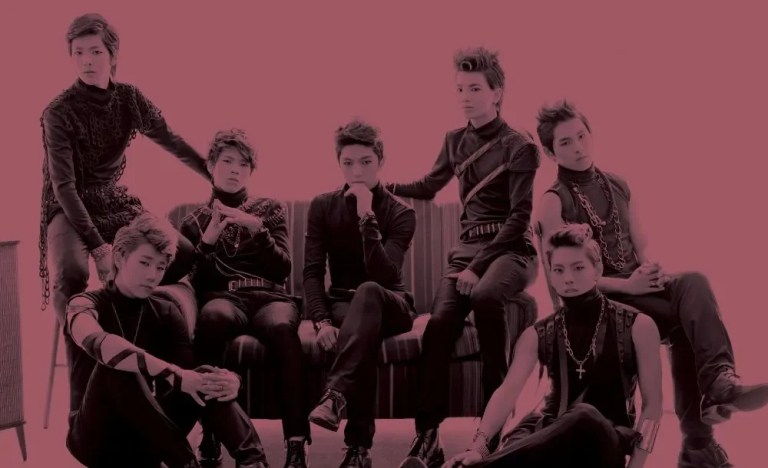

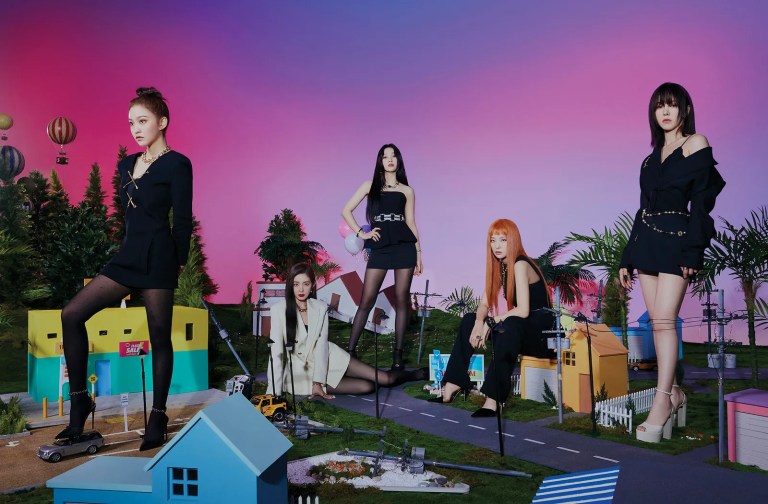


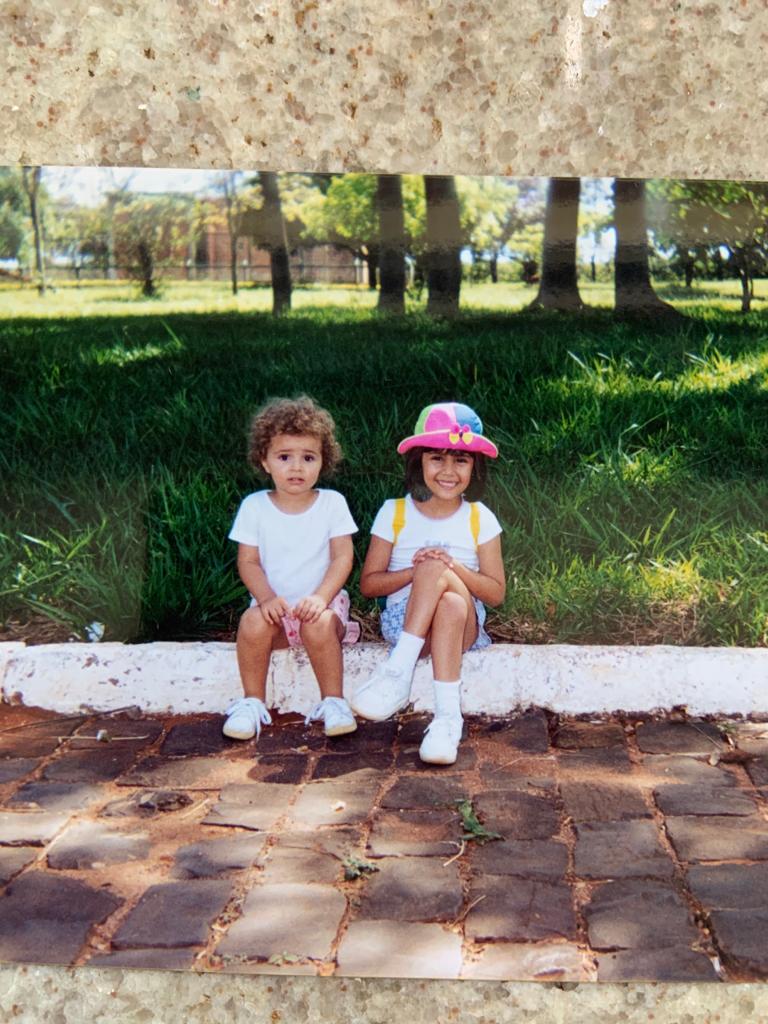



 Corvo Correio | the Raven Post