A Vida de Um Bloqueio Criativo

Um dia antes do meu aniversário de 30 anos, visitei This is Taylor Swift: A Spotify Playlist Experience em Seul, para me despedir da minha juventude. Fui sozinha, encontrei minhas amigas depois, para celebrarmos. Estava usando a pulseira da amizade que ganhei na exposição, e acho que cantamos “You Belong With Me” no karaokê, depois de alguns drinks. No dia seguinte (meu aniversário de fato), acordei em meio a uma terrível crise alérgica. A amiga com quem eu morava na época precisou viajar a trabalho, então passei o dia sozinha, no escuro, abraçada à um rolo de papel higiênico, espirrando sem parar até pegar no sono.

This is Taylor Swift: a Spotify Playlist Experience. Seoul, 1 de Março de 2025.

Depois do meu aniversário, Taylor Swift desapareceu dos meus dias por alguns meses. Não foi de propósito; acho que cansei um pouco da imagem pública dela, mas sempre feliz pela loirinha, sua vida mudando diante dos olhos de todo mundo. A minha também mudava; a trilha sonora dos meus dias juntava vozes novas aos velhos favoritos das minhas piores temporadas, as canções às quais eu recorro quando nada dá certo, o futuro parece um vazio, e a esperança se esconde. Considerando tudo, acho que eu sabia, desde os primeiros teasers, que The Life of a Showgirl não seria a minha praia. De fato, a música não me convenceu, nem me sinto particularmente afeiçoada da narrativa que ela está vendendo. Refletindo sobre esse estranhamento, comecei a pensar nos últimos dois ou três anos da minha vida, na paralisia criativa que se infiltrou pelas rachaduras do meu ofício de escritora, e no meu próprio senso de conexão com a obra e a história da Taylor.


Há quatro anos e meio, eu publiquei um texto chamado Minhas histórias de amor, contadas por Taylor Swift — até hoje, o post mais lido do meu site. Na época, deixei bem claro que não me considerava propriamente uma fã; escrevi o ensaio porque achava engraçado que quase todas as minhas histórias de coração partido tinham, de pano de fundo, alguma canção da Taylor. Talvez fosse apenas a estatística jogando a favor das coincidências entre alguém da minha idade e a maior popstar da minha geração. Ainda assim, o verdadeiro motor daquele texto foi que, enfim, eu tinha me conectado com ela, por causa de “invisible string”. A letra tocava o âmago das minhas aspirações íntimas — a inescapável interligação de todas as coisas e a esperança de redenção pelo amor.

Depois disso, fiquei às margens da comunidade de fãs da loirinha, espiando alguns debates de vez em quando, através das Swifties de longa data que conhecia. Acompanhei de perto quando ela lançou Red (Taylor’s Version), mas foi só em Midnights que me senti completamente capturada pelo espírito do momento. Era meu primeiro semestre estudando na Coreia, e eu estava projetando toda a ansiedade de estar sozinha num país distante em um dos poucos amigos que tinha: um artista alto, bonito, interessado em música brasileira. Inspirada pelo álbum, comecei um diário separado, só para os pensamentos que me mantinham acordada à noite — quase todos sobre minha afeição por ele, me questionando se ele sentia o mesmo. Uma semana depois, ele me disse que estava namorando outra pessoa, e logo em seguida começou a me evitar completamente. Uma enxurrada de emoções, antigas e recentes, despencou sobre mim, e eu ainda não tinha raízes profundas o bastante para não me abalar. Eu precisava de ajuda para lembrar quem eu era; “You’re On Your Own, Kid” estava lá, todas as noites, me ajudando a reencontrar meu foco, na caminhada de quinze minutos entre o laboratório e o dormitório. 

Ela também estava presente meses depois, quando conheci um cara depois de um jogo de futebol. Ele me acompanhou até em casa, todas as minhas luzes se acenderam; liguei para minha melhor amiga ainda nas escadas, para dizer que tinha acabado de conhecer O Cara Certo. Nosso primeiro encontro foi justamente na época em que ela lançou a edição ‘Til the Dawn de Midnights, com a versão expandida da delicada e etérea “Snow on the Beach”, que acrescentou ainda mais encanto à alegria daquele momento. Taylor, por outro lado, tinha acabado seu relacionamento de seis anos no mês anterior. Foi difícil processar a experiência do sentimento que havia instigado minha conexão com a música dela, mas eu estava tão, tão convencida de que tinha finalmente encontrado o fio dourado da minha invisible string. Imediatamente comecei a planejar uma continuação do meu primeiro texto sobre histórias de amor; antes disso, peguei uma das entradas do meu diário de Midnights e transformei em um texto para celebrar o lançamento de Speak Now (Taylor’s Version), saboreando o prazer de compartilhar algo sobre estar feliz e apaixonada.

Terminamos no fim de agosto, e a ironia não me escapou. Estávamos na Europa, e foi repentino, mas não exatamente uma surpresa — na noite anterior, perto da meia-noite, eu escrevi no meu diário sobre o sentimento de querer ir embora. Mesmo assim, foi brutal; a covardia e a crueldade dele me despedaçaram, abrindo ao mesmo tempo todas as minhas feridas mais profundas. Eu estava longe de casa, cercada de estranhos (que depois viraram amigos), todos gentis o suficiente para me ajudar a manter meus pedaços juntos, até eu poder voltar à Coreia. 

Em retrospecto, aquele foi o começo do meu bloqueio criativo.
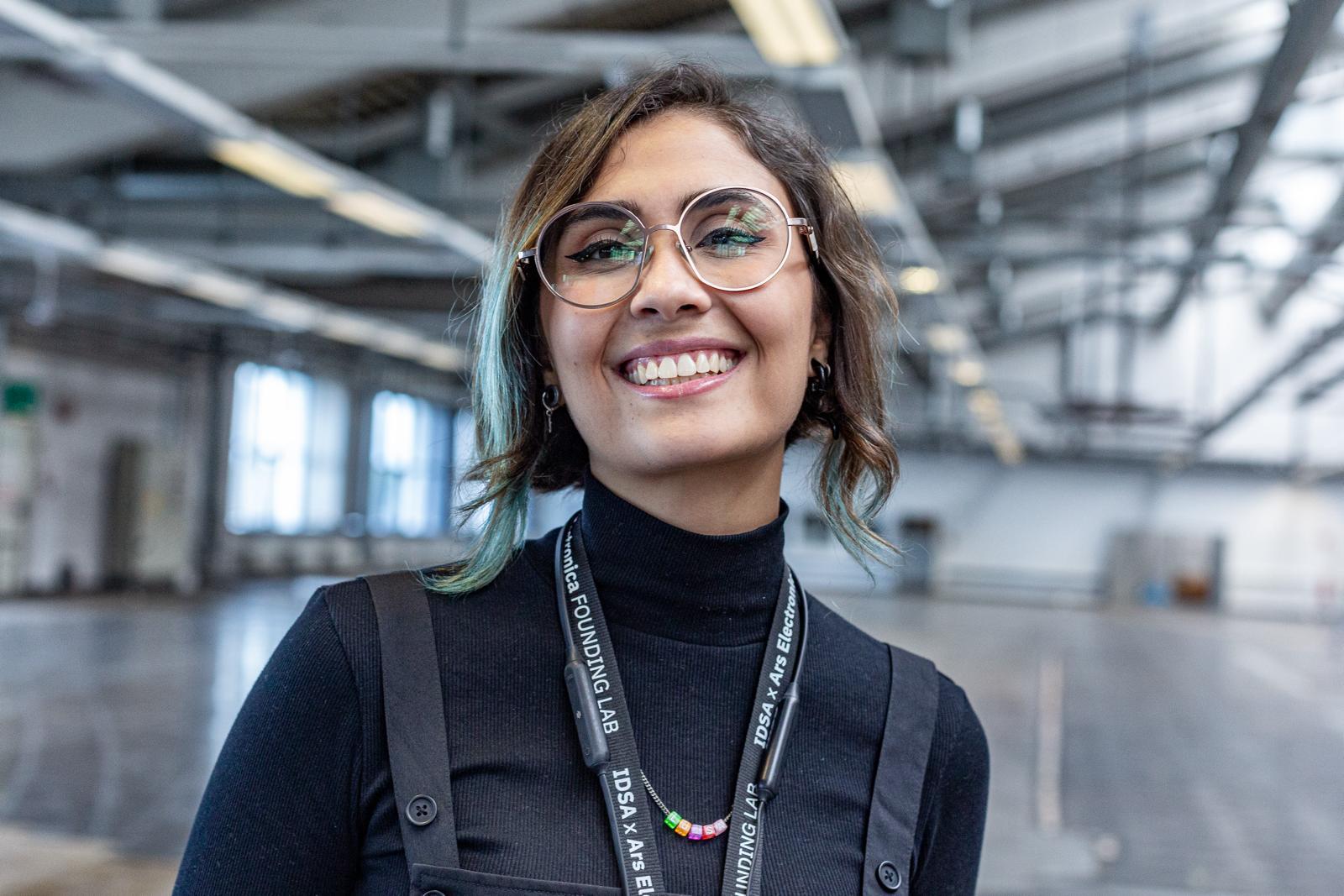
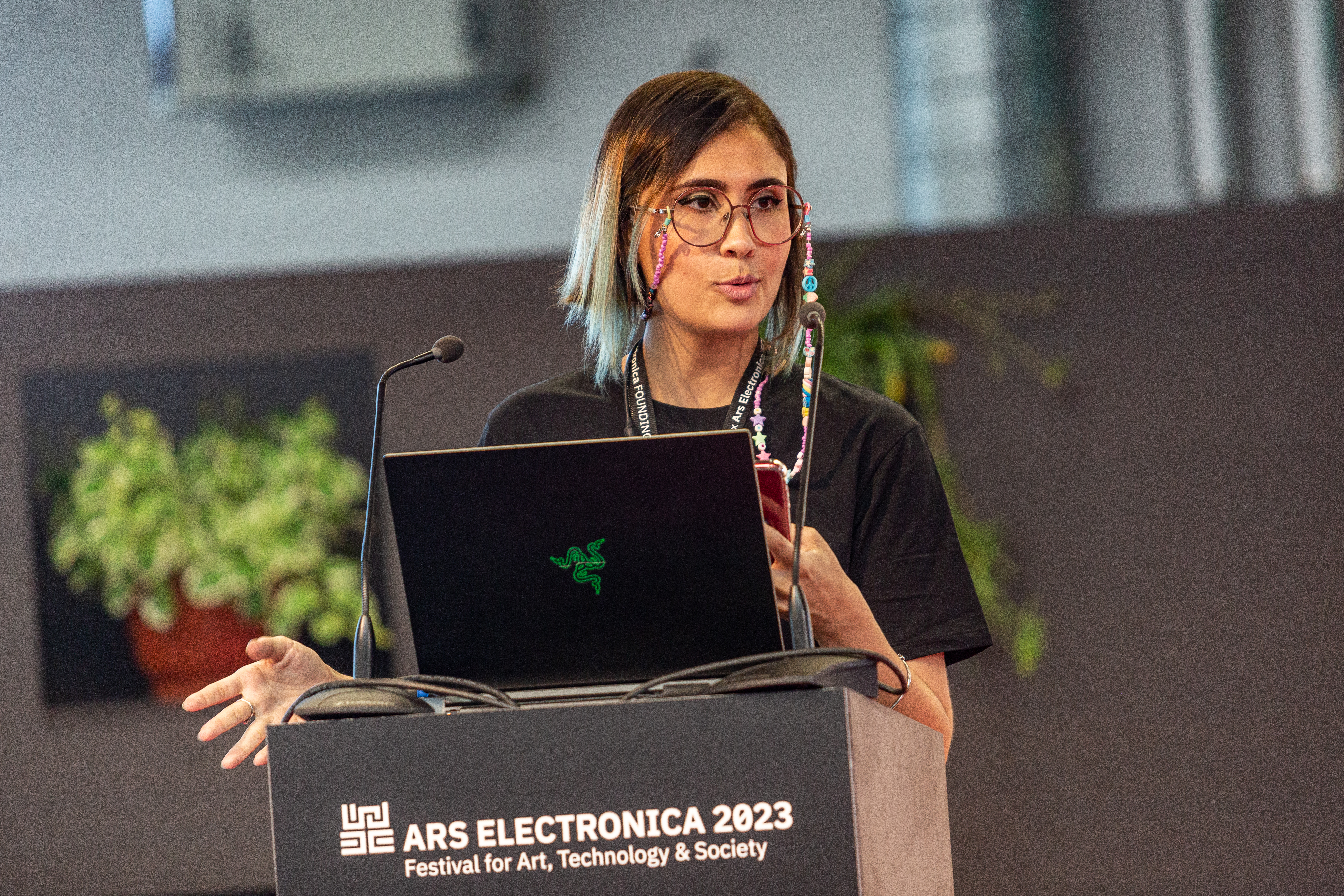
Quando postei algumas dessas fotos pela primeira vez no Instagram, recebi uma DM dizendo que eu parecia muito leve e feliz. Àquela altura, eu estava há 2, quase 3 semanas sem comer ou dormir, chorando a noite toda e sobrevivendo durante o dia pela graça de Deus e dos meus novos amigos. Linz, Setembro de 2023. Fotos por Patrick Münnich.


Começou com uma enxurrada de palavras, como nunca antes: um parágrafo novo a cada poucas horas, entre as muitas outras tarefas que eu tinha para cumprir. Eu estava desesperadamente tentando criar um caminho lógico para fora do turbilhão do nosso término, mas coisas novas surgiam o tempo todo, nossos caminhos continuavam entrelaçados por amigos e compromissos em comum. Apesar de ter sido um relacionamento tão curto, foi devastador, porque ele abriu um buraco no centro da pessoa que eu acreditava ser. Eu me ressentia por ser quem eu era, e escrevia dia e noite para reorganizar a narrativa da minha vida em algo com que eu pudesse verdadeiramente conviver, para seguir adiante. Paralelamente, eu trabalhava na minha dissertação de mestrado, discutindo sentido e produção de significado, todas as leituras atravessaram a minha crise pessoal e despertaram uma ideia. Queria escrever algo grande, meio científico, meio literário, para processar os detalhes de uma temporada tão intensa e, em última instância, justificar as minhas escolhas de vida — primeiro, diante de mim mesma, depois, diante do meu ex. Eu dormia muito pouco, indo e voltando entre a Coreia e a Áustria, colocando todo o meu tempo livre na busca pela linha de pensamento que me levaria até o magnum opus da minha crise dos vinte-e-tantos.

Desde então, publiquei bastante, correndo atrás dessa visão; criei um blog novo, com uma amiga, e um Substack, para manter as ideias fluindo, mas nada correspondeu às minhas expectativas. Primeiro, eu sentia vergonha de tudo o que escrevia, por toda a humilhação emocional que tinha enfrentado. Também passei a desconfiar dos meus próprios sentimentos e da minha capacidade de dar sentido às minhas experiências, depois de ter me enganado tão gravemente a respeito dele. Emaranhada no drama do nosso rompimento, vivi algumas das oportunidades mais empolgantes da minha vida, mas acabava me autocensurando sempre que tentava articular como me sentia naquele período, como se cada pensamento fosse um terrível lembrete da minha sentimentalidade imbecil. Eu até sentia vergonha de ser escritora, a ousadia de me colocar entre artistas de verdade sem ter nada a oferecer além de um relato vagamente sociológico de sentir e pensar demais. Por fim, eu me sentia cada vez mais sobrecarregada pela escala do que queria fazer. Esse tipo de atitude, eu aprendi, é sinal de que se está tentando compensar em excesso.


Aqueles que nunca superaram a síndrome de underground da adolescência não conseguem entender o que há de significativo em se conectar com uma canção tão famosa que se torna inescapável — ainda mais num cenário midiático tão fragmentado. Eu mesma trabalho com música independente, e minha compositora favorita é uma islandesa obscura, com um cult following (à qual sou devota desde os 17 anos). Mas Taylor Swift é como uma língua comum, uma carta que você sempre pode puxar para se conectar com alguém, até nos círculos mais inesperados. Quando ela lançou The Tortured Poets Department, em meio a tantas críticas públicas, eu a defendi o tempo todo. O número esmagador de músicas foi, para mim, uma grande coletânea de modos de processar as frustrações que eu enfrentava naquele período, de coração partido, e cada vez mais perto dos 30 anos. Não estava conseguindo extrair do momento a escrita que queria, mas tinha as palavras de outros para atravessar os dias.

Mais do que tudo, The Tortured Poets Department soava sincero e desnudo. Havia dor e desalento, visíveis e sensíveis, nos motivos musicais e visuais que ela escolheu para representá-los, mas também confissões lúcidas de atitudes repreensíveis da parte dela. Não é fácil criar algo brilhante, que ainda soe fresco ainda que esteja contando a mesma história que tantos outros já contaram antes. Eu sentia como se estivesse de luto com ela: pelo fim de sua história de amor fatídica, pela perda do “e se” que a acompanhou por uma década, os anos passados em Londres, a vida que ela acreditava que teria. Também havia lampejos de esperança — alguns vindos da carreira, outros do novo relacionamento. Não pude deixar de imaginar que tipo de trabalho teria sido se ela já não tivesse encontrado outra pessoa, antes de lançar o álbum. Se teria sido tão fácil escrever e cantar “I’m pissed off you let me give you all that youth for free” em So Long, London sem um novo amor, algo tão promissor, capaz de suportar o peso de tudo aquilo que ela tinha perdido.
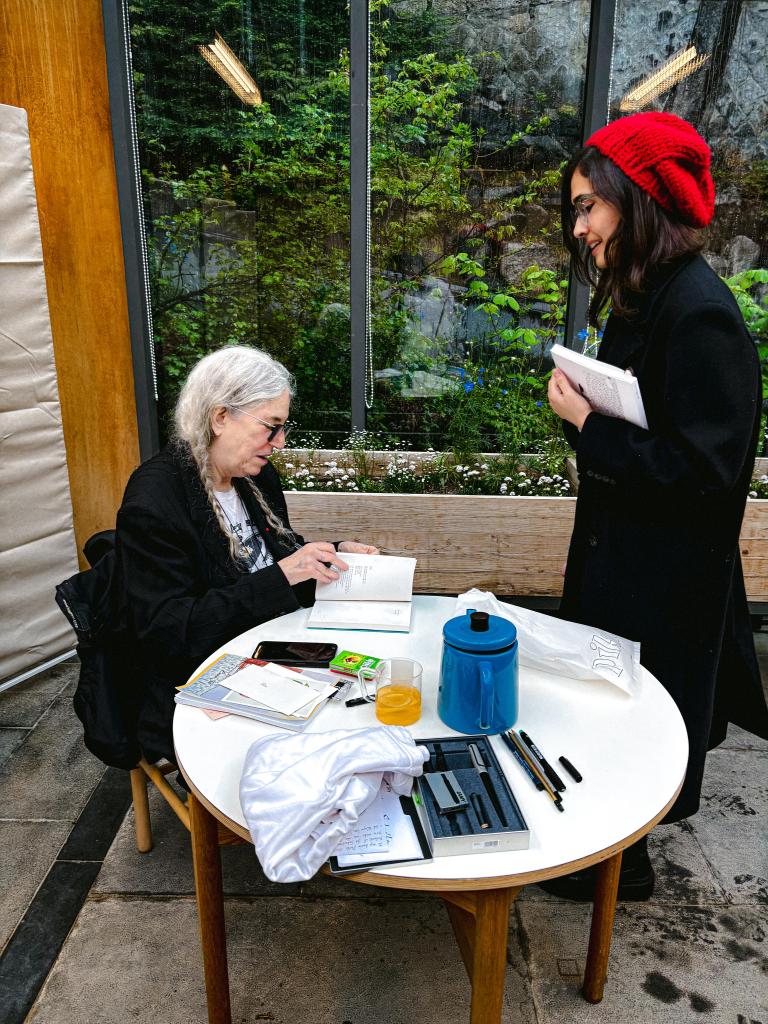
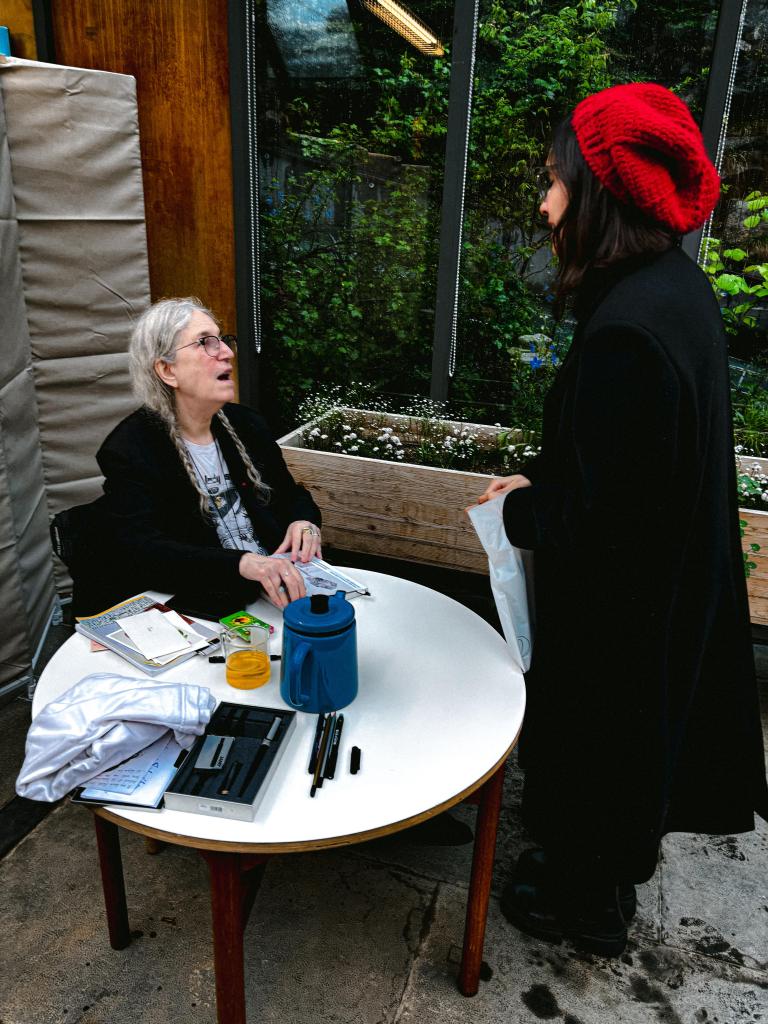
Em vez de postar uma das minhas músicas favoritas de The Tortured Poets Department (a própria title track), vou registrar aqui meu maravilhoso (e inesperado) encontro com a própria Patti Smith. Seoul, 19 de Abril de 2025.


O ponto alto de The Life of a Showgirl é logo a primeira faixa: “The Fate of Ophelia” é simpática e deliciosamente empolgante. Onde a letra sacrifica complexidade emocional em nome da alegoria, a alusão constrói um quadro cativante de redenção — “you saved me from the fate of Ophelia”. Quase como da primeira vez que ouvi “invisible string”, senti um pouco de alívio e esperança — por ela, primeiro, e por mim, em seguida. Há outros momentos interessantes: “Opalite” é divertida e otimista, e “Father Figure” faz muito com raiva e ironia, um clássico instantâneo. A faixa-título, “Life of a Showgirl”, merecia uma resolução mais clara, um pouco menos de clichê (aqui cabe uma menção ao gênio de “Clara Bow”), mas não deixa de ser familiar, o calor da voz de Sabrina Carpenter tornando tudo ainda mais convidativo. O restante soa como uma coleção de rascunhos: ganchos melódicos marcantes desperdiçados em letras duvidosas e frases desajeitadas, as dissonâncias agravadas pelas expectativas que ela cultivou ao longo dos anos. Acima de tudo, não há uma âncora. “Eldest Daughter”, a famosa faixa 5 deste lançamento, foi, francamente, um erro: sem rumo, com letras de mau gosto, uma sátira mal aplicada, a profundidade de um pires. 

Eu ia usar este espaço para compartilhar uma excelente video essay sobre o álbum mas decidi que “The Fate of Ophelia” seria mais divertido.

Conteúdo sobre o álbum, na ocasião do lançamento, foi inevitável no meu lado da internet, as reações partindo do bem decepcionante ao completamente frustrante (isso sem contar as demonstrações irracionais de ódio). O volume de discurso em torno de tudo o que Taylor Swift faz é enlouquecedor, mas esse dilúvio de think pieces é justamente o que ela trabalhou para construir — sua carreira foi erguida numa construção coletiva, ajuntando pessoas através do seu jeito de ser extremamente vulnerável, excessivamente detalhada e infinitamente ambiciosa. Mas, para um álbum que pretendia lançar luz sobre o outro lado da fama, Showgirl soa como mais uma performance (e não de propósito). Não acho que o problema seja que ela não tinha o que dizer, como sugeriram alguns, mas não parece que estava pronta para fazê-lo. Talvez o intervalo entre os lançamentos tenha sido curto demais, talvez estivesse exausta da turnê, com uma capacidade de julgamento comprometida (mesmo para um conceito leve). Posso perdoar minha amiga parassocial Taylor Swift por não saber como falar de uma temporada nova e feliz, mas me reservo o direito de sustentar meus critérios, como fã e escritora que espera algo melhor dela. 

Ainda assim, parte do seu entendimento próprio parece alinhado ao material; em entrevista a Jimmy Fallon, ela disse que esta é uma de suas eras com a maior correspondência entre como ela se sentia no passado, quando escreveu as músicas, e como se sente agora, ao lançá-las. Lembro de como me senti escutando TTPD, e no significado de olhar para tempos turbulentos a partir da promessa de restituição. Faz sentido que ela soe meio dispersa agora, se estava acostumada a lançar álbuns com mais distância emocional da estação que estava tentando capturar. Talvez parte da dissonância teria sido evitada se a campanha promocional tivesse sido menos pretensiosa, mas as estratégias de marketing também parecem equivocadas, como se ela não percebesse que certas coisas mudaram — até mesmo as expectativas de seus fãs mais fiéis. Esse tipo de miopia, eu aprendi, é sinal de que se está tentando compensar em excesso. Na ânsia de reparar os anos de melancolia, ela falhou em acertar o elemento aspiracional de cantar a própria felicidade. Faltou, nas músicas, algo que me faça querer sair por aí e me apaixonar também.

Em 1:18, ela diz “Essa foi, eu acho, a era mais bem alinhada, em termos de onde minha vida estava, quando escrevi, e onde estou agora, quando foi lançado.”


Refletir sobre a falta de clareza em The Life of a Showgirl me fez pensar na minha crise criativa dos últimos anos, e os motivos pelos quais tem sido difícil escrever sobre uma das temporadas mais intensas da minha vida.

A explicação simples é que nada do que eu escrevi nos últimos dois anos realmente correspondeu à minha visão, nem aos padrões que estabeleci para ela. A parte complicada é como essa visão e esses padrões surgiram. Minhas crises criativas não são de encarar uma página em branco; eu sempre posso escrever algo, dezenas de parágrafos, mas que não resultam em algo que eu queira que outros leiam. Para sair disso, precisava decidir se minha escrita não me satisfazia porque eu precisava trabalhar mais, ou porque eu precisava mudar os parâmetros (“um pouco dos dois” não basta). No fundo, permanecia a esperança de redimir uma temporada tão desastrosa da minha vida através da escrita — dar sentido ao meu estado atual, me convencer de que meu caminho ainda era a vida em que eu acreditava, voltar a me orgulhar daquilo que considerava minha vocação. Eu queria provar alguma coisa, para mim e para os outros, mas a realidade do que eu tinha a oferecer estava em conflito com o que eu queria alcançar. Naquela época, eu não acreditava em mim mesma, nem na vida que tinha escolhido viver. Mesmo agora, ainda não acredito.

O aspecto mais persistente dessa crise é minha desilusão com os limites de histórias e narrativas — uma experiência nova para alguém que sempre se deu bem com os horizontes semânticos da linguagem. De repente, eu passei a odiar a sensação de esmiuçar uma fase difícil até transformá-la numa visão mais otimista, ou de recorrer à interconexão de tudo para encontrar bênçãos escondidas. Minha terapeuta costumava propor que eu aproveitasse a liberdade de interpretar as coisas e dobrar a narrativa ao meu gosto. Em vez disso, eu senti raiva, porque nenhuma mudança de perspectiva a respeito das minhas perdas e fracassos dos últimos anos me dá poder sobre o estado geral da minha vida, nem sobre a liberdade dos outros, de que formem opiniões a meu respeito sem a minha autorização. Controle, controle, controle — a cada rascunho novo, aumentava o desejo de retalhação por cada rejeição e perda dos últimos anos.
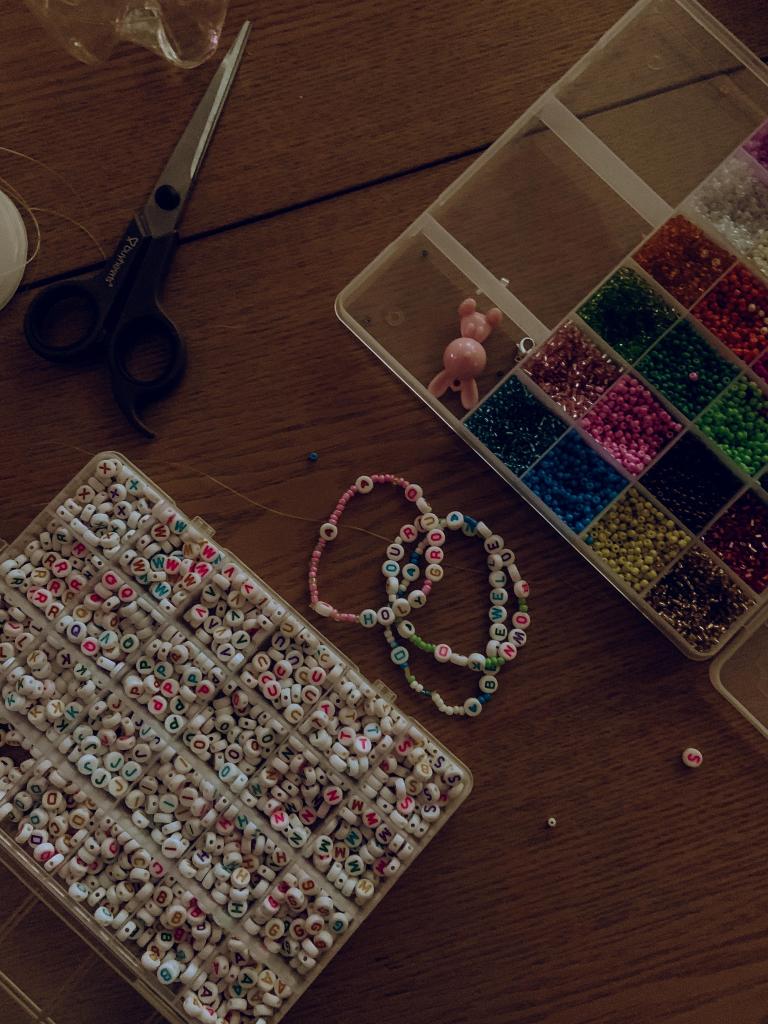
Passei a maior parte de 2023 e 2024 ocupadíssima, mas reservei um tempo para essa festa especial do lançamento de 1989 (Taylor’s Version), organizada pelo clube de fãs de Taylor Swift no KAIST. Algumas das minhas amigas não puderam comparecer, então fiz pulseiras da amizade para elas. Meu look foi inspirado em “Welcome to New York.” Daejeon, Outubro de 2023.

As coisas têm sido melhores nos últimos meses, de formas quase milagrosas — do tipo que poderiam me fazer acreditar de novo que ainda estou seguindo o caminho do fio dourado. Escolhi resistir à vontade de agarrar essa sequência de coisas boas e tecer com elas uma imagem falsa de esperança, uma desculpa para expressar o alívio de me sentir um pouco mais no controle da narrativa. Voltar a estar feliz depois de um tempo miserável é um sentimento estranho, cheio de fissuras que exigem atenção total. Nada do que conquistei diminuiu o peso da minha insuficiência, nem me arrancou da sensação de ser inútil e merecer as acusações que me silenciaram. Continuo perdendo o sono com outras coisas, coisas novas. Aqui, preciso sustentar meus parâmetros: nem meus sentimentos nem minha sinceridade significam nada para os outros se não resultarem em algo de substância, fruto do meu trabalho. Enquanto eu estiver escrevendo para me provar alguma coisa, não vou tocar o centro da questão, e não vai ser bom o bastante. O problema está em outro lugar, e eu preciso continuar procurando.


Dos muitos rascunhos e publicações deste período, algumas coisas chegaram, de fato, bem perto do que eu estava procurando. No Corvo Correio, tudo que publiquei desde Setembro de 2023 foi algum tipo de resposta à minha crise criativa (um paradoxo deveras prolixo). Incluindo “loucura e angústia“, sobre a morte da minha avó — algo que escrevi ao longo de um ano, com traços da autoabsorção da ansiedade e dos lados negativos da interconexão de tudo. Meu favorito de todos é “Reduce, Reuse, Recycle: How to be Disposable,” postado originalmente no sappy sallows, durante uma madrugada de estudos. Para aquele blog, eu também escrevi “at a crossroads,” razoavelmente curto, sobre como minhas lutas profissionais, criativas e emocionais estavam interligadas. Por último, “at-a-distance,” a tentativa mais longa, ampla e ambiciosa até agora, de cruzar teoria e experiência, uma bagunça cheia de potencial (com uma menção inesperada à Taylor Swift).

Antes que a seca atingisse o meu Substack, também consegui fazer por lá algumas coisas das quais me orgulho. Chasing Ideal Types mostrou como minhas perspectivas filosóficas e sociológicas atravessam minhas experiências, e me ajudou a lidar com algumas rejeições. Like a Polaroid capturou diferentes facetas dos motivos pelos quais tenho tido dificuldade para escrever, com mais detalhes e espaço para divagar do que este ensaio atual permite. Em “Nurtured by Ravens,” minha newsletter favorita, compilei trechos de coisas que escrevi sobre meu término, especialmente reflexões sobre a interconexão de tudo, e como ela tanto me abençoou quanto me falhou. Até certo ponto, terminar e publicar esses textos realmente fez com que eu me sentisse mais contente comigo mesma e com o estado da minha vida, ainda que só por um momento.

Eu também experimentei com outros métodos e mídias para expressar minhas ideias e sentimentos. Tanto a Arte quanto as Ciências Sociais me foram úteis neste tempo. Você pode ler mais sobre os projetos nessas imagens aqui.


Minha simpatia sem fim pela Taylor talvez estrague um pouco da minha credibilidade, mas continuo com a impressão de que nós duas estamos trilhando um caminho parecido, ainda que os detalhes das nossas questões sejam completamente diferentes — ela é a maior estrela do mundo, quebrando recordes e se preparando para casar, eu sou a que precisa se preocupar em ter dinheiro para as compras do mês. Mas uma das grandes funções sociais de uma celebridade é se tornar um dispositivo narrativo, um vocabulário público para que pessoas comuns discutam coisas da vida. A mirrorball mais uma vez refletiu minha própria imagem de volta para mim, e eu encontrei algo como resposta. Ao mesmo tempo, por ora, a forma como ela se enxerga no mundo não é a referência que eu quero para mim. Como fã e como escritora, mantenho o meu direito de achar que ela não foi completamente honesta nesse novo lançamento. Mesmo assim, continuo aqui, usando minha pulseira da amizade quase todos os dias, não tanto por ela, mas por todas as outras coisas que ela significa para mim: um lembrete de tudo que fiz para honrar minha juventude, para continuar vivendo com o mesmo coração.

Quanto ao meu bloqueio criativo (ou seja lá como chamar minha crise semântica), acredito que ainda vai demorar até que eu deixe essa temporada no passado. As coisas levarão o tempo que precisam (inclusive este texto, publicado quase duas semanas depois do planejado); eu nunca fui paciente, mas aprendi a ser mais compreensiva. Quanto mais envelheço, mais alguns dos meus problemas parecem ser as perguntas necessárias ao longo do caminho para ser eu mesma. Talvez minhas lutas com sentido e controle nunca desapareçam. Continuo brigando com Deus todos os dias, alimentando a ideia de que talvez eu consiga arrancar alguma soberania de Suas mãos, se me esforçar o bastante. A única esperança para uma controladora é ceder um pouco; se não consigo fazê-lo pela minha paz de espírito, talvez o faça porque preciso alcançar o tipo de honestidade de quem admite a derrota, para lapidar meu ofício e honrar minha vocação. Acreditei que um texto poderia redimir os meus tempos difíceis porque acreditei, acredito, na importância da tarefa de escrever. Mesmo que eu nunca alcance exatamente o magnum opus que imaginei, vou continuar tentando realizar alguma coisa.

Meus agradecimentos à Ashley Chong, minha editora de confiança, e às amigas com as quais eu passei cerca de 200h discutindo esse álbum (e que também tiraram tempo para ler as primeiras versões deste texto): Gésily, Bruna, Gabriela, Rayane, Thaines, Esther, Guilherme, Luiza, e minha irmã Julia.

The Life of a Writer’s Block

I visited This is Taylor Swift: a Spotify Playlist Experience by Spotify in Seoul the day before I turned 30. I went alone, to bid my girlhood goodbye, then I met my friends afterwards, to celebrate properly. I was wearing the friendship bracelet I got at the exhibition, and I’m pretty sure we sang “You Belong With Me” at the karaoke. The day after, my actual birthday, I woke up in a terrible allergic crisis. The friend I was living with at the time left for a business trip, and I spent the day alone in the dark, lying next to a roll of toilet paper, sneezing every 45 seconds until I fell asleep.

This is Taylor Swift: a Spotify Playlist Experience. Seoul, 1 March 2025.

That was the last I had of Taylor Swift for a few months. It wasn’t on purpose; though I did get a bit fed up with her public persona, I was mostly happy for her, her life changing before everyone’s eyes. My life was changing as well, the soundtrack of my days mixing fresh voices and old favourites of my lowest times, the kind of stuff you reach towards when nothing works out, the future looks like a void, and hope feels elusive. In this head space, my hindsight bias tells me we knew that The Life of a Showgirl wouldn’t be our cup of tea since the first teasers. I don’t feel convinced by the music, nor am I particularly attached to the narrative she is pushing. Dwelling on this estrangement made me think about the last 2-3 years of my life, the creative paralysis that crept in through the cracks in my duty as a writer, and my sense of connection with Taylor’s work and story.


Four and a half years ago, I published an essay called “My Love Stories, as told by Taylor Swift” — by far, the most popular piece on my website. I made it clear that I didn’t really consider myself a fan of hers around that time; I wrote the essay because it was funny to me that most of my memories of broken hearts had one of her songs playing in the background. Maybe it was just probabilities boosting the overlaps between a person my age, and the biggest pop star of my generation. Nonetheless, the real driving force behind the essay was that I had finally connected with her story, because of “invisible string.” The lyrics spoke to the heart of my intimate aspirations — the inescapable interconnectedness of everything, and the hope of redemption through love.

After that, I settled at the fringes of her fandom, peeking into their conversations from time to time, through the long-term Swifties in my circles. I followed closely when she released Red (Taylor’s Version), but it wasn’t until Midnights that I felt completely captured by the spirit of her time. It was my first semester studying in Korea, and I projected all of my anxiety about being alone in a distant country onto one of my few friends, a tall, good-looking artist with an interest in Brazilian music. Inspired by the album, I started a separate journal just for the thoughts keeping me up at night — mostly about my crush on him, and whether he felt the same. He told me he was dating someone else a week later, and then started avoiding me altogether. A downpour of emotions, present and past, crashed over me, and I lacked the roots to keep me grounded. I needed help to remember who I was; “You’re On Your Own, Kid” was there for me, to help me bring things into focus every night, on the 15-min walk between my lab and my dorm.

She was also there months later, when I met a guy after a football match. He walked me home, all the sparks were flying, I called my best friend as I walked upstairs, to tell her I had just met The One. Our first date was right when she released the ’Til the Dawn edition of Midnights, with an expanded version of the delicate, dreamy “Snow on the Beach,” which added more whimsy to the joy of that moment. Taylor, on the other hand, ended her six-year relationship the month before. I felt quite conflicted about dwelling on the feeling that sparked my connection to her music, but I was so, so convinced I had found the single thread of gold of my invisible string. I planned to write a sequel to my first essay about love stories, once we had been together for long enough; first, I edited one of my midnight journal entries into a text to celebrate the release of Speak Now (Taylor’s Version), and savour the delight of sharing something about being happy and in love.

We broke up by the end of August, and the irony was not lost on me. We were in Europe, and it was sudden, but not a complete surprise — just the night before, around midnight, I wrote a text about feeling that it was time to go. Still, it was brutal; his cowardice and cruelty tore me apart, cutting open all my core wounds at the same time. I was away from home, surrounded by strangers (who became my friends), all of them graceful enough to help me hold my parts together until I could go back to Korea.

In retrospect, that was the seed of my writer’s block.

When I first shared some of these picture on Instagram, someone told me I looked so “genuinely happy.” At that point, I was running on 2-going-on-3 weeks of no food and no sleep, crying through the night and relying on friends to power through the day. Linz, September 2023 (by Patrick Münnich).


It started with writing the most I had ever had, a new paragraph every couple of hours, in between the other things I had to do. I was desperate to rationalise my way out of the maelstrom of our breakup, and new things were constantly coming up, our paths being entangled by common friends and common business. Though it was such a short relationship, it was devastating, because he blew a hole through the centre of the person I thought I was. I resented myself for being me, and I wrote day and night to reorganise the narrative of my life into something I could truly live with, to move on. On the side, as I worked on my Master’s thesis about meaning and sense-making, all the reading I did pierced through my personal crisis, and it sparked an idea. I wanted to write something big, both scientific and literary, to capture the specifics of such an eventful season and, ultimately, justify my life choices — before myself, first, and before my ex, second. I slept very little, going back and forth between Korea and Austria, all of my free time going into looking for the right thought process towards the magnum opus of my quarter life crisis.

I have published a lot since then, chasing my vision; I created a new blog, with my friend, and a Substack, to keep the thoughts flowing, but nothing lived up to my expectations. First, I was embarrassed of everything I wrote, because of all the emotional shaming I endured. I also distrusted my own feelings, and my ability to attach meaning to my experiences, after being so gravely wrong about him. Enmeshed with the drama of our breakup, I experienced some of the most exciting opportunities of my life, but I self-censored whenever I tried to articulate how I felt about that season, as if every thought I produced was an abhorrent reminder of my dumb sentimentality. I was ashamed of being a writer altogether, called out on the audacity of standing in the midst of real artists with nothing to offer but a vaguely sociological account of feeling and thinking too much. Finally, I felt burdened by the scale of what I wanted to do; such a thing, I have learned, is a sign that one might be trying to overcompensate.


Those who never got over their teenage repulse to anything mainstream cannot understand what is meaningful about connecting with a song that is inescapable, more so in such a fragmented media landscape. I work with independent music, my favourite songwriter is an obscure Icelandic woman with a cult following (to which I have been devoted since I was 17). But Taylor Swift is like a common language, a card you can always pull to make a connection, even in the most unexpected circles. When she released The Tortured Poets Department to much public criticism, I was on her side for the most of it. The overwhelming volume of songs was a handy collection of ways to process the frustrations I was dealing with at the time, as I approached my 30th birthday. I couldn’t put together the writing that I wanted, but I had other people’s words to help me through it.

More than anything, The Tortured Poets Department was unmasked. There were pain and dismay, vividly coming through the musical and visual motifs she chose to portray them, but also lucid confessions of reprehensible attitudes on her end. A lot of work goes into crafting something brilliant, that still sounds fresh, even if it’s telling the same story that countless others have told before. I felt like I was grieving with her, the end of her fateful love story, the loss of the decade-long “what-if” in the back of her mind, the years she had spent in London, the life she thought she was going to have. There were also moments of hope — some from her career and work, some from her new relationship. I have sometimes wondered what kind of work it would have been if she hadn’t already found someone else, by the time she released it. If it would have been as easy to write and sing “I’m pissed off you let me give you all that youth for free” in “So Long, London” if there was no promising new lover bearing the weight of all that she had lost.

Instead of posting my favourite song from The Tortured Poets Department (the title track itself), I will record here my wonderful, unexpected encounter with Patti Smith earlier this year. Seoul, 19 April 2025.


The highlight of The Life of a Showgirl is the very first song: “The Fate of Ophelia” is likeable and deliciously uplifting. Where the lyrics sacrifice emotional complexity for the sake of the allegory, the allusion paints a touching picture of redemption — “you saved me from the fate of Ophelia.”  Like the first time I heard “invisible string,” I felt relieved and hopeful — for her, first, and for myself, second. There are other good moments: “Opalite” is bright and optimistic, and “Father Figure” accomplishes a lot through her rage, an instant classic. The title track, “Life of a Showgirl,” could use a stronger resolution and a bit less cliché (here goes a nod to “Clara Bow”) but it is familiar and inviting, Sabrina Carpenter’s voice making it all the more heart-warming. The rest sounds like a collection of drafts, striking melodic hooks wasted on questionable lyrics with clumsy phrasing, the dissonances aggravated by the expectations she has nurtured over the years. Above all, the whole lacked an anchor. “Eldest Daughter,” the famed track 5 of this release, was, quite frankly, a mistake: no sense of direction, distasteful lyrics with misused satire, the overall depth of a saucer.

I was going to use this space to share a great video essay about the album but then I realised just sharing “The Fate of Ophelia” would be more fun.

Public response to the album has been unavoidable on my side of the internet, ranging from very underwhelmed to utterly disappointed (if we leave out the displays of passionate hate). The volume of discourse surrounding everything Taylor Swift does is maddening, but this deluge of think-pieces is what she worked for — her career was built on bringing everyone onboard her extremely vulnerable, overly detailed, highly ambitious brand of stardom. But, for an album meant to shed light on the other side of her fame, Showgirl sounds like yet another performance (and not on purpose). I don’t think the issue is that she had nothing to say, as some have suggested, but it doesn’t feel like she was ready to do so. Perhaps the time between releases was too short, she was burnt out from the touring, with a clouded judgement (ever for a light-hearted concept). I can excuse my parasocial friend Taylor Swift for being unsure of where she stands during a happy season, but I draw the line as a fan and fellow writer who expects better.

Still, some of her self-awareness seems to align with the material; speaking to Jimmy Fallon, she said this is one of her most well-matched eras, considering where she was when she wrote the songs, and where she is now, upon releasing them. I think back to how I felt about TTPD, and the meaning of her looking back at turbulent times from within the promise of restitution. It makes sense that she sounds all over the place now, if she was used to releasing albums with more emotional distance from the season she was trying to capture. Maybe some of the dissonance would have been avoided if the promo campaign had been less pretentious, but her marketing strategies also seem misguided, as if she can’t tell certain things have changed — even the expectations of her faithful fanbase. Such short-sightedness, I have learned, is a sign that one might be trying to overcompensate; her eagerness to atone for the years of melancholia might have missed the aspirational component of singing about her present happiness. There isn’t much in the music that makes me want to go outside and fall in love as well.

At 1:18, she says “This has just been, like, I think the most well-matched era, in terms of where my life was, when I wrote it, and then where I am now, when it’s out in the world.”


Sifting through the lack of clarity in The Life of a Showgirl made me think of my own writing of the last few years, and the reasons why I have struggled to talk about one of the most eventful seasons of my life.

The simple explanation is that nothing I have written in the last two years or so has truly satisfied my vision, and the standards I set for it. The complicated part is how the vision and the standards came to be. My brand of creative crisis isn’t me staring at a blank page; I could still write paragraphs by the dozens, but they rarely amounted to anything I wanted to let others read. To hope to get out, I had to decide whether my writing was falling short because I needed to work harder, or because I needed to move the benchmark (“a little bit of both” is not enough). Underlying all of it, the hope I entertained, of redeeming such a disastrous season through writing — to make sense of my current state, to convince myself that my path was still the life I believed in, to feel once again proud of what I considered to be my calling. I was eager to prove something, to myself and to others, but the reality of what I had to offer was at odds with what I wanted to accomplish. Back then, I didn’t really believe in myself at all, or in the life I had chosen to live. Right now, I still don’t.

The most enduring aspect has been my disillusionment with the limits of storytelling — an unfamiliar experience, as someone who had always appreciated the semantic horizons of language. I started to hate the feeling of rationalising a difficult season into a more optimistic outlook, or appealing to the interconnectedness of everything to count my blessings. My therapist used to propose that I should relish the freedom to interpret things and bend the narrative to my liking. Instead, I have been angry, because no amount of reframing my losses and failures will grant me power over the overall state of my life, and other people’s freedom to nurture opinions about me that I have not sanctioned. Control, control, control, each new draft increasing my desire of owning up to every failure, rejection and loss of the last few years.

I was busy all the time for the most of 2023 and 2024, but I made the time to attend this special listening party for 1989 (Taylor’s Version), organised by the Taylor Swift club at KAIST. Some of my friends couldn’t come, so I made them all friendship bracelets. My outfit was inspired by “Welcome to New York.” Daejeon, October 2023.

Things have been much better for a couple of months now, in miraculous ways — the kind of thing that could have made me believe once again that I am still tied to the invisible string. I have resisted the urge to grab the streak of good outcomes and weave them into a fake picture of hope, an excuse to express the relief of feeling a bit more in control of the narrative. To feel happy again, after being miserable for a long time, is an unsettling feeling, full of cracks to be watched closely. Nothing I have accomplished has lessened the burden of my insufficiency, or snapped me out of feeling worthless and rightfully shamed into silence. I am still losing sleep over other things, new things. Here, I must uphold my standards: neither my feelings nor my openness mean anything to others unless they achieve something, as a result of my craft. As long as I am writing to convince myself of something, I am not accessing the heart of the matter, and it won’t be good enough. The issue lies somewhere else, and I must keep looking.


Amongst the many drafts and actual publications of this period, a few things did get quite close to the writing I was looking for. On the Raven Post, every single piece posted since September 2023 has been some sort of response to my creative crisis (a paradox, and a very wordy one, if we are being honest). That includes “madness and sorrow“, about my grandma’s death — something I wrote over the course of a year, weaving in traces of the self-absorbedness of anxiety, and the negative sides of the interconnectedness of everything. My absolute favourite one is “Reduce, Reuse, Recycle: How to be Disposable,” originally posted on the sappy sallows. Also for that blog, I wrote “at a crossroads,” a (rather) short account of how my emotional, creative and professional struggles intertwined. Lastly, “at-a-distance,” the longest, broadest and most ambitious attempt I have made so far, of combining theory and experience, messy but full of potential (also, ironically, contains an unexpected mention of Taylor Swift).

Before the drought caught onto my Substack, I did put together a few things of which I am proud. “Chasing Ideal Types” showed how my philosophical and sociological perspectives cut through my experiences, and helped me process a few rejections. “Like a Polaroid” captured different facets of the reasons why I have been struggling to write, with more details and room to wander than this present essay allows. In “Nurtured by Ravens,” my favourite one, I compiled excerpts from things I wrote about my breakup — specifically musings on the interconnectedness of everything, and how it had both blessed me and failed me. To a certain extent, finishing and publishing each of them did make me feel more content with myself and the state of my life, even if for a very short amount of time.

I also experimented with other ways of expressing my ideas, and both Art and the Social Sciences served me a bit during this time. You can read more about the projects in these images here.


My endless sympathy for Taylor Swift might pierce a hole through my credibility, but I am still under the impression that the two of us are walking a similar journey, even though the specifics of our problems are completely different — she is the biggest star in the world, smashing records and preparing to get married, I am the one who has to worry about affording groceries every month. But celebrities are at their best when, to any extent, they serve as a plot device to help common people make sense of their lives. The mirrorball has once again reflected myself back to me, and I was happy to respond. At the same time, for now, the way she sees herself in the world is not the reference I want to entertain. As a fan and fellow writer, I retain the right to think she failed to be completely honest with this new release. I still wear my friendship bracelet everywhere I go, not so much for her, but for the world of other things that it means to me: a reminder of everything I did to honour my girlhood, and to keep living with the same heart.

As for my writer’s block (or whatever we may call my semantic crisis), I believe it will be a while before I put this season behind me. Things will take their time anyway (including this essay, published almost two weeks later than planned); I have never been patient, but I learned to be understanding. The older I get, some of my problems seem to be the necessary questions of being myself. Maybe my struggles with meaning and control won’t ever go away. I am still wrestling with God every day, cradling the thought that I might eventually snatch some sovereignty from His hands, if I try really hard. The only hope for a control freak is to relent a bit; if I cannot do it for my peace of mind, I may do it because I need the type of honesty required to admit defeat, in order to hone my craft, and honour my calling. I believed an essay could redeem the hard times because I believed in the significance of the task of writing. Even if I never accomplish the exact magnum opus I envisioned, I will keep trying to accomplish something.

Many thanks to Ashley Chong, my trusted editor, and to my friends with whom I spent almost 200h going back and forth about this album (and who also took the time to read through the early drafts): Gésily, Bruna, Gabriela, Rayane, Esther, Luiza, and my sister Julia.

mikrokosmos // daydream (2019)

Written in June 2019, published with minor edits. Inspired by the song Mikrokosmos.

I had a dream yesterday, I was climbing up the stairs of a lighthouse. It was dark, but it wasn’t cold. I couldn’t tell at first if it was real, or just a delusion, but, still, I went all the way, up until that point where it was just the wind against my face. My eyes could see the open sea, reflecting the darkness of the star-studded night skies, waves crashing over and over the infiniteness of secrets. I turned my back on the moon, and the stars, and the lights of the lighthouse, to face my lifetime fear of the unknown, and to face you, there all along. I wish I had taken a photograph; a single frame of you, leaning over the railings, turning around to watch me, watching you and the sea. I know that night pictures can seldom capture the magic of the moment we seek to freeze, but your ghostly shape against a pitch-black scenario would be enough to tell this story.

We have always been so cheesy, waking up before the sunrise, staying up after midnight, to tell each other myths about the constellations. Before I met you, I used to reserve these moments for me, because, in real life, they are never as beautiful as in the movies. The first time I ever asked someone to come watch the sunset, I was bored by their boredness; but you asked me to count the colours of the clouds. I was confused, I could swear I would have told that myself, but you said it first. For a minute there, I thought you were just a fiction of me, outside my body. “Maybe this is the daydream”, I guessed, but maybe we just watched the same movies growing up. Life can be that funny, too, I just didn’t know it, back then.

I can’t remember every sunrise and sunset, but, everytime I look at you, it feels like I do. I suppose that’s the reason any simple picture could tell this story so well; you’ve always been there, whatever the situation, whether in the background, or taking over the whole frame. I know we don’t tell our feelings very often these days, because we’re old enough to remember all the stuff that’s been said before, but I still talk about you every day, in my mind. And, every time we come together, for a meal, or business, or just an unimportant conversation, I go back to the sunrises, and sunsets, because we’re still the same kids, but we’ve grown up a little and now we do overtime almost everyday, past 8 pm.

I daydreamed yesterday, but I didn’t realise it was just a fragment of my imagination until the night skies and the sea melted into the colours of walls, desks, and curtains. Remember how I could see the world in allegories? I still do, I just don’t talk about it anymore. I see so many realities coexisting at the same time, and sometimes I can’t even tell which one is real, and which one is just a picture in my head. Right now, I swear I can see through these brick walls, to watch the big dark sea from the top of the lighthouse, as if I could turn my back at any given time just to see how it lights the whole room, from an alternative dimension. 

Even though this town is too bright for us to see the stars, last night we agreed to watch the night skies. We met later than expected, in your own office, because it’s five floors closer to Heaven than mine. I had my bag, so that I could go straight home, but you would still have work to do, and we both know it isn’t fair, but we both do it, anyway. You pulled the curtains apart, and sat on the floor to wait—in this reality, there are no railings to see the sea, just big glass windows facing the streets. I could still take a picture, though, when you turned your head to face me, because this one tells the story, too; just a frame of your profile against those city lights, that shine much brighter than the distant stars, and piss you off enough to rant about it all night long. Remember when we used to daydream about flying in outer space, touching celestial bodies as if they were just hanging from the ceiling, a palpable reflection of Holy light? I could draw a picture of that in my head as well.

I know you’ve been too busy every day of every month of every past year since we grew up, so little did you know that I’d been watching the night skies every day on my own, since we got too old to stop to see the sunset. I’m sorry if I never called you to come, but I know that you hate how the next-door building blocks so much of our view. We lean closer to the glass, to catch a glimpse of the upper Heavens, but I spy something with my little eye. Have I told you that I still see the world in allegories? I just don’t talk about it anymore.

If you can, imagine with me that every light on across the city is like a twinkling star, like the street lights that look like constellations, when you watch the world from an airplane at night. Remember when we first stepped into each other’s worlds, the moment we crossed the point of no return? Everyday we worked hard to grow up decent, and dreaming, and I just knew you could shine so bright, even with my eyes closed. And we mean so much to each other, but there’s always a bigger world to realise, there’s always a much bigger picture that we can draw, if we zoom out just a little bit and get caught in the hundreds and thousands and millions of billions of small galaxies that we see everyday, even though we might never see them up close.

There are stars that shine bright behind every window that we see now. Sometimes, I daydream about flying in their outer space, touching their bright golden faces, seeing how they reflect Holy light, and they captivate me so deeply that I don’t even want to come down. So many windows I’ll never get to open, so many lighthouses I’ll never get to climb, but, still, I can’t help but wonder what colour their walls are painted, and how tall or short I’d look next to their railings. If they do overtime, or if they bring their work home. If they’re happy or sad, if they’re dying of hunger, or loneliness, and if I could ever do something to help. If they ever look outside their window, and wonder if someone, somewhere, is wondering too. 

Sometimes I’m amazed by how big this world is, and sometimes I’m just scared, because I’m so small. But, if you could just hold my hand now, I’d remember that, out of all the allegories in my head, this is real, we are alive, somewhere, being someone, walking down a path carved out just for us. We are one each, in 7 billion ones, but we are here, and we share this planet, and we call it home. I hope you can see right now how beautiful this is, too, but nowhere near as beautiful as you. I love our little lighthouse, but I also love this office floor, and every other place we can meet up to talk about the skies or the sunrise— even if it’s just in my head. Everytime I sat down to watch the constellations of city lights, I realised we were never watching the stars, we were watching each other. And maybe that’s the reason why this night looks so beautiful—not because of the pitch-black skies we see lurking behind the buildings, but because of you, and me, and all the people we can daydream about, even if we never ever meet.

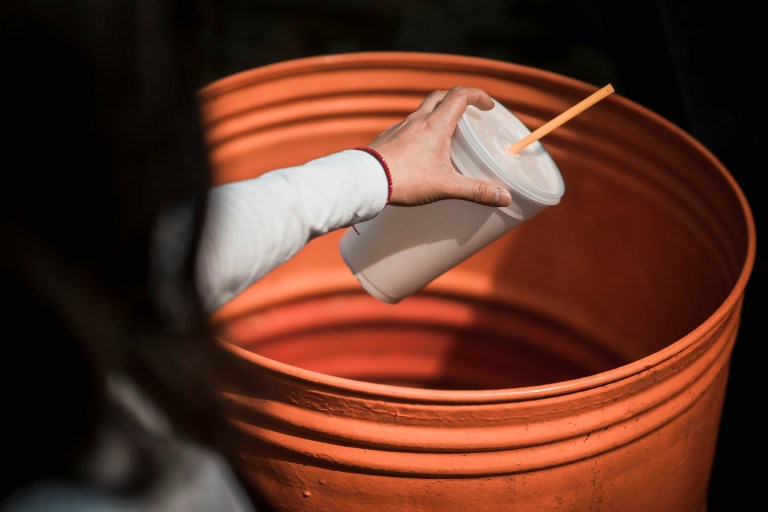
Photo by Thong Vo on Unsplash

useless mess (sappy sallows)

Originally published on sappy sallows (12 Dec 2023).

My friend Cyan and I met as we both experienced a personal loss. We decided to get together to produce some work that would help us find some sense of purpose in the haze of feeling like a loser. Not an autobiographical account of what happened to us as we tried to figure out what we wanted to do, but a self-analysis, in the best style of reflexive social scientists, to account for all the ways that what happened to us affected our ideas about the world and our place in it (as much as our self-awareness allowed).

I am not a Sociologist by degree but I care about the idea of being able to tell others I am a Social Scientist by my post-degree. I care about calling things by their name, giving them a title, in a way that makes them categorisable. Once, during an ice-breaking game, I was asked to describe myself as a machine. I said I was a BERT model; at the heart, I’m nothing but a classifier. Just a fuzzy identity, trying to assert my footing by telling others what to expect from me, and expecting others to tell me what to expect from them, with little ambiguity, with as little anxiety of uncertainty as possible.


My friend Cyan and I now have a new collaborator in our project and his work is about accepting our uselessness. I hate the thought of it, so maybe I should sit with this discomfort for a bit. Here I am, losing sleep and hurting my body with horrible habits just so that I can do the work of three semesters in one, just because I want to overcompensate for what I lost, just because I want to prove to myself that I am not a loser. I am losing a lot of things in order to prove to myself and to others that I am not a loser, even though I did lose something.

How useless will that be, in a year or two? Maybe one day I will rationalise my way into thinking that this has been an amazingly useful season. I can feel the seeds of that thought popping and spreading all throughout my insides, branching out into my limbs and getting ready to come out through my holes. The leaves, the flower, the fruit, I will cry them out and sweat them out and voice them out and puke them out for as long as they keep growing. Anything can be useful if you think very small, if you only think about yourself and a small handful of others. But life isn’t small.


My new friend Sunghoon is interested in how the experience of nature can help us recover the realisation of our own insignificance, in a comforting way. I have fallen out of touch with both the comfort and the anxiety of most natural things around me, outside the boundaries of the metaphors that I use to order this gelatinous space of flows, but I can still relate to the sky when I look up at night, not as a mind, but as a body. My skin shivers and my nerves buzz like a swarm of bees, like a swarm of drones, the more and the harder I try to picture how big the celestial bodies are, and how far away from me they are.

I am dust, with no use except to be cast out, to be thrown away. I am working hard for things that will never matter in the grand scheme of things. And, yet, I exist. And I am aware of that. And my body and mind are seeking control, in this uncertain world, to find some peace, to manage to survive through the hell of being too small to do anything. Addicted to making meanings out of things because I bear the burden of existing, and I wonder why, and I wonder how, and I wonder what, and for how long, and wishful thinking is the best I can do, when all hope is gone. How strange it is, to be anything at all.

Photo by Nathan Anderson on Unsplash

loucura e angústia

…”Não sou louca; sinto perfeitamente as variadas torturas de cada uma das desgraças.”
Constança em Vida e Morte do Rei João, Ato III, Cena 4

Minha avó paterna faleceu ano passado, no primeiro de julho. Mãe do meu pai, minha última avó. Levou embora consigo a pouca energia que eu tinha sobrando, para dar conta do resto de 2024. Nos vimos pela última vez dois anos antes, quando nos despedimos, antes da minha vinda para a Coreia. Tiramos uma foto juntas, da qual eu gostei muito na época, mas da qual não gosto muito hoje em dia. Mas eu a estava abraçando, e é uma das nossas fotos mais afetuosas. Gravei um vídeo dela parada no portão de casa, fazendo corações com os dedos e acenando, enquanto eu ia embora.

Fiz uma chamada com meu pai no fim de semana seguinte. Ele me contou sobre as três semanas que ela passou internada. Era uma segunda-feira, minha tia ligou no meio da noite, e ele foi correndo até a casa delas, porque vovó estava passando mal. Fizera isso várias vezes; ela tinha crises de falta de ar com frequência, às vezes por causa da asma, às vezes por causa da ansiedade. Mas foi diferente, dessa vez. Papai disse que sabia que ela não iria voltar dessa, quando a viu caída no chão, enquanto os bombeiros tentavam reanimá-la.

O último encontro deles foi no domingo, um dia antes. Depois que eu e minha irmã nos mudamos, cuidar da vovó deu forma aos fins de semana dos meus pais. Papai foi sozinho daquela vez; ela estava na cozinha, como de costume, cozinhando algo delicioso (como de costume). Eles conversaram sobre um monte de coisinhas, ele comeu um pouco do que ela estava preparando. Ela disse que seus suplementos estavam quase no fim, então ele prometeu que compraria uma caixa nova ao longo da semana. No caminho de casa, ele passou por uma farmácia, e decidiu parar e comprar os suplementos, porque ele queria que ela soubesse que ele cumpriria a promessa; ele queria que ela soubesse que ele se importava. Sem que ninguém desconfiasse, aquela foi sua despedida: um pequeno gesto de cuidado.

Eu e vovó conversávamos por mensagem quase todos os dias. Nossa última interação também foi naquele domingo, um dia antes do dia em que ela passou mal. Era meia-noite na Coreia, meio-dia no Brasil. Eu estava exausta e fui dormir às 8, acordei lá pelas 11.45, e decidi ir para uma caminhada noturna. Minha cabeça estava cheia de coisas que eu precisava resolver. Eu queria me resolver com alguém, mas aquela pessoa já estava dormindo. Mandei uma mensagem para outra amiga e, no meio disso, respondi a mensagem de “bom dia” da minha avó. Ela não conseguia digitar muito bem, então mandava áudios e dúzias e dúzias de stickers, e eu sempre a respondia da mesma forma. Naquela noite, eu enviei apenas um, em resposta, porque eu estava muito angustiada. Acabei caminhando ao encontro da minha amiga, chorei muito sobre algo que estava me incomodando, e ela dormiu na minha casa, porque eu não conseguia parar de chorar.

Muitos cenários alternativos passam pela minha cabeça, quando penso sobre aquela noite. Fico imaginando o que poderia ter sido diferente. Talvez eu e vovó teríamos conversado mais, se eu não estivesse tão distraída com as coisas que queria resolver. Mas talvez eu sequer teria respondido sua mensagem antes que fosse tarde demais, se não tivesse decidido sair para aquela caminhada. E se aquela pessoa não estivesse dormindo, ou se minha amiga não estivesse acordada. Se eu não estivesse tão cansada, por causa dos amigos que estavam me visitando, naquele fim de semana. Se eu não tivesse ido para a Áustria, onde conheci aqueles amigos. Se eu não tivesse conhecido a pessoa que me contou sobre aquele projeto na Áustria, se eu tivesse ficado em casa naquela quinta-feira à noite em 2023. Se eu tivesse passado na entrevista daquela bolsa de estudos em 2022, e tivesse entrado em outro programa de mestrado, em vez do programa para o qual me apliquei um mês depois. Se eu não tivesse removido um dente siso alguns dias antes da entrevista na qual não passei. Se eu sequer tivesse pensado que estudar na Coreia era uma boa ideia.

Eu sou uma pessoa que pensa demais e não tenho condições de sustentar muitos arrependimentos. Minha solução é sempre fazer todas as coisas que eu sinto que devo fazer, vivendo nos limites da minha consciência em todos os momentos. Eu confio na minha habilidade de bancar tudo o que eu falo; algumas pessoas dizem que nem tudo que fazemos demanda 100% de nós, mas eu discordo. Sou extremamente ciente de como as pequenas coisas que acontecem, as pequenas escolhas que fazemos, se recombinam e se tornam processos e eventos muito maiores. Pode ser o vício dos escritores, a obsessão de encontrar conexões e costurar reações em cadeia, ou traços da minha imaginação sociológica, perdida tentando prever o futuro. Em ambos os casos, estou sempre tentando discernir uma narrativa. E este é um hábito perigoso, a origem de vários vieses cognitivos, a razão pela qual eu não consigo viver sem terapia, mas também é a razão pela qual eu sei que o único sticker que enviei para minha avó, naquela noite, veio do fundo do meu coração. Sempre vem.


Tem um texto que vem ocupando meus pensamentos por alguns meses. Eu não o escrevi ainda, mas tenho tentado há algum tempo. É sobre como eu me sinto sobre a vida. É um tema ridiculamente amplo, a razão pela qual ainda não o escrevi. É assustador porque é algo que quero escrever para me justificar diante do mundo. Não consigo decidir por onde começar porque, em momentos diferentes nos quais pensei em escrevê-lo, senti que precisava justificar partes diferentes de mim mesma (diante de mim mesma, primeiro, depois dos outros). Ao mesmo tempo, eu sempre concluo que existe algo em comum conectando essas dificuldades específicas, e é por isso que ainda penso que existe Um Texto que precisa ser escrito sobre essas coisas. Um dia, em breve, com sorte.


Eu me considero sortuda sempre que sou lembrada que viver é tanto um privilégio quanto um fardo, e que nossa falta de controle é a regra, não a exceção. A morte de uma pessoa querida nos coloca especialmente de frente com essas questões, mas existem outras pequenas mortes pelo caminho. Minha obsessão com narrativas é confrontada pelo quanto a vida pode ser anticlimática. Jovens talentosos morrem em acidentes preveníveis, idosos envelhecem pobres e sozinhos depois de uma vida de amor, serviço e trabalho duro. Tantos esforços sem recompensa, sem reconhecimento, tanto amor desperdiçado. Não tem como explicar e entender todas as pontas soltas na tapeçaria da existência. Talvez por isso eu nunca tenha detestado histórias tanto quanto agora; não existe uma forma de mudar de ponto de vista que faça com que minha situação atual faça sentido.

Mas eu orei por uma vida assim. Há alguns anos, quando dediquei minha juventude à obra do Senhor, pedi que Ele me levasse ou me deixasse onde quer que Ele quisesse, de acordo com Seus planos. Isso significa que meus próprios planos eram secundários, diante do que Ele quisesse que eu fizesse primeiro. Foi um convite a atrasos, desvios e outras inconveniências, no fluxograma de vida que eu havia imaginado para mim mesma. É uma oração que impressiona pessoas, prova do quão entregue eu estou ao Reino de Deus! É menos impressionante quando as coisas começam a acontecer, e você descobre que tem muito menos fé do que você precisa para sobreviver a várias estações vivendo a vida que você não queria viver. Meus sonhos e desejos não estão totalmente direcionados à Eternidade, não tanto quanto eu achava.

Mas nem todos os dias têm gosto de derrota. Estou convencida de que eu experimento com mais frequência que outros, a sensação de que as coisas aconteceram exatamente como deveriam—não uma manipulação de fatos, para sentir que ganhei quando perdi o que eu queria, mas a real experiência da janela do tempo oportuno, quando os eventos que tornaram algo possível foram tão específicos e irreproducíveis, que não poderiam ter ocorrido sem que fossem divinamente orquestrados. Pode ser tão simples quanto ter uma conversa especial e significativa com uma amiga, e reconhecer que aquele momento não teria acontecido se suas circunstâncias fossem melhores, ou diferentes. Em termos de inteligência artificial, é uma pequena vitória de todos os meus esforços de reprogramação. Otimismo não é algo natural para mim, eu tive que construí-lo sozinha. Mas é um desafio, e um hábito, e eu me sinto pouco perseverante ultimamente.

Após a morte da minha avó, entrei em um espiral de arrependimento porque senti que não havia sido digna de me despedir dela, porque estava muito distraída com coisas pouco importantes. No seu último dia na terra, quando ela me chamou para desejar um bom domingo, minha mente estava cheia de outro tipo de arrependimento, de algo evitável, uma dor que eu mesma causei. Como se eu estivesse sendo punida por não ter me resolvido com meu coração partido, algo que nem merecia tanta atenção assim. O lado negativo de certas formas religiosas de enxergar o mundo é o vício de classificar tudo como bênção ou maldição. Tudo o que deu errado, ou que não foi como eu esperava, nos últimos dois anos, foi como uma penitência.

O pensar demais se alimenta de dissonâncias cognitivas, sustentando a crença de que qualquer turbilhão—do presente, passado ou futuro—pode ser resolvido com a linha de pensamento correta. Culpa mantém as engrenagens girando; um senso de responsabilidade torto faz muito para nos convencer de que ocupamos uma posição de muito poder e influência, no grande esquema de fatos e eventos em uma reação em cadeia. Mas o que eu esperava sentir, depois da morte de uma pessoa querida? Me culpar é apenas uma das muitas reações naturais; loucura e angústia caminham juntas onde as razões são insuficientes.


Existe uma versão ideal de mim que não é afetada pelas circunstâncias, uma máquina que nunca falha em prever qual é a melhor micro-decisão a se tomar em todos os momentos. Eu nunca chegarei aos pés dela, porque eu sou uma poetisa, e nasci para me fazer de boba. Eu erro as contas e pago caro, e colho os frutos. Eu carrego o fardo de existir, fazer coisas e deixar traços. Talvez exista uma aspiração mais profunda, por trás das coisas que eu digo nos dias em que mais guardo rancor de estar viva, que é a esperança de jamais ter existido. Sem corpo, sem pecado, sem prazeres, sem recompensas, sem fardos. A medida de controle definitiva.


Ironicamente, do outro lado de todos os “e se?” que me atormentaram depois da morte da vovó, existe um pequeno contra-fato. Originalmente, eu deveria ter voltado para o Brasil naquela época, em agosto ou setembro, mas tive que adiar minha graduação—por causa do semestre que passei indo para a Áustria, e a série de eventos que quebrou meu coração. Se isso não tivesse acontecido, ela teria falecido logo antes do nosso reencontro. Eu tenho honestidade intelectual suficiente para admitir que esse cenário teria sido muito pior para mim. O ponto não é decidir o que foi bênção ou maldição, mas confesso que esse pensamento, no meio de todos os possíveis cenários alternativos na minha cabeça, me ajudou a dormir melhor à noite. Um lembrete de quão pouca perspectiva eu sou capaz de compor. Paz não é uma resposta natural; é uma forma de desistência, e requer algo do qual desistir, primeiramente.


Essa tem sido uma temporada de muitas perdas, menores que a morte, mas provocando os mesmos pontos sensíveis—culpa, arrependimento, ressentimento. Dias em que a alegria dos pequenos prazeres não dura muito. Mais uma vez, tenho que encarar minha humanidade, de formas novas. Já se passaram nove meses, desde a morte da vovó. A razão é invariavelmente post facto; com mais esclarecimento, parece que as coisas são muito simples. A hora da vovó chegou, ela se foi, e isso não tem nada a ver comigo, ou com as coisas que eu posso controlar. E eu sinto falta dela, e vou sentir por muito tempo. Vai doer um pouco menos, em algum momento, mas outras coisas ainda irão me acontecer, que vão doer tanto quanto, ou muito mais. E então, um dia, será minha hora de ir. A despeito de todas as narrativas que eu possa escrever a respeito da minha vida, não há um final diferente possível para essa história. Descanse em paz, vovó. Eu estou indo ao seu encontro.

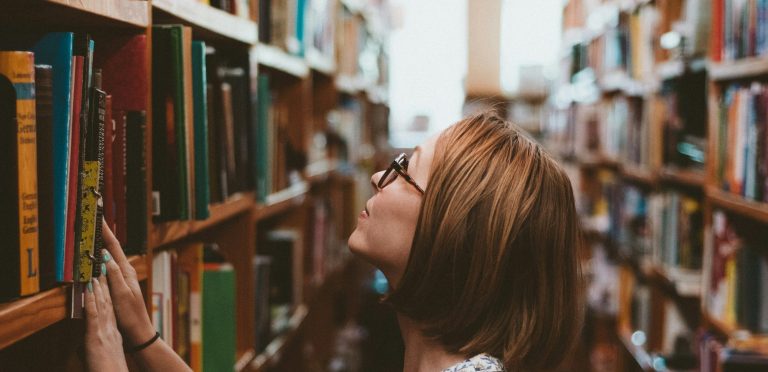
Photo by Grant Whitty on Unsplash

madness and sorrow

…”I am not mad; too well, too well I feel
“The different plague of each calamity”
Constance in King John, Act III, Scene 4

My paternal grandmother passed away last year, on the first of July. My father’s mother, my last grandparent. She took to her grave whatever little energy I had to make it through the rest of 2024. The last time I saw her was two years before, when we said goodbye, before I came to Korea. We took a picture together, which I liked so much at the time, and which I dislike a bit now, because the lighting was not very flattering. But I was hugging her, and it’s one of our sweetest photos. As we drove away, I took a video of her outside the house, making finger hearts and waving goodbye.

I had a call with dad on the weekend after her passing. He told me about the three weeks that she spent under intensive care. It was a Monday night when my aunt called him, and he went running to their house, because grandma had passed out. He had done that several times; she would often run out of breath in the middle of the night, sometimes due to asthma, sometimes due to anxiety. But, this time, it was different, that time. Dad said he knew she wouldn’t recover the moment he got there, and saw her lying on the floor, almost lifeless, as the emergency workers tried to bring her back.

The last time they met was on Sunday, the day before. After my sister and I moved out, visiting grandma helped my parents fill their weekends. He went alone that time; she was in the kitchen, as usual, cooking something delicious (as usual). They talked about a bunch of small things, he nibbled on whatever she was preparing. She was running out of supplements, so he told her he would make sure to buy a new box later that week. On the way home, he passed by a drugstore, and decided to stop and get the supplements, because he wanted her to know that he meant it, when he said he would buy them; he wanted her to know that he really cared. Unbeknownst to all, that was their farewell: a small thoughtful gesture.

Grandma and I texted almost every day. Our last interaction was also on Sunday, the day before she stopped breathing in the middle of the night. It was midnight in Korea, around noon in Brazil. I was exhausted from the week and went to bed at 8, woke up around 11.45, and decided to go for a walk. My head was full of things that I needed to sort out. I wanted to speak with someone, but he was already asleep. I texted another friend, then I replied to my grandma’s “good morning” message. She couldn’t text well so she mostly sent voice notes, and a swarm of stickers, and I always replied back in the same fashion. That night, I only sent one, because I was too distressed. I ended up walking to meet my friend, cried a lot about what was bothering me, and she had to stay over, because I couldn’t stop crying.

Many alternative scenarios run through my mind, as I think about that night. I wonder what could have been different. Maybe grandma and I would have talked more, if I hadn’t been so distracted by the conversation I wanted to have with someone. But maybe I wouldn’t have even replied to her text until it was too late, if I hadn’t decided to leave for a walk. What if he had been up, what if my friend had been asleep. If I wasn’t so tired, from having multiple friends visiting that week. If I hadn’t gone to Austria, where I met those friends. If I hadn’t dated the guy who told me about that project in Austria. If I had stayed home that Thursday night in 2023. If I had passed that scholarship interview in 2022, and gone to a different Master’s program, instead of the one to which I applied the month after. If I hadn’t removed my wisdom tooth right before the interview that I failed. If I hadn’t decided to give this idea of going to graduate school in Korea a shot.

I am an overthinker and I cannot afford to have many regrets. The solution is to always do everything that I feel like I should do, living to the fullest of my heart and conscience at any given time. I trust my ability to put all of my money where my mouth is; some might say that not everything we do requires 100% of us, but I disagree. I am hyperaware of how the small things that happen, the small choices that we make, become the pipes and prisms of much bigger processes and events. Be it the vice of writers, the obsession with connecting parts and chains of events, or my flawed sociological imagination, lost in the predicting of outcomes. In both cases, I am always trying to make sense of the narrative. And this is a dangerous habit, the source of multiple cognitive biases, the reason I can’t afford to go without therapy, but it is also the reason I know that I meant that little sticker I sent to my grandma, with all my heart. I always do.


There is a text that has been occupying my thoughts for months now. I haven’t written it yet, but I have been trying to, for a while. It is loosely about how I feel about life. This is pathetically broad and the reason why it remains unwritten. It feels daunting because it is something I want to write solely to justify myself before the world. I can never get the content right because, at different times, I feel differently about what parts of myself are the most disjointed, most unjustifiable and unacceptable (by me, first, then by others). At the same time, I suspect there is some loose connecting thread linking all of these struggles, hence why I still think about it as One Text that I shall write, one day. Soon, hopefully.


I consider myself lucky whenever I am reminded that living is as much of a beautiful privilege as it is a heavy burden, and that our lack of control over things is the norm, not the exception. It doesn’t always hit as heavily as it does when someone dies, but there are other smaller deaths along the way. My obsession with narratives is challenged by all the ways that life turns out to be anti-climactic. Seeing talented young people die in preventable accidents, seeing elders who aged into poverty and loneliness after a lifetime of love, service and hard work. So many efforts that went unrewarded, unacknowledged, so much love that might as well have gone to waste. There is no way to account for all of the loose ends in the tapestry of living. Maybe that is why I have never hated stories as much as I do now; no amount of perspective, reframing or starting over can account for where I stand.

But I prayed for such a life. A few years ago, when I dedicated my youth to the service of God, I asked Him to freely take me or leave me wherever He pleased, however suited His plans. This meant that my own plans were second to whatever He needed me to do first. It was an open invitation to delays, detours and other inconveniences in the sequence of events I had envisioned for myself. The prayer sounds great when you tell people about it, something to boast abouthow selflessly you have given yourself away to the Kingdom of God! It is not so good when events begin to unfold, and you realise you are not fit for the measure of faith you are expected to deploy, to endure season after season stuck where you hadn’t hoped to be. My hopes are desires aren’t geared towards eternity, not as much as I thought they were.

Not all days feel like a failure, though. I am convinced I feel it more often than most, that things were exactly as they were supposed to be—not as a way to rationalise the hurt of not getting what I wanted, but really experiencing that small window of serendipity in which the specific twists and turns that made something possible are so intricate, that it couldn’t be anything other than divine. This can be as little as having a heartfelt conversation with a friend, and realising that moment wouldn’t have happened if you weren’t unemployed (as I am now). In the terms of machine intelligence, this is a small victory of all the reprogramming effort I have taken up. Optimism doesn’t come naturally to me, so I had to build the frame myself. But it is a struggle, and a habit, and I feel less than perseverant these days.

The spiral of regret that followed after my grandmother’s death stemmed from the feeling that I had been counted as unworthy of a proper goodbye, because I was too distracted with unimportant things. On her last day on earth, when she reached out to wish me a good Sunday, my mind was filled with regret from something else, something avoidable, a stupid hurt that I had brought upon myself. Like I was being punished for fixating on my broken heart, something which hardly anyone else thought worthy of so much thinking. This is a downside of certain religious ways of seeing the world—immediately assigning things as blessings or curses, and then just bending the narrative as events unfold, and new consequences come about. Every single thing that went wrong, or not as I expected, in the last two years or so, has felt like a penitence.

Overthinking feeds off cognitive dissonances, sustaining the belief that any turmoil—present, past or future—can be addressed with the right thinking process. Guilt keeps the gears spinning; a misplaced sense of responsibility goes a long way in convincing someone they occupy an extremely powerful and important position, in the grand scheme of related facts and events in a chain reaction. But what did I expect to feel, after the death of a loved one? Blaming myself is one of the natural reactions; madness goes with sorrow where reasons fail to follow.


There is an ideal version of me that is unmoved by circumstances, a machine who never fails to predict what is the best, most optimal micro-decision to be made at all times. I will never measure up because I am a poet, and I was born to play the fool. I miscalculate the costs, pay the full price, reap both the bitter and the sweet fruit. I bear the burden of existing, which is doing things and leaving traces. Maybe there is a deeper, higher aspiration, lurking beneath the things I say when I resent being alive the most, which is to have never existed at all. No body, no sins, no pleasure, no rewards, and no burdens. The ultimate control measure.


Funnily enough, on the other side of all the what-ifs that I can pull out of the pain of grandma’s passing, there a little counter-fact. I was supposed to be going back to Brazil around that time, maybe in late August or mid-September, but I had to delay my graduation—because of the semester I spent going to Austria, because of the chain of events that led to my broken heart. If I hadn’t, she would have passed right before we were scheduled to reunite. I have enough logical thinking and honesty left in me to agree that this would have been somehow worse, all things considered. Assigning a label of blessing or curse to these events is not the point I am trying to make, but this small thought, amidst the sea of possible pathways in my head, did help me sleep at night. A functioning reminder of how little perspective I am capable of conjuring. Peace is not a natural response; it is giving up, and it begets something to be given up, first.


This has been a season of losses, smaller ones, but coming for the same pressure points nonetheless—guilt, regret, resentment. Days when the joy of the small pleasures doesn’t linger. I am coming to terms with my humanity again, in different ways. It’s been nine months since grandma’s passing. I made peace with the goodbye I couldn’t say. Reason is invariably post facto; my mind has cleared a bit, and things turn out to be very simple, as they are. Grandma’s time came, and now she is gone, and this has nothing to do with me and what I think I can control. And I miss her terribly, and I will do so for a long time. It will eventually hurt less, but other things will come and hurt me just the same or worse. Then I will die one day as well. Regardless of the narratives I have told myself about living, there is no different end to the story. Rest in peace, grandma. I am coming to meet you, too.

Photo by Grant Whitty on Unsplash

reduce, reuse, recycle: how to be disposable (sappy sallows)

Originally published sappy sallows (22 Dec 2023).

I was reading “Switchings under uncertainty: The coming and becoming of meanings” (Godart & White, 2010) to write something for my manuscript and then I decided to write something else.

My greatest existential terror is insufficiency. I’ve always felt like I had the ability to do a lot, and to do well, but not well enough to be great by the standards of greatness. Like a person who scores 81 when the cut to get an A is 82. I know a lot of people think I’m great, but I know there’s a lot more people in the world who wouldn’t think the same. And that’s horrible, because it means that there is an uncertainty level — an incomputable risk — that people that I meet will think I’m below their standards, be it because of my gender, my nationality, the way I look, the way I speak, what ideas I share, how much money I have, what I wear, what I believe in, what I have done with my life so far, and how many pages I can fill with this information.

At times, I could have simply avoided being places with those who could see through my limitations, and could point them out. The trick of being scared of being insufficient is the craving for being great, for being more-than-enough, for being so much that no one can ever say otherwise. If we’re being honest, someone’s low self-esteem is an epiphenomenon of their inflated sense of self, aspiring to be more than they were made out to be, by their birthplace, their birthparents, their birth rights. I’ve seen people surround themselves with people they thought inferior to them, and I’ve seen people crushing to the point of killing those they thought superior to them, if they had the power to inflict that kind of death.

Arrogance that is easily mistaken for humility is the greatest cognitive dissonance of our times, because we are all drowning in the anxiety of being left behind by a world with standards that we cannot meet, but we want to, because we cannot give up the illusory promises we have been made. I starve my body to fit into a smaller dress because I want the assurance of happiness that comes with skinny beauty. I destroy my body and deprive my mind of its much-needed rest because I am blinded by the promise of hard work that pays off, even as I rationalise my commitment to capitalistic ideals into commitment to myself and what I believe in — that I ought to do my best, in order to sleep at night (even if I don’t sleep at all in the process).

The discomfort of cognitive dissonances also keeps me up at night, and, truth be told, I am so self-aware that it makes me angry. A few weeks ago, after several painful weeks of overthinking and crying and dragging myself through the days, trying to understand what was wrong with me, I arrived at the same realisation I had had on the day things started going wrong; I had known the answer all along, but I had to, first, exhaust all the other possible explanations, to convince myself in a way that would allow me to close that door for good (or something like that). I have, indeed, opened the door to make peace with my own insufficiency. But I’m still stuck, standing by the door, the same place I was when I grabbed the doorknob and pulled it. I am paralysed because I am too scared to confront the truth in a way that forces me to find some sort of resolution. Because I’m insufficient by several standards, and I’m weak and I’m also one of billions and, statistically speaking, there will always be way, waaaay more people to whom I won’t mean anything, than people to whom I will mean something.

To mean something to someone, such a stupid-sounding aspiration, but one that we cannot live without, because meaning-making is the only thing we have, as humans, on earth. And to mean something to someone means that someone will care about me, enough for me not to disappear, even as I feel as if I’m fading away. But what security is there is meaning something to someone, if everyone is a larger or smaller version of the same mess I am made of? As much as I have let others down, I have been let down, and the reason I am terrified and I cry to sleep at times these days is because I was, once again, counted as being worthy of being thrown away. Once again, the insufficiency I am not ready to come to terms with came back to hit me, and my inherent, statistical disposability reminded me the odds will always be against me. And every attempt at controlling the outcomes will be inherently, statistically more likely to be unsuccessful than the contrary.

And the universality of the experience doesn’t help that much when it hurts. To know that everyone else out there — including the ones who inflict the pain and discomfort I experience — are also trying to establish their footing, and resolve their existential anxiety, and sleep well at night in the arms of something other than the absolute historical contingency of facts. What I realised is that nothing is ever absolutely meaningless, but not every meaningful thing means the same, to the same extent. In fact, we might even not care at all about what something means, or even how useful it can be, if the possibilities are not clear, tacit, tangible, desirable, or even reasonable, or if there isn’t enough empirical evidence to verify that it means something to me. What I’m trying to say is that something can be meaningful and still be disposable, because it doesn’t fit, because it doesn’t serve us right now, because it’s meant to be thrown away anyway, like a plastic spork in a box of takeout fried rice, or even like, oh God, like a pair of disposable rubber gloves, whose disposability literally saves lives in the right context.

And what is the opposite of disposable? Reusable doesn’t sound that good to go with meaningful and useful, but I don’t feel ready to think about that yet. There are multiple other layers to consider. But I do think it’s interesting that things can be meaningful, and useful, and still worthy of going into the bin. Like candy wrap, the moment you open it, and you finally get the chocolate you coveted. You can’t eat the paper. You shouldn’t eat the damn thing. So, yes, sometimes we’re just the paper hiding something better, more important, more significant, that requires me to get out of the way for others to get their hands on. Is it that absurd? Sometimes, it feels like such. It feels unfair that I should be measured up against a pair of wooden chopsticks to say if it’s good or not that someone decided to throw me away. I would say i’s just a technicality, at best, because it all comes down to how we play with the meanings, and if we feel enabled to switch them towards our favour, when it’s convenient to do so.

Even so, right now, I still feel pretty much like I’m stuck in the trash bin of someone’s life, and I need to make my way out of it, if I want to see things more clearly.

Featured image by Julio Lopez on Unsplash

how to be a loser — Center for Ambitious Failure, Essay contest

This essay won the Excellence Award in the Category “Lesson” of the 2024 KAISTian Failure Story Essay Contest, by the Center for Ambitious Failure (CAF), a research centre of KAIST that is very dear to me.

2 March 2023. It’s my 28th birthday, the first one I celebrated in Korea since I moved from Brazil, on the other side of the world. I went to a nice restaurant, with my labmates and Professor. The girl sitting next to me was a feminist researcher, whom I had known for about a week, at that point, and we both felt that we would become each other’s best friend. We had tteokbokki and soju, they sang “Happy Birthday” to me, and I blew out candles on an ice cream cake, because I cannot eat gluten. It was colder than I expected, for early March. We would soon go out to find another bar, for a second round. We all had appointments the next day, but we stayed out past 3 in the morning, drinking and chatting. 

A year before, I spent my 27th birthday at home, with my parents and sister. We went to the movies to watch “The Batman,” and I had caramel popcorn (which I adore). We are the “birthday party” type of family, but we couldn’t do a lot that time. I was going through a busy season, preparing for what I assumed to be my last application for grad school in Korea, for a highly selective government scholarship. To give this opportunity a fair try, I devoted all of my energy to do well. The entire year before, since the previous birthday, had been dedicated to working on improving my qualifications. Every waking hour was spent on improving my Korean skills, networking with researchers (in spite of the restrictions of the pandemic), considering prospects and working to pay for the language classes and expensive documents I needed to prepare. 

After returning from the movies with my family, I stayed up all night—once I printed and validated multiple copies of all paperwork, I had to neatly label every page, order and assign them to different packages, to ship them safely. The day after, I sent a box with four thick envelopes to the Korean Embassy, and then, around three weeks later, I got an email saying I had been selected for the next phase. I was very happy, but not too surprised—that was the goal of all the hard work leading up to that moment, right? My face was puffy on the day of my online interview, from removing two wisdom teeth the week before. With the help of my language tutor, I prepared a speech in Korean, which I did not use, and I left the Zoom call feeling a bit disappointed by the questions they asked, about things I thought I had explained well in my application statements. Another participant told me she had seen my qualifications, and she was sure I was in. But, when we heard back by the end of the week, I was not on the list. They had not selected me. 

Upon failing that application, I realised I had not prepared myself well for the possibility of being unsuccessful. Perhaps because I wanted to feel confident in my hard work. But also, my life was going really well. Back when I decided to go all in for the scholarship, I thought to myself that, if I failed that round of applications, I would take it as a sign to focus on other things, and give up pursuing further education. On the side, I had turned my gigs teaching English to adults into a thriving small business; my students were growing, and there was a long waitlist of people interested in studying with me. I had also just landed a dream position as a storytelling consultant for artists in a music label, where my experience studying how K-pop fans interact online and with their object of fandom was very valuable. By all means, I had plenty of reasons to feel like I was winning, and that not getting into grad school wasn’t the end of the world. 

Nonetheless, I felt like a loser. As a writer, I know that the difference between “barking up the wrong tree” and “not all those who wander are lost” is a matter of plot, but the story I was telling myself about my application was not accommodating the latest events. I couldn’t stop replaying my frustrating interview with the Embassy. At that point, I had been active as an independent scholar for almost three years, but the interviewers doubted I could get into the top program on my list, KAIST School of Science and Technology Policy, because I had an Architecture major. Maybe, I thought, they hadn’t read my application thoroughly, so they didn’t understand how much work I had done since finishing my Bachelor’s. Or maybe they just thought it wasn’t good or convincing enough. Either version of the story left me feeling bad—I was either wronged, or lacking. I got the news right before lunch, and I immediately called my therapist to request an urgent appointment. Our session was an hour of crying about how I felt like I was constantly setting myself up for disappointment. I can be optimistic when it comes to the end of all our hard work—it never goes to waste, even if the purpose changes. But, more than the loss, I was grieving the fact that what I wanted, and what I could get, seemed to be out of sync. It seemed that I was able to do well, and accomplish a lot, but not enough for my dreams. 

I had a close friend who had been granted the same scholarship I was applying for, and who helped me enormously during the whole process. Instead of adding to my self-pity party, she presented me with a list of options of what I could still do. Even though I had told myself I wouldn’t apply again if I failed, I had set a small condition to giving it another try—if the opportunity came up naturally, almost seamlessly. My friend told me I could still use the same documents and apply directly to the universities, instead of the embassy. It was a Friday afternoon in my hometown, early Saturday in Seoul, and she was helping me find what schools still had deadlines that I could meet, with the time that it would take for documents to arrive in Korea. Of my three original schools of choice, KAIST and Yeungnam were still doable (the other one, SEOULTECH, was not). I decided I had some energy left to spend another weekend poring over papers. And then—and I do not remember exactly why I did that—, it was after this conversation that I decided to take another look through the programs of the universities I was considering, and that was the first time I looked into the Graduate School of Culture Technology, less than 12 hours after I was rejected from my original application. 

My younger sister got home from work, and walked into my room, to see how I was doing. As she sat on the floor, I talked about how I had just found The Perfect Program to conduct the research that I wanted. My room was dark, with nothing but the soft glow of my computer screen, as I showed her the website of the Social Computing Lab. The homepage donned a tagline that got my heart racing—The Nonidentity of Society and Interaction. That was the kind of energy I had been looking for since I first became interested in my research topic, back in 2019. Finding that lab after a failure was making it seem like nothing else had worked out before because that was the right one. Around 1am that day, I emailed Professor Wonjae Lee; I sounded equal parts resolute and desperate—“A lengthy email isn’t the best way to contact prospective research supervisors, but I need more than two paragraphs to explain why an Architect is emailing you, and why we should work together.” 

When I woke up, my friend in Korea texted me to say we misunderstood the deadlines: KAIST was no longer accepting scholarship applicants. That threw cold water on my latest flicker of hope and I had to, once again, change the story I was telling myself about this whole process. Things were not over yet, I still had a chance to try—and one does not always get a new opportunity right after losing something. At that point, it was all very different from what I had envisioned, but I wouldn’t turn down a good chance just because it wasn’t the ideal scenario. The rest of the weekend was spent preparing documents for Yeungnam, and organising my feelings about what I was doing. The plan for Monday morning was to go validate new copies of my documents. Instead, I woke up early to an email waiting in my inbox; it was Professor Wonjae Lee, telling me he would be very happy to receive my application for the Social Computing Lab. 

As it turns out, KAIST was no longer receiving scholarship applicants, but they were still open to regular applications. But the deadline was very tight—I would have to put everything together in less than 72 hours, to ship my documents in time. My family made it a collective project; with their help, I pushed through until Wednesday, with little to no sleep. Out of what had seemed to be my last straw, I pulled two sets of applications, dispatched to Daegu and Daejeon. The stress lasted for a bit longer—UPS lost track of one of my packages, and delayed both of them, and I had to get lawyers involved to manage the situation. Yeungnam did not accept my documents, but KAIST did, even though they arrived almost a week after the deadline. And then I waited, and I put my heart into other things, and I got content enough with the multiple possibilities of life, so I could face the chance of another rejection with more grace. 

It was late June, 5 in the morning, when I read “Congratulations” on my phone screen, and learned that I had been admitted to KAIST for Fall 2022. Around two months after results came out, I boarded the first of two flights, from São Paulo to Seoul, with 75 kg of luggage, bright blue hair and the confident feeling that this was the way that things were supposed to be. I thought about the night when I first found my lab’s website, and how I was right—that nothing else had worked out before, because that was the right place for me. But this only makes sense because I am standing on the other side of this process: I have been wrong about timing before. Looking back at the couple of days between failing the scholarship, finding my lab, and then thinking KAIST was no longer receiving applications, before I found out they were, I don’t think the lesson is “just wait a bit and your dreams will come true” or “if you are sure about something, keep pushing” because these are misleading beliefs, not conducive to a an honest outlook of the possibility of failure. We don’t always get some deus ex machina unexpectedly changing our circumstances; more often than not, we just lose, and then we have to move on. 

At the beginning of this application process, I established that failing was supposed to be a sign to focus on other things, but I was not willing to accept the terms of the failure. I was not willing to accept myself as a loser, almost as if that was not a compulsory part of the decision to apply. It is unrealistic to expect a life of victories, even more to attach our meaning and validation to winning, when losing is inevitable, even in unjust ways — but it seems like we do it anyway. Even after getting accepted into CT, I still catch myself replaying the frustrating scholarship interview. I see that I regarded the application process more as personal validation of my intelligence and capacity, than a good chance to advance my plans and dreams. So, as much as I wouldn’t trade my current life for the scenario that didn’t work out, it has been hard to make peace with not being deemed “enough” for it. 

But lingering on what was lost, or what could have been, only keeps me from enjoying the possibilities ahead. With hindsight, I have been as happy getting what I wanted as living the surprise results of unexpected events. And my feelings towards things I desired, at one point or another, have changed a lot over the years. What frustration has repeatedly shown me is that a closed door isn’t the end of the road, even if it feels like that, for some time. Everyone will be a loser at some point; part of learning how to deal with it is accepting that not all opportunities are for me, and that is just how things go. Life is always changing, new possibilities are always coming up, and we cannot anticipate the new paths waiting on the other side of the most frustrating moments of loss. The story is still being written.

9 June, 2024. It is a Sunday morning, I am sitting at a convenience store, having breakfast with my best friend, a feminist researcher, and two other friends I met in Europe the year before, in a Summer School, which I joined with a classmate from Spring 2023. The guy sitting next to me asked me if I had to take a Korean language test to apply to KAIST, and I said no, but that I had taken it because I had applied for a scholarship first, but failed it. “But,” I said, “if I hadn’t failed that scholarship, I wouldn’t have come to CT, and I also couldn’t have applied to the Summer School, because I wouldn’t have really started my Master’s until Fall 2023.” “So this moment wouldn’t be happening right now if you hadn’t failed!” my friend said. This thought had crossed my mind many times, but that was the first time I heard it from someone else. She was right. We laughed about it, as we tried different protein bars, I taught them how to prepare the best convenience store latte, and then we went for a walk along the stream across my house, under the sizzling Sun of late Spring.

knock on wood

From the vault. Written in October 2022.
Based on a true story.

She had worked late and spent most of her Saturday trying to recover from the burden of doing overtime five times a week. She was highly ambitious, but very simple at heart, and content with as little as buying herself a new book, and something tasty for dinner. Even though she had never been to that particular library, making it hard to feel completely at home and familiar with the surroundings, the weather was nice and her spirits were high.

She made her way through the shelves until spotting titles about feminism. His eyes had been following her since the moment that she walked in. His poor eyesight made it difficult to see what books she was looking at, but he could take a fair guess, he supposed. There’s very little you can learn about someone from the books they look at, but most of the magic of sitting in a bookshop is the belief that you can. She looked pretty — but the world is filled with pretty girls. She also looked strong, or so he thought, and he wondered if that was because of the books he assumed she was looking at. He could see her profile and the way the tip of her nose made her eyeliner look sharper — or was it the other way round? 

He was an anxious guy with an inclination to FOBO — Fear Of The Better Option. Having wasted too much time overthinking all of his decisions, he developed the habit of outsourcing everything to the universe; instead of placing on himself the burden of thinking about anything at all, he would just write all the conceivable options on paper, and then follow the instructions of the one he picked with his eyes closed. It didn’t always seem right, but he was committed to this system. He took the small block of purple post-its inside his pockets and, staring at the tip of her nose from afar, wrote down all of the things he could do at that moment. He could go up to the girl and introduce himself, or ask about the book that she was reading, or wait by the door until she was about to leave, or wait by the cashier and join the payment line at the same time as her. He folded them neatly, to make sure he wouldn’t be able to tell them apart just by looking, and tossed them inside his pocket. 

After taking a deep breath and saying a prayer, he was ready to find out what would come next, so he closed his eyes. It was only for a second, just enough time to draw the results but, somehow, she was already gone when he opened them again. Being stared at made her very nervous. She fled the building, without the book, and went out to find a vegetarian bowl she could have for dinner. He stood up to see if he could catch her but he wasn’t sure that was the best option at the moment. Before he wrote a new set of possible pathways on his little purple post-its, she was already sitting and waiting for her order, thinking about the book she didn’t take and about the guy she didn’t speak to. On the way home, he played with the little fateful folded papers inside his pockets until the sweat and oil from his hands began to melt them away. They won’t ever see each other again.

Photo by Clay Banks on Unsplash.

chaos of inter-disciplines

This short essay was written on 12 January 2024, when I was in Linz, Austria, as a student of the IT:U x Ars Electronica Founding Lab. It was a contribution to the book “Starting a University”, recently released during the Ars Electronica Festival 2024. Student essays ended up not making the final cut of the book, but I liked this piece, so I decided to share it. There are no specific citations but I will list at the end the main references I employed as I wrote this. Special thanks to my trusted editor Ashley Chong for reviewing it before submission.

Inattentive watchers (and dishonest ones alike) can be quick to dismiss “interdisciplinarity” as a trendy buzzword that embellishes hefty grant proposals. The history of the creation of knowledge shows a different scenario — several disciplines, if not most of them, have started out of interstitiality1, some space in-between different practices of their time, which was slowly revealed as a site of difference, until boundaries were agreed upon. Nevertheless, this doesn’t mean that there aren’t semantic traps along the way. Interdisciplinarity, much like words such as “citizenship” or “freedom,” holds a type of universalist appeal, with enough multivalence and ambiguity to serve different purposes, according to the person who employs it, and wields it. These divergences are natural and expected, but they can also make or break a team’s ability to move forward together.

The Founding Lab, as a moment in time, and as an ongoing process, has been both a site of exploration, discovery and change, as well as the source of the type of reflection which separates things that ought to be reshaped from things that are better off nurtured as they are. Even though, as I write this, we still have a lot left to do before we wrap up the activities, I can already describe several important personal gains. In addition to joining a global network of innovative thinking, it has been the catalyst of decisive transformation in my process of transitioning fields as a graduate student. Thanks to this space, I was encouraged to dive deeper into the methodological questions that still challenge my ability to go beyond the thinking patterns of Architecture, to discover my place as a sociologist. On a higher level, the process of constant exchange with peers from both similar and different disciplinary backgrounds has been enlightening. It serves as a reminder that the boundaries defining disciplines aren’t as clear-cut as we might wish, and no field is entirely coherent or uniform. 

Experience tells us that there are productive ways of collaboration that don’t necessarily entail what interdisciplinarity tries to do, which is bringing about innovative epistemic change by associating, contrasting and integrating different elements from disciplines and practices. This is why “interdisciplinarity” can be so easily reduced to a set of performative displays of pluralism that don’t accomplish the tasks that require new ways of thinking about problems. So, for this new university to live out its purpose, it is paramount that, as the years go by, the image of interdisciplinarity by which its members and associates are possessed is always conducive to collaboration that isn’t just for show. This involves cultivating values, skills, and a culture of asking the difficult questions, and pursuing the realisation of their equally difficult answers.

My biggest hope for IT:U is for it to become a community of knowledge whose members and associates are brimming with the willingness to do complicated things, of which the hardest might be approaching a new field with openness, understanding, and, most importantly, patience. These skills are far from being merely social, but they are, indeed, crucial as rhetorical devices in articulating relationships in cross-disciplinary settings. They are the requirements which ensure that disciplinary interactive processes will be mindful of the time and energy that it takes for one side to understand enough of the other in a way that teaches the different parties to see the world through different eyes. Several boundaries between disciplines are blurry formalities that serve organisational purposes. Still, they signal implications that are deeply entrenched into practitioners. Entrenchment poses big challenges to constructive collaborations, but this is precisely why professors, students and staff at IT:U ought to be aligned in attitude, informed by the image of interdisciplinarity by which they abide, and what goals our collaborative efforts are expected to amount to. 

One of the biggest takeaways from the spaces we constructed during the Founding Lab is to not skip talk and confrontation when necessary, before sketching out any plan of action. Interdisciplinarity isn’t for everyone, just as performance arts or quantum physics aren’t for everyone. So, for those who are up for the task, those who will choose IT:U as the setting for their undertakings, the rewards will be contingent upon their awareness of their position, in relation to peers and to other disciplines, and the field of the production of knowledge as a whole. And this awareness is more than something cultivated on the individual level – it has to be a collective construction, which also responds to the collective’s ability to accommodate differences, and, most importantly, separate the things that ought to be reshaped from the things that are better off nurtured as they are.

[1] The word “interstitiality,” and most of the argument made in the first paragraph, came from Andrew Abbott’s “Chaos of Disciplines.” The featured image on this post also comes from the cover of the book, the 8-circled cross from the “Book of Kells.”

Abbott, Andrew. Chaos of disciplines. University of Chicago Press, 2010.
Abbott, Andrew. “Things of boundaries.” Social research (1995): 857-882.
Brint, Steven G., ed. The future of the city of intellect: The changing American university. Stanford University Press, 2002.
Fuller, Steve. Social epistemology. Indiana University Press, 2002.
Lamont, Michèle, and Virág Molnár. “The study of boundaries in the social sciences.” Annual review of sociology 28, no. 1 (2002): 167-195.