A Vida de Um Bloqueio Criativo

Um dia antes do meu aniversário de 30 anos, visitei This is Taylor Swift: A Spotify Playlist Experience em Seul, para me despedir da minha juventude. Fui sozinha, encontrei minhas amigas depois, para celebrarmos. Estava usando a pulseira da amizade que ganhei na exposição, e acho que cantamos “You Belong With Me” no karaokê, depois de alguns drinks. No dia seguinte (meu aniversário de fato), acordei em meio a uma terrível crise alérgica. A amiga com quem eu morava na época precisou viajar a trabalho, então passei o dia sozinha, no escuro, abraçada à um rolo de papel higiênico, espirrando sem parar até pegar no sono.

This is Taylor Swift: a Spotify Playlist Experience. Seoul, 1 de Março de 2025.

Depois do meu aniversário, Taylor Swift desapareceu dos meus dias por alguns meses. Não foi de propósito; acho que cansei um pouco da imagem pública dela, mas sempre feliz pela loirinha, sua vida mudando diante dos olhos de todo mundo. A minha também mudava; a trilha sonora dos meus dias juntava vozes novas aos velhos favoritos das minhas piores temporadas, as canções às quais eu recorro quando nada dá certo, o futuro parece um vazio, e a esperança se esconde. Considerando tudo, acho que eu sabia, desde os primeiros teasers, que The Life of a Showgirl não seria a minha praia. De fato, a música não me convenceu, nem me sinto particularmente afeiçoada da narrativa que ela está vendendo. Refletindo sobre esse estranhamento, comecei a pensar nos últimos dois ou três anos da minha vida, na paralisia criativa que se infiltrou pelas rachaduras do meu ofício de escritora, e no meu próprio senso de conexão com a obra e a história da Taylor.


Há quatro anos e meio, eu publiquei um texto chamado Minhas histórias de amor, contadas por Taylor Swift — até hoje, o post mais lido do meu site. Na época, deixei bem claro que não me considerava propriamente uma fã; escrevi o ensaio porque achava engraçado que quase todas as minhas histórias de coração partido tinham, de pano de fundo, alguma canção da Taylor. Talvez fosse apenas a estatística jogando a favor das coincidências entre alguém da minha idade e a maior popstar da minha geração. Ainda assim, o verdadeiro motor daquele texto foi que, enfim, eu tinha me conectado com ela, por causa de “invisible string”. A letra tocava o âmago das minhas aspirações íntimas — a inescapável interligação de todas as coisas e a esperança de redenção pelo amor.

Depois disso, fiquei às margens da comunidade de fãs da loirinha, espiando alguns debates de vez em quando, através das Swifties de longa data que conhecia. Acompanhei de perto quando ela lançou Red (Taylor’s Version), mas foi só em Midnights que me senti completamente capturada pelo espírito do momento. Era meu primeiro semestre estudando na Coreia, e eu estava projetando toda a ansiedade de estar sozinha num país distante em um dos poucos amigos que tinha: um artista alto, bonito, interessado em música brasileira. Inspirada pelo álbum, comecei um diário separado, só para os pensamentos que me mantinham acordada à noite — quase todos sobre minha afeição por ele, me questionando se ele sentia o mesmo. Uma semana depois, ele me disse que estava namorando outra pessoa, e logo em seguida começou a me evitar completamente. Uma enxurrada de emoções, antigas e recentes, despencou sobre mim, e eu ainda não tinha raízes profundas o bastante para não me abalar. Eu precisava de ajuda para lembrar quem eu era; “You’re On Your Own, Kid” estava lá, todas as noites, me ajudando a reencontrar meu foco, na caminhada de quinze minutos entre o laboratório e o dormitório. 

Ela também estava presente meses depois, quando conheci um cara depois de um jogo de futebol. Ele me acompanhou até em casa, todas as minhas luzes se acenderam; liguei para minha melhor amiga ainda nas escadas, para dizer que tinha acabado de conhecer O Cara Certo. Nosso primeiro encontro foi justamente na época em que ela lançou a edição ‘Til the Dawn de Midnights, com a versão expandida da delicada e etérea “Snow on the Beach”, que acrescentou ainda mais encanto à alegria daquele momento. Taylor, por outro lado, tinha acabado seu relacionamento de seis anos no mês anterior. Foi difícil processar a experiência do sentimento que havia instigado minha conexão com a música dela, mas eu estava tão, tão convencida de que tinha finalmente encontrado o fio dourado da minha invisible string. Imediatamente comecei a planejar uma continuação do meu primeiro texto sobre histórias de amor; antes disso, peguei uma das entradas do meu diário de Midnights e transformei em um texto para celebrar o lançamento de Speak Now (Taylor’s Version), saboreando o prazer de compartilhar algo sobre estar feliz e apaixonada.

Terminamos no fim de agosto, e a ironia não me escapou. Estávamos na Europa, e foi repentino, mas não exatamente uma surpresa — na noite anterior, perto da meia-noite, eu escrevi no meu diário sobre o sentimento de querer ir embora. Mesmo assim, foi brutal; a covardia e a crueldade dele me despedaçaram, abrindo ao mesmo tempo todas as minhas feridas mais profundas. Eu estava longe de casa, cercada de estranhos (que depois viraram amigos), todos gentis o suficiente para me ajudar a manter meus pedaços juntos, até eu poder voltar à Coreia. 

Em retrospecto, aquele foi o começo do meu bloqueio criativo.
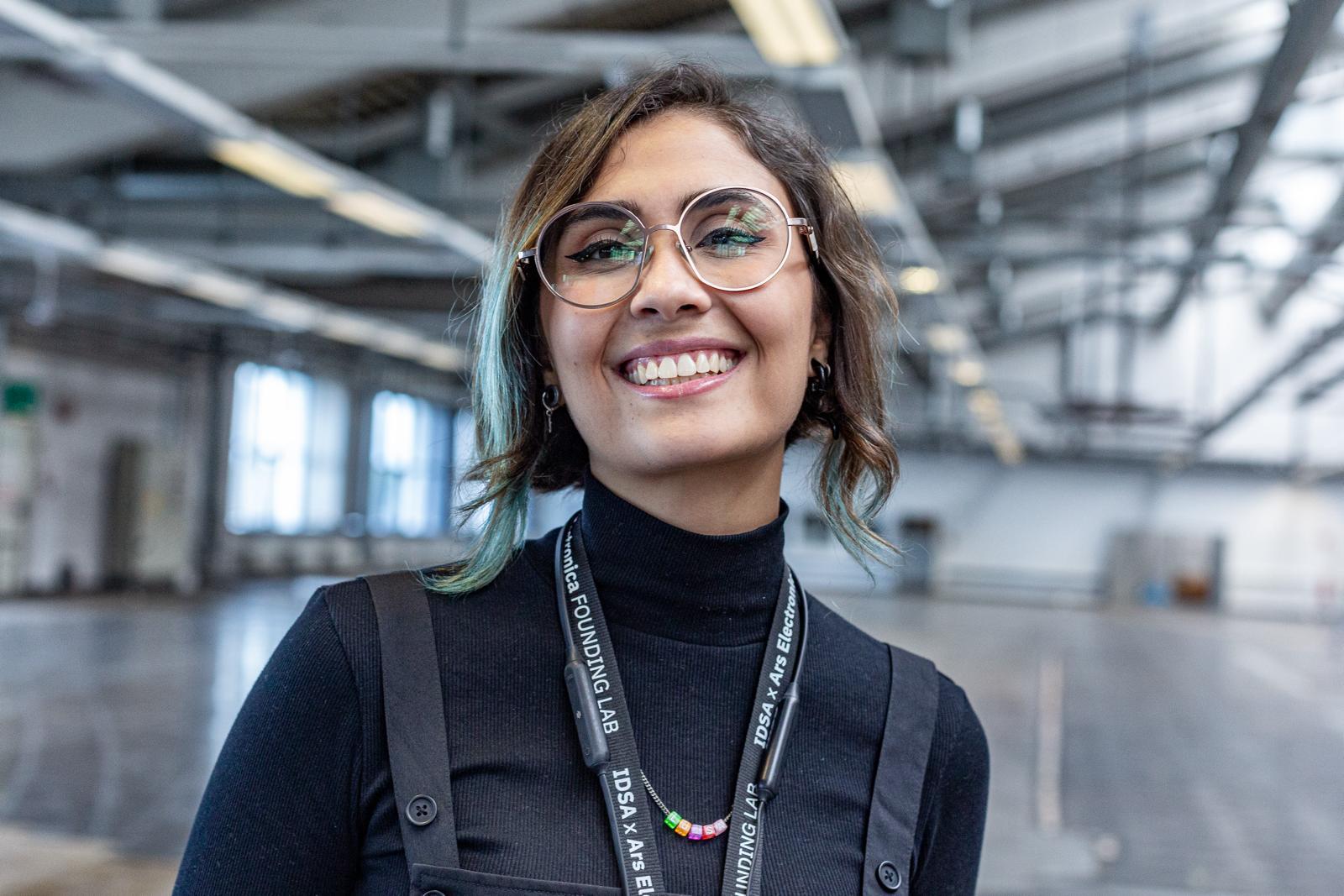
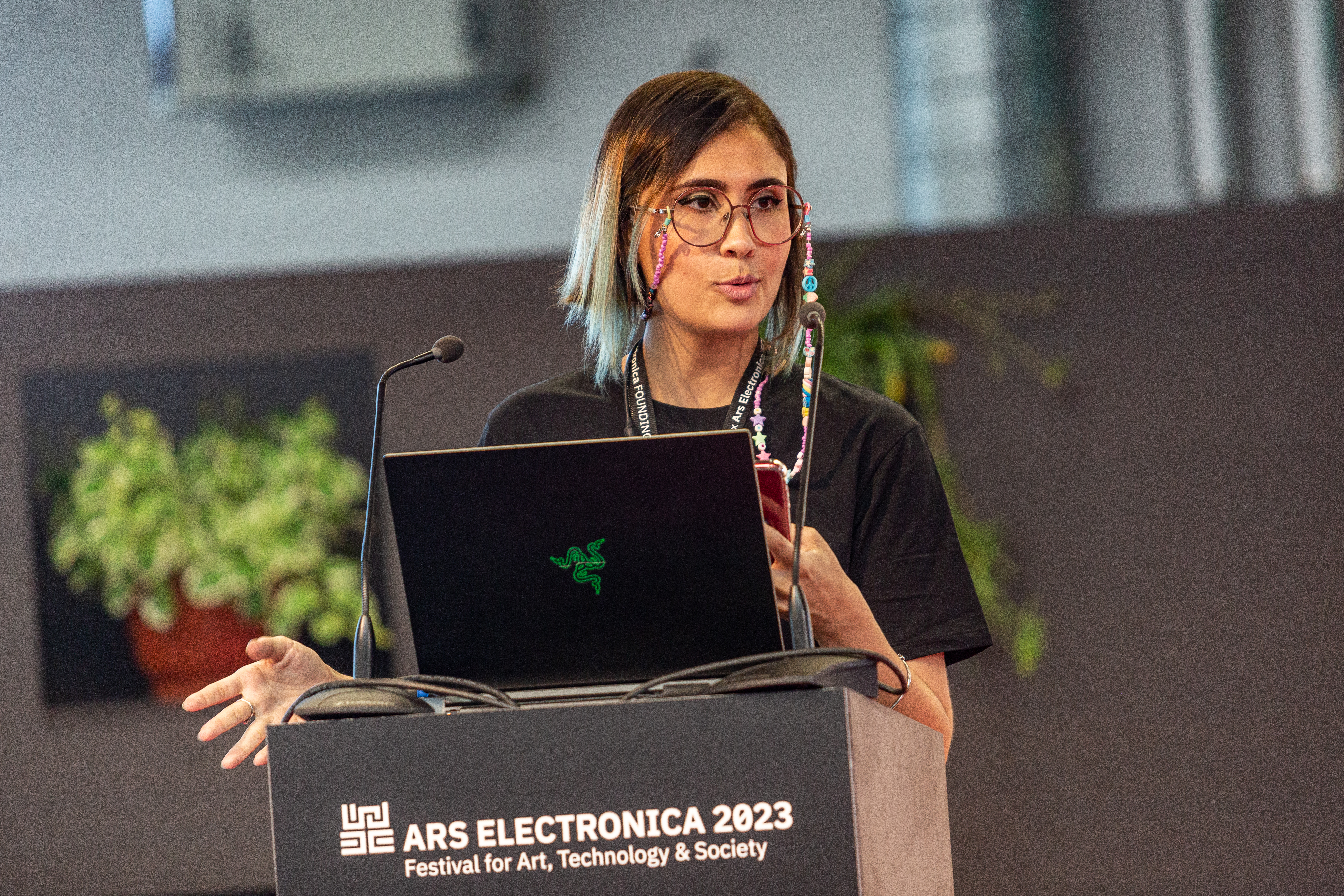
Quando postei algumas dessas fotos pela primeira vez no Instagram, recebi uma DM dizendo que eu parecia muito leve e feliz. Àquela altura, eu estava há 2, quase 3 semanas sem comer ou dormir, chorando a noite toda e sobrevivendo durante o dia pela graça de Deus e dos meus novos amigos. Linz, Setembro de 2023. Fotos por Patrick Münnich.


Começou com uma enxurrada de palavras, como nunca antes: um parágrafo novo a cada poucas horas, entre as muitas outras tarefas que eu tinha para cumprir. Eu estava desesperadamente tentando criar um caminho lógico para fora do turbilhão do nosso término, mas coisas novas surgiam o tempo todo, nossos caminhos continuavam entrelaçados por amigos e compromissos em comum. Apesar de ter sido um relacionamento tão curto, foi devastador, porque ele abriu um buraco no centro da pessoa que eu acreditava ser. Eu me ressentia por ser quem eu era, e escrevia dia e noite para reorganizar a narrativa da minha vida em algo com que eu pudesse verdadeiramente conviver, para seguir adiante. Paralelamente, eu trabalhava na minha dissertação de mestrado, discutindo sentido e produção de significado, todas as leituras atravessaram a minha crise pessoal e despertaram uma ideia. Queria escrever algo grande, meio científico, meio literário, para processar os detalhes de uma temporada tão intensa e, em última instância, justificar as minhas escolhas de vida — primeiro, diante de mim mesma, depois, diante do meu ex. Eu dormia muito pouco, indo e voltando entre a Coreia e a Áustria, colocando todo o meu tempo livre na busca pela linha de pensamento que me levaria até o magnum opus da minha crise dos vinte-e-tantos.

Desde então, publiquei bastante, correndo atrás dessa visão; criei um blog novo, com uma amiga, e um Substack, para manter as ideias fluindo, mas nada correspondeu às minhas expectativas. Primeiro, eu sentia vergonha de tudo o que escrevia, por toda a humilhação emocional que tinha enfrentado. Também passei a desconfiar dos meus próprios sentimentos e da minha capacidade de dar sentido às minhas experiências, depois de ter me enganado tão gravemente a respeito dele. Emaranhada no drama do nosso rompimento, vivi algumas das oportunidades mais empolgantes da minha vida, mas acabava me autocensurando sempre que tentava articular como me sentia naquele período, como se cada pensamento fosse um terrível lembrete da minha sentimentalidade imbecil. Eu até sentia vergonha de ser escritora, a ousadia de me colocar entre artistas de verdade sem ter nada a oferecer além de um relato vagamente sociológico de sentir e pensar demais. Por fim, eu me sentia cada vez mais sobrecarregada pela escala do que queria fazer. Esse tipo de atitude, eu aprendi, é sinal de que se está tentando compensar em excesso.


Aqueles que nunca superaram a síndrome de underground da adolescência não conseguem entender o que há de significativo em se conectar com uma canção tão famosa que se torna inescapável — ainda mais num cenário midiático tão fragmentado. Eu mesma trabalho com música independente, e minha compositora favorita é uma islandesa obscura, com um cult following (à qual sou devota desde os 17 anos). Mas Taylor Swift é como uma língua comum, uma carta que você sempre pode puxar para se conectar com alguém, até nos círculos mais inesperados. Quando ela lançou The Tortured Poets Department, em meio a tantas críticas públicas, eu a defendi o tempo todo. O número esmagador de músicas foi, para mim, uma grande coletânea de modos de processar as frustrações que eu enfrentava naquele período, de coração partido, e cada vez mais perto dos 30 anos. Não estava conseguindo extrair do momento a escrita que queria, mas tinha as palavras de outros para atravessar os dias.

Mais do que tudo, The Tortured Poets Department soava sincero e desnudo. Havia dor e desalento, visíveis e sensíveis, nos motivos musicais e visuais que ela escolheu para representá-los, mas também confissões lúcidas de atitudes repreensíveis da parte dela. Não é fácil criar algo brilhante, que ainda soe fresco ainda que esteja contando a mesma história que tantos outros já contaram antes. Eu sentia como se estivesse de luto com ela: pelo fim de sua história de amor fatídica, pela perda do “e se” que a acompanhou por uma década, os anos passados em Londres, a vida que ela acreditava que teria. Também havia lampejos de esperança — alguns vindos da carreira, outros do novo relacionamento. Não pude deixar de imaginar que tipo de trabalho teria sido se ela já não tivesse encontrado outra pessoa, antes de lançar o álbum. Se teria sido tão fácil escrever e cantar “I’m pissed off you let me give you all that youth for free” em So Long, London sem um novo amor, algo tão promissor, capaz de suportar o peso de tudo aquilo que ela tinha perdido.
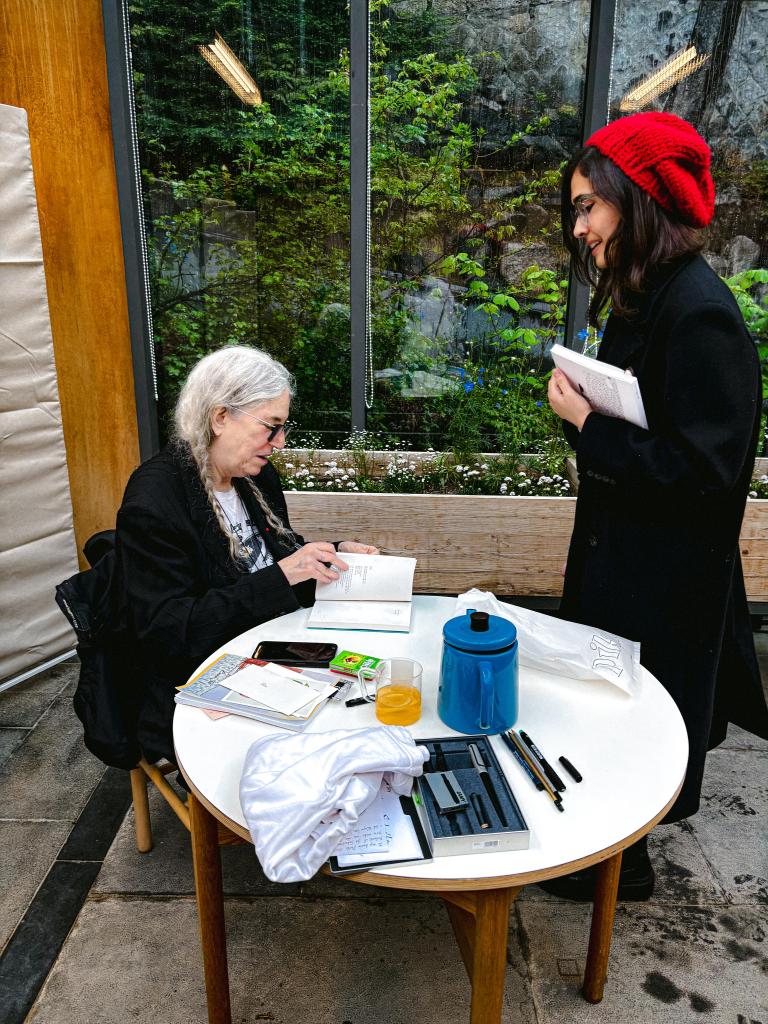
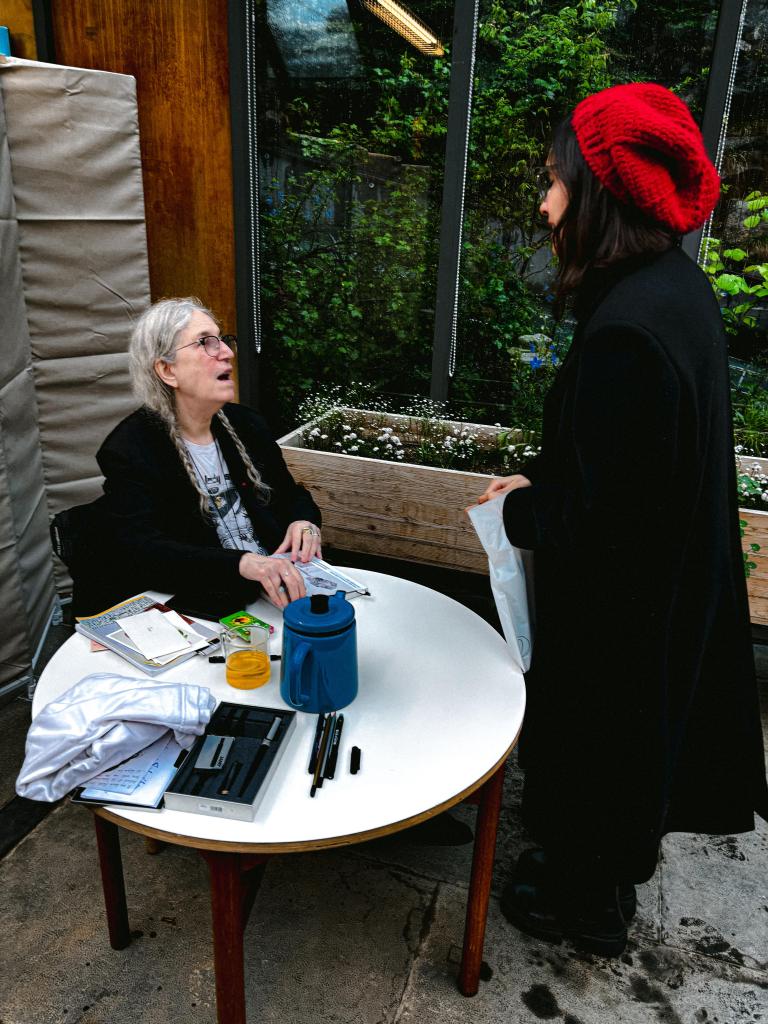
Em vez de postar uma das minhas músicas favoritas de The Tortured Poets Department (a própria title track), vou registrar aqui meu maravilhoso (e inesperado) encontro com a própria Patti Smith. Seoul, 19 de Abril de 2025.


O ponto alto de The Life of a Showgirl é logo a primeira faixa: “The Fate of Ophelia” é simpática e deliciosamente empolgante. Onde a letra sacrifica complexidade emocional em nome da alegoria, a alusão constrói um quadro cativante de redenção — “you saved me from the fate of Ophelia”. Quase como da primeira vez que ouvi “invisible string”, senti um pouco de alívio e esperança — por ela, primeiro, e por mim, em seguida. Há outros momentos interessantes: “Opalite” é divertida e otimista, e “Father Figure” faz muito com raiva e ironia, um clássico instantâneo. A faixa-título, “Life of a Showgirl”, merecia uma resolução mais clara, um pouco menos de clichê (aqui cabe uma menção ao gênio de “Clara Bow”), mas não deixa de ser familiar, o calor da voz de Sabrina Carpenter tornando tudo ainda mais convidativo. O restante soa como uma coleção de rascunhos: ganchos melódicos marcantes desperdiçados em letras duvidosas e frases desajeitadas, as dissonâncias agravadas pelas expectativas que ela cultivou ao longo dos anos. Acima de tudo, não há uma âncora. “Eldest Daughter”, a famosa faixa 5 deste lançamento, foi, francamente, um erro: sem rumo, com letras de mau gosto, uma sátira mal aplicada, a profundidade de um pires. 

Eu ia usar este espaço para compartilhar uma excelente video essay sobre o álbum mas decidi que “The Fate of Ophelia” seria mais divertido.

Conteúdo sobre o álbum, na ocasião do lançamento, foi inevitável no meu lado da internet, as reações partindo do bem decepcionante ao completamente frustrante (isso sem contar as demonstrações irracionais de ódio). O volume de discurso em torno de tudo o que Taylor Swift faz é enlouquecedor, mas esse dilúvio de think pieces é justamente o que ela trabalhou para construir — sua carreira foi erguida numa construção coletiva, ajuntando pessoas através do seu jeito de ser extremamente vulnerável, excessivamente detalhada e infinitamente ambiciosa. Mas, para um álbum que pretendia lançar luz sobre o outro lado da fama, Showgirl soa como mais uma performance (e não de propósito). Não acho que o problema seja que ela não tinha o que dizer, como sugeriram alguns, mas não parece que estava pronta para fazê-lo. Talvez o intervalo entre os lançamentos tenha sido curto demais, talvez estivesse exausta da turnê, com uma capacidade de julgamento comprometida (mesmo para um conceito leve). Posso perdoar minha amiga parassocial Taylor Swift por não saber como falar de uma temporada nova e feliz, mas me reservo o direito de sustentar meus critérios, como fã e escritora que espera algo melhor dela. 

Ainda assim, parte do seu entendimento próprio parece alinhado ao material; em entrevista a Jimmy Fallon, ela disse que esta é uma de suas eras com a maior correspondência entre como ela se sentia no passado, quando escreveu as músicas, e como se sente agora, ao lançá-las. Lembro de como me senti escutando TTPD, e no significado de olhar para tempos turbulentos a partir da promessa de restituição. Faz sentido que ela soe meio dispersa agora, se estava acostumada a lançar álbuns com mais distância emocional da estação que estava tentando capturar. Talvez parte da dissonância teria sido evitada se a campanha promocional tivesse sido menos pretensiosa, mas as estratégias de marketing também parecem equivocadas, como se ela não percebesse que certas coisas mudaram — até mesmo as expectativas de seus fãs mais fiéis. Esse tipo de miopia, eu aprendi, é sinal de que se está tentando compensar em excesso. Na ânsia de reparar os anos de melancolia, ela falhou em acertar o elemento aspiracional de cantar a própria felicidade. Faltou, nas músicas, algo que me faça querer sair por aí e me apaixonar também.

Em 1:18, ela diz “Essa foi, eu acho, a era mais bem alinhada, em termos de onde minha vida estava, quando escrevi, e onde estou agora, quando foi lançado.”


Refletir sobre a falta de clareza em The Life of a Showgirl me fez pensar na minha crise criativa dos últimos anos, e os motivos pelos quais tem sido difícil escrever sobre uma das temporadas mais intensas da minha vida.

A explicação simples é que nada do que eu escrevi nos últimos dois anos realmente correspondeu à minha visão, nem aos padrões que estabeleci para ela. A parte complicada é como essa visão e esses padrões surgiram. Minhas crises criativas não são de encarar uma página em branco; eu sempre posso escrever algo, dezenas de parágrafos, mas que não resultam em algo que eu queira que outros leiam. Para sair disso, precisava decidir se minha escrita não me satisfazia porque eu precisava trabalhar mais, ou porque eu precisava mudar os parâmetros (“um pouco dos dois” não basta). No fundo, permanecia a esperança de redimir uma temporada tão desastrosa da minha vida através da escrita — dar sentido ao meu estado atual, me convencer de que meu caminho ainda era a vida em que eu acreditava, voltar a me orgulhar daquilo que considerava minha vocação. Eu queria provar alguma coisa, para mim e para os outros, mas a realidade do que eu tinha a oferecer estava em conflito com o que eu queria alcançar. Naquela época, eu não acreditava em mim mesma, nem na vida que tinha escolhido viver. Mesmo agora, ainda não acredito.

O aspecto mais persistente dessa crise é minha desilusão com os limites de histórias e narrativas — uma experiência nova para alguém que sempre se deu bem com os horizontes semânticos da linguagem. De repente, eu passei a odiar a sensação de esmiuçar uma fase difícil até transformá-la numa visão mais otimista, ou de recorrer à interconexão de tudo para encontrar bênçãos escondidas. Minha terapeuta costumava propor que eu aproveitasse a liberdade de interpretar as coisas e dobrar a narrativa ao meu gosto. Em vez disso, eu senti raiva, porque nenhuma mudança de perspectiva a respeito das minhas perdas e fracassos dos últimos anos me dá poder sobre o estado geral da minha vida, nem sobre a liberdade dos outros, de que formem opiniões a meu respeito sem a minha autorização. Controle, controle, controle — a cada rascunho novo, aumentava o desejo de retalhação por cada rejeição e perda dos últimos anos.
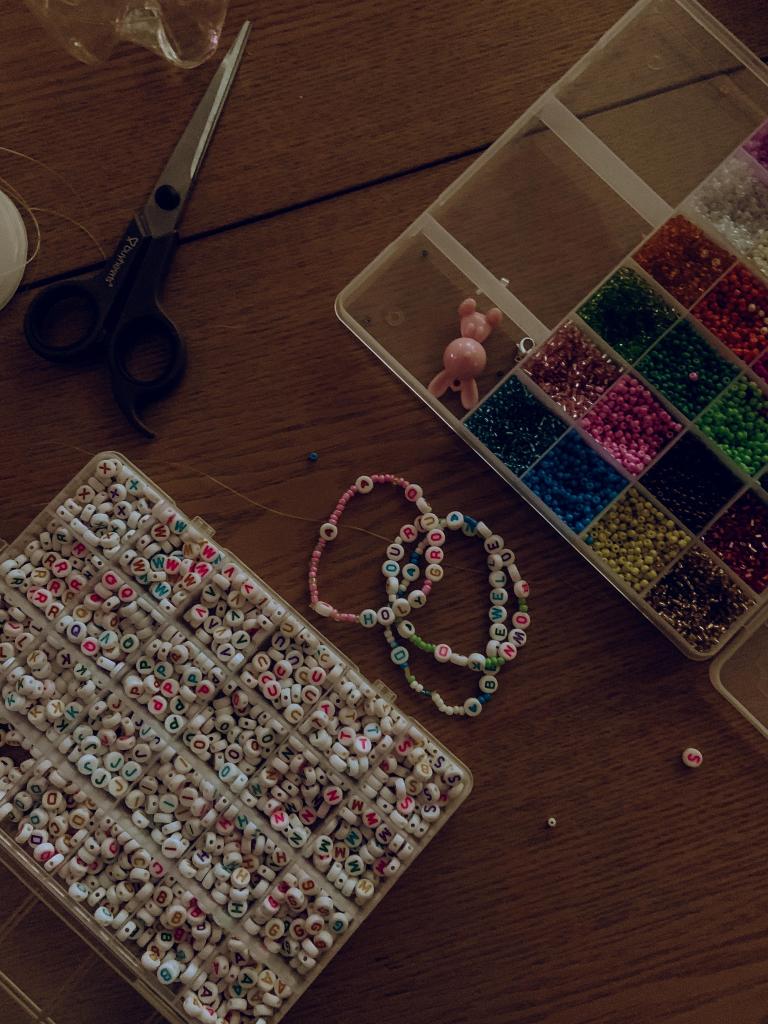
Passei a maior parte de 2023 e 2024 ocupadíssima, mas reservei um tempo para essa festa especial do lançamento de 1989 (Taylor’s Version), organizada pelo clube de fãs de Taylor Swift no KAIST. Algumas das minhas amigas não puderam comparecer, então fiz pulseiras da amizade para elas. Meu look foi inspirado em “Welcome to New York.” Daejeon, Outubro de 2023.

As coisas têm sido melhores nos últimos meses, de formas quase milagrosas — do tipo que poderiam me fazer acreditar de novo que ainda estou seguindo o caminho do fio dourado. Escolhi resistir à vontade de agarrar essa sequência de coisas boas e tecer com elas uma imagem falsa de esperança, uma desculpa para expressar o alívio de me sentir um pouco mais no controle da narrativa. Voltar a estar feliz depois de um tempo miserável é um sentimento estranho, cheio de fissuras que exigem atenção total. Nada do que conquistei diminuiu o peso da minha insuficiência, nem me arrancou da sensação de ser inútil e merecer as acusações que me silenciaram. Continuo perdendo o sono com outras coisas, coisas novas. Aqui, preciso sustentar meus parâmetros: nem meus sentimentos nem minha sinceridade significam nada para os outros se não resultarem em algo de substância, fruto do meu trabalho. Enquanto eu estiver escrevendo para me provar alguma coisa, não vou tocar o centro da questão, e não vai ser bom o bastante. O problema está em outro lugar, e eu preciso continuar procurando.


Dos muitos rascunhos e publicações deste período, algumas coisas chegaram, de fato, bem perto do que eu estava procurando. No Corvo Correio, tudo que publiquei desde Setembro de 2023 foi algum tipo de resposta à minha crise criativa (um paradoxo deveras prolixo). Incluindo “loucura e angústia“, sobre a morte da minha avó — algo que escrevi ao longo de um ano, com traços da autoabsorção da ansiedade e dos lados negativos da interconexão de tudo. Meu favorito de todos é “Reduce, Reuse, Recycle: How to be Disposable,” postado originalmente no sappy sallows, durante uma madrugada de estudos. Para aquele blog, eu também escrevi “at a crossroads,” razoavelmente curto, sobre como minhas lutas profissionais, criativas e emocionais estavam interligadas. Por último, “at-a-distance,” a tentativa mais longa, ampla e ambiciosa até agora, de cruzar teoria e experiência, uma bagunça cheia de potencial (com uma menção inesperada à Taylor Swift).

Antes que a seca atingisse o meu Substack, também consegui fazer por lá algumas coisas das quais me orgulho. Chasing Ideal Types mostrou como minhas perspectivas filosóficas e sociológicas atravessam minhas experiências, e me ajudou a lidar com algumas rejeições. Like a Polaroid capturou diferentes facetas dos motivos pelos quais tenho tido dificuldade para escrever, com mais detalhes e espaço para divagar do que este ensaio atual permite. Em “Nurtured by Ravens,” minha newsletter favorita, compilei trechos de coisas que escrevi sobre meu término, especialmente reflexões sobre a interconexão de tudo, e como ela tanto me abençoou quanto me falhou. Até certo ponto, terminar e publicar esses textos realmente fez com que eu me sentisse mais contente comigo mesma e com o estado da minha vida, ainda que só por um momento.

Eu também experimentei com outros métodos e mídias para expressar minhas ideias e sentimentos. Tanto a Arte quanto as Ciências Sociais me foram úteis neste tempo. Você pode ler mais sobre os projetos nessas imagens aqui.


Minha simpatia sem fim pela Taylor talvez estrague um pouco da minha credibilidade, mas continuo com a impressão de que nós duas estamos trilhando um caminho parecido, ainda que os detalhes das nossas questões sejam completamente diferentes — ela é a maior estrela do mundo, quebrando recordes e se preparando para casar, eu sou a que precisa se preocupar em ter dinheiro para as compras do mês. Mas uma das grandes funções sociais de uma celebridade é se tornar um dispositivo narrativo, um vocabulário público para que pessoas comuns discutam coisas da vida. A mirrorball mais uma vez refletiu minha própria imagem de volta para mim, e eu encontrei algo como resposta. Ao mesmo tempo, por ora, a forma como ela se enxerga no mundo não é a referência que eu quero para mim. Como fã e como escritora, mantenho o meu direito de achar que ela não foi completamente honesta nesse novo lançamento. Mesmo assim, continuo aqui, usando minha pulseira da amizade quase todos os dias, não tanto por ela, mas por todas as outras coisas que ela significa para mim: um lembrete de tudo que fiz para honrar minha juventude, para continuar vivendo com o mesmo coração.

Quanto ao meu bloqueio criativo (ou seja lá como chamar minha crise semântica), acredito que ainda vai demorar até que eu deixe essa temporada no passado. As coisas levarão o tempo que precisam (inclusive este texto, publicado quase duas semanas depois do planejado); eu nunca fui paciente, mas aprendi a ser mais compreensiva. Quanto mais envelheço, mais alguns dos meus problemas parecem ser as perguntas necessárias ao longo do caminho para ser eu mesma. Talvez minhas lutas com sentido e controle nunca desapareçam. Continuo brigando com Deus todos os dias, alimentando a ideia de que talvez eu consiga arrancar alguma soberania de Suas mãos, se me esforçar o bastante. A única esperança para uma controladora é ceder um pouco; se não consigo fazê-lo pela minha paz de espírito, talvez o faça porque preciso alcançar o tipo de honestidade de quem admite a derrota, para lapidar meu ofício e honrar minha vocação. Acreditei que um texto poderia redimir os meus tempos difíceis porque acreditei, acredito, na importância da tarefa de escrever. Mesmo que eu nunca alcance exatamente o magnum opus que imaginei, vou continuar tentando realizar alguma coisa.

Meus agradecimentos à Ashley Chong, minha editora de confiança, e às amigas com as quais eu passei cerca de 200h discutindo esse álbum (e que também tiraram tempo para ler as primeiras versões deste texto): Gésily, Bruna, Gabriela, Rayane, Thaines, Esther, Guilherme, Luiza, e minha irmã Julia.

The Life of a Writer’s Block

I visited This is Taylor Swift: a Spotify Playlist Experience by Spotify in Seoul the day before I turned 30. I went alone, to bid my girlhood goodbye, then I met my friends afterwards, to celebrate properly. I was wearing the friendship bracelet I got at the exhibition, and I’m pretty sure we sang “You Belong With Me” at the karaoke. The day after, my actual birthday, I woke up in a terrible allergic crisis. The friend I was living with at the time left for a business trip, and I spent the day alone in the dark, lying next to a roll of toilet paper, sneezing every 45 seconds until I fell asleep.

This is Taylor Swift: a Spotify Playlist Experience. Seoul, 1 March 2025.

That was the last I had of Taylor Swift for a few months. It wasn’t on purpose; though I did get a bit fed up with her public persona, I was mostly happy for her, her life changing before everyone’s eyes. My life was changing as well, the soundtrack of my days mixing fresh voices and old favourites of my lowest times, the kind of stuff you reach towards when nothing works out, the future looks like a void, and hope feels elusive. In this head space, my hindsight bias tells me we knew that The Life of a Showgirl wouldn’t be our cup of tea since the first teasers. I don’t feel convinced by the music, nor am I particularly attached to the narrative she is pushing. Dwelling on this estrangement made me think about the last 2-3 years of my life, the creative paralysis that crept in through the cracks in my duty as a writer, and my sense of connection with Taylor’s work and story.


Four and a half years ago, I published an essay called “My Love Stories, as told by Taylor Swift” — by far, the most popular piece on my website. I made it clear that I didn’t really consider myself a fan of hers around that time; I wrote the essay because it was funny to me that most of my memories of broken hearts had one of her songs playing in the background. Maybe it was just probabilities boosting the overlaps between a person my age, and the biggest pop star of my generation. Nonetheless, the real driving force behind the essay was that I had finally connected with her story, because of “invisible string.” The lyrics spoke to the heart of my intimate aspirations — the inescapable interconnectedness of everything, and the hope of redemption through love.

After that, I settled at the fringes of her fandom, peeking into their conversations from time to time, through the long-term Swifties in my circles. I followed closely when she released Red (Taylor’s Version), but it wasn’t until Midnights that I felt completely captured by the spirit of her time. It was my first semester studying in Korea, and I projected all of my anxiety about being alone in a distant country onto one of my few friends, a tall, good-looking artist with an interest in Brazilian music. Inspired by the album, I started a separate journal just for the thoughts keeping me up at night — mostly about my crush on him, and whether he felt the same. He told me he was dating someone else a week later, and then started avoiding me altogether. A downpour of emotions, present and past, crashed over me, and I lacked the roots to keep me grounded. I needed help to remember who I was; “You’re On Your Own, Kid” was there for me, to help me bring things into focus every night, on the 15-min walk between my lab and my dorm.

She was also there months later, when I met a guy after a football match. He walked me home, all the sparks were flying, I called my best friend as I walked upstairs, to tell her I had just met The One. Our first date was right when she released the ’Til the Dawn edition of Midnights, with an expanded version of the delicate, dreamy “Snow on the Beach,” which added more whimsy to the joy of that moment. Taylor, on the other hand, ended her six-year relationship the month before. I felt quite conflicted about dwelling on the feeling that sparked my connection to her music, but I was so, so convinced I had found the single thread of gold of my invisible string. I planned to write a sequel to my first essay about love stories, once we had been together for long enough; first, I edited one of my midnight journal entries into a text to celebrate the release of Speak Now (Taylor’s Version), and savour the delight of sharing something about being happy and in love.

We broke up by the end of August, and the irony was not lost on me. We were in Europe, and it was sudden, but not a complete surprise — just the night before, around midnight, I wrote a text about feeling that it was time to go. Still, it was brutal; his cowardice and cruelty tore me apart, cutting open all my core wounds at the same time. I was away from home, surrounded by strangers (who became my friends), all of them graceful enough to help me hold my parts together until I could go back to Korea.

In retrospect, that was the seed of my writer’s block.

When I first shared some of these picture on Instagram, someone told me I looked so “genuinely happy.” At that point, I was running on 2-going-on-3 weeks of no food and no sleep, crying through the night and relying on friends to power through the day. Linz, September 2023 (by Patrick Münnich).


It started with writing the most I had ever had, a new paragraph every couple of hours, in between the other things I had to do. I was desperate to rationalise my way out of the maelstrom of our breakup, and new things were constantly coming up, our paths being entangled by common friends and common business. Though it was such a short relationship, it was devastating, because he blew a hole through the centre of the person I thought I was. I resented myself for being me, and I wrote day and night to reorganise the narrative of my life into something I could truly live with, to move on. On the side, as I worked on my Master’s thesis about meaning and sense-making, all the reading I did pierced through my personal crisis, and it sparked an idea. I wanted to write something big, both scientific and literary, to capture the specifics of such an eventful season and, ultimately, justify my life choices — before myself, first, and before my ex, second. I slept very little, going back and forth between Korea and Austria, all of my free time going into looking for the right thought process towards the magnum opus of my quarter life crisis.

I have published a lot since then, chasing my vision; I created a new blog, with my friend, and a Substack, to keep the thoughts flowing, but nothing lived up to my expectations. First, I was embarrassed of everything I wrote, because of all the emotional shaming I endured. I also distrusted my own feelings, and my ability to attach meaning to my experiences, after being so gravely wrong about him. Enmeshed with the drama of our breakup, I experienced some of the most exciting opportunities of my life, but I self-censored whenever I tried to articulate how I felt about that season, as if every thought I produced was an abhorrent reminder of my dumb sentimentality. I was ashamed of being a writer altogether, called out on the audacity of standing in the midst of real artists with nothing to offer but a vaguely sociological account of feeling and thinking too much. Finally, I felt burdened by the scale of what I wanted to do; such a thing, I have learned, is a sign that one might be trying to overcompensate.


Those who never got over their teenage repulse to anything mainstream cannot understand what is meaningful about connecting with a song that is inescapable, more so in such a fragmented media landscape. I work with independent music, my favourite songwriter is an obscure Icelandic woman with a cult following (to which I have been devoted since I was 17). But Taylor Swift is like a common language, a card you can always pull to make a connection, even in the most unexpected circles. When she released The Tortured Poets Department to much public criticism, I was on her side for the most of it. The overwhelming volume of songs was a handy collection of ways to process the frustrations I was dealing with at the time, as I approached my 30th birthday. I couldn’t put together the writing that I wanted, but I had other people’s words to help me through it.

More than anything, The Tortured Poets Department was unmasked. There were pain and dismay, vividly coming through the musical and visual motifs she chose to portray them, but also lucid confessions of reprehensible attitudes on her end. A lot of work goes into crafting something brilliant, that still sounds fresh, even if it’s telling the same story that countless others have told before. I felt like I was grieving with her, the end of her fateful love story, the loss of the decade-long “what-if” in the back of her mind, the years she had spent in London, the life she thought she was going to have. There were also moments of hope — some from her career and work, some from her new relationship. I have sometimes wondered what kind of work it would have been if she hadn’t already found someone else, by the time she released it. If it would have been as easy to write and sing “I’m pissed off you let me give you all that youth for free” in “So Long, London” if there was no promising new lover bearing the weight of all that she had lost.

Instead of posting my favourite song from The Tortured Poets Department (the title track itself), I will record here my wonderful, unexpected encounter with Patti Smith earlier this year. Seoul, 19 April 2025.


The highlight of The Life of a Showgirl is the very first song: “The Fate of Ophelia” is likeable and deliciously uplifting. Where the lyrics sacrifice emotional complexity for the sake of the allegory, the allusion paints a touching picture of redemption — “you saved me from the fate of Ophelia.”  Like the first time I heard “invisible string,” I felt relieved and hopeful — for her, first, and for myself, second. There are other good moments: “Opalite” is bright and optimistic, and “Father Figure” accomplishes a lot through her rage, an instant classic. The title track, “Life of a Showgirl,” could use a stronger resolution and a bit less cliché (here goes a nod to “Clara Bow”) but it is familiar and inviting, Sabrina Carpenter’s voice making it all the more heart-warming. The rest sounds like a collection of drafts, striking melodic hooks wasted on questionable lyrics with clumsy phrasing, the dissonances aggravated by the expectations she has nurtured over the years. Above all, the whole lacked an anchor. “Eldest Daughter,” the famed track 5 of this release, was, quite frankly, a mistake: no sense of direction, distasteful lyrics with misused satire, the overall depth of a saucer.

I was going to use this space to share a great video essay about the album but then I realised just sharing “The Fate of Ophelia” would be more fun.

Public response to the album has been unavoidable on my side of the internet, ranging from very underwhelmed to utterly disappointed (if we leave out the displays of passionate hate). The volume of discourse surrounding everything Taylor Swift does is maddening, but this deluge of think-pieces is what she worked for — her career was built on bringing everyone onboard her extremely vulnerable, overly detailed, highly ambitious brand of stardom. But, for an album meant to shed light on the other side of her fame, Showgirl sounds like yet another performance (and not on purpose). I don’t think the issue is that she had nothing to say, as some have suggested, but it doesn’t feel like she was ready to do so. Perhaps the time between releases was too short, she was burnt out from the touring, with a clouded judgement (ever for a light-hearted concept). I can excuse my parasocial friend Taylor Swift for being unsure of where she stands during a happy season, but I draw the line as a fan and fellow writer who expects better.

Still, some of her self-awareness seems to align with the material; speaking to Jimmy Fallon, she said this is one of her most well-matched eras, considering where she was when she wrote the songs, and where she is now, upon releasing them. I think back to how I felt about TTPD, and the meaning of her looking back at turbulent times from within the promise of restitution. It makes sense that she sounds all over the place now, if she was used to releasing albums with more emotional distance from the season she was trying to capture. Maybe some of the dissonance would have been avoided if the promo campaign had been less pretentious, but her marketing strategies also seem misguided, as if she can’t tell certain things have changed — even the expectations of her faithful fanbase. Such short-sightedness, I have learned, is a sign that one might be trying to overcompensate; her eagerness to atone for the years of melancholia might have missed the aspirational component of singing about her present happiness. There isn’t much in the music that makes me want to go outside and fall in love as well.

At 1:18, she says “This has just been, like, I think the most well-matched era, in terms of where my life was, when I wrote it, and then where I am now, when it’s out in the world.”


Sifting through the lack of clarity in The Life of a Showgirl made me think of my own writing of the last few years, and the reasons why I have struggled to talk about one of the most eventful seasons of my life.

The simple explanation is that nothing I have written in the last two years or so has truly satisfied my vision, and the standards I set for it. The complicated part is how the vision and the standards came to be. My brand of creative crisis isn’t me staring at a blank page; I could still write paragraphs by the dozens, but they rarely amounted to anything I wanted to let others read. To hope to get out, I had to decide whether my writing was falling short because I needed to work harder, or because I needed to move the benchmark (“a little bit of both” is not enough). Underlying all of it, the hope I entertained, of redeeming such a disastrous season through writing — to make sense of my current state, to convince myself that my path was still the life I believed in, to feel once again proud of what I considered to be my calling. I was eager to prove something, to myself and to others, but the reality of what I had to offer was at odds with what I wanted to accomplish. Back then, I didn’t really believe in myself at all, or in the life I had chosen to live. Right now, I still don’t.

The most enduring aspect has been my disillusionment with the limits of storytelling — an unfamiliar experience, as someone who had always appreciated the semantic horizons of language. I started to hate the feeling of rationalising a difficult season into a more optimistic outlook, or appealing to the interconnectedness of everything to count my blessings. My therapist used to propose that I should relish the freedom to interpret things and bend the narrative to my liking. Instead, I have been angry, because no amount of reframing my losses and failures will grant me power over the overall state of my life, and other people’s freedom to nurture opinions about me that I have not sanctioned. Control, control, control, each new draft increasing my desire of owning up to every failure, rejection and loss of the last few years.

I was busy all the time for the most of 2023 and 2024, but I made the time to attend this special listening party for 1989 (Taylor’s Version), organised by the Taylor Swift club at KAIST. Some of my friends couldn’t come, so I made them all friendship bracelets. My outfit was inspired by “Welcome to New York.” Daejeon, October 2023.

Things have been much better for a couple of months now, in miraculous ways — the kind of thing that could have made me believe once again that I am still tied to the invisible string. I have resisted the urge to grab the streak of good outcomes and weave them into a fake picture of hope, an excuse to express the relief of feeling a bit more in control of the narrative. To feel happy again, after being miserable for a long time, is an unsettling feeling, full of cracks to be watched closely. Nothing I have accomplished has lessened the burden of my insufficiency, or snapped me out of feeling worthless and rightfully shamed into silence. I am still losing sleep over other things, new things. Here, I must uphold my standards: neither my feelings nor my openness mean anything to others unless they achieve something, as a result of my craft. As long as I am writing to convince myself of something, I am not accessing the heart of the matter, and it won’t be good enough. The issue lies somewhere else, and I must keep looking.


Amongst the many drafts and actual publications of this period, a few things did get quite close to the writing I was looking for. On the Raven Post, every single piece posted since September 2023 has been some sort of response to my creative crisis (a paradox, and a very wordy one, if we are being honest). That includes “madness and sorrow“, about my grandma’s death — something I wrote over the course of a year, weaving in traces of the self-absorbedness of anxiety, and the negative sides of the interconnectedness of everything. My absolute favourite one is “Reduce, Reuse, Recycle: How to be Disposable,” originally posted on the sappy sallows. Also for that blog, I wrote “at a crossroads,” a (rather) short account of how my emotional, creative and professional struggles intertwined. Lastly, “at-a-distance,” the longest, broadest and most ambitious attempt I have made so far, of combining theory and experience, messy but full of potential (also, ironically, contains an unexpected mention of Taylor Swift).

Before the drought caught onto my Substack, I did put together a few things of which I am proud. “Chasing Ideal Types” showed how my philosophical and sociological perspectives cut through my experiences, and helped me process a few rejections. “Like a Polaroid” captured different facets of the reasons why I have been struggling to write, with more details and room to wander than this present essay allows. In “Nurtured by Ravens,” my favourite one, I compiled excerpts from things I wrote about my breakup — specifically musings on the interconnectedness of everything, and how it had both blessed me and failed me. To a certain extent, finishing and publishing each of them did make me feel more content with myself and the state of my life, even if for a very short amount of time.

I also experimented with other ways of expressing my ideas, and both Art and the Social Sciences served me a bit during this time. You can read more about the projects in these images here.


My endless sympathy for Taylor Swift might pierce a hole through my credibility, but I am still under the impression that the two of us are walking a similar journey, even though the specifics of our problems are completely different — she is the biggest star in the world, smashing records and preparing to get married, I am the one who has to worry about affording groceries every month. But celebrities are at their best when, to any extent, they serve as a plot device to help common people make sense of their lives. The mirrorball has once again reflected myself back to me, and I was happy to respond. At the same time, for now, the way she sees herself in the world is not the reference I want to entertain. As a fan and fellow writer, I retain the right to think she failed to be completely honest with this new release. I still wear my friendship bracelet everywhere I go, not so much for her, but for the world of other things that it means to me: a reminder of everything I did to honour my girlhood, and to keep living with the same heart.

As for my writer’s block (or whatever we may call my semantic crisis), I believe it will be a while before I put this season behind me. Things will take their time anyway (including this essay, published almost two weeks later than planned); I have never been patient, but I learned to be understanding. The older I get, some of my problems seem to be the necessary questions of being myself. Maybe my struggles with meaning and control won’t ever go away. I am still wrestling with God every day, cradling the thought that I might eventually snatch some sovereignty from His hands, if I try really hard. The only hope for a control freak is to relent a bit; if I cannot do it for my peace of mind, I may do it because I need the type of honesty required to admit defeat, in order to hone my craft, and honour my calling. I believed an essay could redeem the hard times because I believed in the significance of the task of writing. Even if I never accomplish the exact magnum opus I envisioned, I will keep trying to accomplish something.

Many thanks to Ashley Chong, my trusted editor, and to my friends with whom I spent almost 200h going back and forth about this album (and who also took the time to read through the early drafts): Gésily, Bruna, Gabriela, Rayane, Esther, Luiza, and my sister Julia.

Sparks

in honour of Taylor’s Version of “Speak Now” coming out today.

I started a playlist the day we got together for the first time. We had just met the day before. I had known who you were for maybe three weeks, but I had not given myself the space to think or feel anything besides curiosity, and attraction to how pretty your smile was. From afar, you were like a picture-perfect image of something I might as well have imagined while drawing plots of love stories I could be a character in. It seemed so out of my reach, though – until that night when we walked back together after class, and found out we were neighbours. I saw sparks fly all the way home and, as I went upstairs, I called my best friend, and told her that I thought you had seen them, too.

To be honest, at that point, I don’t think I could fathom the thought that you hadn’t felt something as well. My brain was moving faster than the speed of sound, supersonically connecting dots until I could convince myself to fall asleep — which I didn’t, by the way. I navigated that day on a 2-hour nap, trying not to pay attention to you in the classroom, unaware that I was on my way to another sleepless night. We talked until dawn like it was the easiest thing in the world. You told me we should dive into one another, I told you “let’s fall slowly.” I was holding you close, with your head on my chest, and I loved how it felt. I didn’t want to rush it, and ruin it. I wanted the slow burn, I wanted to take my time, I swear to God I did, but I gave into hurry too easily, and it was all Taylor Swift’s fault, when I listened to “Snow on the Beach”, a few hours after we parted ways. It came out last year just a few days before I got my heart broken for the first time in years. I was so upset by all the frustrated expectations I allowed myself to nurture, and the song became a symbol of all the things it seemed that I couldn’t have at the time – someone that I wanted, wanting me just the same. But it happened to you, somehow. It had felt so impossible, and, on my way back home, later that day, I think I could barely believe it was really happening. So I made that playlist. 

And it would have been an okay thing for starters, but I kept adding other songs to it, I kept having ideas about what you could mean to me. That’s when it got out of control. Those songs became projections of who I wanted you to be – but I barely knew who you were! I don’t want to ask you yet, but I wonder if you could tell, during those first few weeks, that I was not taking it slow, like I had said we should, like I had asked you to do. I was much more eagerly looking forward to my imaginary plot, but these first few weeks were not like the perfect beginning I had envisioned, and you didn’t play along the lines of my story, and I panicked when I couldn’t read you as easily as I thought I would. I kept listening to those songs, and thinking of made-up memories of times I expected we would come to live together, and I got increasingly frustrated with how slowly time was moving. And you weren’t every single definition of the person I had imagined you would be — and I was convinced you had to be like that, because the person in my imagination would never break my heart, and I couldn’t stand the thought of getting hurt again. 

I’m glad I took the wise advice of the people around me, aware of my anxious habits, who care to let me know when I’m about to let the voices in my head break apart something that could be good, just because I have no chill. I was so infatuated, and so, so scared, with a tempestuous mind that pours down like a cloudburst. But you made your way, through the lightning and thunder, and you met me there. Doing your best, and being so kind to me, with your peaceful, steady voice, you helped me weather through the storm in my head. And, as the sense of urgency stopped pounding, and I could breathe properly, I could finally appreciate how the appropriate measure of the time we had spent together could be enough for the day. 

Today, when you texted me in the morning, I felt a shift that I hadn’t known in a long time – when an infatuation turns into a little seed of a feeling. It felt good. Without the magnifying glass of anxiety, I can feel everything more clearly, including the pleasure of realising a picture of you, but also how I honestly still feel so scared. I have no idea how you feel, even though I can tell that you like me, and that you respect me, and that you think about me when we’re not together (which is a silly thought, but one that means a lot to me). Honestly, I don’t want to say it out loud yet, but I do think I could love you, but I know there’s a lot of waves I must sail through first – because, if this seed grows into love, I want to love you and who you are, and I don’t think I’ve seen enough of you to get there. I’m scared but I want you to see me, too, and I want you to feel like you could love me, too. I overthink too much, but I’m aware of the mess, and I hope you can see through the cloudy skies when I’m gloomy and struggling to find the right words. Gosh, I still feel so silly around you, so worried about impressing you, wondering what you think of everything. I am still learning to read you, and trust you.

That playlist I started on day 1 looks much smaller now, which is only fitting for what this little time represents. It’s short, but it’s meaningful, because it doesn’t stem from my ideas of who you should be, but from the things I got to see, hear and touch with my own eyes, ears, hands and lips. The thoughts in my head spiral out of control with ease, but the feelings all through my body will keep my cool for the whole of us (I mean, all the different parts of me). But I feel safe, like I can finally take a small step back, and let it be. There are no guarantees, there is no assurance that things will end well, and that none of us will leave with a broken heart, but I feel less and less concerned about how it will end, and more and more appreciative of today, the time we get to spend together, the memories I get to keep – the way you laugh when we’re talking about something stupid, or the way you look when you open the door for me to walk in, and the fact that you care that I like it when you hug me, even though I don’t like hugs. I think I’m falling for you, so things are, indeed, going according to plan.

Photo by Michael Behrens on Unsplash

Minhas Histórias de Amor, segundo Taylor Swift

For the English version, click here.

Dedicado à minha melhor amiga swift de longa-data e xará, Luíza.

alerta de gatilho // menções de distúrbios alimentares

Eu sou uma professora de Inglês com um diploma de Arquitetura e Urbanismo, mas, nas horas vagas, eu estudo fandoms. Eu me identifico como fã de coisas desde muito jovem; por isso, eu levo a alcunha de “fã” muito a sério. Então, no sentido mais estrito da palavra, eu não sou uma fã da Taylor Swift. Eu sou, no entanto, uma jovem senhora de 26 anos que cresceu com as músicas dela no plano de fundo dos meus anos de adolescência. Aos 14 anos, eu assistia o clipe de “You Belong With Me” quase todos os dias no TVZ, o suficiente para saber a letra de cor, e recorrer à essa música quando o menino de quem eu gostava no primeiro ano do Ensino Médio começou a namorar minha amiga mais bonita. 

vamos começar bem

Eu  achava interessante como, no clipe, Taylor lutava  pelo rapaz que amava contra uma versão morena dela mesma. Quando eu tinha cerca de 6 anos de idade, estava no ar a novela “O Cravo e a Rosa”, inspirada na história de “A Megera Domada”, de Shakespeare. Meu cabelinho chanel, minha língua grande e minha irmãzinha caçula de cabelo loiro cacheado me renderam o apelido de Catarina por muitos anos, que eu passei a detestar depois que li a peça no Ensino Fundamental. Eu sonhava em renascer como uma Bianca, doce e amável — alguém como a Taylor, a garota mais bonita que eu já havia visto na altura dos meus 14 anos. Na minha cabeça, ela era alguém com quem eu nunca poderia me comparar; mas, nos quatro minutinhos daquela música, enquanto ela cantava sobre ser uma perdedora, mas ser aquela que realmente entendia o rapaz, eu conseguia acreditar que nós podíamos ser tão parecidas, quase as mesmas.

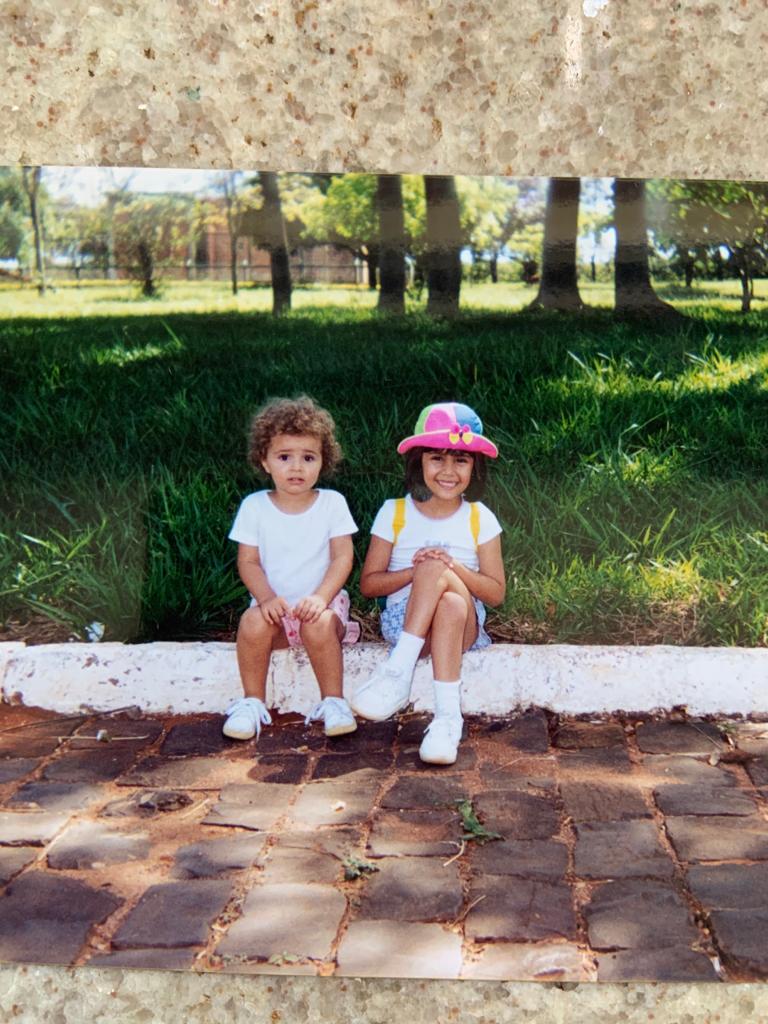
Minha irmã e eu, aos 3 e 6 anos de idade. Fico feliz em comunicar que não me importo mais de ser associada à Catarina (e que permanecerei uma megera indomada) (c. 2001)

Infelizmente para mim, eu cantei essa música para dois rapazes consecutivos no Ensino Médio; assim como o primeiro nunca acordou e percebeu que “o que ele estava procurando havia estado ali o tempo todo” (eu), o segundo também não. Naquela época, parecia o fim do mundo, mas era bem o princípio das dores. O último ano do Ensino Médio foi complicado; depois da rejeição do primeiro rapaz, eu passei a acreditar que, se eu fosse tão magra quanto minha amiga bonita, talvez ele tivesse me escolhido. Depois de um ano lutando contra medidas drásticas, no meu aniversário de 16 eu decidi parar de comer. Essa decisão, que me assombraria pelos dez anos seguintes, não mudou minhas circunstâncias naquele momento: o segundo rapaz passou um ano me enrolando, enquanto ia e voltava com uma menina da nossa sala, e eu escutei “You Belong With Me” sem parar mais uma vez. Mas daí, quando veio nosso baile de formatura, meus colegas de turma me consideraram a menina mais bonita da festa — um tipo de elogio que alguém que foi rejeitada na frente de todo mundo por um ano não espera receber. Dali em diante, eu passei a acreditar que minha beleza, e meu valor, dependiam da minha magreza.

Uma foto minha em 2012, o ano em que entrei na faculdade, aos 17. Tirada com a webcam do meu laptop em algum ponto entre Abril e Agosto.

Eu comecei a faculdade na semana em que fiz 17, muito jovem, magra e orgulhosa. Minha arrogância quase me fez cair numa armadilha — um dos meus veteranos, que tinha 25 anos na época, se aproximou de mim. Ele era um leitor ávido de tudo que eu gostava, apreciador de música e cozinha italiana, tinha um estilo vintage, e fazia eu me sentir importante, vista, e muito madura. Olhando de fora, parecia um cenário ideal para um desastre, mas ele levou poucas semanas para passar de um sonho estético para o cara mais chato que eu já tinha lidado. Eu havia acabado de desperdiçar meus três anos de Ensino Médio sofrendo por caras que não valiam tudo aquilo, e não queria repetir o mesmo erro de novo (não tão cedo assim). Ele protestou, mas eu mesma decidi que era melhor que nós nos afastássemos. Cerca de um mês depois, enquanto ele ainda estava postando no Facebook sobre sentir muito a falta de “alguém”, a incrível “We Are Never Ever Getting Back Together” foi lançada. Escutei essa música sem parar por meses, dançando com a alegria de quem sabia que havia acabado de se livrar de uma bomba. 

Culpada de zero capacidade de autocrítica.

A sensatez que eu demonstrei com meu veterano não deu as caras de novo por alguns anos. Em algum ponto do fim de 2012, eu twittei “Taylor Swift tem o coração quebrado umas cinco vezes por mês”, um comentário corajoso partindo de alguém que se encaixava na mesma estatística. Na mesma época, poucas semanas depois desse tweet, no dia depois do Natal, eu me apaixonei pelo moço que me vendeu um livro sobre o Renascimento em uma livraria, e eu levei quase cinco anos para superá-lo completamente. Nós tínhamos a mesma banda favorita, ele amava minha série de livros preferida, e fazíamos aniversário com dois dias de diferença. Ele tinha uma obsessão juvenil mal resolvida com James Bond, assim como eu tinha com o Batman. Os meses que nós passamos juntos me deram algumas das memórias mais bonitas que eu tenho — essas coisinhas que valem a pena guardar conforme o tempo passa, e o passado fica mais nublado. Quando ele me largou pra ficar com outra pessoa, eu passei uma noite em claro chorando, sentindo uma tristeza que me acompanhou por muito tempo, mesmo quando eu fui escutar “Red” pela primeira vez, alguns meses depois. Eu me lembro que cliquei na música por causa do título, por causa da cor — eu queria saber qual era o som da minha cor favorita. Soava como eu me sentia — “but moving on from him is impossible // when I still see it all in my head // in burning red”. Era uma sexta-feira, e eu me lembro de escutar sem parar aquela música, e aquele álbum, naquele fim de semana, um dos muitos que eu passei terminando trabalhos na sala de projetos 24h da Arquitetura. 

O moço da livraria me deu essa flor da Arlequina quando fomos ao cinema juntos assistir ópera. Eu despedacei em meio à lágrimas quando ele me largou (Abr 2013).

A repetição não foi suficiente para que eu aprendesse algumas coisas importantes; em Setembro de 2013, eu fiz um tweet sobre pessoas que faziam tocar “I knew you were trouble” em loop na minha cabeça, quase como um radar, quando estavam por perto. Se eu tivesse dado ouvidos, teria evitado mais quase um ano de desgaste emocional. Eu ainda estava triste, mas, do meu lugar de tristeza, fiquei fascinada por um amigo dos meus amigos. De longe, tudo sobre ele parecia arriscado demais, mas eu ignorei os sinais, porque estava atraída por correr aquele risco. Eu não me lembro exatamente de como acabamos nos aproximando, mas ele me fazia querer escrever sobre ele, e eu comecei a publicar poemas no meu blog. Ele às vezes lembrava muito um personagem de filme, e me dava espaço para agir como uma também; nós compartilhávamos músicas o dia todo, eu fazia poemas sobre nossas conversas, deixava recadinhos escondidos por onde ele passava para ir pra casa, e eu trouxe de uma viagem uma estátua de leãozinho de presente, por causa do cabelo cacheado que ele tinha. Ele me deu um beijo uma vez, e eu levei quase meio ano pra descobrir que ele tinha alguém o tempo todo — “he was long gone when he met me”. Ele curtiu o post do poema de despedida que eu escrevi, e eu fiquei feliz em saber que ele sabia exatamente o quanto eu desprezava a forma como ele havia brincado comigo.

Acho que minha carência me impediu de entender que eu não deveria fazer tanto por outra pessoa como fiz por ele, mas eu realmente queria muito receber amor de volta. A decepção que veio em seguida acabou sendo a mais difícil, porque daquela vez eu acabei alcançando meu objetivo, e nós ficamos juntos por algum tempo. Esse moço não estava particularmente interessado em mim desde o começo, mas ele também gostava da minha atenção. Nós tínhamos a mesma idade, mas ele era calouro dos meus calouros na faculdade, e nos aproximamos falando de fé e música. Eu também lhe escrevi alguns poemas, e comprei vários livros de presente, que ele nunca leu. A primeira vez em que nós terminamos foi alguns meses depois que “Shake it Off” foi lançada; eu chorei muito, e dancei ainda mais, para sacudi-lo para fora de mim — “Heartbreakers gonna break, break, break, break, break”… Mas não adiantou muita coisa, porque nós voltamos, e foi quase um ano indo e voltando até que ele decidiu que gostava um pouco de mim. Eu achava que ele era tão precioso, e que todo o trabalho duro que eu estava fazendo para que ele se apaixonasse por mim valia a pena. Nas muitas playlists que eu fiz, sempre colocava “Mine” da Taylor, ocasionalmente na voz da Naya Rivera  — “you are the best thing that’s ever been mine”. Pela primeira vez, eu realmente achava que queria me casar com alguém, mas antes nós teríamos que sobreviver ao ano em que eu ia passar estudando na Inglaterra… Mas isso não aconteceu. 

Uma foto de uma viagem pra São Paulo em Dez, 2014, na qual eu planejava esquecer o cara que eu acabei namorando algumas semanas depois. Minha melhor amiga swiftie comentou que eu tinha a energia da Taylor Swift “Red” tour (não tinha) (Dez 2014).

Estar longe dele me fez perceber o quanto eu havia me cansado de trabalhar pra ser amada, e esse sentimento foi me afastando dele, até que terminamos via FaceTime. Eu nem consegui ficar triste; eu me sentia livre. Tentar me tornar a garota que ele queria, que tinha a aparência, as roupas e o comportamento que ele achava desejáveis, havia me apagado inteira, mas agora eu estava no meu país dos sonhos, e tinha tempo pra me reencontrar. Meu intercâmbio foi um ano incrível. Eu era vizinha do estádio do Leicester City, e, naquele ano, nós tínhamos incontáveis placas escritas “Fearless” espalhadas pela cidade, porque aquela foi a temporada em que os “Fearless Foxes” venceram a liga. A associação me fez revisitar “Fearless” incontáveis vezes, e acabei relacionando a música ao líder de louvor bonitinho que me impedia de me concentrar em Jesus nos cultos da minha igreja no Reino Unido. Ele me dava carona toda semana depois dos nossos pequenos grupos, e nós nos divertíamos muito — “In this moment now, capture it, remember it”. Ele era legal e gentil, e às vezes parecia que ele estava tão distraído por mim quanto eu estava por ele, mas as circunstâncias mostraram que não íamos virar nada. Eu fiquei entristecida por um tempo, e ainda estava triste quando voltei pro Brasil, mas a dor passou rápido, e eu guardei mais coisas boas que ruins. Eu achava que me apaixonar na Inglaterra seria muito bonito, mas hoje eu vejo que ele estava certo em não deixar que fosse outra coisa. Por sorte, eu guardei um bom amigo.

Eu acho que postei cerca de uma dúzia de snaps cantando “Fearless” filmando essa placa ao longo da temporada (Maio 2016)

De volta ao meu país, eu sentia que havia chegado a um certo limite de tentativas fracassadas, e estava pronta para uma longa temporada sozinha. Não parece que foi há tanto tempo assim, mas eu só tinha 21, o que é razoavelmente menos que 26. Nem preciso dizer que não cumpri minha promessa — eu já estava apaixonada (e triste) de novo quando fiz 22. Mas dessa vez, eu juro que realmente parecia que as coisas seriam diferentes; mesmo tendo terminado mal de novo (spoiler!), hoje eu vejo que a sensação que eu tive foi só uma consequência do ar de seriedade que tudo na vida começa a ganhar quanto mais adulto você se torna. Ele era de longe a pessoa mais interessante que eu já havia conhecido, e nós nos identificamos intelectualmente de uma forma que eu sempre havia desejado me identificar com alguém. Nos tornamos ótimos amigos, e eu recebi sinais confusos o suficiente para gravitar por quase dois anos ao redor dele. Na minha cabeça, ele era um Superman de verdade, como aquele sobre quem a Taylor canta — sempre voando, fazendo algo para salvar o mundo, enquanto eu estava em casa, terminando minha graduação e descobrindo o que faria depois — “I’ll be right here on the ground // when you come back down”. Isso foi em 2017, o ano em que as músicas dela voltaram para o Spotify, em Agosto; “Superman” apareceu na minha lista de mais tocadas do ano, assim como “Sparks Fly”, que conseguiu o 2º lugar. “Red” também estava lá. 

Entender que eu precisava seguir em frente aqui foi muito difícil, porque eu alimentava uma esperança torta de que eu deveria ficar por perto, porque valia a pena esperar por ele — “I’m captivated by you baby // like a fireworks show”. Eu já havia sido rejeitada muitas vezes àquela altura, mas reconhecer que não seria diferente dessa vez demandou muito, porque eu acreditava que aquela era a melhor versão de mim, oferecendo tudo que eu tinha de melhor, para alguém que me parecia ser a melhor pessoa que eu poderia conhecer — e eu não fui suficiente. Mesmo tendo deixado ele pra trás há alguns anos, eu ainda estou me livrando dos resquícios dessa frustração específica. No meio do processo de entender que era hora de sair daquela situação, o moço da livraria, que nunca havia saído totalmente do fundinho da minha cabeça, entrou em contato comigo, querendo se desculpar por ter me largado sem muitas explicações há cinco anos. Lembrar desse momento ainda parece um delírio da minha lembrança, mas me ajudou a colocar todo apego que eu ainda tinha às nossas memórias bonitas no lugar certo, e me incentivou a dar passos para colocar um fim em coisas que não precisavam se arrastar. Enviei um email ao Superman algumas semanas depois, no dia exato em que completavam dois anos que havíamos nos conhecido, abrindo meu coração e me despedindo de vez. E então, meu coração ficou vazio de amores, e eu fiquei sozinha comigo mesma (e meu diploma).

Queria poder dizer que o ano seguinte foi como “I Forgot That You Existed”, mas não foi — foi bem ruim, de várias formas. Eu havia ganhado muito peso no ano anterior, por causa do estresse do meu TCC, e os pensamentos que me assombravam desde os 16 voltaram com força, e eu me sentia muito indigna de amor. Minha confiança estava em um ponto baixíssimo, mas, mesmo como recém-formada, triste e confusa, eu achei oportunidades de me divertir. Eu acompanhei o lançamento de “ME!” de perto, não só como fã de Panic! De muitos anos, mas porque queria ver se o clipe bateria o número de views nas primeiras 24 horas do clipe de “Boy with Luv” do BTS, que havia saído exatamente duas semanas antes. Foi nesse ponto baixo que eu comecei a estudar fandoms, e no fim daquele ano eu voltei pro Reino Unido pela primeira vez desde 2016 para apresentar minha pesquisa em uma conferência. Eu não reencontrei o líder de louvor que me distraía quatro anos antes, mas encontrei meu casal de melhores amigos, queridas amigas da internet, e alguns amigos da faculdade. Um deles era um jovem Arquiteto lindo e genial por quem eu tive uma queda platônica durante o intercâmbio. Dois dias antes de retornar para o seu país para as férias de verão, ele me disse que tinha um queda por mim também. Eu pensei nele várias vezes ao longo dos anos, imaginando se algo teria sido diferente se nós tivéssemos confessado um pouco antes. Encontrá-lo de novo foi doce. Nós tomamos um negocinho e conversamos sobre a vida juntos antes que eu voltasse para o Brasil de novo. Na época, a Taylor ainda não havia lançado “folklore”, mas quando lançou, eu ainda tinha a nossa conversa boba e despretensiosa passeando pela minha mente, a coisa na qual eu mais pensei quando ouvi “the 1” — “if one thing had been different // would everything be different today?”. Ele está em um relacionamento agora, e eu desejo pra ele tudo de melhor, porque ele é o melhor moço que eu conheço; poder ficar feliz por ele sempre faz eu me sentir melhor sobre o resto. 

Meu coverzinho bobo de “the 1”. Eu não sou boa nisso, mas gosto de fazer mesmo assim.

Desde então, ninguém mais esteve no meu coração. Queria ter contado uma história com um final mais feliz, mas o melhor que eu tenho é isso. Mas eu espero que você não tenha me entendido errado — eu não me vejo como uma vítima da vida. Eu tive algum azar, mas, no final das contas, sou apenas uma pessoa que demorou demais pra entender que realmente poderia fazer coisas melhores na vida além de namorar os moços por quem ela foi obcecada em diferentes temporadas. Acredite se quiser, isso não é nem metade das minhas histórias; além de todos os detalhes que eu preferi omitir, ainda tenho mais moços, que causaram mais drama, um ou dois que valeram a pena, e um ou dois com quem fui eu quem errei muito, mas cuja trilha sonora não eram músicas da Taylor — talvez eu tenha que escrever outro texto, contando tudo da perspectiva de “Electra Heart”. Eu entendo que o valor de acumular tantas histórias assim é questionável, mas eu estaria mentindo se dissesse que não gosto de recontar as coisas imbecis que eu fiz, como uma terceira pessoa que se entretém observando um personagem fazendo escolhas ruins, desejando poder intervir e contar o que acontece depois. Talvez seja a melhor forma que eu encontrei para lidar. 

Mas eu acho que as coisas pelas quais eu passei fazem com que eu me sinta feliz pela Taylor, e não só porque ela teve êxito construindo um império de cada vez em que seu coração foi partido: testemunhar suas histórias com amigos e amantes contadas pela mídia, enquanto eu mesma navegava meus próprios desafios, faz com que eu sinta alguma coisa queimando quando ela canta “hell was the journey, but it brought me heaven”. Ela tinha 30 quando lançou isso; eu tinha 25 quando ouvi pela primeira vez, a idade na qual eu sempre desejei me casar. Como uma solteira de 26 anos, às vezes eu sinto o peso da passagem dos meus 20, e do desafio de repensar o que significava ser jovem e cheia de esperança aos 18, e o que isso significa agora. Não são muitos anos, mas são muitas mudanças, mas eu entendo que a melhor percepção das coisas só se torna discernível conforme o tempo passa. Toda vez que eu relembro das minhas histórias de amor, e me surpreendo de novo com minha estupidez, eu reconheço que a poucas pessoas é concedido o dom de tirar um final feliz do meio da própria tolice. Por outro lado, fico feliz que nenhum desses homens por quem eu sofri se tornou mais que um ponto em uma página na minha história, porque a chave de tudo é entender que eu estava correndo atrás de quem não pertencia a mim. Aliás, um deles acabou se casando com a garota por quem ele me trocou, e eles acabaram de se tornar pais. Talvez eu também devesse mandar um presente para o bebê dele. 

My Love stories, as told by Taylor Swift


For the Portuguese version, click here.

Dedicated to my long-time best swiftie friend and namesake, Luíza.

TW // mentions of eating disorders

I’m an English teacher with an Architecture degree, but, as a side thing, I study fandoms. I’ve identified myself as a fan of things ever since I was a very young person; because of that, I take the moniker of “fan” very seriously. So, in the strictest sense, I am not a Taylor Swift fan; I am, however, a 26-year-old who grew up with her songs in the back of my early teenage and young adult years. I watched her adorable music video for “You Belong With Me” almost every day on TV back in 2009, enough times for me to enjoy the song, and know the lyrics by heart, and resort to them when the guy I liked in the first year of High School ended up dating my prettiest friend. 

we’re off to a great start.

I thought it was interesting how, in the music video, Taylor fights against her own brunette self, for the boy she loves. When I was around 6 years old, there was this popular Brazilian soap opera after Shakepeare’s “The Taming of the Shrew”. I had a little brown bob haircut, a big mouth and a blonde curly-haired sweet little sister — I got the nickname of Catarina (Katherina in the adaption), which I grew to hate once I read the play in middle school. I longed to look like a sweet, beautiful, loveable Bianca Minola — someone like Taylor, the prettiest girl I had ever seen at my big age of 14. In my head, she looked like someone I would never be as good as; but, under the four minutes of that song, singing about how she was an underdog and how she was the one who understood him made me believe we could be so similar, almost the same.

My sister and I, at 3 and 6 years old. I’m happy to inform I’m no longer bothered by being associated to Katherina Minola (though I shall remain an untamed shrew) (c. 2001)

Sadly for me, I sang this song to two consecutive guys in High School; just as the first one never woke up and found that what he was looking for had been there the whole time (me), neither did the second one. Back then, it felt like the end of the world, but it was just the beginning. My senior year was a very complicated one, because, after the rejections of the year before, I was led to believe that, if I looked skinny like my pretty friend, maybe things would have been different, maybe he would have picked me. I stopped eating, developing an eating disorder that would follow me into the next decade. Rejection followed too; the other guy spent a year playing with my heart, as he went on and off with another girl from our class, and I had “You Belong With Me” on repeat again. I felt bitter about rejection, but, somehow, I ended up being regarded as “the prettiest girl” at prom, a type of compliment I had never dreamed about, let alone after being turned down in front of the whole class for a year. But it seemed that, whatever people couldn’t see about me before, had come out when I became very skinny, and, in my head, skinny pretty and worthy of being loved were the same.

A picture of me in 2012, the year I started uni, at 17. Taken with my laptop’s webcam.

I started university the same week I turned 17, very young, very skinny, and somehow very proud. My arrogance almost led me into a trap — I was approached by one of my seniors, who was 25 at the time. He was an avid reader of everything I enjoyed, knowledgeable about music and Italian cuisine and vintage clothing, and he made me feel important, and seen, and so mature. Looking from the outside, it seemed like a perfect scenario for a disaster, but after a couple of weeks he just turned out to be the dullest guy I had ever met. After wasting my three years of high school on guys that weren’t really worthy of my time, I wasn’t interested in repeating the same mistake (not that quickly), so I just cut him off, to his absolute displeasure. Around a month later, when he was still making sad posts about missing “someone” so much, the anthemic “We Are Never Ever Getting Back Together” came out. I had this song on repeat for months, spinning with youthful joy to its circular melody as I enjoyed having just ditched a bullet. 

“Taylor Swift has her heart broken five times a month” – the lack of self-awareness speaks volumes

The sensibility I had shown proved to be a one-time thing very soon, not once, but repeatedly; at some point in late 2012 I tweeted that “Taylor Swift gets her heart broken five times a year”, but such a joke could only be made by someone whose heart was also getting broken left and right. Around that late 2012, the day after Christmas, barely weeks after that tweet, I fell for the guy that sold me a book about Renaissance in a bookshop, and it took me nearly five years to completely get over him, even as I was getting crushed by others along the way. We both loved the same bands, he loved my favourite YA book series, and our birthdays were two days apart; he had an unresolved teenage infatuation with James Bond, the same way I had one with Batman. The months we spent together gave me some of my sweetest memories, the little things that are worth holding even as memories fade. When he left me for someone else, I stayed up all night crying, and the sadness I felt stayed with me for the months that followed, to the end of 2013 into 2014. When I first played Taylor’s “Red”, I wanted to know what a song titled after my favourite colour would sound like, and it sounded just like I felt at the time — “but moving on from him is impossible // when I still see it all in my head // in burning red”. I had the song, and the full “Red” album on constant repeat that specific weekend, one of the many that I spent working at my uni’s Architecture studio room.

Bookshop guy gave me a Harley Quinn flower when we went to the movies to watch opera. I tearfully tore it apart when he left me (Apr, 2013).

All that repeating should’ve taught me better than it did; in September 2013, I tweeted about people whose proximity made me hear Taylor singing in my head “trouble, trouble, trouble”; had I given her ears, I would have avoided yet another year of emotional waste. I became fascinated by this guy that was an acquaintance of my friends. Everything about him screamed that I shouldn’t come too close, but I ignored it, because I was stupidly attracted to being challenged by danger. I don’t remember exactly how we became close, but he was so alluring that I started writing poems about him, and I posted them under a specific tag in my blog (and they’re all still here). In many ways, he behaved like some sort of cult movie character, and he gave me room to play the role of one, too; we exchanged songs all day long, I left small paper notes on the way he took to go home, and I brought him a little lion figure from a trip, because he had curly hair, and a t-shirt from his favourite movie. I got a kiss from him once, and then it took me another half a year to learn he had been seeing someone else – “he was long gone when he met me”. He liked the post of the farewell poem I wrote, and I was glad to know he knew how much I despised how he had played with me.

I was, however, becoming very needy, and I wasn’t clever enough to realise I should never go out of my way for someone the way I did for him. The disappointment that followed ended up being the hardest one, because we actually stayed together for a longer time. This guy wasn’t particularly interested in me, but he enjoyed my attention. We were the same age, but he was two years my junior at uni, and we got closer talking about faith and music. I wrote him a poem too, and bought him a bunch of books that he never read. The first time we broke up was months after “Shake It Off” was released; I cried a lot, and danced twice as much, to shake him off me — “Heartbreakers gonna break, break, break, break, break”… But it ultimately didn’t really work, because we got back together. It took almost a year going on-and-off until he kind of realised he could like me. I thought he was so precious that all the hard work I was doing for him to fall in love with me was worth it. I made him many cute playlists, either with Taylor’s “Mine”, or Glee’s beautiful version by Naya Rivera — “you are the best thing that’s ever been mine”. For the first time, I really wanted to marry someone, but we would have to get through the year I was supposed to spend studying in England first… And we didn’t.

A picture from a trip to Sao Paulo in late 2014 in which I intended to forget the guy that I would go on to date for months a few weeks later. My best swifitie friend left a comment saying I was in the spirit of Taylor’s “Red” tour (Dec 2014)

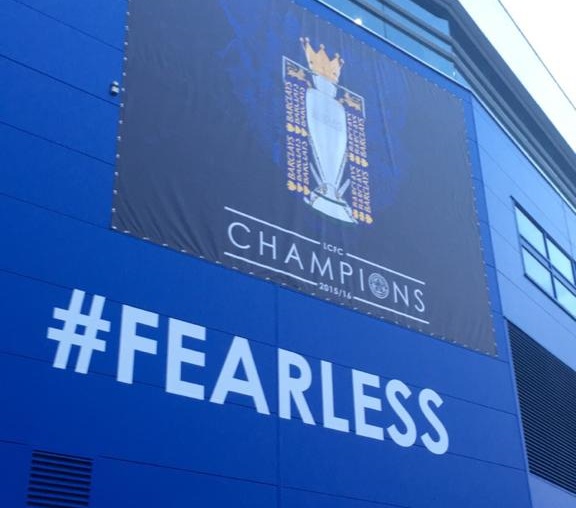
Being away from him made me realise how worn out from working for love I had become, to the point that it made us grow distant, until eventually breaking up over FaceTime. I wasn’t sad whatsoever; I felt free. Trying to become the girl he wanted, who looked, dressed up and behaved a way he found desirable, had crushed me, but now I was in my dream country, and I had time to find myself again. I lived right next to Leicester City’s home stadium, and that year we had the word “Fearless” written all over the city, because it was the season the fearless foxes won the league. I revisited Taylor’s “Fearless” countless times, eventually tying it up to the cute worship leader that kept me from focusing on Jesus at my local British church. He gave me a lift to my student court every week after our small groups, and we had so much fun, and at some point I thought he was just as distracted by me too. “In this moment now, capture it, remember it”. He was sweet, but we weren’t going anywhere. I was really upset about it for a while, and I returned to Brazil still feeling a bit sad, but the hurt passed rather quickly, and I kept a lot more good than bad. Somehow, I thought that falling in love in England would be beautiful, but now I see that he was right not to let me get closer. Luckily, I kept the nice friend. He was the one who proofread every text in English I posted in 2016.

I must have posted at least a dozen snapchats filming this and singing “Fearless” throughout the season (May, 2016)

Back in Brazil, I felt like I had reached some sort of roof with all those failed attempts, and I was ready for a long single season. It doesn’t feel like a long time ago, but I was only 21, which is significantly younger than 26. I certainly did not live up to my promise – I was already in love and hurting again before I even turned 22. This time felt different, though; it didn’t really amount to anything other than hurt (spoiler!) so I guess I was just feeling a bit of that bitterness that comes with just how serious everything starts to look and feel like after you become more of an adult and less of a teenager. He was by far the most interesting person I’d met, and we clicked intellectually in the way I’d always dreamed I would click with someone. We became very good friends through books, music and politics, and I got enough mixed signs to hang around for two full years. In my head, he was a real Superman, just like the one Taylor sings about — flying and saving the world while I was alone at home, finishing my degree, and figuring out what to do next. “I’ll be right here on the ground // when you come back down”. That was 2017, the year her catalogue came back to Spotify, in August. “Superman”made it to my end-of-year most listened list, as well as “Sparks Fly”, which got second place overall. “Red” also showed up. 

Falling out of love with Superman was tough, because I had some odd hope I should keep on sticking around, because he was worth it — “I’m captivated by you baby // like a fireworks show”. I had been rejected way too many times at that point, but that one was different; I had met someone who seemed to be all that I had thought that would be good for me to have, and I had offered all of the very best I had, all of the very best I was, and it wasn’t enough. I’m still moving on from that feeling, and, sadly, it takes time. I was coming to terms with having to force myself to get over him when the guy from the bookshop that I still had in the back of my mind got in touch with me. He wanted to apologise for leaving me hanging for all those years. To be honest, I didn’t really need that closure, and I told him so, but I could finally let go of my love for the flashes and echoes of our time together that came to me once in a while. In a way, I also think that made me long for putting an end to things that shouldn’t drag. I sent Superman an email a few weeks later, the exact day it turned two years since the first time we met. And, then, my heart was empty and I was alone with myself (but with a Bachelor’s degree).

I wish I could tell you about how the following year sounded like “I Forgot That You Existed”, but it didn’t – it was miserable, in many ways. I had put on a lot of weight over the year before, writing my Bachelor’s Thesis, and all the thoughts that had followed me since my senior year came back – because, now that I had put on weight, whatever people could see in me wouldn’t be visible anymore. My confidence was at an all-time low, but, even as a sad graduate, I made myself time to have fun. I closely followed the release of “Me!”, not just because I’ve been a Panic! fan for many years, but also because I wanted to see if it would surpass the first 24-hour views of BTS’s “Boy with Luv”, which had been released exactly two weeks before. At this all-time low, that’s when I started studying fandoms as a side thing, and that’s the reason I ended up on a plane to London by the end of the year, to attend an academic conference. It was my first time in the UK since 2016; I couldn’t meet the worship leader that distracted me four years ago, but I met my couple of (now married) best friends, some sweet internet friends, and even some friends from university. One of them was a cute, genius young Architect I had a platonic crush on back in 2016. Two days before he left the UK to go back to his own country for the Summer, he told me he had a crush on me too. Once in a while, over the years, I would think about him, and wonder if anything would have been different if we had spoken to each other earlier. Meeting him again was sweet. We had a pint together before I flew back. At the time, Taylor still hadn’t released “folklore”, but when she did, I still had our fun, light conversation stuck in my head, the one thing I think the most about when I hear “the 1” — “if one thing had been different // would everything be different today?”. He’s in a happy relationship now, and I wish him all the best, because he’s the best guy I know, and being happy about him makes me feel better about the rest. 

my little cover of Taylor’s “the 1”. I’m not good but I enjoy doing this.

I also wish I could tell a story with a happier ending, but the best I have is “And no one has been in my heart ever since”. But don’t get me wrong, I don’t see myself as a victim here. I’ve been unlucky so far, in a way, but, at the end of the day, I’m just a person who took too long to realise she would do better things in life besides dating the guys she was obsessed with at every season. Believe me or not, this is just half of my stories; there’s a lot more drama, and even more stupid guys, and maybe one or two that were worth the trouble, and a bunch of stuff that was wrong on my end too (but to which Taylor wasn’t singing along in the back — maybe one day I could also write about what Electra Heart has to say about my series of unfortunate love events). There is a debatable value to storing up so many love stories, but I do enjoy recounting the stupid stuff I did, like a third-person watching a character making wrong moves, wishing they could tell them what comes next. Maybe it’s just a coping mechanism, but it works.

But I think what I’ve been through makes me happier for Taylor, and not only because she succeeded in building an empire out of her heartbreaks: witnessing her stories with friends and lovers as told by the media, having my own share of struggles along the way, even as a non-fan, makes me feel a certain way when she sings “hell was the journey, but it brought me heaven”. She was 30 when she released this. I was 25 when I first heard it, the age I always said I wanted to get married. As an unmarried 26-year-old, I sometimes feel the weight of my 20s passing, and the struggle of rethinking what it meant to be young and hopeful back at 18, and what it means now. It doesn’t always feel like a long time (and it’s not), but this is probably easier to figure out as you get older. Whenever I recount my love stories, surprised at my own stupidity, I realise that only some people are given the gift of getting a happy ending out of their foolishness. On the other hand, I’m glad none of these men that made me suffer amounted to anything else in my life, because the trick is the realisation that I was chasing after the ones that didn’t really belong with me. Funnily enough, one of them ended up marrying the girl he rejected me for, and they’ve just become parents. Maybe I should send his baby a present too.