A Vida de Um Bloqueio Criativo

Um dia antes do meu aniversário de 30 anos, visitei This is Taylor Swift: A Spotify Playlist Experience em Seul, para me despedir da minha juventude. Fui sozinha, encontrei minhas amigas depois, para celebrarmos. Estava usando a pulseira da amizade que ganhei na exposição, e acho que cantamos “You Belong With Me” no karaokê, depois de alguns drinks. No dia seguinte (meu aniversário de fato), acordei em meio a uma terrível crise alérgica. A amiga com quem eu morava na época precisou viajar a trabalho, então passei o dia sozinha, no escuro, abraçada à um rolo de papel higiênico, espirrando sem parar até pegar no sono.

This is Taylor Swift: a Spotify Playlist Experience. Seoul, 1 de Março de 2025.

Depois do meu aniversário, Taylor Swift desapareceu dos meus dias por alguns meses. Não foi de propósito; acho que cansei um pouco da imagem pública dela, mas sempre feliz pela loirinha, sua vida mudando diante dos olhos de todo mundo. A minha também mudava; a trilha sonora dos meus dias juntava vozes novas aos velhos favoritos das minhas piores temporadas, as canções às quais eu recorro quando nada dá certo, o futuro parece um vazio, e a esperança se esconde. Considerando tudo, acho que eu sabia, desde os primeiros teasers, que The Life of a Showgirl não seria a minha praia. De fato, a música não me convenceu, nem me sinto particularmente afeiçoada da narrativa que ela está vendendo. Refletindo sobre esse estranhamento, comecei a pensar nos últimos dois ou três anos da minha vida, na paralisia criativa que se infiltrou pelas rachaduras do meu ofício de escritora, e no meu próprio senso de conexão com a obra e a história da Taylor.


Há quatro anos e meio, eu publiquei um texto chamado Minhas histórias de amor, contadas por Taylor Swift — até hoje, o post mais lido do meu site. Na época, deixei bem claro que não me considerava propriamente uma fã; escrevi o ensaio porque achava engraçado que quase todas as minhas histórias de coração partido tinham, de pano de fundo, alguma canção da Taylor. Talvez fosse apenas a estatística jogando a favor das coincidências entre alguém da minha idade e a maior popstar da minha geração. Ainda assim, o verdadeiro motor daquele texto foi que, enfim, eu tinha me conectado com ela, por causa de “invisible string”. A letra tocava o âmago das minhas aspirações íntimas — a inescapável interligação de todas as coisas e a esperança de redenção pelo amor.

Depois disso, fiquei às margens da comunidade de fãs da loirinha, espiando alguns debates de vez em quando, através das Swifties de longa data que conhecia. Acompanhei de perto quando ela lançou Red (Taylor’s Version), mas foi só em Midnights que me senti completamente capturada pelo espírito do momento. Era meu primeiro semestre estudando na Coreia, e eu estava projetando toda a ansiedade de estar sozinha num país distante em um dos poucos amigos que tinha: um artista alto, bonito, interessado em música brasileira. Inspirada pelo álbum, comecei um diário separado, só para os pensamentos que me mantinham acordada à noite — quase todos sobre minha afeição por ele, me questionando se ele sentia o mesmo. Uma semana depois, ele me disse que estava namorando outra pessoa, e logo em seguida começou a me evitar completamente. Uma enxurrada de emoções, antigas e recentes, despencou sobre mim, e eu ainda não tinha raízes profundas o bastante para não me abalar. Eu precisava de ajuda para lembrar quem eu era; “You’re On Your Own, Kid” estava lá, todas as noites, me ajudando a reencontrar meu foco, na caminhada de quinze minutos entre o laboratório e o dormitório. 

Ela também estava presente meses depois, quando conheci um cara depois de um jogo de futebol. Ele me acompanhou até em casa, todas as minhas luzes se acenderam; liguei para minha melhor amiga ainda nas escadas, para dizer que tinha acabado de conhecer O Cara Certo. Nosso primeiro encontro foi justamente na época em que ela lançou a edição ‘Til the Dawn de Midnights, com a versão expandida da delicada e etérea “Snow on the Beach”, que acrescentou ainda mais encanto à alegria daquele momento. Taylor, por outro lado, tinha acabado seu relacionamento de seis anos no mês anterior. Foi difícil processar a experiência do sentimento que havia instigado minha conexão com a música dela, mas eu estava tão, tão convencida de que tinha finalmente encontrado o fio dourado da minha invisible string. Imediatamente comecei a planejar uma continuação do meu primeiro texto sobre histórias de amor; antes disso, peguei uma das entradas do meu diário de Midnights e transformei em um texto para celebrar o lançamento de Speak Now (Taylor’s Version), saboreando o prazer de compartilhar algo sobre estar feliz e apaixonada.

Terminamos no fim de agosto, e a ironia não me escapou. Estávamos na Europa, e foi repentino, mas não exatamente uma surpresa — na noite anterior, perto da meia-noite, eu escrevi no meu diário sobre o sentimento de querer ir embora. Mesmo assim, foi brutal; a covardia e a crueldade dele me despedaçaram, abrindo ao mesmo tempo todas as minhas feridas mais profundas. Eu estava longe de casa, cercada de estranhos (que depois viraram amigos), todos gentis o suficiente para me ajudar a manter meus pedaços juntos, até eu poder voltar à Coreia. 

Em retrospecto, aquele foi o começo do meu bloqueio criativo.
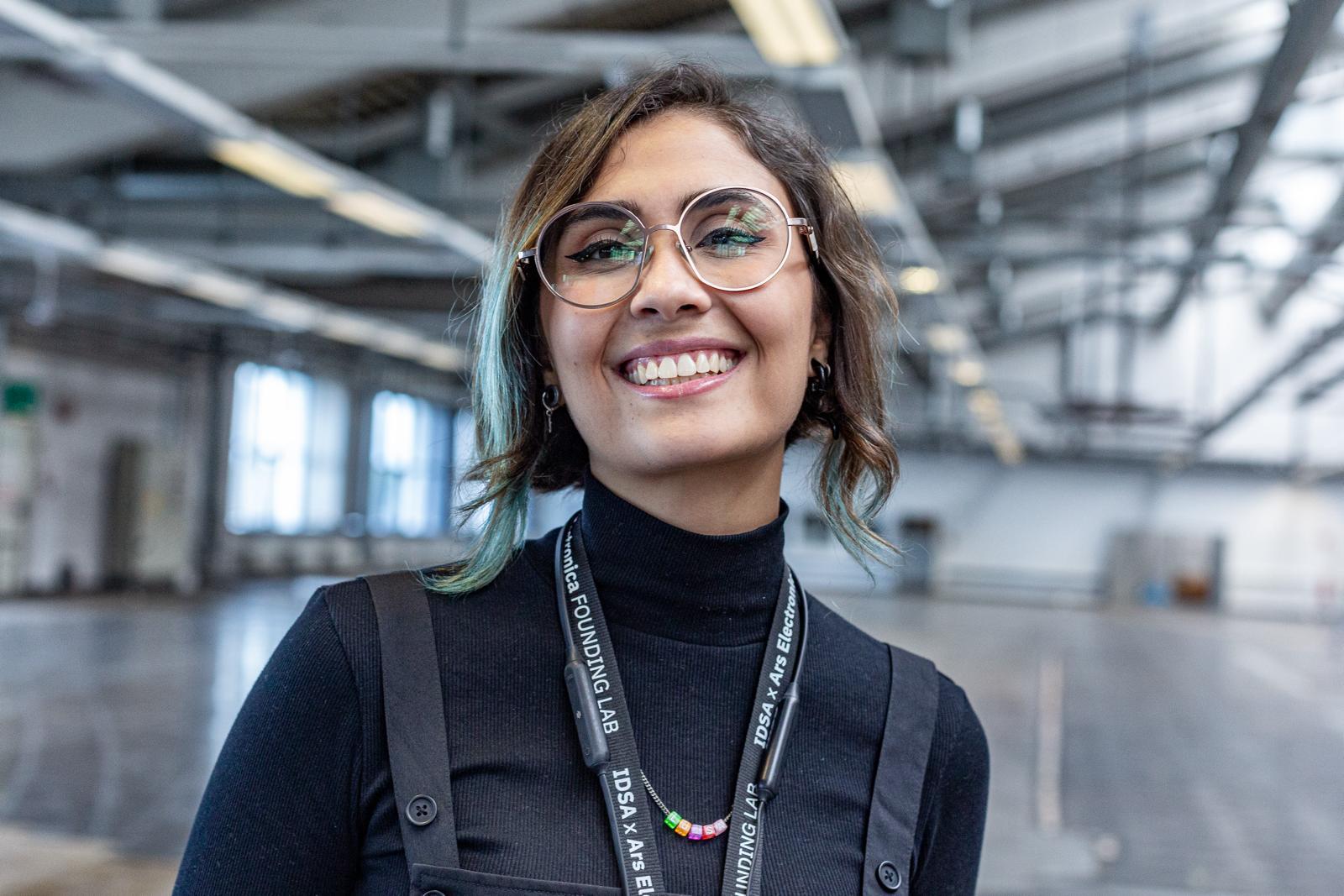
Quando postei algumas dessas fotos pela primeira vez no Instagram, recebi uma DM dizendo que eu parecia muito leve e feliz. Àquela altura, eu estava há 2, quase 3 semanas sem comer ou dormir, chorando a noite toda e sobrevivendo durante o dia pela graça de Deus e dos meus novos amigos. Linz, Setembro de 2023. Fotos por Patrick Münnich.


Começou com uma enxurrada de palavras, como nunca antes: um parágrafo novo a cada poucas horas, entre as muitas outras tarefas que eu tinha para cumprir. Eu estava desesperadamente tentando criar um caminho lógico para fora do turbilhão do nosso término, mas coisas novas surgiam o tempo todo, nossos caminhos continuavam entrelaçados por amigos e compromissos em comum. Apesar de ter sido um relacionamento tão curto, foi devastador, porque ele abriu um buraco no centro da pessoa que eu acreditava ser. Eu me ressentia por ser quem eu era, e escrevia dia e noite para reorganizar a narrativa da minha vida em algo com que eu pudesse verdadeiramente conviver, para seguir adiante. Paralelamente, eu trabalhava na minha dissertação de mestrado, discutindo sentido e produção de significado, todas as leituras atravessaram a minha crise pessoal e despertaram uma ideia. Queria escrever algo grande, meio científico, meio literário, para processar os detalhes de uma temporada tão intensa e, em última instância, justificar as minhas escolhas de vida — primeiro, diante de mim mesma, depois, diante do meu ex. Eu dormia muito pouco, indo e voltando entre a Coreia e a Áustria, colocando todo o meu tempo livre na busca pela linha de pensamento que me levaria até o magnum opus da minha crise dos vinte-e-tantos.

Desde então, publiquei bastante, correndo atrás dessa visão; criei um blog novo, com uma amiga, e um Substack, para manter as ideias fluindo, mas nada correspondeu às minhas expectativas. Primeiro, eu sentia vergonha de tudo o que escrevia, por toda a humilhação emocional que tinha enfrentado. Também passei a desconfiar dos meus próprios sentimentos e da minha capacidade de dar sentido às minhas experiências, depois de ter me enganado tão gravemente a respeito dele. Emaranhada no drama do nosso rompimento, vivi algumas das oportunidades mais empolgantes da minha vida, mas acabava me autocensurando sempre que tentava articular como me sentia naquele período, como se cada pensamento fosse um terrível lembrete da minha sentimentalidade imbecil. Eu até sentia vergonha de ser escritora, a ousadia de me colocar entre artistas de verdade sem ter nada a oferecer além de um relato vagamente sociológico de sentir e pensar demais. Por fim, eu me sentia cada vez mais sobrecarregada pela escala do que queria fazer. Esse tipo de atitude, eu aprendi, é sinal de que se está tentando compensar em excesso.


Aqueles que nunca superaram a síndrome de underground da adolescência não conseguem entender o que há de significativo em se conectar com uma canção tão famosa que se torna inescapável — ainda mais num cenário midiático tão fragmentado. Eu mesma trabalho com música independente, e minha compositora favorita é uma islandesa obscura, com um cult following (à qual sou devota desde os 17 anos). Mas Taylor Swift é como uma língua comum, uma carta que você sempre pode puxar para se conectar com alguém, até nos círculos mais inesperados. Quando ela lançou The Tortured Poets Department, em meio a tantas críticas públicas, eu a defendi o tempo todo. O número esmagador de músicas foi, para mim, uma grande coletânea de modos de processar as frustrações que eu enfrentava naquele período, de coração partido, e cada vez mais perto dos 30 anos. Não estava conseguindo extrair do momento a escrita que queria, mas tinha as palavras de outros para atravessar os dias.

Mais do que tudo, The Tortured Poets Department soava sincero e desnudo. Havia dor e desalento, visíveis e sensíveis, nos motivos musicais e visuais que ela escolheu para representá-los, mas também confissões lúcidas de atitudes repreensíveis da parte dela. Não é fácil criar algo brilhante, que ainda soe fresco ainda que esteja contando a mesma história que tantos outros já contaram antes. Eu sentia como se estivesse de luto com ela: pelo fim de sua história de amor fatídica, pela perda do “e se” que a acompanhou por uma década, os anos passados em Londres, a vida que ela acreditava que teria. Também havia lampejos de esperança — alguns vindos da carreira, outros do novo relacionamento. Não pude deixar de imaginar que tipo de trabalho teria sido se ela já não tivesse encontrado outra pessoa, antes de lançar o álbum. Se teria sido tão fácil escrever e cantar “I’m pissed off you let me give you all that youth for free” em So Long, London sem um novo amor, algo tão promissor, capaz de suportar o peso de tudo aquilo que ela tinha perdido.
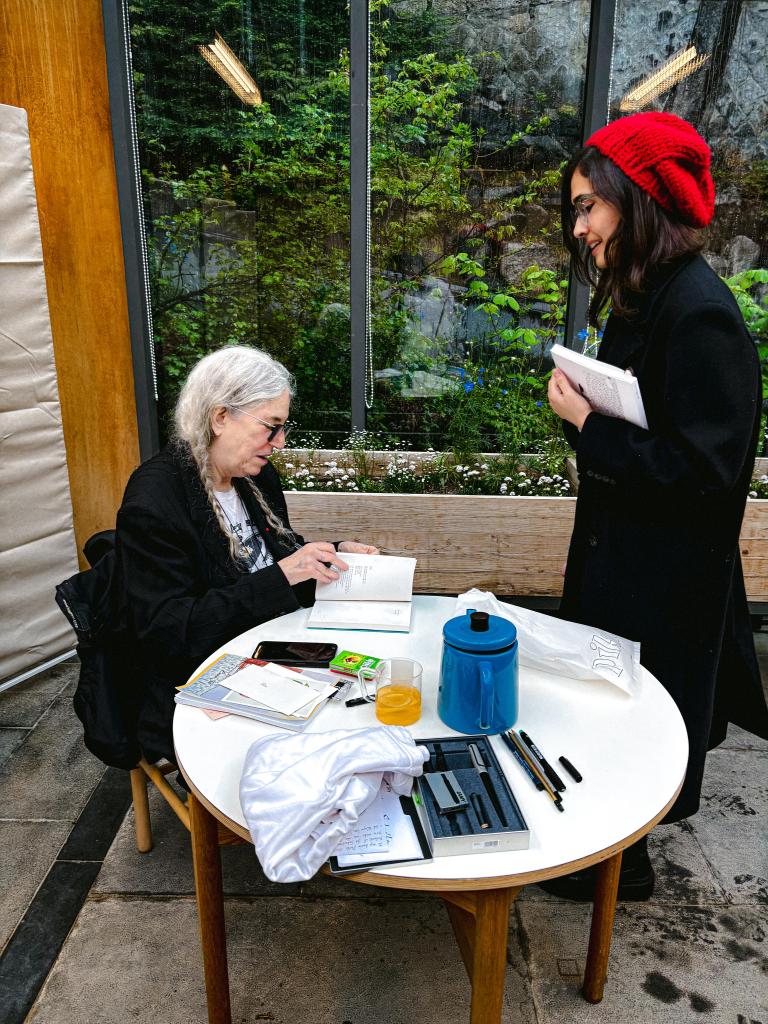
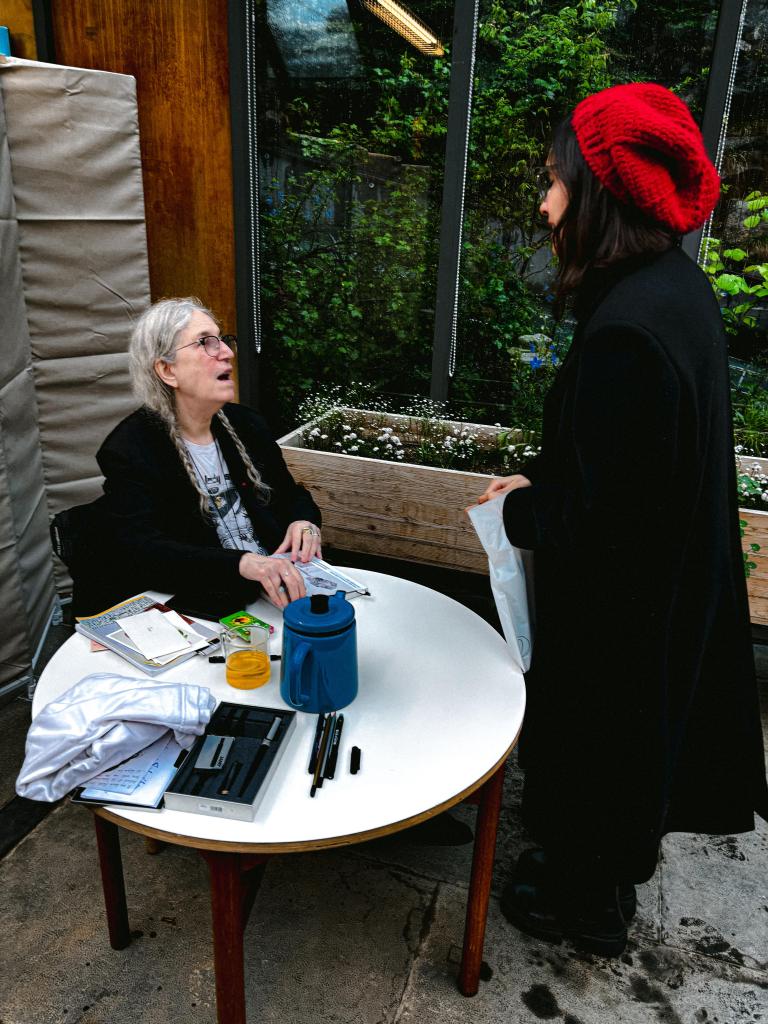
Em vez de postar uma das minhas músicas favoritas de The Tortured Poets Department (a própria title track), vou registrar aqui meu maravilhoso (e inesperado) encontro com a própria Patti Smith. Seoul, 19 de Abril de 2025.


O ponto alto de The Life of a Showgirl é logo a primeira faixa: “The Fate of Ophelia” é simpática e deliciosamente empolgante. Onde a letra sacrifica complexidade emocional em nome da alegoria, a alusão constrói um quadro cativante de redenção — “you saved me from the fate of Ophelia”. Quase como da primeira vez que ouvi “invisible string”, senti um pouco de alívio e esperança — por ela, primeiro, e por mim, em seguida. Há outros momentos interessantes: “Opalite” é divertida e otimista, e “Father Figure” faz muito com raiva e ironia, um clássico instantâneo. A faixa-título, “Life of a Showgirl”, merecia uma resolução mais clara, um pouco menos de clichê (aqui cabe uma menção ao gênio de “Clara Bow”), mas não deixa de ser familiar, o calor da voz de Sabrina Carpenter tornando tudo ainda mais convidativo. O restante soa como uma coleção de rascunhos: ganchos melódicos marcantes desperdiçados em letras duvidosas e frases desajeitadas, as dissonâncias agravadas pelas expectativas que ela cultivou ao longo dos anos. Acima de tudo, não há uma âncora. “Eldest Daughter”, a famosa faixa 5 deste lançamento, foi, francamente, um erro: sem rumo, com letras de mau gosto, uma sátira mal aplicada, a profundidade de um pires. 

Eu ia usar este espaço para compartilhar uma excelente video essay sobre o álbum mas decidi que “The Fate of Ophelia” seria mais divertido.

Conteúdo sobre o álbum, na ocasião do lançamento, foi inevitável no meu lado da internet, as reações partindo do bem decepcionante ao completamente frustrante (isso sem contar as demonstrações irracionais de ódio). O volume de discurso em torno de tudo o que Taylor Swift faz é enlouquecedor, mas esse dilúvio de think pieces é justamente o que ela trabalhou para construir — sua carreira foi erguida numa construção coletiva, ajuntando pessoas através do seu jeito de ser extremamente vulnerável, excessivamente detalhada e infinitamente ambiciosa. Mas, para um álbum que pretendia lançar luz sobre o outro lado da fama, Showgirl soa como mais uma performance (e não de propósito). Não acho que o problema seja que ela não tinha o que dizer, como sugeriram alguns, mas não parece que estava pronta para fazê-lo. Talvez o intervalo entre os lançamentos tenha sido curto demais, talvez estivesse exausta da turnê, com uma capacidade de julgamento comprometida (mesmo para um conceito leve). Posso perdoar minha amiga parassocial Taylor Swift por não saber como falar de uma temporada nova e feliz, mas me reservo o direito de sustentar meus critérios, como fã e escritora que espera algo melhor dela. 

Ainda assim, parte do seu entendimento próprio parece alinhado ao material; em entrevista a Jimmy Fallon, ela disse que esta é uma de suas eras com a maior correspondência entre como ela se sentia no passado, quando escreveu as músicas, e como se sente agora, ao lançá-las. Lembro de como me senti escutando TTPD, e no significado de olhar para tempos turbulentos a partir da promessa de restituição. Faz sentido que ela soe meio dispersa agora, se estava acostumada a lançar álbuns com mais distância emocional da estação que estava tentando capturar. Talvez parte da dissonância teria sido evitada se a campanha promocional tivesse sido menos pretensiosa, mas as estratégias de marketing também parecem equivocadas, como se ela não percebesse que certas coisas mudaram — até mesmo as expectativas de seus fãs mais fiéis. Esse tipo de miopia, eu aprendi, é sinal de que se está tentando compensar em excesso. Na ânsia de reparar os anos de melancolia, ela falhou em acertar o elemento aspiracional de cantar a própria felicidade. Faltou, nas músicas, algo que me faça querer sair por aí e me apaixonar também.

Em 1:18, ela diz “Essa foi, eu acho, a era mais bem alinhada, em termos de onde minha vida estava, quando escrevi, e onde estou agora, quando foi lançado.”


Refletir sobre a falta de clareza em The Life of a Showgirl me fez pensar na minha crise criativa dos últimos anos, e os motivos pelos quais tem sido difícil escrever sobre uma das temporadas mais intensas da minha vida.

A explicação simples é que nada do que eu escrevi nos últimos dois anos realmente correspondeu à minha visão, nem aos padrões que estabeleci para ela. A parte complicada é como essa visão e esses padrões surgiram. Minhas crises criativas não são de encarar uma página em branco; eu sempre posso escrever algo, dezenas de parágrafos, mas que não resultam em algo que eu queira que outros leiam. Para sair disso, precisava decidir se minha escrita não me satisfazia porque eu precisava trabalhar mais, ou porque eu precisava mudar os parâmetros (“um pouco dos dois” não basta). No fundo, permanecia a esperança de redimir uma temporada tão desastrosa da minha vida através da escrita — dar sentido ao meu estado atual, me convencer de que meu caminho ainda era a vida em que eu acreditava, voltar a me orgulhar daquilo que considerava minha vocação. Eu queria provar alguma coisa, para mim e para os outros, mas a realidade do que eu tinha a oferecer estava em conflito com o que eu queria alcançar. Naquela época, eu não acreditava em mim mesma, nem na vida que tinha escolhido viver. Mesmo agora, ainda não acredito.

O aspecto mais persistente dessa crise é minha desilusão com os limites de histórias e narrativas — uma experiência nova para alguém que sempre se deu bem com os horizontes semânticos da linguagem. De repente, eu passei a odiar a sensação de esmiuçar uma fase difícil até transformá-la numa visão mais otimista, ou de recorrer à interconexão de tudo para encontrar bênçãos escondidas. Minha terapeuta costumava propor que eu aproveitasse a liberdade de interpretar as coisas e dobrar a narrativa ao meu gosto. Em vez disso, eu senti raiva, porque nenhuma mudança de perspectiva a respeito das minhas perdas e fracassos dos últimos anos me dá poder sobre o estado geral da minha vida, nem sobre a liberdade dos outros, de que formem opiniões a meu respeito sem a minha autorização. Controle, controle, controle — a cada rascunho novo, aumentava o desejo de retalhação por cada rejeição e perda dos últimos anos.
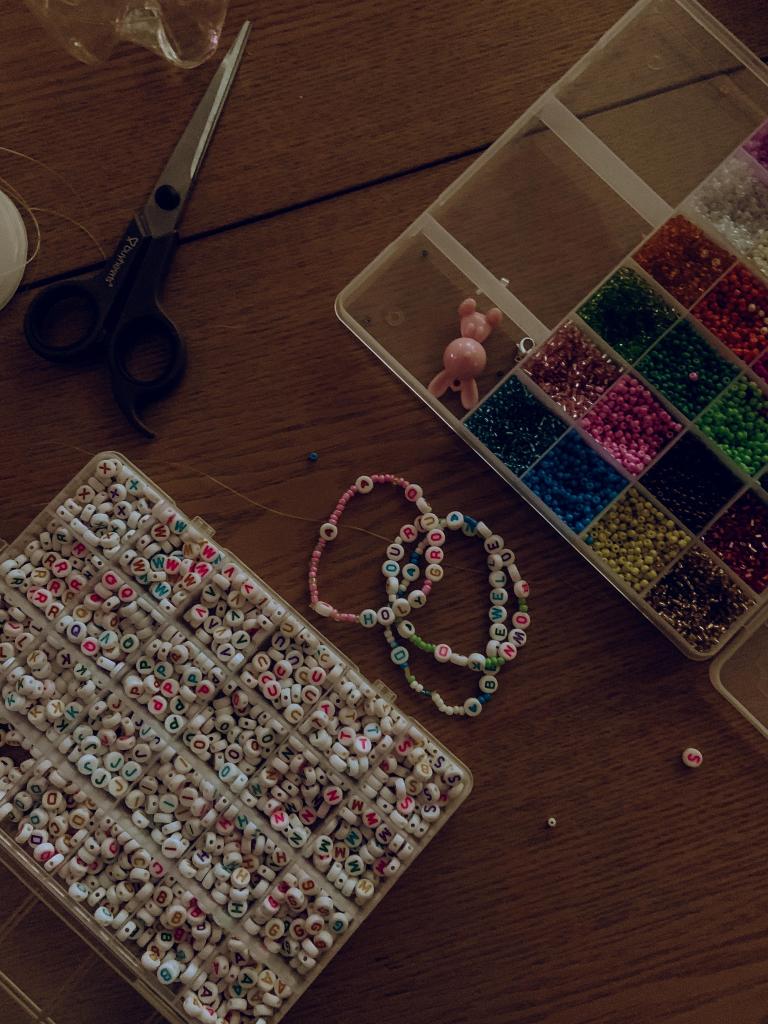
Passei a maior parte de 2023 e 2024 ocupadíssima, mas reservei um tempo para essa festa especial do lançamento de 1989 (Taylor’s Version), organizada pelo clube de fãs de Taylor Swift no KAIST. Algumas das minhas amigas não puderam comparecer, então fiz pulseiras da amizade para elas. Meu look foi inspirado em “Welcome to New York.” Daejeon, Outubro de 2023.

As coisas têm sido melhores nos últimos meses, de formas quase milagrosas — do tipo que poderiam me fazer acreditar de novo que ainda estou seguindo o caminho do fio dourado. Escolhi resistir à vontade de agarrar essa sequência de coisas boas e tecer com elas uma imagem falsa de esperança, uma desculpa para expressar o alívio de me sentir um pouco mais no controle da narrativa. Voltar a estar feliz depois de um tempo miserável é um sentimento estranho, cheio de fissuras que exigem atenção total. Nada do que conquistei diminuiu o peso da minha insuficiência, nem me arrancou da sensação de ser inútil e merecer as acusações que me silenciaram. Continuo perdendo o sono com outras coisas, coisas novas. Aqui, preciso sustentar meus parâmetros: nem meus sentimentos nem minha sinceridade significam nada para os outros se não resultarem em algo de substância, fruto do meu trabalho. Enquanto eu estiver escrevendo para me provar alguma coisa, não vou tocar o centro da questão, e não vai ser bom o bastante. O problema está em outro lugar, e eu preciso continuar procurando.


Dos muitos rascunhos e publicações deste período, algumas coisas chegaram, de fato, bem perto do que eu estava procurando. No Corvo Correio, tudo que publiquei desde Setembro de 2023 foi algum tipo de resposta à minha crise criativa (um paradoxo deveras prolixo). Incluindo “loucura e angústia“, sobre a morte da minha avó — algo que escrevi ao longo de um ano, com traços da autoabsorção da ansiedade e dos lados negativos da interconexão de tudo. Meu favorito de todos é “Reduce, Reuse, Recycle: How to be Disposable,” postado originalmente no sappy sallows, durante uma madrugada de estudos. Para aquele blog, eu também escrevi “at a crossroads,” razoavelmente curto, sobre como minhas lutas profissionais, criativas e emocionais estavam interligadas. Por último, “at-a-distance,” a tentativa mais longa, ampla e ambiciosa até agora, de cruzar teoria e experiência, uma bagunça cheia de potencial (com uma menção inesperada à Taylor Swift).

Antes que a seca atingisse o meu Substack, também consegui fazer por lá algumas coisas das quais me orgulho. Chasing Ideal Types mostrou como minhas perspectivas filosóficas e sociológicas atravessam minhas experiências, e me ajudou a lidar com algumas rejeições. Like a Polaroid capturou diferentes facetas dos motivos pelos quais tenho tido dificuldade para escrever, com mais detalhes e espaço para divagar do que este ensaio atual permite. Em “Nurtured by Ravens,” minha newsletter favorita, compilei trechos de coisas que escrevi sobre meu término, especialmente reflexões sobre a interconexão de tudo, e como ela tanto me abençoou quanto me falhou. Até certo ponto, terminar e publicar esses textos realmente fez com que eu me sentisse mais contente comigo mesma e com o estado da minha vida, ainda que só por um momento.

Eu também experimentei com outros métodos e mídias para expressar minhas ideias e sentimentos. Tanto a Arte quanto as Ciências Sociais me foram úteis neste tempo. Você pode ler mais sobre os projetos nessas imagens aqui.


Minha simpatia sem fim pela Taylor talvez estrague um pouco da minha credibilidade, mas continuo com a impressão de que nós duas estamos trilhando um caminho parecido, ainda que os detalhes das nossas questões sejam completamente diferentes — ela é a maior estrela do mundo, quebrando recordes e se preparando para casar, eu sou a que precisa se preocupar em ter dinheiro para as compras do mês. Mas uma das grandes funções sociais de uma celebridade é se tornar um dispositivo narrativo, um vocabulário público para que pessoas comuns discutam coisas da vida. A mirrorball mais uma vez refletiu minha própria imagem de volta para mim, e eu encontrei algo como resposta. Ao mesmo tempo, por ora, a forma como ela se enxerga no mundo não é a referência que eu quero para mim. Como fã e como escritora, mantenho o meu direito de achar que ela não foi completamente honesta nesse novo lançamento. Mesmo assim, continuo aqui, usando minha pulseira da amizade quase todos os dias, não tanto por ela, mas por todas as outras coisas que ela significa para mim: um lembrete de tudo que fiz para honrar minha juventude, para continuar vivendo com o mesmo coração.

Quanto ao meu bloqueio criativo (ou seja lá como chamar minha crise semântica), acredito que ainda vai demorar até que eu deixe essa temporada no passado. As coisas levarão o tempo que precisam (inclusive este texto, publicado quase duas semanas depois do planejado); eu nunca fui paciente, mas aprendi a ser mais compreensiva. Quanto mais envelheço, mais alguns dos meus problemas parecem ser as perguntas necessárias ao longo do caminho para ser eu mesma. Talvez minhas lutas com sentido e controle nunca desapareçam. Continuo brigando com Deus todos os dias, alimentando a ideia de que talvez eu consiga arrancar alguma soberania de Suas mãos, se me esforçar o bastante. A única esperança para uma controladora é ceder um pouco; se não consigo fazê-lo pela minha paz de espírito, talvez o faça porque preciso alcançar o tipo de honestidade de quem admite a derrota, para lapidar meu ofício e honrar minha vocação. Acreditei que um texto poderia redimir os meus tempos difíceis porque acreditei, acredito, na importância da tarefa de escrever. Mesmo que eu nunca alcance exatamente o magnum opus que imaginei, vou continuar tentando realizar alguma coisa.

Meus agradecimentos à Ashley Chong, minha editora de confiança, e às amigas com as quais eu passei cerca de 200h discutindo esse álbum (e que também tiraram tempo para ler as primeiras versões deste texto): Gésily, Bruna, Gabriela, Rayane, Thaines, Esther, Guilherme, Luiza, e minha irmã Julia.

The Life of a Writer’s Block

I visited This is Taylor Swift: a Spotify Playlist Experience by Spotify in Seoul the day before I turned 30. I went alone, to bid my girlhood goodbye, then I met my friends afterwards, to celebrate properly. I was wearing the friendship bracelet I got at the exhibition, and I’m pretty sure we sang “You Belong With Me” at the karaoke. The day after, my actual birthday, I woke up in a terrible allergic crisis. The friend I was living with at the time left for a business trip, and I spent the day alone in the dark, lying next to a roll of toilet paper, sneezing every 45 seconds until I fell asleep.

This is Taylor Swift: a Spotify Playlist Experience. Seoul, 1 March 2025.

That was the last I had of Taylor Swift for a few months. It wasn’t on purpose; though I did get a bit fed up with her public persona, I was mostly happy for her, her life changing before everyone’s eyes. My life was changing as well, the soundtrack of my days mixing fresh voices and old favourites of my lowest times, the kind of stuff you reach towards when nothing works out, the future looks like a void, and hope feels elusive. In this head space, my hindsight bias tells me we knew that The Life of a Showgirl wouldn’t be our cup of tea since the first teasers. I don’t feel convinced by the music, nor am I particularly attached to the narrative she is pushing. Dwelling on this estrangement made me think about the last 2-3 years of my life, the creative paralysis that crept in through the cracks in my duty as a writer, and my sense of connection with Taylor’s work and story.


Four and a half years ago, I published an essay called “My Love Stories, as told by Taylor Swift” — by far, the most popular piece on my website. I made it clear that I didn’t really consider myself a fan of hers around that time; I wrote the essay because it was funny to me that most of my memories of broken hearts had one of her songs playing in the background. Maybe it was just probabilities boosting the overlaps between a person my age, and the biggest pop star of my generation. Nonetheless, the real driving force behind the essay was that I had finally connected with her story, because of “invisible string.” The lyrics spoke to the heart of my intimate aspirations — the inescapable interconnectedness of everything, and the hope of redemption through love.

After that, I settled at the fringes of her fandom, peeking into their conversations from time to time, through the long-term Swifties in my circles. I followed closely when she released Red (Taylor’s Version), but it wasn’t until Midnights that I felt completely captured by the spirit of her time. It was my first semester studying in Korea, and I projected all of my anxiety about being alone in a distant country onto one of my few friends, a tall, good-looking artist with an interest in Brazilian music. Inspired by the album, I started a separate journal just for the thoughts keeping me up at night — mostly about my crush on him, and whether he felt the same. He told me he was dating someone else a week later, and then started avoiding me altogether. A downpour of emotions, present and past, crashed over me, and I lacked the roots to keep me grounded. I needed help to remember who I was; “You’re On Your Own, Kid” was there for me, to help me bring things into focus every night, on the 15-min walk between my lab and my dorm.

She was also there months later, when I met a guy after a football match. He walked me home, all the sparks were flying, I called my best friend as I walked upstairs, to tell her I had just met The One. Our first date was right when she released the ’Til the Dawn edition of Midnights, with an expanded version of the delicate, dreamy “Snow on the Beach,” which added more whimsy to the joy of that moment. Taylor, on the other hand, ended her six-year relationship the month before. I felt quite conflicted about dwelling on the feeling that sparked my connection to her music, but I was so, so convinced I had found the single thread of gold of my invisible string. I planned to write a sequel to my first essay about love stories, once we had been together for long enough; first, I edited one of my midnight journal entries into a text to celebrate the release of Speak Now (Taylor’s Version), and savour the delight of sharing something about being happy and in love.

We broke up by the end of August, and the irony was not lost on me. We were in Europe, and it was sudden, but not a complete surprise — just the night before, around midnight, I wrote a text about feeling that it was time to go. Still, it was brutal; his cowardice and cruelty tore me apart, cutting open all my core wounds at the same time. I was away from home, surrounded by strangers (who became my friends), all of them graceful enough to help me hold my parts together until I could go back to Korea.

In retrospect, that was the seed of my writer’s block.

When I first shared some of these picture on Instagram, someone told me I looked so “genuinely happy.” At that point, I was running on 2-going-on-3 weeks of no food and no sleep, crying through the night and relying on friends to power through the day. Linz, September 2023 (by Patrick Münnich).


It started with writing the most I had ever had, a new paragraph every couple of hours, in between the other things I had to do. I was desperate to rationalise my way out of the maelstrom of our breakup, and new things were constantly coming up, our paths being entangled by common friends and common business. Though it was such a short relationship, it was devastating, because he blew a hole through the centre of the person I thought I was. I resented myself for being me, and I wrote day and night to reorganise the narrative of my life into something I could truly live with, to move on. On the side, as I worked on my Master’s thesis about meaning and sense-making, all the reading I did pierced through my personal crisis, and it sparked an idea. I wanted to write something big, both scientific and literary, to capture the specifics of such an eventful season and, ultimately, justify my life choices — before myself, first, and before my ex, second. I slept very little, going back and forth between Korea and Austria, all of my free time going into looking for the right thought process towards the magnum opus of my quarter life crisis.

I have published a lot since then, chasing my vision; I created a new blog, with my friend, and a Substack, to keep the thoughts flowing, but nothing lived up to my expectations. First, I was embarrassed of everything I wrote, because of all the emotional shaming I endured. I also distrusted my own feelings, and my ability to attach meaning to my experiences, after being so gravely wrong about him. Enmeshed with the drama of our breakup, I experienced some of the most exciting opportunities of my life, but I self-censored whenever I tried to articulate how I felt about that season, as if every thought I produced was an abhorrent reminder of my dumb sentimentality. I was ashamed of being a writer altogether, called out on the audacity of standing in the midst of real artists with nothing to offer but a vaguely sociological account of feeling and thinking too much. Finally, I felt burdened by the scale of what I wanted to do; such a thing, I have learned, is a sign that one might be trying to overcompensate.


Those who never got over their teenage repulse to anything mainstream cannot understand what is meaningful about connecting with a song that is inescapable, more so in such a fragmented media landscape. I work with independent music, my favourite songwriter is an obscure Icelandic woman with a cult following (to which I have been devoted since I was 17). But Taylor Swift is like a common language, a card you can always pull to make a connection, even in the most unexpected circles. When she released The Tortured Poets Department to much public criticism, I was on her side for the most of it. The overwhelming volume of songs was a handy collection of ways to process the frustrations I was dealing with at the time, as I approached my 30th birthday. I couldn’t put together the writing that I wanted, but I had other people’s words to help me through it.

More than anything, The Tortured Poets Department was unmasked. There were pain and dismay, vividly coming through the musical and visual motifs she chose to portray them, but also lucid confessions of reprehensible attitudes on her end. A lot of work goes into crafting something brilliant, that still sounds fresh, even if it’s telling the same story that countless others have told before. I felt like I was grieving with her, the end of her fateful love story, the loss of the decade-long “what-if” in the back of her mind, the years she had spent in London, the life she thought she was going to have. There were also moments of hope — some from her career and work, some from her new relationship. I have sometimes wondered what kind of work it would have been if she hadn’t already found someone else, by the time she released it. If it would have been as easy to write and sing “I’m pissed off you let me give you all that youth for free” in “So Long, London” if there was no promising new lover bearing the weight of all that she had lost.

Instead of posting my favourite song from The Tortured Poets Department (the title track itself), I will record here my wonderful, unexpected encounter with Patti Smith earlier this year. Seoul, 19 April 2025.


The highlight of The Life of a Showgirl is the very first song: “The Fate of Ophelia” is likeable and deliciously uplifting. Where the lyrics sacrifice emotional complexity for the sake of the allegory, the allusion paints a touching picture of redemption — “you saved me from the fate of Ophelia.”  Like the first time I heard “invisible string,” I felt relieved and hopeful — for her, first, and for myself, second. There are other good moments: “Opalite” is bright and optimistic, and “Father Figure” accomplishes a lot through her rage, an instant classic. The title track, “Life of a Showgirl,” could use a stronger resolution and a bit less cliché (here goes a nod to “Clara Bow”) but it is familiar and inviting, Sabrina Carpenter’s voice making it all the more heart-warming. The rest sounds like a collection of drafts, striking melodic hooks wasted on questionable lyrics with clumsy phrasing, the dissonances aggravated by the expectations she has nurtured over the years. Above all, the whole lacked an anchor. “Eldest Daughter,” the famed track 5 of this release, was, quite frankly, a mistake: no sense of direction, distasteful lyrics with misused satire, the overall depth of a saucer.

I was going to use this space to share a great video essay about the album but then I realised just sharing “The Fate of Ophelia” would be more fun.

Public response to the album has been unavoidable on my side of the internet, ranging from very underwhelmed to utterly disappointed (if we leave out the displays of passionate hate). The volume of discourse surrounding everything Taylor Swift does is maddening, but this deluge of think-pieces is what she worked for — her career was built on bringing everyone onboard her extremely vulnerable, overly detailed, highly ambitious brand of stardom. But, for an album meant to shed light on the other side of her fame, Showgirl sounds like yet another performance (and not on purpose). I don’t think the issue is that she had nothing to say, as some have suggested, but it doesn’t feel like she was ready to do so. Perhaps the time between releases was too short, she was burnt out from the touring, with a clouded judgement (ever for a light-hearted concept). I can excuse my parasocial friend Taylor Swift for being unsure of where she stands during a happy season, but I draw the line as a fan and fellow writer who expects better.

Still, some of her self-awareness seems to align with the material; speaking to Jimmy Fallon, she said this is one of her most well-matched eras, considering where she was when she wrote the songs, and where she is now, upon releasing them. I think back to how I felt about TTPD, and the meaning of her looking back at turbulent times from within the promise of restitution. It makes sense that she sounds all over the place now, if she was used to releasing albums with more emotional distance from the season she was trying to capture. Maybe some of the dissonance would have been avoided if the promo campaign had been less pretentious, but her marketing strategies also seem misguided, as if she can’t tell certain things have changed — even the expectations of her faithful fanbase. Such short-sightedness, I have learned, is a sign that one might be trying to overcompensate; her eagerness to atone for the years of melancholia might have missed the aspirational component of singing about her present happiness. There isn’t much in the music that makes me want to go outside and fall in love as well.

At 1:18, she says “This has just been, like, I think the most well-matched era, in terms of where my life was, when I wrote it, and then where I am now, when it’s out in the world.”


Sifting through the lack of clarity in The Life of a Showgirl made me think of my own writing of the last few years, and the reasons why I have struggled to talk about one of the most eventful seasons of my life.

The simple explanation is that nothing I have written in the last two years or so has truly satisfied my vision, and the standards I set for it. The complicated part is how the vision and the standards came to be. My brand of creative crisis isn’t me staring at a blank page; I could still write paragraphs by the dozens, but they rarely amounted to anything I wanted to let others read. To hope to get out, I had to decide whether my writing was falling short because I needed to work harder, or because I needed to move the benchmark (“a little bit of both” is not enough). Underlying all of it, the hope I entertained, of redeeming such a disastrous season through writing — to make sense of my current state, to convince myself that my path was still the life I believed in, to feel once again proud of what I considered to be my calling. I was eager to prove something, to myself and to others, but the reality of what I had to offer was at odds with what I wanted to accomplish. Back then, I didn’t really believe in myself at all, or in the life I had chosen to live. Right now, I still don’t.

The most enduring aspect has been my disillusionment with the limits of storytelling — an unfamiliar experience, as someone who had always appreciated the semantic horizons of language. I started to hate the feeling of rationalising a difficult season into a more optimistic outlook, or appealing to the interconnectedness of everything to count my blessings. My therapist used to propose that I should relish the freedom to interpret things and bend the narrative to my liking. Instead, I have been angry, because no amount of reframing my losses and failures will grant me power over the overall state of my life, and other people’s freedom to nurture opinions about me that I have not sanctioned. Control, control, control, each new draft increasing my desire of owning up to every failure, rejection and loss of the last few years.

I was busy all the time for the most of 2023 and 2024, but I made the time to attend this special listening party for 1989 (Taylor’s Version), organised by the Taylor Swift club at KAIST. Some of my friends couldn’t come, so I made them all friendship bracelets. My outfit was inspired by “Welcome to New York.” Daejeon, October 2023.

Things have been much better for a couple of months now, in miraculous ways — the kind of thing that could have made me believe once again that I am still tied to the invisible string. I have resisted the urge to grab the streak of good outcomes and weave them into a fake picture of hope, an excuse to express the relief of feeling a bit more in control of the narrative. To feel happy again, after being miserable for a long time, is an unsettling feeling, full of cracks to be watched closely. Nothing I have accomplished has lessened the burden of my insufficiency, or snapped me out of feeling worthless and rightfully shamed into silence. I am still losing sleep over other things, new things. Here, I must uphold my standards: neither my feelings nor my openness mean anything to others unless they achieve something, as a result of my craft. As long as I am writing to convince myself of something, I am not accessing the heart of the matter, and it won’t be good enough. The issue lies somewhere else, and I must keep looking.


Amongst the many drafts and actual publications of this period, a few things did get quite close to the writing I was looking for. On the Raven Post, every single piece posted since September 2023 has been some sort of response to my creative crisis (a paradox, and a very wordy one, if we are being honest). That includes “madness and sorrow“, about my grandma’s death — something I wrote over the course of a year, weaving in traces of the self-absorbedness of anxiety, and the negative sides of the interconnectedness of everything. My absolute favourite one is “Reduce, Reuse, Recycle: How to be Disposable,” originally posted on the sappy sallows. Also for that blog, I wrote “at a crossroads,” a (rather) short account of how my emotional, creative and professional struggles intertwined. Lastly, “at-a-distance,” the longest, broadest and most ambitious attempt I have made so far, of combining theory and experience, messy but full of potential (also, ironically, contains an unexpected mention of Taylor Swift).

Before the drought caught onto my Substack, I did put together a few things of which I am proud. “Chasing Ideal Types” showed how my philosophical and sociological perspectives cut through my experiences, and helped me process a few rejections. “Like a Polaroid” captured different facets of the reasons why I have been struggling to write, with more details and room to wander than this present essay allows. In “Nurtured by Ravens,” my favourite one, I compiled excerpts from things I wrote about my breakup — specifically musings on the interconnectedness of everything, and how it had both blessed me and failed me. To a certain extent, finishing and publishing each of them did make me feel more content with myself and the state of my life, even if for a very short amount of time.

I also experimented with other ways of expressing my ideas, and both Art and the Social Sciences served me a bit during this time. You can read more about the projects in these images here.


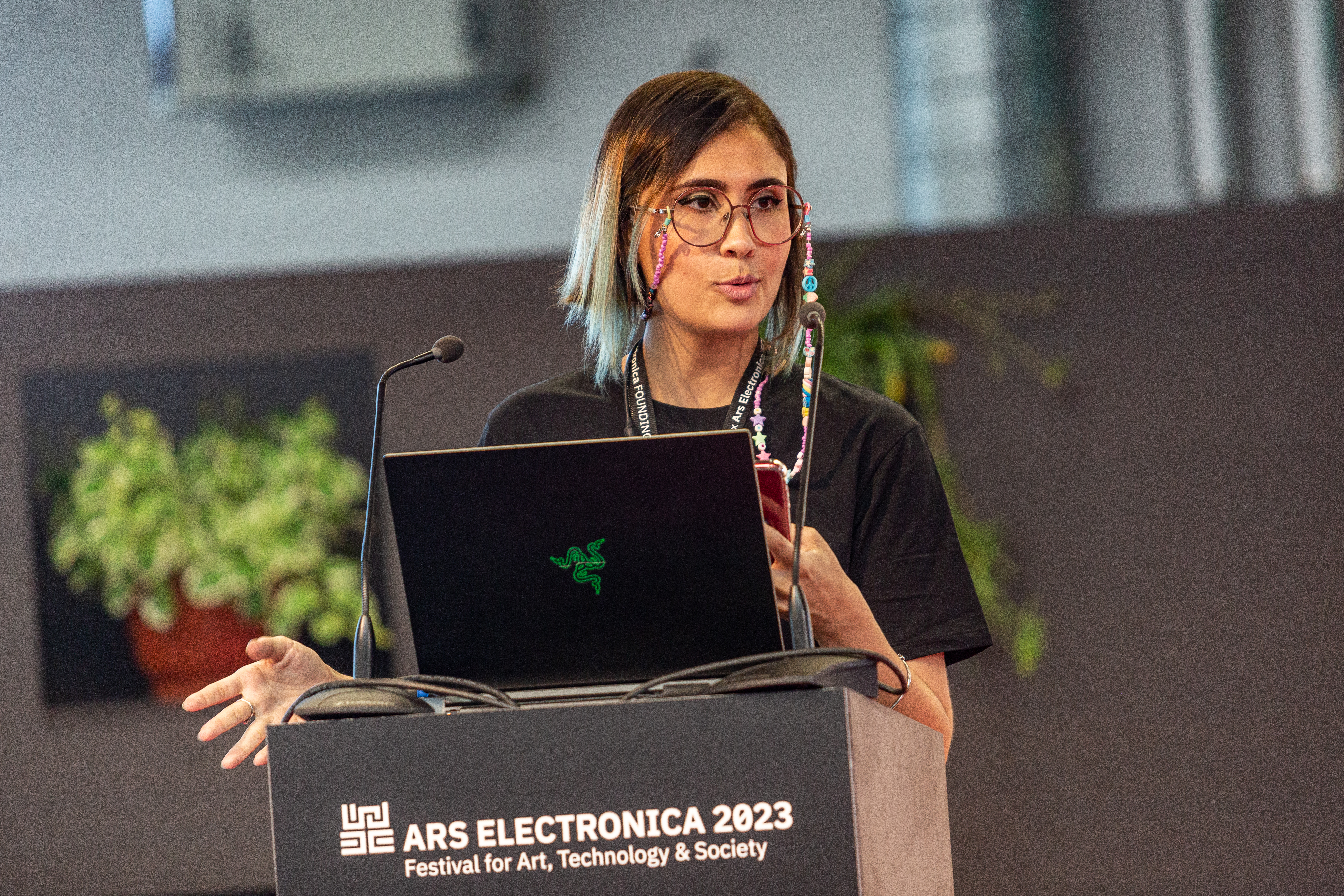
My endless sympathy for Taylor Swift might pierce a hole through my credibility, but I am still under the impression that the two of us are walking a similar journey, even though the specifics of our problems are completely different — she is the biggest star in the world, smashing records and preparing to get married, I am the one who has to worry about affording groceries every month. But celebrities are at their best when, to any extent, they serve as a plot device to help common people make sense of their lives. The mirrorball has once again reflected myself back to me, and I was happy to respond. At the same time, for now, the way she sees herself in the world is not the reference I want to entertain. As a fan and fellow writer, I retain the right to think she failed to be completely honest with this new release. I still wear my friendship bracelet everywhere I go, not so much for her, but for the world of other things that it means to me: a reminder of everything I did to honour my girlhood, and to keep living with the same heart.

As for my writer’s block (or whatever we may call my semantic crisis), I believe it will be a while before I put this season behind me. Things will take their time anyway (including this essay, published almost two weeks later than planned); I have never been patient, but I learned to be understanding. The older I get, some of my problems seem to be the necessary questions of being myself. Maybe my struggles with meaning and control won’t ever go away. I am still wrestling with God every day, cradling the thought that I might eventually snatch some sovereignty from His hands, if I try really hard. The only hope for a control freak is to relent a bit; if I cannot do it for my peace of mind, I may do it because I need the type of honesty required to admit defeat, in order to hone my craft, and honour my calling. I believed an essay could redeem the hard times because I believed in the significance of the task of writing. Even if I never accomplish the exact magnum opus I envisioned, I will keep trying to accomplish something.

Many thanks to Ashley Chong, my trusted editor, and to my friends with whom I spent almost 200h going back and forth about this album (and who also took the time to read through the early drafts): Gésily, Bruna, Gabriela, Rayane, Esther, Luiza, and my sister Julia.

knock on wood

From the vault. Written in October 2022.
Based on a true story.

She had worked late and spent most of her Saturday trying to recover from the burden of doing overtime five times a week. She was highly ambitious, but very simple at heart, and content with as little as buying herself a new book, and something tasty for dinner. Even though she had never been to that particular library, making it hard to feel completely at home and familiar with the surroundings, the weather was nice and her spirits were high.

She made her way through the shelves until spotting titles about feminism. His eyes had been following her since the moment that she walked in. His poor eyesight made it difficult to see what books she was looking at, but he could take a fair guess, he supposed. There’s very little you can learn about someone from the books they look at, but most of the magic of sitting in a bookshop is the belief that you can. She looked pretty — but the world is filled with pretty girls. She also looked strong, or so he thought, and he wondered if that was because of the books he assumed she was looking at. He could see her profile and the way the tip of her nose made her eyeliner look sharper — or was it the other way round? 

He was an anxious guy with an inclination to FOBO — Fear Of The Better Option. Having wasted too much time overthinking all of his decisions, he developed the habit of outsourcing everything to the universe; instead of placing on himself the burden of thinking about anything at all, he would just write all the conceivable options on paper, and then follow the instructions of the one he picked with his eyes closed. It didn’t always seem right, but he was committed to this system. He took the small block of purple post-its inside his pockets and, staring at the tip of her nose from afar, wrote down all of the things he could do at that moment. He could go up to the girl and introduce himself, or ask about the book that she was reading, or wait by the door until she was about to leave, or wait by the cashier and join the payment line at the same time as her. He folded them neatly, to make sure he wouldn’t be able to tell them apart just by looking, and tossed them inside his pocket. 

After taking a deep breath and saying a prayer, he was ready to find out what would come next, so he closed his eyes. It was only for a second, just enough time to draw the results but, somehow, she was already gone when he opened them again. Being stared at made her very nervous. She fled the building, without the book, and went out to find a vegetarian bowl she could have for dinner. He stood up to see if he could catch her but he wasn’t sure that was the best option at the moment. Before he wrote a new set of possible pathways on his little purple post-its, she was already sitting and waiting for her order, thinking about the book she didn’t take and about the guy she didn’t speak to. On the way home, he played with the little fateful folded papers inside his pockets until the sweat and oil from his hands began to melt them away. They won’t ever see each other again.

Photo by Clay Banks on Unsplash.

ouro de tolo [um feliz aniversário]

[do fundo do baú — english version here]

Querida A.,

É seu aniversário, e eu já te conheço há quase uma estação inteira. O fim da Primavera te trouxe para mim, e eu me deixei levar por você junto com a chuva das monções. Meu humor azeda com os dias quentes e úmidos, mas eu reconheço o charme vibrante do Verão, aquilo sobre o que falam os poetas, quando escrevem sobre ser jovem e estar apaixonado.

Mas nós dois não somos exatamente jovens, né? E graças a Deus, porque tem graça mesmo. Não vivemos o bastante ainda pra dizer que somos velhos, mas já vivemos o suficiente para navegar com alguma habilidade as coisas que nos agonizavam quando éramos inocentes. Crescer é jogar dados com o tempo, perder-se um pouco tentando descobrir como é possível que às vezes ele voe, e que às vezes ele se arraste, sempre contrário às nossas vontades, ao que sentimos no momento em que tomamos consciência de que ele está passando. Será que é possível superar o drama e o estranhamento de se descobrir existindo, existente?

Talvez o problema seja que nossa imaginação da vida foi moldada pela narratividade dos filmes, de como a vida deveria ser. Queda, crise, paixão, desespero, fome, tudo sempre parece mais interessante pela lente cinematográfica, onde os corações, aspirações e expectativas só se quebram enquanto a história está sendo contada. Talvez tenha algo a ver com a possibilidade de pular partes, ou desligar a TV quando se quer. Mas, por mais que eu odeie viver com o desconforto de passar pelas coisas que soam melhores na minha imaginação, ou nos textos que eu escreveria a respeito, meu senso de encantamento com a vida me faz flutuar um pouquinho toda vez em que penso demais sobre todas as improbabilidades que trabalham juntas para tecer a realidade, do jeito que ela é.

Sentimentos, tão efêmeros, tão fugazes, tem uma beleza singular, na forma como nascem e florescem. Eu poderia escrever centenas de textos para tentar organizar meu pensamentos, e descobrir o que exatamente faz com que eu queira conversar com você todos os dias, desde a primeira vez em que conversei com você. Talvez porque seja seu aniversário, e eu queira muito que você saiba como me faz feliz pensar em você, e todas as coisas pequenas que nós fazemos juntos, e nossas conversas meio estúpidas, as voltas que damos em torno de milhares de assuntos diferentes, sem propósito ou destino, só porque é tão bom ter algo para dizer, e ter alguém que queira escutar.

Eu tenho certeza que existe beleza e glória nos menores grãos de poeira, mas também estou convencido de que existe algo de mais valioso escondido nas partes desconhecidas, nas profundezas inexploradas, nos lugares para onde vão as coisas que nosso corpo, mente e coração não conseguem compreender. Quero encontrar esses tesouros com você. É um clichê falar da alegria das coisas pequenas, mas acho que essa é a esperança que me mantém seguindo em frente, que me mantém sensível à todas as menores coisas que vem ao meu encontro, oscilando entre altos e baixos apenas para ter certeza de que já passei por todos os limites de mim mesmo. É cansativo, mas é esse movimento que nos fez quem somos; eu sou várias coisas, algumas são melhores que outras, mas todas se reúnem aqui hoje para tentar te dizer que eu me importo imensamente com você, e sou muito grato por todas as improbabilidades que tecem a realidade, e teceram eu e você aqui hoje. 

Talvez seja muita sorte, talvez seja destino. Talvez Annie Ernaux estivesse certa, e é uma forma de luxo, viver uma paixão por outra pessoa. Talvez um dia nós descobriremos que foi um erro enorme, que não conseguimos prever. Dizem que são necessárias pelo menos quatro estações para começar a conhecer uma pessoa; esse Verão vai passar em breve, assim como todos os Verões que vieram antes, e vai chegar o tempo de que as folhas caiam novamente. Mas, agora, o Sol continua queimando, e nossa pele dourada está mais brilhante do que nunca. Você não sorri com frequência, mas gosto como você é capaz de iluminar o ambiente quando o faz. Gosto de queimar e reluzir ao Sol com você. Talvez seja um ouro de tolo, mas é um tesouro só nosso.

Desejo que você seja feliz por muito tempo. E que seja feliz comigo.

Feliz aniversário para você. 

J.

we are golden [a birthday wish]

[from my vault — versão em português aqui]

Dear A.,

It is your birthday, and I have known you for almost an entire season. The end of Spring brought you to me, and I caught myself falling for you as the days got longer and the weather changed into unbearable heat. I am miserable when it is hot and humid, but I can’t deny that there is something vibrant about Summer, the thing that makes it so attractive to writers of songs, movies and TV shows, when they want to talk about young love.

The two of us, however, are not that young anymore (thank goodness). I say it with a smile and a giggle because we have not lived for long enough to call ourselves old by any measure, but we have lived long enough to have trespassed many of the things that weighed us down when we were innocent. Becoming an adult is playing games with time, figuring out how it is possible that sometimes it flies, and sometimes it drags, always against our wishes, always against how we feel about the things that we are experiencing at a certain point. How do we get over how strange it is to exist, to be anything at all?

Perhaps the problem is that our imagination is completely infected with movie-like scenarios of what the movements of life should look like. Fall, crisis, passion, despair and hunger are always more interesting through cinematographic lenses, where the hearts, aspirations and expectations needn’t be broken, only shattered for a minute, for as long as the scene lasts. Maybe it has something to do with the possibility of skipping parts or turning off the screen. But, as much as I hate sitting with the discomfort of living through things I would rather observe and write about, my sense of wonder keeps me on the verge of transcendence whenever I think too much about the assortment of improbabilities that have come together to weave the fabric of our reality as it is.

Feelings, for all their fleetingness, are something beautiful in how they come to exist. I could write hundreds of journal entries to put my thoughts into place, and figure out what makes me want to talk to you every single day since the day I talked to you for the first time. Since it’s your birthday, I wanted to put into words the rush of joy that I get when I think about you, and the little moments we get to spend together, doing our silly little tasks and jumping through an assortment of random topics, for no other reason besides the fun of sharing ideas with someone who is eager to hear them, and respond.

I am assured that there is beauty and glory in the slightest grain of dust, but I am also convinced that something more valuable is hiding in the parts still unknown, in the unexplored depths, the place where all the things our body, mind and heart cannot understand go. I want to find these treasures with you. It is a cliché to talk about the small but certain happiness, but I cannot help it. And maybe this is the hope that I entertain, when I keep myself sensitive to all of the smallest things that come my way, oscillating between highs and lows just to make sure that I have truly met the limits of myself. It is tiring, but it’s movement that has made us who we are; I am a lot of things, some are better than others, but all of them have come together today to try to tell you that I care immensely about you, and I am glad the assortment of improbabilities that make up reality have come together to bring us together.

Maybe it is crazy luck, maybe it is fate. Maybe Annie Ernaux was right, and it is a form of luxury, to live out a passion for another person. Maybe one day we will realise it was a mishap that we should have foreseen. They say it takes all four seasons to start to get to know someone; this Summer, too, will pass, like all Summers did before, the leaves will turn yellow and begin to fall. But, right now, the Sun is still hot and burning, and our honey skin is glimmering, brighter than ever. You don’t smile often but I like the way you light up when you do. I like the way we glow under the clear day sky, when the monsoon is gone. Maybe being golden together is our treasure.

Please, be happy for a long time. And let’s do it together, for as long as we can.

Happy Birthday to you, from me.

J.

Photo by Lucas K on Unsplash

Sparks

in honour of Taylor’s Version of “Speak Now” coming out today.

I started a playlist the day we got together for the first time. We had just met the day before. I had known who you were for maybe three weeks, but I had not given myself the space to think or feel anything besides curiosity, and attraction to how pretty your smile was. From afar, you were like a picture-perfect image of something I might as well have imagined while drawing plots of love stories I could be a character in. It seemed so out of my reach, though – until that night when we walked back together after class, and found out we were neighbours. I saw sparks fly all the way home and, as I went upstairs, I called my best friend, and told her that I thought you had seen them, too.

To be honest, at that point, I don’t think I could fathom the thought that you hadn’t felt something as well. My brain was moving faster than the speed of sound, supersonically connecting dots until I could convince myself to fall asleep — which I didn’t, by the way. I navigated that day on a 2-hour nap, trying not to pay attention to you in the classroom, unaware that I was on my way to another sleepless night. We talked until dawn like it was the easiest thing in the world. You told me we should dive into one another, I told you “let’s fall slowly.” I was holding you close, with your head on my chest, and I loved how it felt. I didn’t want to rush it, and ruin it. I wanted the slow burn, I wanted to take my time, I swear to God I did, but I gave into hurry too easily, and it was all Taylor Swift’s fault, when I listened to “Snow on the Beach”, a few hours after we parted ways. It came out last year just a few days before I got my heart broken for the first time in years. I was so upset by all the frustrated expectations I allowed myself to nurture, and the song became a symbol of all the things it seemed that I couldn’t have at the time – someone that I wanted, wanting me just the same. But it happened to you, somehow. It had felt so impossible, and, on my way back home, later that day, I think I could barely believe it was really happening. So I made that playlist. 

And it would have been an okay thing for starters, but I kept adding other songs to it, I kept having ideas about what you could mean to me. That’s when it got out of control. Those songs became projections of who I wanted you to be – but I barely knew who you were! I don’t want to ask you yet, but I wonder if you could tell, during those first few weeks, that I was not taking it slow, like I had said we should, like I had asked you to do. I was much more eagerly looking forward to my imaginary plot, but these first few weeks were not like the perfect beginning I had envisioned, and you didn’t play along the lines of my story, and I panicked when I couldn’t read you as easily as I thought I would. I kept listening to those songs, and thinking of made-up memories of times I expected we would come to live together, and I got increasingly frustrated with how slowly time was moving. And you weren’t every single definition of the person I had imagined you would be — and I was convinced you had to be like that, because the person in my imagination would never break my heart, and I couldn’t stand the thought of getting hurt again. 

I’m glad I took the wise advice of the people around me, aware of my anxious habits, who care to let me know when I’m about to let the voices in my head break apart something that could be good, just because I have no chill. I was so infatuated, and so, so scared, with a tempestuous mind that pours down like a cloudburst. But you made your way, through the lightning and thunder, and you met me there. Doing your best, and being so kind to me, with your peaceful, steady voice, you helped me weather through the storm in my head. And, as the sense of urgency stopped pounding, and I could breathe properly, I could finally appreciate how the appropriate measure of the time we had spent together could be enough for the day. 

Today, when you texted me in the morning, I felt a shift that I hadn’t known in a long time – when an infatuation turns into a little seed of a feeling. It felt good. Without the magnifying glass of anxiety, I can feel everything more clearly, including the pleasure of realising a picture of you, but also how I honestly still feel so scared. I have no idea how you feel, even though I can tell that you like me, and that you respect me, and that you think about me when we’re not together (which is a silly thought, but one that means a lot to me). Honestly, I don’t want to say it out loud yet, but I do think I could love you, but I know there’s a lot of waves I must sail through first – because, if this seed grows into love, I want to love you and who you are, and I don’t think I’ve seen enough of you to get there. I’m scared but I want you to see me, too, and I want you to feel like you could love me, too. I overthink too much, but I’m aware of the mess, and I hope you can see through the cloudy skies when I’m gloomy and struggling to find the right words. Gosh, I still feel so silly around you, so worried about impressing you, wondering what you think of everything. I am still learning to read you, and trust you.

That playlist I started on day 1 looks much smaller now, which is only fitting for what this little time represents. It’s short, but it’s meaningful, because it doesn’t stem from my ideas of who you should be, but from the things I got to see, hear and touch with my own eyes, ears, hands and lips. The thoughts in my head spiral out of control with ease, but the feelings all through my body will keep my cool for the whole of us (I mean, all the different parts of me). But I feel safe, like I can finally take a small step back, and let it be. There are no guarantees, there is no assurance that things will end well, and that none of us will leave with a broken heart, but I feel less and less concerned about how it will end, and more and more appreciative of today, the time we get to spend together, the memories I get to keep – the way you laugh when we’re talking about something stupid, or the way you look when you open the door for me to walk in, and the fact that you care that I like it when you hug me, even though I don’t like hugs. I think I’m falling for you, so things are, indeed, going according to plan.

Photo by Michael Behrens on Unsplash

The Cognitive Role of Fan Songs in K-pop Fandom

Abstract: This review examines how studies on cognitive and emotional responses to music, particularly those related to social bonding, can shed light on the function of fan-dedicated songs within global K-pop fandoms. By analysing five recent studies on the social and affective dimensions of music in the brain, the paper argues that fan songs play a crucial role in maintaining group cohesion across the diverse and expansive communities that constitute contemporary K-pop fandom. The discussion underscores the significance of intentionality and source-sensitivity in these musical interactions, suggesting avenues for future research into the role of songs in music fandom.

Keywords: K-pop fandom, fan songs, cognitive responses to music, emotional responses, social bonding, group cohesion, intentionality in music, source-sensitivity, music fandom studies, social and affective neuroscience.

NOTE: This was written as a term paper for a course I took at KAIST CT during Spring 2023, GCT563 Cognitive Science of Music (음악 인지과학) with Professor Kyung Myun Lee from the Music and Brain Lab. It turned out a lot more social than cognitive, but I still managed to finish this course with an A+.

Outline

  1. Introduction (go)
  2. Variables in Music Fandom Studies (go)
  3. Songs in K-pop Fandom (go)
  4. Intentionality and Source-sensitivity (go)
  5. Conclusion (go)
  6. References (go)

Introduction

This review investigates whether studies on cognitive responses to music, especially emotional responses, and the suggested roles of music in social bonding can provide insight into the role that songs play in music fandom, particularly global K-pop fandom. The driving premise is focused on the specific role played by fan songs — the songs that are specially dedicated to the fans. Through the analysis of five recent studies on different social and affective dimensions of music in the brain, I argue that, in the complex structure of K-pop fandom, fan songs are one of the fundamental elements of the maintenance of group cohesion across the large, diverse communities that make up contemporary fan communities of Korean idol music. By drawing theorisations, the goal is to point towards future research on the topic of the role of songs in music fandom.

Variables in Music Fandom Studies 

Fandom studies scholar Matt Hills calls “discursive mantra” the discourse that fans employ to justify their passions and attachments — in his own words, an attempt to “ward off the sense that the fan is ‘irrational’.” In his book “Fan Cultures” (2002), when discussing how fans react when questioned about their attachment to particular texts, he recommends that the justifications that fans offer for their attachment aren’t taken at face value (in context, he refers especially to those conducting ethnographic research on fandom). He claims that the reason multiple fans of the same text would provide similar answers when questioned is more a question of the construction of their own fandom discourse, than a question of how they have made sense of their fandom experience for themselves. 

Hill’s recommendation to fan ethnographers highlights one of the difficult aspects of assessing the reasons for fan attachment through strictly qualitative approaches. Multiple studies of the sort have been conducted; in music fandom, for example, a study published in 2019 in the Journal of Consumer Behavior conducted in-depth interviews with long-term music fans in France and Belgium, to retrieve patterns and categories that explained different types of interactions and mode of engagement of fans with their favourite musicians (Derbaix & Korchia, 2019). But, if we consider Hills’s position that personal statements from fans should be approached with extra care, it’s important to consider other studies employing different types of data and methods to gain more qualified insight into the dynamics of attachment, and how music fans interact with their texts in fandom. To begin this review, I refer to a representative study that successfully employs large samples of subjects, and quantitative methods, to assess fandom affiliation in music fandom, by Greenberg et al (2021). With a combined number of over 85,000 subjects, they found that people tend to prefer the work of musicians whose public personas are similar to their own personality traits, which they call “the self-congruity effect of music”. 

Greenberg et al (2021) conducted three studies (N = 6,279 + N = 75,296 + N = 4,995) to assess the degree of correlation between fans and their personality, and the personality and work of their favourite artists, according to the Big Five personality traits — agreeableness, openness, conscientiousness, neuroticism and extraversion (Goldberg, 1992) —, whose high correlation with preferences for musical features, genres and styles had been demonstrated in prior research (p. 1). In Study 2, the team used a combination of LDA, PCA and ridge regression model to extract personality traits from the artists, according to the lyrics of their 10 most popular songs. They found a high correlation between certain personality traits found in their fans, and the personality of artists that were learned from songs. 

In Study 3, they employed the ESSENTIA software library to extract high-level music features (such as happy or relaxing), and low-level audio features (such as loudness or speed) from popular songs of the same artists. From participants, they assessed their musical preferences by having them listen to 15 music excerpts (15s each) by largely unknown musicians, and registering their opinions and preferences related to those excerpts. The features extracted from the songs, and the participants preferences, were aligned to the dimensions of arousal, valence and depth. They found that the fit between the depth level of an artist’s work and the general preference of the participant for depth-related features was a “highly significant predictor” of the participant’s liking of the artist’s music (p. 9). Taken together, the results show that musical preferences can be predicted with similar accuracy by a match between the participant’s personality and the persona of the musician, demographics and preference for certain music features. 

The authors take these findings to be robust evidence for the self-congruity effect of music. They theorise three mechanisms that might be behind this phenomenon, and two are relevant to this review. First, the possibility that people do seek out the work of musicians with similar characteristics to themselves, which might also follow that, in choosing to like a particular artist, people are after the possibility of connecting to other like-minded people. Second, and conversely, affiliation to an artist’s social following, and listening to their music (considering both lyrics and musical features) might also affect the individual’s personality over time — theorising that people might, indeed, become fans of certain artists for reasons that are not related to personality traits, but socialising into their fan culture might create room for their personality to align to those around them. 

The findings of Greenberg et al (2021) are aligned with a large body of research in the social dimensions of music, approaching the reasons why music is made, shared, appreciated and celebrated in human societies, both from endogenous and exogenous perspectives. Taken together, these studies offer some insight into more nuanced, case-specific aspects of the role that music plays within social groups, especially in the case of music fandom, where it is meant to be the central text of the bonding, along with the musicians that make/perform it. Based on this study, we will assume that, from a music preference perspective, within a certain fandom, certain personality traits are expected to be shared by most of the fans, owing both to processes of homophilic-oriented bonding and group assimilation. In that sense, we consider the specific songs produced by an artist both as an element to bring people together (at a first encounter), and as an element that brings people closer, while creating/maintaining some level of cohesion within said fan community. 

Songs in K-pop Fandom

One of the aspects that makes the idol fandom unlike other fan experiences is the intentional creation of a transmedia alternate universe, which creates the illusion of a world of intimacy between an idol of their fans. Galbraith (2012) borrows from John Fiske and describes this world of intimacy as “inescapable intertextuality” (2012, p. 186), a realm in which all parts of the narrative point back to one another. Throughout the wide variety of contents that idols produce for their fans, the same story is told using various media outlets, such as variety shows, live broadcasts, concerts, backstage clips, vlogs, daily pictures and updates shared in social media — but, most importantly, through their music.

The uniqueness to participatory culture in idol fandom has been discussed by many authors, who have focused on different aspects of the architecture of this alternate reality. For instance, in K-pop, there is an emphasis on the fact that fans are also expected to play a role in performance, through fanchants and lightsticks and banner events, to the extent that Jungwon Kim (2017) argues that K-pop can be understood as an action, rather than simply as a cultural product, because of the participatory nature of performance. She proposed the idea of K-pop as a verb, and coined “K-popping”, based on Christopher Small’s idea of “musicking”:

To music is to take part, in any capacity, in a musical performance. That means not only to perform but also to listen, […] or to take part in any activity that can affect the nature of that style of human encounter which is a musical performance (1999, p. 12)

Specifically about the songs, this emphasis on the joint performance that fans are expected to carry out results in a stronger emphasis placed on memorising lyrics, along with their fanchants. In this sense, Kim (2017) says that the structure of K-pop music is characterised by repetition, which not only makes the songs catchier, and more appealing to the public, but also makes it easier for fans to remember and sing along. Even so, hook-based danceable songs aren’t the only type of music released by K-pop idols, whose albums include a variety of genres, such as hip hop, r&b and slow ballads, resulting from the process of hybridisation that Western and Asian genres that is said to characterise K-pop (pp 19-22). 

The perceived simplicity of lyrics attributed to the hook-based pop tunes, which are the main drive of K-pop, doesn’t completely deplete the significance of what K-pop stars sing about. In that sense, we have two approaches; firstly, as noticed by Jin and Ryoo (2014), in their analysis of Girls’ Generation’s “Gee” and Kara’s “Jumping” (released in 2009 and 2010, respectively), pop lyrics in Korean idol music portray “the secularism of modernity” (commercialism and individualism) (pp 126-27). On the other hand, one of the biggest changes brought forth by BTS’s unprecedented global popularity was a stronger importance placed on K-pop groups having songs with meaningful lyrics. Both global media and BTS fans have often emphasised the relevance of their lyricism to their popularity — for example, in a 2018 article written by Tamar Herman for Billboard, “[K-pop] songs typically revolve around romance, partying and, on occasion, friendship and daily life.” BTS is presented as being a counterpoint — “the group manages to frequently reference the struggles that young people go through and draw on their own experiences within South Korean youth culture.” She also goes on to highlight that “many of BTS’s fans (…) have said that the boy band’s lyrics have inspired them”, because “Many of BTS’ songs are rife with meaning” (2018).

On the role played by lyrics in the experience of musical pleasure, Nummenmaa et al (2021) mention that the high popularity of vocal music, as opposed to instrumental music, might be explained by the ability that vocals have of communicating emotional states more effectively, as well as from the idea of ‘social stimulation’ evoked by text content (which they extent from literature into music). As they mention, such extension is validated by large-scale analysis which suggest a close link between the emotional meanings of lyrics, and the emotional load of musical features, such as major/minor chords (p 198).  

Going beyond the craving for social communication, Nummenmaa et al (2021) also discuss the role of lyrics in how music pieces activate autobiographical memories. This autobiographical element is central to the music appreciation framework brought forth by Thompson et al (2023). In their paper, they describe the central hypothesis of their framework as follows:

Three forms of music appreciation have been identified that may occur simultaneously with varying degrees of prominence: one form involves perceiving and internalizing musical structure; another involves activating networks of personal significance, identity, and autobiographical memories; a third—called source sensitivity—involves identifying and engaging with the causes and contexts of music making, including the personal attributes of musicians, and the sociopolitical, historical, and cultural contexts of music-making. (2023, p. 261, emphasis added)

According to the authors, autobiographical experiences and identity affirmation are forms of appreciation that arise from personal, self-oriented associations, as opposed to forms that arise from structural characteristics of the music (the musical features), and what they call “source sensitivity,” the appreciation that stems from contextual cognition of musical sources. The interplay between these self-oriented and source-oriented forms of appreciation can be well-exemplified, in the K-pop context, by “fan songs,” “idol’s sweet serenade dedicated to their fans” (Kim, 2019). These songs have been part of the K-pop landscape for a long time – for example, SHINee’s song titled “The SHINee World (Doo-bop)” (a reference to the complete name of their fandom, shawols — short for “SHINee world”) was a part of their first album, released in 2008. VIXX (2012) and Seventeen (2015) also had special fan songs in their debut releases — “Starlight,” a b-side in VIXX’s first single album “SUPER HERO”, and “Shining Diamond” in Seventeen’s first mini-album “17 Carat.” Another important aspect is that these fan songs aren’t a one-time event — some groups would go as far as release one special fan song with every mini-album/album. 

Much like what Thompson et al (2023) call “Couple-defining songs,” these fan songs trigger positive memories, specifically associated to the perceived relationship between artists and fans, reinforcing and maintaining the feelings of intimacy and cohesion within the relationship (p. 266). Over the years, these songs become triggers for shared memories; in his large-scale review of BTS’s entire discography, Kim Youngdae (2019) describes “2! 3!,” the special fan song in their 2016 ‘Wings’ album, as “one of the best songs of the album, which is both unusual and meaningful [for a song dedicated to fans]” (p. 138). He highlights the lyrics which say “In the shadow behind the stage // I didn’t wanna show you all the pain in the darkness”, to highlight the central message of the song — “Bad memories will be forgotten and only good days are ahead of us.” A connection is intentionally established between the heartwarming song, and the journey that has brought fans and artists until this point, linking their victory over past hardships, and present success, to the support of their fans. 

These associations between songs and intimate memories, in the context of the parasocial relationship between idols and fans, sit right at the intersection between self-oriented and source-oriented music appreciation, to the extent that the special personal association fans collectively have to that song is a consequence of the “detailed knowledge of the causal and contextual sources surrounding these songs” (Thompson et al, 2023, p. 266). In other words, the fact that fans know the song was written for them, or about them, or that it was dedicated to them. In his review of BTS’s 2018 album ‘Love Yourself: Tear,’ Kim (2019) describes “Magic Shop,” the special fan song of the album, as “the obvious choice for best track”, to the extent that it elevates “the tight bond between BTS and their fans to a whole new dimension”, due to the “warm sentimentality” and “impeccable quality of songwriting” (p. 198-99). 

Intentionality and Source-sensitivity

In an interview with Time Magazine, published in June, 2017, RM, leader of K-pop group BTS, said that he believed the reason why BTS had built such a massive following online was because of their dedication to communicating with their fans through social media. He specifically mentioned his own music-sharing habit, using the hashtag #RMusic, to introduce or recommend songs he liked, and then went on to say “Music transcends language.”

The idea that music is “the universal language of mankind,” expressed in RM’s saying, has been around at least since the 19th century. In their research article about universality and diversity in music, Mehr et al (2019) mention that this idea, albeit regarded as “conventional wisdom,” is very hard to prove — few, if any, universals exist in music. 

Even so, their study found that societies’ musical behaviours are mostly similar, and the differences within a society are greater than the differences between societies. For example, all societies considered have songs that are calming (exemplified by lullabies), songs that are exciting (such as dance tunes), and songs that are inspiring (like prayers). After running a test with almost 30,000 subjects, to see if people could accurately identify the category of a song from contextual cues, they found the highest accuracy for dance songs, followed by lullabies, healing songs, and love songs (despite being the lowest, the rate was still higher than chance) (p. 8). 

These results are a good indicator of the reason why, in spite of the vagueness behind the idea of music as some sort of “universal language,” it still has enough universalities to make it a powerful communication tool, particularly in the context being considered, which is songs written by artists specifically to address their fans. Even more specifically in the context of K-pop for global audiences, with the language barrier that exists between Korean artists and their international fans. 

As Thompson et al (2023) put it, behind the idea of source-sensitivity, there is an important layer of intentionality (on the performer’s end). In that sense, as one of the most straightforward, non-ambiguous channels of communication between artists and fandom, we can argue that fan songs are an important tool to help create the world of intimacy between artist and fans, to the extent that it can be used as a tool to achieve group cohesion. From existing literature, this idea of group cohesion can be considered from two perspectives; one, which has been discussed already, as demonstrated by Greenberg et al (2021), is through the values and personality traits communicated by artists through their persona and lyrics. 

However, when bringing forth their Music as Social Bonding (MSB) Theory, Savage et al (2021) discuss the role of music in promoting social cohesion from the observed effects on the brain. In the idea that social bonding is the “ultimate, functional explanation of the evolution of musicality” (p. 14), the study proposes specific hypotheses about neurological proximate mechanisms related to the social effects of music. The authors describe a cycle in which learning to predict musical features activates the brain’s reward system, and synchronises brain activity between people, creating a “neural resonance” that facilitates social bonding. This bonding is thought to be due to “facilitates social bonding through shared experience, joint intentionality, and “self-other merging”” that occurs when people listen to music together. Additionally, the rewarding experience of listening to music may be associated with specific individuals, as co-experiencers (Savage et al, 2021). In that sense, the paper supports the idea that, while musicality did not necessarily originate as a biological adaptation for social bonding, musical abilities might have evolved due to how musical behaviours helped signal decisions to socialise and cooperate (pp 20-21). 

This is in line with what is concluded by Nummenmaa et al (2021) — that one of the reasons why music is so rewarding is how it’s linked with interpersonal synchrony and affiliation, which signalise its role in human sociability (p. 200). In their paper, they describe the “neural resonance” as a trick of “simulated synchrony,” giving the illusion of being in sync with other people, which, associated to opioid release, promote the feeling of social contact (and are also known to elevate pain thresholds, as noted by Savage et al (2021)). 

It is important not to forget that these neurobiological mechanisms are simply another side of the social mechanisms being described so far. Nummenmaa et al (2021) mention studies that have found that, the more emotionally salient the autobiographical memories recalled when listening to music, the more activity was seen in the mPFC, the brain region that is involved in social cognition (p. 199). This system is believed to be centrally involved in social bonding through the connecting role of retrieving and sharing personal memories, another evidence suggesting how music and lyrics support social attachment functions (2021). 

Conclusion

Five studies on the role of music in social bonding were analysed in this review. By focusing on fan songs, we were able to consider their effect on what fans think about themselves as members of their fan community, and what they think about their own idols. We found indicators that these songs might serve as important communication tools between an artist and their fans, creating and maintaining intra-group cohesion. This can be done by attracting certain types of people through value-signalling, and by inducing changes in the members themselves through processes of group assimilation.

This review also showed opportunities for future research. For example, future studies could measure different brain responses of fans to specific songs according to how they are categorised in the artist’s discography. This would include not only fan songs, but also the distinction between title tracks and B-sides. There is also some opportunity to study the extent to which lyrics of fan songs influence the social imagination and the lexicon of fans as members of their fan communities. Another possibility is a study analysing different samples of fan songs, testing for musical features and lyrics, controlling for fandom size. This would look for patterns that might be more predictive of efficient communication of intention between artists and fans. A final point, which was only superficially explored in this review, is the aspect of language in K-pop fandom. This includes the role of translation, more specifically the work of fan translators, in helping manage the collective understanding of messages shared through lyrics in the context of global fandom.

Overall, this review shows that studies in cognitive musicology offer rich insight into the specific functions that songs can play inside music fandom. In the context of fandom studies, which has been mostly ethnography-driven over the years, we provide directions that could take studies on the dynamics of fan attachment beyond self-reported fan perceptions. This is based on the well-established cognitive understanding of how music affects the brain, or at least, evidence-abundant suggestions of how music influences social bonding.

References

Derbaix, Maud & Korchia, Michaël. (2019). Individual celebration of pop music icons: A study of music fans relationships with their object of fandom and associated practices. Journal of Consumer Behaviour. 18. 10.1002/cb.1751.

Fiske, John. 1992. “The Cultural Economy of Fandom.” In The Adoring Audience: Fan Culture and Popular Media, edited by Lisa A. Lewis, 256. New York: Routledge.

Galbraith, P. W. (2016). “The Labor of Love: On the Convergence of Fan and Corporate Interests in Contemporary Idol Culture in Japan”. In Media Convergence in Japan, edited by Patrick W. Galbraith and Jason G. Karlin: 232-64. Tokyo: Kinema Club. 

Greenberg, D. M., Matz, S. C., Schwartz, H. A., & Fricke, K. R. (2021). The self-congruity effect of music. Journal of Personality and Social Psychology, 121(1), 137–150. https://doi.org/10.1037/pspp0000293 

Hills, Matt. Fan Cultures. London: Routledge, 2002.

Jin, Dal Yong, and Woongjae Ryoo. 2014. “Critical Interpretation of Hybrid K-Pop: The Global-Local Paradigm of English Mixing in Lyrics.” Popular Music and Society 37 (2): 113–31.

Kim, J. (2017). K- Popping: Korean Women, K-Pop, and Fandom. UC Riverside. 

Kim, Youngdae. 2019. BTS The Review: A Comprehensive Look at the Music of BTS. First Edition. Seoul: RH Korea Co., Ltd. 

Mehr, S. A., Singh, M., Knox, D., Ketter, D. M., Pickens-Jones, D., Atwood, S., … & Glowacki, L. (2019). Universality and diversity in human song. Science, 366(6468), eaax0868.

Nummenmaa, Lauri & Vesa, Putkinen & Sams, Mikko. (2021). Social pleasures of music. Current Opinion in Behavioral Sciences. 39. 196-202. 10.1016/j.cobeha.2021.03.026.

Savage, P. E., Loui, P., Tarr, B., Schachner, A., Glowacki, L., Mithen, S., & Fitch, W. T. (2021). Music as a coevolved system for social bonding. Behavioral and Brain Sciences, 44.

Small, C. (1999). “Musicking — the meanings of performing and listening.” A lecture, Music Education Research, 1:1, 9-22, DOI: 10.1080/1461380990010102

Thompson, W. F., Bullot, N. J., & Margulis, E. H. (2023). The psychological basis of music appreciation: Structure, self, source. Psychological Review, 130(1), 260–284.

News Articles:

Bruner, R. (2017, June 28). Rap Monster of Breakout K-Pop Band BTS on Fans, Fame and Viral Popularity. Time. https://time.com/4833807/rap-monster-bts-interview/ 

Herman, T. (2018, May 7). BTS’ Most Political Lyrics: A Guide to Their Social Commentary on South Korean Society. Billboard. Billboard.
https://www.billboard.com/music/music-news/bts-lyrics-social-commentary-political-8098832/ 

Photo by Anthony DELANOIX on Unsplash

Uncommon Side Effects

Written between June/2021 and Feb/2022.

People rarely get the chance to acknowledge when something life-changing is about to happen, but somehow, when I picked up “Down and Out in Paris and London” for the first time a few years ago, I knew I wouldn’t be the same after reading it. I had just returned from the UK, and I was hurting, because I missed the feeling of being home I had experienced there – a feeling that just wasn’t the way I felt at that moment, lying in bed, holding the book, in my own bedroom, in my own house. It’s been a while now, and I still remember how it made me feel, although I can’t remember a single word or passage. I was completely drunk in longing. 

If I think seriously about it, I have not lived an entire year without some radical change in my life for at least 13 years now. I’m not sure if it’s the same for everyone, or the majority, but I am sure I know a handful who have been hanging out with the same people, at the same places, doing the same things, for at least half a decade. I don’t mean to paint that as a negative thing, though, and how could I even do that in the first place, since I have no idea how it feels like. I know how constant change feels like, though; tiring. I’m exhausted. 

On the other hand, I’m the type that gets bored easily. Not everything that’s ever changed has been on me, but God, who’s got His hands all over everything, knows how much can be blamed on me. I’m not a fan of speculating about unrealised timelines but perhaps I would feel even worse than I do now if I hadn’t seen so many friends come and go endlessly. Perhaps I’ve been online for too long and my body and soul have become one and the same with the space of flows that I have made my own. Still, in spite of all the changes, I think I am just as boring as the things that make me bored.

Fast-backward to the person I was in 2016. I had never been abroad before I moved to another continent as a student, but I had always enjoyed the concept of being a person who keeps coming and going around. People have argued greatly about the reasons why travelling changes you; you can always wonder about the world that is much larger than the space between the tips of your middle fingers if you open your arms as wide as possible, but to stare into the void is something else (I am strongly against the idea of tourism, though, so I hope you don’t mix things up). You don’t have to go far to realise how deep is the abyss of the thought of the world. So I’m comfortable with downsizing when I can’t fight something that feels way too big.

The extent of the world is scary, but I take refuge in the memories from travelling that I keep, such as the several different rooms I’ve ever slept in. I still remember how each one of them made me feel, and how each one of them felt like my own place, or how it did not. The feeling of spending the night in my grandma’s bedroom was uncomfortable, because I was scared of the picture hanging on her wall – but I was not brave enough to tell her. The first time you sleep in a new house always leaves that weird feeling of believing you’re somewhere else before realising you actually moved places. But not when I travel. I don’t remember my body ever forgetting I was in a new place when I left what I called home to make myself at home somewhere else for a short time. 

I remember the shape of each of these rooms. My go-to strategy to fall asleep is following the ceiling lines until I know their corners well enough to peacefully zone out. After I became an Architecture student, that habit became a skill. Once, in 2016, I tried to redraw every single room I remembered sleeping in from memory, and I did it well. Two years later, the person I was in 2018 is lying in bed alone, in a tiny, ugly hotel room that I remember all too well, waiting until the clock struck the time she was supposed to shower and get ready to go out. I was listening to Faces on repeat. “I wish that I knew what I know now when I was younger”. The way we always do, but we never learn. The song in itself doesn’t mean anything to me, but I can still remember that ugly bedroom down to how it smelled whenever I go back to “Ooh La La”’s haunting chorus. The person I was in 2018 listened to that song a hundred and too many fucking times before she realised the chorus was about her. 

I enjoy music that I can cry to as much as music that I can dance and vibe to, but I absolutely adore love songs the most. I adore them because, of all the different types of songs, they’re the ones that always feel right and desirable, like there’s a good reason they exist. I always keep a bunch inside my heart, even when I don’t feel anywhere near feeling anything, because some of them can make my heart flutter for no particular reason. I remember feeling like I was the main character in a love song only twice in my life – once in 2013, then in 2017 (the same year I read “Down and Out in Paris and London”). I longed to be back where I felt at home and reading the book made me feel like I could accomplish it anytime soon. And I wanted to believe it so bad. I was happy to dream about the life I was about to build. But it was not about the place anymore. Damn, I was so foolishly in love. Someone hugged me in a way that tricked me so deeply I believed I had found home. It wasn’t the land. I was so foolish, and it’s even hard to acknowledge just how foolish, because, looking back, I have no idea how I felt safe and sound where I didn’t belong. Like a lonely piece of garlic trying to fit into an orange missing a bite. I was so foolish, and I was so blind. 

That’s the most fucked up thing about everything. I felt safe where I didn’t belong. How am I supposed to find a safe place, especially now that I realise I don’t know what it looks or feels like? I try to think about the things that have come and gone over the years, and my uncertain ways through the world, and what remained, and I wonder if that’s the direction I’m supposed to take. I try to recap every single bedroom I’ve ever been into to see if how each one of them felt like my own, or how it did not, can help me figure out the answer. I think about my family, and the friends I love the most, and the songs that I enjoy dancing or crying to, and I still don’t know if I’ve ever been anywhere near as close to home as I suppose I should have by now. How can I even tell that I’m a part of the world besides the fact that I have a body, and an incarnated conscience, and that air gets out of the way whenever I move back and forth trying to figure out where the hell I belong? 

I wish that I knew what I know now when I was younger; as she read that book, the person that I was in 2017 felt transported to the invented memories of where she wanted to be. That’s creepy, but that’s how impatient, bored, nomad hearts figure out how desperate they are to find a place to rest. Sadly, it took me long to grow out of my desperation, just enough to see the red flags first. I feel like I’ve been hanging for a long time, because something so small left me stuck in a room with a puzzle instead of a door lock. All my life I’ve seen people come and go out of their trauma and move on without ever cleaning up the room in the first place so why did it have to be me the one taking turns to find out what’s wrong for years? I’m desperate about making all wrongs right by all standards of righteousness, and I’ve never shied away from seeing my mistakes for what they were. 

But it wasn’t only my mistake. It wasn’t. For the longest, I tried to take responsibility for my own life by not attributing fault to others. I thought THIS was a righteous choice, but it’s not, because, when I started spitting all the things I was keeping inside, I blamed myself when he chose not to say anything in return. And, even as I write now, years after I closed that page and burned it to the ground, I still feel the gutting punch of bitterness of all the things I wanted to say so badly, but that I couldn’t. He made me feel like I was just about to take off and I never unlearned it, but it’s been so long, long enough that I honestly don’t even care about him anymore. I had to think deeply, and for years, before I realised that I could only easen my broken heart if I got rid of the weight of all the words I kept locked inside. That was unthinkable; I was desperate because they had no place to go. How could I simply let them fall to the ground? 

Then, one day, I read that the number one reason why love songs exist is because there are volumes of things about love that might end up written anyway, but which are better left unsaid. It was something that simple, almost stupid, if you say it out loud. But I think the mental image of all the love songs I had been keeping inside of me being anything other than a love song made the whole thing seem very silly (but I was glad to have a laugh). Something shifted inside of me, something that made all of the things in the deepest pits of my numbed-down heart light up so that I could finally come to terms with all the words I had been choking on as I hung, high and dry. Words that had no place they could get to were better left to fall and melt into the ground. Being content with their fate, trusting these silly little outcomes might mean that downsizing was the right choice from the get-go. It’s a weird feeling but I think it’s the closest to home I must have ever been. I still don’t know how to describe it, though, so perhaps it’s an open-ended resolution, but if I can make my way out of this mess, it should be enough. 

Photo by Pawel Czerwinski on Unsplash

song review: Bobby, “RaiNinG” (feat. Ju-ne), Lucky Man (2021)  

Originally published on Vol. 2, No. 5 of WWLT (What We are Listening To), KPK: Kpop Kollective.

Korean rapper Bobby, born Kim Jiwon, was first introduced to the public in 2013 during the survival show WIN, in which he and his future group mates — then known as “Team B” — competed for the chance to become YG Entertainment’s first boy group since BIGBANG (2006). After losing to Team A (which went on to become WINNER), it would take another two years for him to become iKON’s Bobby, in 2015. Before that, in 2014, he competed on season 3 of Show Me The Money, the popular Korean rap competition. He became the first, and so far only, idol to win the show in its ten seasons, a victory which secured his place as one of the best rappers in the Korean music industry. He has so far released two solo albums; Love and Fall (2017) and Lucky Man, released on 25 January, 2021, with 13 tracks plus 4 skits, and featuring fellow iKON members DK and Ju-ne. 

Lucky Man tells a story of success, love, and heartbreak; the b-side “RaiNinG” (feat. Ju-ne) comes right after Skit 4, starting the final portion of the album, which deals with the struggle to reach closure, but eventually moving on. The skit is a recording of Bobby arriving home, and pouring himself a drink, with rain sounds in the background. The song is credited to Bobby and producer HRDR, and it uses moody weather references to discuss pain and isolation. The swing rhythm gives it a jazzy sound and amplifies the melancholic feel of how the song is carried, with enough playfulness in the pace for it to be considered upbeat and hopeful, despite its gloomy subject. Even though the track has a clear sense of build-up, the melody and the hook — “I said it’s raining, raining, raining, raining” — make several repeated movements, giving it a feel of cycling through emotions. Ju-ne’s distinguishing raspy voice is one of the highlights; his vocal color matches the energy of the song, and Bobby’s, very well, and he’s able to convey the most intense emotions and tone it down when the track spaces out. On the bridge, he repeatedly sings “Save our soul”; Bobby is very open about his Christian faith. Even though Ju-ne isn’t credited in the lyrics, he’s also openly Christian, and thus able to deliver the lines with just as much meaning as they were intended to carry. “RaiNinG” was the third time that Bobby and Ju-ne worked together on a track, after the remake of Jeon Yu Na’s 1995 song “Even if I love you” (2019), a special stage for a competition show, and “Deep Night” (2020), a special song dedicated to iKON fans. 

Sources 

BOBBY – Topic. RaiNinG ft. JU-NE. YouTube. 25 Jan 2021. https://www.youtube.com/watch?v=CKiie6btN2Q&ab_channel=BOBBY-Topic (12 May 2022)

[HOT] BOBBY, Junhoe – in love with you, 다시 쓰는 차트쇼 지금 1위는? 20190205. 5 Feb 2019. https://www.youtube.com/watch?v=_TpF4h4ytrw&ab_channel=MBCentertainment (12 May 2022)

iKON-ON : BOBBY & JU-NE – ‘깊은 밤’ (Deep Night). YouTube. 23 Jan 2020. https://www.youtube.com/watch?v=vWDG4dpgG9s&ab_channel=iKON (12 May 2022)

song review: Red Velvet, “Day 1,” The Red (2015) 

Originally published on Vol. 2, No. 4 of WWLT (What We are Listening To), KPK: Kpop Kollective.

Released in September 2015, Red Velvet’s first studio album The Red (2015) was the first installment in their series of records centered around their dual concept – fresh, bright and quirky “red” and  luscious, sultry and sexy “velvet” – which was followed by The Velvet (2016), Perfect Velvet (2017) and The Perfect Red Velvet (2018). In the 10-track album, “Day 1” is the second-to-last song, credited to Hwang Hyun of production team MonoTree. The star producer, a Classic Composition major who’s been called “the Beethoven of K-pop” (Gearlounge, 2021), has a long track record in the industry, having worked with Red Velvet’s senior groups at SM Entertainment – f(x), Girls’ Generation and S.E.S – as well as the agency’s boy groups Super Junior, SHINee and EXO-CBX, plus tracks such as LOONA’s “Hi High” (2018), “Kiss Later” (2017) and “Love & Live” (2017), Gfriend’s “Apple” (2020) and Stellar’s “Vibrato” (2015). More recently, he’s been recognised for his partnership with group ONF (WM Entertainment), having worked in all of their title tracks since their debut in 2017, and most of their b-sides, which have earned the group the title of “b-side masters” (Kim, 2022). 

Hwang worked in four Red Velvet tracks, including Japanese b-side “Aitai-tai” (from their 2018 Japanese debut EP #Cookie Jar). In “Day 1”, he is credited for lyrics, music and arrangement. The song’s title refers to the first day of a new relationship, right after a confession, as two good friends discover the joy of becoming lovers. Its quirky vibe made it a fan-favorite, being usually performed by the group during the special fan moments at the end of concerts. The song opens with guitar and bass, and its melody played by trumpet. The bossa nova sound establishes a distinctive softly lively atmosphere, whose upbeat aspects are highlighted by opting for pop-rock drums instead of the tamborim. The melodic motion is mainly upwards, which gives the song a sensation of constant growth. The latter part of the bridge has added layers of vocals and synths that increase its depth and make the track even bigger, and lead listeners into the last chorus and the outro to reach peak joy and excitement. This special layering of sounds to create a bigger-than-life effect is one of the most distinguishing characteristics of Hwang Hyun’s work, which is a perfect match for Red Velvet’s vocal colors. Yeri and Irene’s playfulness, Seulgi’s endearing excitement, Joy’s loveliness, and Wendy’s warm, bright range, play an important role in the process of crafting “Day 1”’s most heart-fluttering qualities. 

Sources 

Red Velvet. “Day 1.” YouTube. 10 Nov 2016. https://www.youtube.com/watch?v=KTaa3Pbv9c0 (20 Apr 2022)

Red Velvet. “[HD] Red Velvet Red Mare in Japan – Day 1.” YouTube. 28 Dec 2019. https://www.youtube.com/watch?v=rwzXDehdwEo (20 Apr 2022)

Gearlounge. “[GL Interview] K-Pop 프로듀싱 & 퍼블리싱 컴퍼니 모노트리의 대표, 황 현” [Hwang Hyun, CEO of K-Pop Production and Publishing Company MonoTree]. Gearlounge, 28 Jun, 2021, https://gearlounge.com/editorial/glinterview-yellowstring Accessed 20 Apr, 2022. 

EBS 펜타곤의 밤의 라디오 [EBS Pentagon Night Radio]. “[Full ver.] 음색노래춤컨셉 맛집 온앤오프의 매력을 알고 싶다면?! 김가네 K-POP w.김영대 평론가” [If you want to know the charm of ONF, the must-eat place for voices, songs, dance and concept? The Flavour of K-pop with Critic Kim Young-dae]. 11 Mar 2022. https://www.youtube.com/watch?v=mSkP_jXjHRM (20 Apr 2022)