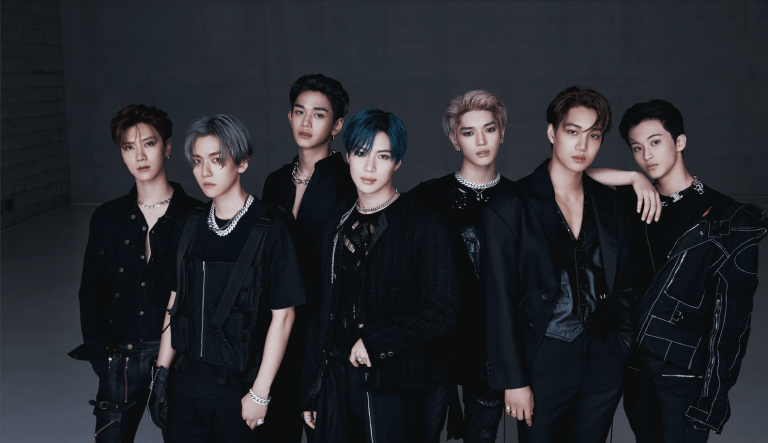
The Cognitive Role of Fan Songs in K-pop Fandom

Abstract: This review examines how studies on cognitive and emotional responses to music, particularly those related to social bonding, can shed light on the function of fan-dedicated songs within global K-pop fandoms. By analysing five recent studies on the social and affective dimensions of music in the brain, the paper argues that fan songs play a crucial role in maintaining group cohesion across the diverse and expansive communities that constitute contemporary K-pop fandom. The discussion underscores the significance of intentionality and source-sensitivity in these musical interactions, suggesting avenues for future research into the role of songs in music fandom.

Keywords: K-pop fandom, fan songs, cognitive responses to music, emotional responses, social bonding, group cohesion, intentionality in music, source-sensitivity, music fandom studies, social and affective neuroscience.

NOTE: This was written as a term paper for a course I took at KAIST CT during Spring 2023, GCT563 Cognitive Science of Music (음악 인지과학) with Professor Kyung Myun Lee from the Music and Brain Lab. It turned out a lot more social than cognitive, but I still managed to finish this course with an A+.

Outline

  1. Introduction (go)
  2. Variables in Music Fandom Studies (go)
  3. Songs in K-pop Fandom (go)
  4. Intentionality and Source-sensitivity (go)
  5. Conclusion (go)
  6. References (go)

Introduction

This review investigates whether studies on cognitive responses to music, especially emotional responses, and the suggested roles of music in social bonding can provide insight into the role that songs play in music fandom, particularly global K-pop fandom. The driving premise is focused on the specific role played by fan songs — the songs that are specially dedicated to the fans. Through the analysis of five recent studies on different social and affective dimensions of music in the brain, I argue that, in the complex structure of K-pop fandom, fan songs are one of the fundamental elements of the maintenance of group cohesion across the large, diverse communities that make up contemporary fan communities of Korean idol music. By drawing theorisations, the goal is to point towards future research on the topic of the role of songs in music fandom.

Variables in Music Fandom Studies 

Fandom studies scholar Matt Hills calls “discursive mantra” the discourse that fans employ to justify their passions and attachments — in his own words, an attempt to “ward off the sense that the fan is ‘irrational’.” In his book “Fan Cultures” (2002), when discussing how fans react when questioned about their attachment to particular texts, he recommends that the justifications that fans offer for their attachment aren’t taken at face value (in context, he refers especially to those conducting ethnographic research on fandom). He claims that the reason multiple fans of the same text would provide similar answers when questioned is more a question of the construction of their own fandom discourse, than a question of how they have made sense of their fandom experience for themselves. 

Hill’s recommendation to fan ethnographers highlights one of the difficult aspects of assessing the reasons for fan attachment through strictly qualitative approaches. Multiple studies of the sort have been conducted; in music fandom, for example, a study published in 2019 in the Journal of Consumer Behavior conducted in-depth interviews with long-term music fans in France and Belgium, to retrieve patterns and categories that explained different types of interactions and mode of engagement of fans with their favourite musicians (Derbaix & Korchia, 2019). But, if we consider Hills’s position that personal statements from fans should be approached with extra care, it’s important to consider other studies employing different types of data and methods to gain more qualified insight into the dynamics of attachment, and how music fans interact with their texts in fandom. To begin this review, I refer to a representative study that successfully employs large samples of subjects, and quantitative methods, to assess fandom affiliation in music fandom, by Greenberg et al (2021). With a combined number of over 85,000 subjects, they found that people tend to prefer the work of musicians whose public personas are similar to their own personality traits, which they call “the self-congruity effect of music”. 

Greenberg et al (2021) conducted three studies (N = 6,279 + N = 75,296 + N = 4,995) to assess the degree of correlation between fans and their personality, and the personality and work of their favourite artists, according to the Big Five personality traits — agreeableness, openness, conscientiousness, neuroticism and extraversion (Goldberg, 1992) —, whose high correlation with preferences for musical features, genres and styles had been demonstrated in prior research (p. 1). In Study 2, the team used a combination of LDA, PCA and ridge regression model to extract personality traits from the artists, according to the lyrics of their 10 most popular songs. They found a high correlation between certain personality traits found in their fans, and the personality of artists that were learned from songs. 

In Study 3, they employed the ESSENTIA software library to extract high-level music features (such as happy or relaxing), and low-level audio features (such as loudness or speed) from popular songs of the same artists. From participants, they assessed their musical preferences by having them listen to 15 music excerpts (15s each) by largely unknown musicians, and registering their opinions and preferences related to those excerpts. The features extracted from the songs, and the participants preferences, were aligned to the dimensions of arousal, valence and depth. They found that the fit between the depth level of an artist’s work and the general preference of the participant for depth-related features was a “highly significant predictor” of the participant’s liking of the artist’s music (p. 9). Taken together, the results show that musical preferences can be predicted with similar accuracy by a match between the participant’s personality and the persona of the musician, demographics and preference for certain music features. 

The authors take these findings to be robust evidence for the self-congruity effect of music. They theorise three mechanisms that might be behind this phenomenon, and two are relevant to this review. First, the possibility that people do seek out the work of musicians with similar characteristics to themselves, which might also follow that, in choosing to like a particular artist, people are after the possibility of connecting to other like-minded people. Second, and conversely, affiliation to an artist’s social following, and listening to their music (considering both lyrics and musical features) might also affect the individual’s personality over time — theorising that people might, indeed, become fans of certain artists for reasons that are not related to personality traits, but socialising into their fan culture might create room for their personality to align to those around them. 

The findings of Greenberg et al (2021) are aligned with a large body of research in the social dimensions of music, approaching the reasons why music is made, shared, appreciated and celebrated in human societies, both from endogenous and exogenous perspectives. Taken together, these studies offer some insight into more nuanced, case-specific aspects of the role that music plays within social groups, especially in the case of music fandom, where it is meant to be the central text of the bonding, along with the musicians that make/perform it. Based on this study, we will assume that, from a music preference perspective, within a certain fandom, certain personality traits are expected to be shared by most of the fans, owing both to processes of homophilic-oriented bonding and group assimilation. In that sense, we consider the specific songs produced by an artist both as an element to bring people together (at a first encounter), and as an element that brings people closer, while creating/maintaining some level of cohesion within said fan community. 

Songs in K-pop Fandom

One of the aspects that makes the idol fandom unlike other fan experiences is the intentional creation of a transmedia alternate universe, which creates the illusion of a world of intimacy between an idol of their fans. Galbraith (2012) borrows from John Fiske and describes this world of intimacy as “inescapable intertextuality” (2012, p. 186), a realm in which all parts of the narrative point back to one another. Throughout the wide variety of contents that idols produce for their fans, the same story is told using various media outlets, such as variety shows, live broadcasts, concerts, backstage clips, vlogs, daily pictures and updates shared in social media — but, most importantly, through their music.

The uniqueness to participatory culture in idol fandom has been discussed by many authors, who have focused on different aspects of the architecture of this alternate reality. For instance, in K-pop, there is an emphasis on the fact that fans are also expected to play a role in performance, through fanchants and lightsticks and banner events, to the extent that Jungwon Kim (2017) argues that K-pop can be understood as an action, rather than simply as a cultural product, because of the participatory nature of performance. She proposed the idea of K-pop as a verb, and coined “K-popping”, based on Christopher Small’s idea of “musicking”:

To music is to take part, in any capacity, in a musical performance. That means not only to perform but also to listen, […] or to take part in any activity that can affect the nature of that style of human encounter which is a musical performance (1999, p. 12)

Specifically about the songs, this emphasis on the joint performance that fans are expected to carry out results in a stronger emphasis placed on memorising lyrics, along with their fanchants. In this sense, Kim (2017) says that the structure of K-pop music is characterised by repetition, which not only makes the songs catchier, and more appealing to the public, but also makes it easier for fans to remember and sing along. Even so, hook-based danceable songs aren’t the only type of music released by K-pop idols, whose albums include a variety of genres, such as hip hop, r&b and slow ballads, resulting from the process of hybridisation that Western and Asian genres that is said to characterise K-pop (pp 19-22). 

The perceived simplicity of lyrics attributed to the hook-based pop tunes, which are the main drive of K-pop, doesn’t completely deplete the significance of what K-pop stars sing about. In that sense, we have two approaches; firstly, as noticed by Jin and Ryoo (2014), in their analysis of Girls’ Generation’s “Gee” and Kara’s “Jumping” (released in 2009 and 2010, respectively), pop lyrics in Korean idol music portray “the secularism of modernity” (commercialism and individualism) (pp 126-27). On the other hand, one of the biggest changes brought forth by BTS’s unprecedented global popularity was a stronger importance placed on K-pop groups having songs with meaningful lyrics. Both global media and BTS fans have often emphasised the relevance of their lyricism to their popularity — for example, in a 2018 article written by Tamar Herman for Billboard, “[K-pop] songs typically revolve around romance, partying and, on occasion, friendship and daily life.” BTS is presented as being a counterpoint — “the group manages to frequently reference the struggles that young people go through and draw on their own experiences within South Korean youth culture.” She also goes on to highlight that “many of BTS’s fans (…) have said that the boy band’s lyrics have inspired them”, because “Many of BTS’ songs are rife with meaning” (2018).

On the role played by lyrics in the experience of musical pleasure, Nummenmaa et al (2021) mention that the high popularity of vocal music, as opposed to instrumental music, might be explained by the ability that vocals have of communicating emotional states more effectively, as well as from the idea of ‘social stimulation’ evoked by text content (which they extent from literature into music). As they mention, such extension is validated by large-scale analysis which suggest a close link between the emotional meanings of lyrics, and the emotional load of musical features, such as major/minor chords (p 198).  

Going beyond the craving for social communication, Nummenmaa et al (2021) also discuss the role of lyrics in how music pieces activate autobiographical memories. This autobiographical element is central to the music appreciation framework brought forth by Thompson et al (2023). In their paper, they describe the central hypothesis of their framework as follows:

Three forms of music appreciation have been identified that may occur simultaneously with varying degrees of prominence: one form involves perceiving and internalizing musical structure; another involves activating networks of personal significance, identity, and autobiographical memories; a third—called source sensitivity—involves identifying and engaging with the causes and contexts of music making, including the personal attributes of musicians, and the sociopolitical, historical, and cultural contexts of music-making. (2023, p. 261, emphasis added)

According to the authors, autobiographical experiences and identity affirmation are forms of appreciation that arise from personal, self-oriented associations, as opposed to forms that arise from structural characteristics of the music (the musical features), and what they call “source sensitivity,” the appreciation that stems from contextual cognition of musical sources. The interplay between these self-oriented and source-oriented forms of appreciation can be well-exemplified, in the K-pop context, by “fan songs,” “idol’s sweet serenade dedicated to their fans” (Kim, 2019). These songs have been part of the K-pop landscape for a long time – for example, SHINee’s song titled “The SHINee World (Doo-bop)” (a reference to the complete name of their fandom, shawols — short for “SHINee world”) was a part of their first album, released in 2008. VIXX (2012) and Seventeen (2015) also had special fan songs in their debut releases — “Starlight,” a b-side in VIXX’s first single album “SUPER HERO”, and “Shining Diamond” in Seventeen’s first mini-album “17 Carat.” Another important aspect is that these fan songs aren’t a one-time event — some groups would go as far as release one special fan song with every mini-album/album. 

Much like what Thompson et al (2023) call “Couple-defining songs,” these fan songs trigger positive memories, specifically associated to the perceived relationship between artists and fans, reinforcing and maintaining the feelings of intimacy and cohesion within the relationship (p. 266). Over the years, these songs become triggers for shared memories; in his large-scale review of BTS’s entire discography, Kim Youngdae (2019) describes “2! 3!,” the special fan song in their 2016 ‘Wings’ album, as “one of the best songs of the album, which is both unusual and meaningful [for a song dedicated to fans]” (p. 138). He highlights the lyrics which say “In the shadow behind the stage // I didn’t wanna show you all the pain in the darkness”, to highlight the central message of the song — “Bad memories will be forgotten and only good days are ahead of us.” A connection is intentionally established between the heartwarming song, and the journey that has brought fans and artists until this point, linking their victory over past hardships, and present success, to the support of their fans. 

These associations between songs and intimate memories, in the context of the parasocial relationship between idols and fans, sit right at the intersection between self-oriented and source-oriented music appreciation, to the extent that the special personal association fans collectively have to that song is a consequence of the “detailed knowledge of the causal and contextual sources surrounding these songs” (Thompson et al, 2023, p. 266). In other words, the fact that fans know the song was written for them, or about them, or that it was dedicated to them. In his review of BTS’s 2018 album ‘Love Yourself: Tear,’ Kim (2019) describes “Magic Shop,” the special fan song of the album, as “the obvious choice for best track”, to the extent that it elevates “the tight bond between BTS and their fans to a whole new dimension”, due to the “warm sentimentality” and “impeccable quality of songwriting” (p. 198-99). 

Intentionality and Source-sensitivity

In an interview with Time Magazine, published in June, 2017, RM, leader of K-pop group BTS, said that he believed the reason why BTS had built such a massive following online was because of their dedication to communicating with their fans through social media. He specifically mentioned his own music-sharing habit, using the hashtag #RMusic, to introduce or recommend songs he liked, and then went on to say “Music transcends language.”

The idea that music is “the universal language of mankind,” expressed in RM’s saying, has been around at least since the 19th century. In their research article about universality and diversity in music, Mehr et al (2019) mention that this idea, albeit regarded as “conventional wisdom,” is very hard to prove — few, if any, universals exist in music. 

Even so, their study found that societies’ musical behaviours are mostly similar, and the differences within a society are greater than the differences between societies. For example, all societies considered have songs that are calming (exemplified by lullabies), songs that are exciting (such as dance tunes), and songs that are inspiring (like prayers). After running a test with almost 30,000 subjects, to see if people could accurately identify the category of a song from contextual cues, they found the highest accuracy for dance songs, followed by lullabies, healing songs, and love songs (despite being the lowest, the rate was still higher than chance) (p. 8). 

These results are a good indicator of the reason why, in spite of the vagueness behind the idea of music as some sort of “universal language,” it still has enough universalities to make it a powerful communication tool, particularly in the context being considered, which is songs written by artists specifically to address their fans. Even more specifically in the context of K-pop for global audiences, with the language barrier that exists between Korean artists and their international fans. 

As Thompson et al (2023) put it, behind the idea of source-sensitivity, there is an important layer of intentionality (on the performer’s end). In that sense, as one of the most straightforward, non-ambiguous channels of communication between artists and fandom, we can argue that fan songs are an important tool to help create the world of intimacy between artist and fans, to the extent that it can be used as a tool to achieve group cohesion. From existing literature, this idea of group cohesion can be considered from two perspectives; one, which has been discussed already, as demonstrated by Greenberg et al (2021), is through the values and personality traits communicated by artists through their persona and lyrics. 

However, when bringing forth their Music as Social Bonding (MSB) Theory, Savage et al (2021) discuss the role of music in promoting social cohesion from the observed effects on the brain. In the idea that social bonding is the “ultimate, functional explanation of the evolution of musicality” (p. 14), the study proposes specific hypotheses about neurological proximate mechanisms related to the social effects of music. The authors describe a cycle in which learning to predict musical features activates the brain’s reward system, and synchronises brain activity between people, creating a “neural resonance” that facilitates social bonding. This bonding is thought to be due to “facilitates social bonding through shared experience, joint intentionality, and “self-other merging”” that occurs when people listen to music together. Additionally, the rewarding experience of listening to music may be associated with specific individuals, as co-experiencers (Savage et al, 2021). In that sense, the paper supports the idea that, while musicality did not necessarily originate as a biological adaptation for social bonding, musical abilities might have evolved due to how musical behaviours helped signal decisions to socialise and cooperate (pp 20-21). 

This is in line with what is concluded by Nummenmaa et al (2021) — that one of the reasons why music is so rewarding is how it’s linked with interpersonal synchrony and affiliation, which signalise its role in human sociability (p. 200). In their paper, they describe the “neural resonance” as a trick of “simulated synchrony,” giving the illusion of being in sync with other people, which, associated to opioid release, promote the feeling of social contact (and are also known to elevate pain thresholds, as noted by Savage et al (2021)). 

It is important not to forget that these neurobiological mechanisms are simply another side of the social mechanisms being described so far. Nummenmaa et al (2021) mention studies that have found that, the more emotionally salient the autobiographical memories recalled when listening to music, the more activity was seen in the mPFC, the brain region that is involved in social cognition (p. 199). This system is believed to be centrally involved in social bonding through the connecting role of retrieving and sharing personal memories, another evidence suggesting how music and lyrics support social attachment functions (2021). 

Conclusion

Five studies on the role of music in social bonding were analysed in this review. By focusing on fan songs, we were able to consider their effect on what fans think about themselves as members of their fan community, and what they think about their own idols. We found indicators that these songs might serve as important communication tools between an artist and their fans, creating and maintaining intra-group cohesion. This can be done by attracting certain types of people through value-signalling, and by inducing changes in the members themselves through processes of group assimilation.

This review also showed opportunities for future research. For example, future studies could measure different brain responses of fans to specific songs according to how they are categorised in the artist’s discography. This would include not only fan songs, but also the distinction between title tracks and B-sides. There is also some opportunity to study the extent to which lyrics of fan songs influence the social imagination and the lexicon of fans as members of their fan communities. Another possibility is a study analysing different samples of fan songs, testing for musical features and lyrics, controlling for fandom size. This would look for patterns that might be more predictive of efficient communication of intention between artists and fans. A final point, which was only superficially explored in this review, is the aspect of language in K-pop fandom. This includes the role of translation, more specifically the work of fan translators, in helping manage the collective understanding of messages shared through lyrics in the context of global fandom.

Overall, this review shows that studies in cognitive musicology offer rich insight into the specific functions that songs can play inside music fandom. In the context of fandom studies, which has been mostly ethnography-driven over the years, we provide directions that could take studies on the dynamics of fan attachment beyond self-reported fan perceptions. This is based on the well-established cognitive understanding of how music affects the brain, or at least, evidence-abundant suggestions of how music influences social bonding.

References

Derbaix, Maud & Korchia, Michaël. (2019). Individual celebration of pop music icons: A study of music fans relationships with their object of fandom and associated practices. Journal of Consumer Behaviour. 18. 10.1002/cb.1751.

Fiske, John. 1992. “The Cultural Economy of Fandom.” In The Adoring Audience: Fan Culture and Popular Media, edited by Lisa A. Lewis, 256. New York: Routledge.

Galbraith, P. W. (2016). “The Labor of Love: On the Convergence of Fan and Corporate Interests in Contemporary Idol Culture in Japan”. In Media Convergence in Japan, edited by Patrick W. Galbraith and Jason G. Karlin: 232-64. Tokyo: Kinema Club. 

Greenberg, D. M., Matz, S. C., Schwartz, H. A., & Fricke, K. R. (2021). The self-congruity effect of music. Journal of Personality and Social Psychology, 121(1), 137–150. https://doi.org/10.1037/pspp0000293 

Hills, Matt. Fan Cultures. London: Routledge, 2002.

Jin, Dal Yong, and Woongjae Ryoo. 2014. “Critical Interpretation of Hybrid K-Pop: The Global-Local Paradigm of English Mixing in Lyrics.” Popular Music and Society 37 (2): 113–31.

Kim, J. (2017). K- Popping: Korean Women, K-Pop, and Fandom. UC Riverside. 

Kim, Youngdae. 2019. BTS The Review: A Comprehensive Look at the Music of BTS. First Edition. Seoul: RH Korea Co., Ltd. 

Mehr, S. A., Singh, M., Knox, D., Ketter, D. M., Pickens-Jones, D., Atwood, S., … & Glowacki, L. (2019). Universality and diversity in human song. Science, 366(6468), eaax0868.

Nummenmaa, Lauri & Vesa, Putkinen & Sams, Mikko. (2021). Social pleasures of music. Current Opinion in Behavioral Sciences. 39. 196-202. 10.1016/j.cobeha.2021.03.026.

Savage, P. E., Loui, P., Tarr, B., Schachner, A., Glowacki, L., Mithen, S., & Fitch, W. T. (2021). Music as a coevolved system for social bonding. Behavioral and Brain Sciences, 44.

Small, C. (1999). “Musicking — the meanings of performing and listening.” A lecture, Music Education Research, 1:1, 9-22, DOI: 10.1080/1461380990010102

Thompson, W. F., Bullot, N. J., & Margulis, E. H. (2023). The psychological basis of music appreciation: Structure, self, source. Psychological Review, 130(1), 260–284.

News Articles:

Bruner, R. (2017, June 28). Rap Monster of Breakout K-Pop Band BTS on Fans, Fame and Viral Popularity. Time. https://time.com/4833807/rap-monster-bts-interview/ 

Herman, T. (2018, May 7). BTS’ Most Political Lyrics: A Guide to Their Social Commentary on South Korean Society. Billboard. Billboard.
https://www.billboard.com/music/music-news/bts-lyrics-social-commentary-political-8098832/ 

Photo by Anthony DELANOIX on Unsplash

nos moldes de um ídolo

Que tipo de artista é um idol?

For the English version, click here.

Meu primeiro contato com idols de K-pop foi em 2009, aos 14 anos de idade, quando eu aprendi que uma das minhas músicas favoritas de uma das minhas bandas alemãs favoritas – “Forever or Never”, de Cinema Bizarre – também havia sido gravada por um grupo coreano chamado SHINee. No ano seguinte, a maioria das minhas colegas que também eram fãs de bandas alemãs haviam trocado Cinema Bizarre, Tokio Hotel e Killerpilze por Super Junior, BIGBANG, SHINee, entre outros. A maioria de nós já tinha um histórico com J-pop e J-rck; eu mesma me interessei rapidamente por Super Junior, por conta do quanto o Heechul me lembrava meu guitarrista de visual kei favorito, Miyavi. Mas esse interesse não durou muito; como uma jovem cristã, eu não conseguia lidar naturalmente com o termo “idol”.

Cinema Bizarre “Forever or Never” live, 2008

Coincidentemente, foi a música “IDOL” do BTS, lançada em 2018, que acabou me arrastando de vez para a indústria, me atraindo com uma sobreposição de percussão tradicional Coreana e Afrobeat que deixavam minhas manhãs de recém-formada (e recém-desempregada) menos insuportáveis. Isso foi há cerca de dois anos e meio. Minha mente adulta, mais educada e esclarecida, foi capaz de se importar menos com as conotações negativas que o termo “idol” me comunicava no passado – ainda que de vez em quando eu ainda tenha que me explicar um pouquinho quando sou questionada dentro dos meus círculos religiosos. Chamar jovens popstars de um nome desses é uma forma bem pouco sutil de deixar claro para qual propósito eles foram criados, mas, mesmo assim, há mais por trás disso que uma escolha de palavras.

Isso é algo que eu digo com frequência – eu sempre fui fã de alguma coisa, desde pelo menos minha pré-adolescência. Ser fã é parte da minha identidade, e parte de como eu interajo com o mundo. Isso é relevante porque, depois que me tornei fã de K-pop, o processo de aprender mais sobre o que o rótulo “idol” significava e o quanto era importante na formação de algumas das coisas que eu mais gostava nesses artistas deu uma forma nova à como eu percebia minha própria vivência como fã. Este texto é uma peça bastante pessoal, e uma primeira tentativa, bastante subjetiva, de colocar em palavras como minha noção de gosto mudou ao longo dos últimos anos, bem como de prestar uma pequena homenagem à um dos idols que eu mais estimo – Hoshi, do grupo Seventeen – , não apenas porque hoje, 16 de Junho, é aniversário dele, mas também porque gostar dele tanto quanto gosto hoje em dia tem muito a ver com meu processo de descobrir o que idols eram de verdade.

BTS, o maior grupo de K-pop do mundo, afirmando que eles são, de fato, idols. Agosto, 2018.

Eu vim para o K-pop direto de uma carreira longa em diversos tipos diferentes de rock, de power pop a pop punk, punk e stoner rock, e todo tipo de sonoridade rotulada “alternativa”. Minhas primeiras percepções como fã eram naturalmente altamente definidas por essa experiência que eu já possuía, mas, ao mesmo tempo, porque havia uma transição bastante evidente em jogo, eu precisei admitir para mim mesma que deveria haver algo específico, potencialmente novo, me atraindo para esse tipo de artista muito diferente (ainda que houvesse alguns paralelos importantes, tantos que até foi escrito um artigo analisando o porquê de tantos antigos fãs de emo e pop punk foram para no K-pop). Eu tinha em mim um sentimento de querer muito ser capaz de apreciar as diferenças tanto quanto as semelhanças. Como eu mencionei antes, eu havia acabado de me formar, então minha cabeça ainda estava cheia do processo de estudar para & escrever meu TCC, e eu tinha tempo suficiente para fazer minha coisa favorita: continuar estudado (btw, esta é a versão resumida de como eu acabei estudando fandoms). Eu tive a sorte de fazer amigos que me apontaram na direção certa, me mostrando as músicas, vídeos, performances ao vivo, artigos e livros que me ajudaram a estabelecer uma boa base pra começar a visualizar o cenário de idols na Ásia de forma mais ampla, colocando em contexto o produto final que eu gostava tanto de consumir.

Bem no começo de 2020, em uma conversa com uma das amizades mais experientes que eu arranjei, eu ouvi que todo fã em algum momento poderia ser confrontado com a situação de não ter mais tempo (ou energia) para continuar apoiando a carreira de tanta gente ao mesmo tempo, então deveria haver 1 idol com o qual nós estamos dispostas a seguir, deixando os outros para trás. Eu me lembro de dizer que não sabia dizer quem eu escolheria; mas então, não muito tempo depois, um pouco depois do 24º aniversário do Hoshi, eu percebi que ele havia se tornado minha resposta àquele questionamento. Quando eu comecei a gostar de Seventeen, ele não foi um dos primeiros membros a chamar minha atenção, mas, quanto mais eu aprendia sobre o grupo, mais ele me intrigava. A princípio, eu acreditava que havia algo de incomum por trás desse interesse, porque todos os meus idols favoritos até aquele momento tinham algumas características em comum que não eram as coisas mais marcantes sobre ele. Essa percepção me fez pensar bastante sobre o que havia gerado esse interesse. Eu acabei concluindo que minha nova simpatia era o resultado de um processo maior de transição pelo qual eu estava passando, que era resultado dos pensamentos e ideias que eu havia assimilado depois de ter buscado educar minha mente para perceber idols como idols.

This image has an empty alt attribute; its file name is 5r6a0700_2.jpg
Hoshi, em fotos do behind the scenes da gravação do clipe da música que marcou seu debut como artista solo, “Spider”, lançada em Abril deste ano. Em suas próprias palavras, ele é “o menino que vai quando você diz que ele não deve ir // o menino que tenta até o final quando você me diz para não fazer alguma coisa” (trecho da sua música “Horanghae”, não lançada). Foto retirada da plataforma Weverse.

QUAIS OS MOLDES DE UM IDOL?

Ser um idol é, em si, uma performance. Idols são um gênero especial de artista pop, cujas personas são especialmente desenvolvidas para maximizar a chance do estrelato. Tal performance é, de fato, um trabalho artístico – um fato que pode ser facilmente ignorado de acordo com a definição de “arte” do observador. Como é uma performance em tempo integral, o papel dos jovens que dão duro para trazer à tona uma imagem de si que seja digna do título é com frequência ofuscado pelo papel dos agentes e produtores no processo. Trainees em empresas de K-pop gastam toda sua juventude treinando em busca do sonho de receber a chance de debutar em um grupo[1], e depois gastam os anos subsequentes trabalhando para construir relevância e estabilidade, no grupo, e individualmente. A partir do momento em que um novo trainee é aceito em uma agência, e sua jornada começa, o objetivo final é o palco; é o lugar em que todos os elementos do processo se juntam, e eles apresentam a excelência que desenvolveram em música e dança, para mostrar que são dignos do nome, e do apoio de seus fãs. Mas a soberania do palco é apenas um dos aspectos dessa performance.

Idols foram projetados para que se tornassem uma fonte de segurança, além de um objeto de desejo, através dos quais os fãs pudessem viver a fantasia de realizar sonhos, em forma de apoio incondicional. Para alcançar essa fantasia, tornar-se fã de idols é uma experiência como a de adentrar uma realidade alternativa transmidiática, um domínio no qual todas as partes da narrativa eventualmente referenciam e apontam umas para as outras[2], criando a ilusão de um mundo de intimidade entre um idol e seus fãs. Neste mundo, uma estética utópica de juventude coletiva é efetivada; para muito além de desejar seus corpos e seus estilos de vida, fãs são encorajados a se perceber como sendo parte da jornada. Da mesma forma que idols crescem desde seus dias como trainees até que se tornem artistas maduros, todos os seus fãs também irão, em suas próprias existências, crescer, e trabalhar duro em busca das próprias aspirações e sonhos.

Esses processos de crescimento do artista e de seus fãs são percebidos como sendo um só, de acordo com a arquitetura dessa relação parasocial; nesse sentido, a experiência de ser fã de um idol é o trabalho de uma vida[3] – conforme empresas e idols trabalham juntos para trazer as imagens e textos através dos quais o apoio dos fãs será captado, fãs entram na equação não apenas como apoiadores, mas com sua própria performance de fandom. Essa performance é expressa através de práticas diárias, como comprar produtos, votar para premiações, escutar músicas e assistir vídeos, organizar eventos, produzir fanart, apoiar marcas patrocinadoras. Mas, da mesma forma que o palco é o momento em que o idol se apresenta em toda sua majestade, fãs também tem um papel próprio no show, sacudindo seus lightsticks (bastões de luz), cantando coros especiais que acompanham cada música, e apresentando as performances coordenadas com slogans que carregam frases especiais para os artistas.[4] Todo esse sistema de idols é construído sobre esse pacto de vínculo entre idols e fãs; e, nisso, como aponta Joanna Elfving-Hwang (2018), qualquer seja o papel que as partes constituintes devem exercer, a base desse pacto é nunca sair do personagem[5].

Se ser um idol é um processo de produzir uma expressão de si que seja digna do título, o talento mais desejável à um jovem aspirante seria a habilidade de articular uma performance cativante e consistente dentro e fora do palco. Nesse sentido, quando elaborando suas personas, a genialidade de exercer esse papel é saber como usar o que se tem em si para construir uma ponte entre quem eles já são, e quem eles devem ser. Já que todo idol que consegue debutar teve que passar ao menos pelo mesmo processo duro de preparação antes de ter a chance de se apresentar num palco, a carreira duradoura que eles tanto desejam depende muito da sua habilidade de fazer com que outras pessoas se apaixonem pelos sonhos deles, e queiram sonhar junto com eles. É por isso que uma história pessoal impactante é tão importante para dar credibilidade à uma personalidade atraente, como uma bússola que indica a direção da narrativa e dá à performance tons mais realistas, e cronologicamente sustentáveis.

Hoshi aparecendo de surpresa para dançar com fãs esperando na fila do show do Seventeen em Newark, nos EUA. Janeiro, 2020.

HOSHI, O IDOL 

Hoshi, meu idol favorito, é uma força da natureza. Seu nome artístico é uma combinação das palavras “horangi” [호랑이, tigre] and “siseon” [시선, olhar]. Sua persona divertida e falante faz uso abundante de uma estética de fofura barulhenta para mostrar um lado cativante, que é um grande contraponto à postura de tigre feroz que ele assume no palco. Nascido em 1996 como Kwon Soonyoung, ele debutou oficialmente em Maio de 2015, como o dançarino principal entre os 13 garotos do Seventeen, depois de treinar por quatro anos. Por conta do grande número de membros, o grupo é dividido internamente em times de acordo com especialização; existe o Vocal Team, o Hip Hop Team, e o Performance Team, do qual o Hoshi é líder. Ele é reconhecido como um artista apaixonado, um coreógrafo talentoso, e o metrônomo do grupo, obcecado tanto com a sala de ensaios quanto é obcecado pelo palco. Seu amor por trabalhar duro e enfrentar os processos é uma de suas maiores vantagens – sua paixão dá conta de cada um dos degraus da escada que leva do compromisso com a preparação até o lugar sob os holofotes.

Pensando em retrocesso, eu acredito que a habilidade que ele tem de tremer de tanta paixão por tudo que faz, em tudo que faz, tenha me feito começar a gostar tanto de assisti-lo. Conforme eu avançava na minha jornada extensa pelo conteúdo do Seventeen em diversas mídias, ele me contava uma história bem consistente de um artista que trabalhava muito duro, que havia desafiado todas probabilidades para se construir do zero. Quando ele era apenas um garoto com um sonho de se tornar um artista, e um histórico sólido em taekwondo, ele percebeu que suas habilidades físicas eram o suficiente para que ele tivesse uma chance. Seus pais não apoiaram seu sonho, mas ele já tinha em si fome e sede que o levaram a tentar provar que era capaz. Ele começou praticando sozinho, em casa, e foi criando as próprias oportunidades, fundando o próprio clube de dança na escola, e entrando em diversas competições, e saindo de campeão de algumas. Em uma dessas, ele alcançou o desejo de ser recrutado por uma agência. Decidido a não deixar passar a chance que havia recebido, ele construiu para si desde o dia 1 a reputação de ser o trainee que dava mais duro e se entregava mais que todos; essa reputação o tem seguido desde então, e continua sendo reafirmada toda vez que ele dá um passo adiante para se apresentar de novo.

This image has an empty alt attribute; its file name is ep5evh5ucaannno.jpg
O jeito leve e bobo com o qual Hoshi se apresenta diante dos fãs vem para contrabalancear seu performance intensa e feroz nos palcos. Seventeen “Ode to You” Turnê em Seul, foto de Eyes on You. Agosto, 2019.

Quando ele dança, ele é intocável e intrigante; diante das câmeras, é uma figura confortante e confiável, com uma aura acessível que faz com que seus fãs o considerem quase como parte da própria família. Esses lados diferentes dão forma à complexidade do seu “tiger power”, a marca que resume e iconifica o gênio da sua performance de ídolo. Kwon Soonyoung, o jovem, diz que é um introvertido, mas, como artista, dá preferência ao barulhento e cheio de energia e quase insano como um impulsionador, e parece decidido a transformar qualquer pedaço de chão num palco, independente de qual seja o papel que ele deve cumprir. Eu até diria que essas diferenças entre sua performance e aquilo que ele às vezes descreve como seu “verdadeiro eu” tornam o show mais interessante. Ele pode sempre contar com o suporte da credibilidade da sua trajetória, que torna o pacote completo sendo apresentado mais crível, e mais agradável de ver – quase como se nós pudéssemos ver a estrada inteira pela qual ele caminhou toda vez que os holofotes se projetam sobre ele. Há um senso geral de coerência que ele consegue comunicar através de diferentes formas de mídia que é difícil de descrever mas, em última análise, se traduz para mim como um senso de comprometimento e segurança de que ele está tão fascinado pelos próprios sonhos quanto seus fãs estão fascinados por ele.

Essa habilidade de se comunicar de forma coerente ao longo dos anos talvez seja uma das razões pelas quais é tão fácil se apaixonar por ele por seus sonhos, a ponto de desejar muito vê-lo alcançar todos. Isso foi muito evidente durante “Spider”, seu excepcional debut como artista solo, lançada em Abril. O lançamento é um excelente display de tudo que ele construiu desde que decidiu que queria estar em um palco; a canção sutilmente voluptuosa foi escrita e produzida pelo seu amigo de longa data e companheiro de banda, Woozi, e permitiu que ele se mostrasse como um artista completo além do Seventeen, destacando seus movimentos pungentes, sua voz encantadora, e seus ângulos e formas belos e viciantes. A canção é fácil de ouvir e implora pelo replay, e tanto o clipe oficial quanto as múltiplas performances, incluindo o dance practice, são um banquete visual, conforme ele se movimenta entre os bailarinos e bailarinas e os caixilhos que constituem a performance. Seus altíssimos padrões de qualidade estão presentes em cada aspecto, desde a concepção, como ele mesmo descreve nas entrevistas e no registro do processo lançado no canal do Seventeen. Não é muito diferente do Hoshi, membro do grupo e líder do Performance team, mas é um pouco maior, e vai além, como a sensação de que você tem que andar mais alguns passos para ter uma visão melhor do todo.

Se você é meu amigo, eu provavelmente te obriguei a assistir isso aqui pelo menos uma vez.

A TRANSIÇÃO

Gosto é um assunto difícil de navegar, porque existem múltiplas camadas coletivas e individuais, externas e internas, por trás do que nos enviesa e nos vincula às coisas; existem diversos aspectos da subjetividades que são inexprimíveis, mas que são como peneiras e filtros que definem com nós digerimos tudo aquilo que ingerimos. Mais difícil ainda quando consideramos nos diversos tipos de discursos de fã que existem, não apenas por causa das qualidades emocionais que fazem parte, mas também o aspecto comunitário que caracteriza a percepção geral de ser fã como ser parte de uma ideia de um arranjo extenso de pessoas que compartilham o mesmo gosto, o mesmo viés, o mesmo vínculo. É discutível até que ponto o gosto de um fã deve ser analisado, principalmente porque, conforme o tempo passa, se torna cada vez mais difícil diferenciar a identidade e a reação pessoal do indivíduo das construções coletivas de discurso com as quais o fã pode entrar em contato. Por isso, desde o começo, eu deixei claro que este era um relato pessoal, porque, no fim das contas, aquilo que me enverga diz respeito à mim.

Mesmo assim, mesmo que o processo de me tornar uma grande fã do Hoshi tenha sido um processo individual, pessoal e subjetivo, existe um processo mais amplo em questão – que é a coisa que eu estou chamando de uma transição ocasionada pela minha experiência de adquirir conhecimento – que foi o processo de me tornar mais fã de um dançarino que de outros. Isso pode soar estupidamente simples, e provavelmente indigno de um texto tão longo assim, mas a verdade é que na verdade é bem duro desconstruir percepções de uma vida toda sobre o valor das muitas mídias através das quais a expressão pessoal se articula. Na faculdade de Arquitetura, minha melhor vantagem era a capacidade de traduzir imagens e espacialidades em palavras, e vice-versa. Mesmo como professora de Inglês, minhas habilidades devem muito ao meu talento de pensar demais sobre como usamos a língua para expressão. A coisa que eu sempre mais admirei foi a capacidade de usar bem as palavras – o tipo de percepção que eu cultivei enquanto crescia sendo fã de coisas, e que carreguei comigo quando virei fã de idols.

A princípio, todos os meus idols favoritos eram os compositores, aqueles que carregavam em si uma poética que era articulada verbalmente, alguns que até haviam lançado livros. Mesmo que eu fosse tão fissurada pelo pacote completo do show, no frigir dos ovos, eu ainda atribuía mais valor subconscientemente àqueles que conseguiam se expressar com palavras. O processo de me aprofundar nos conteúdos não-verbais do K-pop, e entender como cada aspecto adicionava valor ao produto final, me fez mais capaz de apreciar as várias camadas do espetáculo como sendo igualmente importantes; a essência daquilo que eu chamei de perceber idols como idols seria um consenso geral de disposição a ver cada um pelo papel que desempenha em pé de igualdade – desde aqueles que escrevem canções e cantam a maior parte delas àqueles que deixam o grupo mais bonito mas não necessariamente tomam a frente de performances. Uma das razões pelas quais idol groups tem uma diversidade de visuais, personalidades, talentos e tipos é justamente para maximizar o seu apelo; quanto mais amplo o espectro de apelo, maiores as chances de que alguma história toque o coração de alguma pessoa que está assistindo – porque, no fim das contas, o que está sendo comunicado ainda depende em grande medida da habilidade da outra parte de entender.

Uma fancam do Hoshi dançando ao mega hit do Seventeen em 2016 VERY NICE. Outrora os inimigos de Estado #1 do Twitter, fancams foram uma das coisas que eu demorei a entender quando virei fã de K-pop, mas que se tornaram parte constituinte da minha jornada quanto mais eu aprendi a apreciar dançarinos e performance. Julho, 2016.

Uma vez que eu havia me colocado à disposição para celebrar as várias facetas de como idols se articulavam, eu pude colocar minha admiração de longa-data pela habilidade de construir uma narrativa artística coerente à serviço de apreciar a performance de idols de forma mais inteira, o que eventualmente se desenvolveu na direção do Hoshi, o idol e artista. Tornar-me sua fã foi como descobrir o quanto eu desejava encontrar novos pontos de contato no tecido da realidade em que a sensibilidade do meu corpo e da minha alma pudessem se encontrar com as ordens superiores do cosmos – a janela de possibilidade que nos leva ao numinoso, se tivermos sorte. É tão simples quanto uma profunda ânsia por beleza. Existem incontáveis camadas coletivas e individuais, externas e internas, por trás do que nos enviesa e nos vincula às coisas, conforme nós abrimos caminho pela mata virgem que é viver e existir no mundo, e as únicas constantes são de que o tempo vai continuar passando, e que vamos continuar mudando ao longo do caminho. É aí que a performance de um idol em cima de um palco te leva de volta à estrada que ele trilhou para chegar até ali, a interseção entre se apaixonar por assistir, se apaixonar por sonhar, e transformar essa paixão em uma prática. É daí que nasce um fã.

Mesmo assim, a despeito das minhas palavras emocionadas, em última análise, a relação artista-fãs não deixa de ser uma transação financeira. A razão pela estrutura emocional complexa que sustenta o pacto de vínculo entre idols e seus fãs é a necessidade de uma estrutura resistente de apoio que viabilize o emprego de todas as partes envolvidas na montagem do show. E o que fãs tiram disso? São muitas as razões pelas quais nós damos espaço para que nossos sentimentos e percepções virem uma moeda nessa troca do que oferecemos aos artistas dos quais gostamos e que decidimos apoiar. Talvez eu também anseie pelo sentimento de seguir vida juntos à distância, como linhas paralelas nesse mundo imenso, caminhando em direção ao lugar para onde vão as almas. Eu tenho certeza que isso soa emotivo e otimista demais, mas talvez seja só minha mente pândemica, cansada demais, necessitando de distração com mais frequência que o normal, e falando mais alto que meu bom senso, mas eu já li que a beleza do mundo é realmente como a boca de um labirinto. O fato é que eu amo escrever sobre minhas coisas favoritas, porque elas sempre me ajudam a pensar sobre mim mesma. E eu amo escrever sobre o Hoshi também, mas eu gosto de assisti-lo ainda mais. Como café forte e amargo, toda vez que ele aparece, deixa pra trás um sabor que perdura na ponta da língua, que me dá energia extra pelas manhãs, ou me mantém acordada à noite quando é necessário. E esta é minha opinião orgulhosamente, totalmente, completamente, apaixonadamente tendenciosa sobre o que faz dele um grande idol.

A dona aranha subiu pela parede
Veio a chuva forte e a derrubou
Já passou a chuva o sol já vai surgindo
E a dona aranha continua a subir
Ela é teimosa e desobediente
Sobe, sobe, sobe e nunca está contente


OUTRAS LEITURAS (em Inglês)

Filmi Girl. “Why an Idol Group isn’t a Boy Band.” The Idol Cast and Other Writings. Mar 4, 2021.

Musikosmos. In the Spider’s Web.” Musikal Kosmos. Mar 29, 2021.

Sara Delgado. SEVENTEEN’s HOSHI Talks First Solo Mixtape “Spider”.” TEEN VOGUE. Apr 2, 2021.

[INSIDE SEVENTEEN] HOSHI Mixtape ‘Spider’ Behind. SEVENTEEN Official Youtube Channel. 14:07. Apr 12, 2021.


NOTAS DE RODAPÉ:

[1] Muitos idols que começam a treinar muito jovens e/ou debutam na adolescência podem interromper os estudos devido às demandas do treinar/se apresentar. (Saeji et al. 2018: 12)

[2] Em “Idols: The Image of Desire in Japanese Consumer Capitalism”, Galbraith (2012: 186) descreve isso usando o termo “intertextualidade inescapável” [tradução livre]: 

“Constantly present and exposed, the idol becomes “real,” the basis of feelings of intimacy among viewers, though this is independent of “reality.” John Fiske (1987, 116) describes the situation as “inescapable intertextuality,” where all texts refer to one another and not to any external reality. This is not to say that reality does not exist, but rather that what is accessible in cultural products is a construction of reality, which must be understood on its own terms. “Images are made and read in relation to other images and the real is read as an image” (Ibid., 117). The meanings of images, however temporary, are made (or negotiated) in interaction with images.”

[3] Para mais a respeito disso, eu recomendo especificamente “Always Fans of Something: Fandom and Concealment of Taste in the Daily Lives of Young Koreans” de Lee Eungchel (2021). Agradeço muito à Profa. Dra. CedarBough T. Saeji que compartilhou um link para este artigo, que me inspirou a escrever este texto.

[4] Sobre práticas de fãs, existe um espaço especial no meu coração para a densíssima auto etnografia “K- Popping: Korean Women, K-Pop, and Fandom” (Kim, 2016) 

[5] Demonstrar consistência entre diversos meios de comunicação com fãs, com a mídia e outros espectadores é um aspecto chave na formação do vínculo duradouro com fãs, assim como a apresentação de uma imagem confiável e digna como celebridade perante a sociedade. (Elfving-Hwang 2018)

REFERÊNCIAS

Elfving-Hwang, Joanna. (2018) “K-Pop Idols, Artificial Beauty and Affective Fan Relationships in South Korea.” In Routledge Handbook of Celebrity Studies, edited by Anthony Elliott: 190-201. New York: Routledge. Retrieved from: https://www.academia.edu/36343905/K_pop_Idols_Artificial_Beauty_and_Affective_Fan_Relationships_in_South_Korea 

Galbraith, Patrick W. (2016) “The Labor of Love: On the Convergence of Fan and Corporate Interests in Contemporary Idol Culture in Japan”. In Media Convergence in Japan, edited by Patrick W. Galbraith and Jason G. Karlin: 232-64. Tokyo: Kinema Club. Retrieved from: https://www.academia.edu/25849863/The_Labor_of_Love_On_the_Convergence_of_Fan_and_Corporate_Interests_in_Contemporary_Idol_Culture_in_Japan 

Kim, J. (2017). K- Popping: Korean Women, K-Pop, and Fandom. UC Riverside. Retrieved from https://escholarship.org/uc/item/5pj4n52q

Lee,  Eungchel (2021). “Always Fans of Something: Fandom and Concealment of Taste in the Daily Lives of Young Koreans.” In Korean Anthropology Review 5: 53-78. Retrieved from: https://s-space.snu.ac.kr/handle/10371/174377 

Saeji et al. (2018) “Regulating the Idol: The Life and Death of a South Korean Popular Music Star.” In Asia Pacific Journal: Japan Focus 16 (13:3): 1-32. Retrieved from: https://apjjf.org/2018/13/Saeji.html 

The Shape of an Idol

What sort of artist is an idol?

Para uma versão em Português, clique aqui.

I first came into contact with K-pop idols in 2009, at 14 years of age, when I learned that one of my favourite songs by one of my favourite German bands – Cinema Bizarre’s “Forever or Never” – had also been recorded by a Korean boy group called SHINee. The following year, most of my German band-loving peers had exchanged the likes of Cinema Bizarre, Tokio Hotel and Killerpilze with Super Junior, BIGBANG, SHINee, amongst others. Most of us had a history with J-pop and J-rock; I myself was briefly hooked on Super Junior because of Heechul’s visuals, which reminded me a bit of Miyavi’s, the visual kei rockstar I adored. It didn’t last long, though; as a Christian girl, my teenage mind was repelled by the label “idol”.

Cinema Bizarre “Forever or Never” live, 2008

Funnily enough, it was BTS’s 2018 song “IDOL” that ended up dragging me back into the industry, attracting me with the layering of Korean traditional percussion music and African beats that made my mornings as a then-freshly graduated (and unemployed) person less burdensome. That was around 2 and a half years ago. My more educated adult mind was able to overlook the negative connotations that the word “idol” communicated to me in the past, but once in a while I still have to explain myself when the topic arises in my daily religious contexts. Calling young stars such a name is a very unsubtle way of stating what they are presented for but, even so, there’s more to the name than a vocabulary choice.

I have said this many times, but I have always been a fan of things, since my late childhood. Being a fan is part of my identity and shapes how I interact with the world. This is relevant because, after becoming a K-pop fan, the process of learning more about what the label “idol” meant and how it informed so much of what made me enjoy these artists completely reshaped how I perceived my own fan experience. This piece is a very personal take, and a rather subjective first attempt at putting into words how my taste ethos changed over the last few years, as well as paying what little homage I can to one of the idols I cherish the most – Hoshi, from the group Seventeen – not just because today is his 25th birthday, but also because coming to appreciate him as much as I do today has a lot to do with my process of figuring out what idols were supposed to be. 

BTS, the biggest K-pop group in the world, stating that they are, indeed, idols. Aug, 2018.

I came into K-pop straight from a long career into different kinds of rock bands, from power pop to pop punk, to punk and stoner rock, and all sorts of sounds deemed “alternative”. My perception as a new K-pop fan was naturally highly informed by this previous experience, but, at the same time, because there was a poignant transition taking place, I had to admit that there had to be something specific, potentially new, attracting me to this very different type of artist (even though there are also important parallels, which even prompted an article about why so many former emo fans crossed over to K-pop). I had in me a deep sense of wanting to be able to appreciate the differences as much as the similarities. Like I mentioned before, I had just graduated, so my head was still full of my Bachelor’s Thesis and all the studying I had done to produce it, and I had enough free time to do my favourite thing: keep studying (by the way, that’s the rough version of how I ended up studying fandoms). I was lucky to make friends that pointed me in the right direction, showing me the songs, videos, live performances, articles and books that helped me lay a foundation to start to make sense of the general landscape of idols in Asia, in a way that gave context to the finished product I was hooked on. 

In early 2020, in a conversation with one of these more experienced fandom friends, she told me that every fan might eventually have to figure out who’s the one idol they will drop all others for once they no longer have the time (and energy) to put into supporting many different people. I remember saying I had no idea who I would choose; but then, not much longer later, shortly after Hoshi’s 24th birthday, I realised he had become my answer to that matter. When I first got into Seventeen, he was not one of the first members to catch my attention, but, the more I learned about the group, the more he intrigued me. Initially, there seemed to be some unusualness to such interest, because all of my favourite idols up until that point shared some specific traits that weren’t the most striking things about him. That made me think deeply about what could have sparked my interest. I ended up realising that my new-found love was a result of a larger process of shift that I was experiencing, and this shift was a result of the thoughts and conclusions I reached after seeking to educate my mind to perceive idols as idols.

Hoshi, in behind the scenes pictures of the music video for his solo debut song “Spider”, released in April this year. In his own words, he is “the kid who goes when you say not to go // “I’m the kid who tries until the end when you tell me not to do something” (from the lyrics of his self-produced unreleased song “Horanghae). Picture retrieved from Weverse.

What makes an idol?

Idol-ness is, in itself, a performance. Idols are a special brand of pop artist, whose persona is specially crafted to maximise the chance of stardom. Such performance is truly an artistic labour – a fact that can be easily ignored according to one’s definition of art. Because it’s a full-time performance, the role of the young people that work hard to bring up their idol-worthy images to life often ends up being overshadowed by the role of agencies and producers in the process. Trainees at K-pop companies spend their youth training in pursuit of their dream of being given the chance to debut in a group[1], and then work for the subsequent years to build relevance and stability, as a group, and as individuals. From the moment a new trainee is signed, and their journey begins, the ultimate goal is the stage; it’s the place where all parts come together, and they present themselves as idol-material, excelling both in singing and dancing to show they are worthy of the support of their fans. But the sovereignty of the stage is just one aspect of their performance. 

Idols were designed to become a source of security and an object of desire, one through which fans could live out their own dreams in the shape of unconditional support. To fulfill this fantasy, becoming an idol fan is made to be like stepping into a transmedia alternate universe, a realm in which all parts of the narrative eventually point back to one another[2], creating the illusion of a world of intimacy between an idol and their fans. In this world, a collective aesthetic utopia of youth is realised; more than just desiring their bodies and their lifestyle, fans are encouraged to perceive themselves as part of the journey. Just as idols grow from their trainee days into mature artists, all of their fans, too, will grow, and work hard to pursue their own aspirations and dreams. 

These processes are perceived as one, such is the architecture of parasocial interactions; in that sense, the idol fannish experience is a labour of (life)time[3] – as companies and idols work together to bring forth the images and texts around which support will be harnessed, fans come into the equation not only through supporting, but also in performing fandom. This performance is expressed through standard, daily fan practices, such as buying goods, voting for prizes and awards, streaming songs and videos, putting together fan events, producing fanart, supporting their brand endorsements. But, as the stage is the moment in which the idol presents their idol-worthiness, fans will also play their role during live performances, as they shake their lightsticks, sing the special fanchants and perform their fan events, holding up slogans with special phrases to their idols.[4] The entire idol system is built on this pact of kinship between idols and fans; and, as such, as Joanna Elfving-Hwang (2018) points out, whatever role one is assigned, being an idol requires never to drop out of character[5].

If being an idol circles back to articulating an idol-worthy expression of the self, the most desirable talent would be the ability to put on a captivating, consistent performance on and off stage. In that sense, when crafting their personas, the genius of performing as an idol is knowing how to use what they have to build a bridge between who they are and the role they are supposed to fulfill. Since every idol that gets to debut has gone through hard prepping for the chance of stepping on a stage, the very desired life-long fan support that will enable their careers relies greatly on their ability to make people fall in love with their dreams, and dream along with them. That’s why a compelling backstory plays such an important role in boosting a successful rendition, like a compass that informs the overall direction of the narrative and makes their story of growth all the more believable, and potentially sustainable.

Hoshi’s surprise appearance to the fans waiting in line to watch Seventeen’s concert in Newark, US. Jan, 2020.

Hoshi, the idol 

Hoshi, my favourite idol, is a force of nature. His stage name choice is a combination of the words “horangi” [호랑이, tiger] and “siseon” [시선, gaze]. His playful, talkative persona makes abundant use of loud cuteness aesthetics to showcase a soft, endearing side, which makes a great counterpoint to the real awe-inspiring tiger qualities he expresses in performance mode. Born in 1996 as Kwon Soonyoung, he made his official debut in May 2015 as the main dancer amongst the 13 members of Seventeen, after training for four years. Because of the large number of members, the group is internally divided into teams according to specialisation; there’s the Vocal Team, the Hip Hop Team and the Performance Team, of which Hoshi is the leader. He’s recognised as an earnest performer, a talented choreographer, and a pacesetter deeply obsessed with both the practice room and the stage. His absolute love for hard work and enduring the processes is one of his greatest assets – his passion transcends every step of the staircase that leads from the commitment and hardships of preparations into the place under the spotlight. 

Looking back, I believe that his ability to ooze passion in everything he did was what made me enjoy watching him so much. As I made my way through more and more of Seventeen’s transmedia content, he told a consistent story of a hard-working artist, who defied all odds to build himself up from nothing. As a young boy with a dream of becoming an artist and a solid background in taekwondo, he realised that his physical abilities were enough to give him a shot. He found little support at first, but he had enough thirst in himself to do his best to prove he could make it, so he created his own opportunities. At first, he practised on his own, at home. He went on to form his own dance club in school, entering multiple dance competitions, and even winning some. It was in one of these competitions that he succeeded in being scouted into an agency. Since day one, he became known for being the trainee that worked the hardest; this reputation has followed him ever since, and has been reasserted every single time he presented himself. 

Hoshi’s playfulness makes a sweet counterbalance to his fierce performance as a dancer. Seventeen “Ode to You” Tour in Seoul, picture by Eyes on You. Aug, 2019.

When he’s dancing, he’s untouchable and enticing; on camera he’s a reliable and active figure of comfort, with an approachable aura that makes his fans regard him as one like a friend. These many sides shape the complexity of his “tiger power”, the brand that summarises and iconifies the genius of his idol-ness. Kwon Soonyoung, who says that he’s actually an introvert, often chooses the energetic, loud and bordering on the insane as a booster, and seems to have his artistic mind set on putting on a show, whatever the assignment is. I would even argue that the differences between his performance and what he sometimes describes as his “true self” make the show more interesting to watch. He can count on the reliable support of his compelling backstory that makes the complete package being presented on stage easier to believe, and more enjoyable to watch – as if we could see the extent of the road that he’s walked so far every single time the lights are on him. There’s a sense of coherence that he presents across all forms of media which is hard to describe, but, ultimately, it translates to me as a sense of commitment and assurance that he’s infatuated with his own dreams as much as us fans are infatuated with him. 

His ability to communicate himself coherently over the years is perhaps the reason why it’s so easy to fall in love with his dreams and desire to watch him fulfill all of them. That was very evident during “Spider”, his remarkable solo debut this past April. The release is a great display of all that he has built ever since he decided he wanted to be on a stage; the luscious track, written and produced by his long-time friend and fellow Seventeen member Woozi, allowed him to show himself as a fully-grown artist beyond the group, highlighting his poignant moves, sultry vocals, beautiful angles and addictive visuals. The song is an easy listen that begs for a replay, and the music video, as well as the multiple stage performances and even the dance practice are a visual feast, as he makes his way through the backup dancers and the rectangular frames that are part of the choreography. His high quality standards are noticeable in every aspect of the release, since its inception, as described by him in the behind the scenes clips and interviews he gave about the song. It’s not so different from Hoshi, the SVT member, but it’s a few steps beyond, like the feeling of walking a bit further in order to get a bigger picture.

If you’re my close friend I have probably made you watch this at least once.

The shift

Taste is a very tricky topic to navigate, because there are multiple collective and individual, external and internal layers behind what biases and binds us; there are several unarticulated aspects of subjectivity which are both like a sifter and a strainer filtering and shaping how we digest everything that we ingest. Even more when it comes down to the many different kinds of fan discourse that exist, not only because of the emotional qualities, but also the communitarian aspect that entails the general perception of being a fan as being part of an extended array of people sharing the same taste. The extent to which fan taste should be discussed is highly debatable since, after a while, telling apart individual reactions to collective speech constructions can be hard. From the get-go, I stated that this was a personal account, because that’s what a person’s own bias will always come down to. 

But, even in that sense, even though coming to appreciate Hoshi, specifically, was a subjective endeavour, there’s a more general outlook in question, of my process of coming to love a dancer above all others, which is the thing I’m calling a personal shift, and the main product of my own experience of growing in knowledge. That sounds stupidly simple, and perhaps not worthy of a lengthy piece, but reshaping a lifelong perception of the worth of the multiple mediums through which expression can be articulated is quite a challenge. In Architecture school, my greatest asset was my ability to translate images and space into words, and vice-versa. Even my skills as a foreign language teacher are largely indebted to my talent to overthink verbal speech. As a result, someone’s ability with words has long been my biggest source of admiration – the sort of perception I nurtured growing up as a fan of things, and which I carried into idol fandom.

Initially, all of my favourite idols were the talented songwriters, the ones that had a poetics to them that was articulated verbally, going as far as releasing books. Even if I was so addicted to the complete package of the show, at the end of the day I still subconsciously attributed more value to those who could express their artistry in words. Getting deeper into the non-verbal contents of K-pop and how every aspect added its own value to the finished product made me more appreciative of the many layers of the show as equally important; the core of what I called appreciating idols as idols would be an overall sense of seeing each one for the role that they play on an equal footing – from the ones who write and the ones who sing most parts in songs to the ones that provide striking visuals but don’t necessarily lead performances. One of the reasons why idol groups have a diversity of looks, personalities, talents and assigned roles is to maximise appeal; the wider the possibilities, the higher the chances of someone’s story resonating with someone watching – because what is being communicated by one end still depends largely on the other end’s ability to get it.

A fancam of Hoshi dancing to Seventeen’s 2016 mega hit VERY NICE. Once Twitter’s #1 public enemy, fancams were one of the things that I struggled the get the point of when I first became a fan of K-pop but that became a natural part of my experience the more I enjoyed the performance aspects. I have watched this one countless times. Jul, 2016.

Once I had opened myself to cherish the various facets of how idols articulated themselves, I could channel my long-standing enjoyment of the ability to build up a coherent artistic narrative into appreciating an idol’s overall performance more wholly, which eventually developed into love for Hoshi, the idol and artist. Becoming his fan was a bit like figuring out how much I earnestly desired to find new points in the fabric of reality in which the sensibility of bodies and souls seemed to connect with the higher orders of the world – the window of possibility which leads into a taste of the numinous, if we’re lucky. It’s as simple as a deep craving for beauty. There are countless collective and individual, external and internal layers behind what biases and binds us as we make our separate and communitarian ways into the world, but, as such, it is a constant that time will keep going, and we will keep changing along the way. That’s when an idol’s performance points back to their successful journey to the stage, the intersection between falling in love with watching someone, and falling in love with their dreams, and wishing to turn that passion into support. That’s how a fan is born.

Even so, regardless of my big words, ultimately, the artist-fan exchange is a transaction. The reason for the complex structure that makes up the pact of kinship between idols and their fans is the need for steady, life-long support that will enable the careers of all the people involved in putting the show together. And what do fans get out of it? Various are the reasons why we give way to the emotional currency we have to offer in choosing to keep supporting and enjoying something we are fans of. Perhaps I also crave the feeling of doing life together, as distant parallel lines in a huge world, that will meet somewhere in the distant future, in the place where souls gather to look back on the journey. Even if that comes across as overly optimistic… Maybe it’s just my pandemic-struck mind in need of distraction speaking louder than my best senses, but it’s been said that the beauty of the world is like the mouth of a labyrinth. I love writing about my favourite artists, because they help me think about myself too. And I love writing about Hoshi, but I love watching him the most. Like strong, bitter coffee, every single time he steps forward I’m left with a taste that lingers on my tongue, gives me extra energy in the early mornings and might keep me up at night if it’s convenient. And that’s my proudly, fully, completely, passionately biased opinion on what makes him a great idol.

Itsy bitsy spider
Climbed up the waterspout;
Down came the rain
And washed the spider out;
Out came the sun
And dried up all the rain;
And the itsy bitsy spider
Climbed up the spout again.

OTHER Readings:

Filmi Girl. “Why an Idol Group isn’t a Boy Band.” The Idol Cast and Other Writings. Mar 4, 2021.

Musikosmos. In the Spider’s Web.” Musikal Kosmos. Mar 29, 2021.

Sara Delgado. SEVENTEEN’s HOSHI Talks First Solo Mixtape “Spider”.” TEEN VOGUE. Apr 2, 2021.

[INSIDE SEVENTEEN] HOSHI Mixtape ‘Spider’ Behind. SEVENTEEN Official Youtube Channel. 14:07. Apr 12, 2021.

Footnotes:

[1] Many idols who begin training at a very young age and/or who debut as teenagers might interrupt their education due to the demands of training/performing (Saeji et al. 2018: 12)

[2] In “Idols: The Image of Desire in Japanese Consumer Capitalism”, Galbraith (2012: 186) describes this using the term “inescapable intertextuality”: 

“Constantly present and exposed, the idol becomes “real,” the basis of feelings of intimacy among viewers, though this is independent of “reality.” John Fiske (1987, 116) describes the situation as “inescapable intertextuality,” where all texts refer to one another and not to any external reality. This is not to say that reality does not exist, but rather that what is accessible in cultural products is a construction of reality, which must be understood on its own terms. “Images are made and read in relation to other images and the real is read as an image” (Ibid., 117). The meanings of images, however temporary, are made (or negotiated) in interaction with images.”

[3] for more on this, I’d recommend specifically Lee Eungchel’s “Always Fans of Something: Fandom and Concealment of Taste in the Daily Lives of Young Koreans” (2021). Huge thanks to Prof. CedarBough T. Saeji who shared a link to this paper which sparked in me the desire to write this piece. 

[4] About fan practices, there’s a special place in my heart for the dense autoethnography “K- Popping: Korean Women, K-Pop, and Fandom” (Kim, 2016) 

[5] Showing consistency between the multiple venues of interaction with fans, media and other spectators is key to forming both the long-lasting bond with fans, as well as presenting a reliable, worthy image as a celebrity before society. (Elfving-Hwang 2018)

REFERENCES

Elfving-Hwang, Joanna. (2018) “K-Pop Idols, Artificial Beauty and Affective Fan Relationships in South Korea.” In Routledge Handbook of Celebrity Studies, edited by Anthony Elliott: 190-201. New York: Routledge. Retrieved from: https://www.academia.edu/36343905/K_pop_Idols_Artificial_Beauty_and_Affective_Fan_Relationships_in_South_Korea 

Galbraith, Patrick W. (2016) “The Labor of Love: On the Convergence of Fan and Corporate Interests in Contemporary Idol Culture in Japan”. In Media Convergence in Japan, edited by Patrick W. Galbraith and Jason G. Karlin: 232-64. Tokyo: Kinema Club. Retrieved from: https://www.academia.edu/25849863/The_Labor_of_Love_On_the_Convergence_of_Fan_and_Corporate_Interests_in_Contemporary_Idol_Culture_in_Japan 

Kim, J. (2017). K- Popping: Korean Women, K-Pop, and Fandom. UC Riverside. Retrieved from https://escholarship.org/uc/item/5pj4n52q

Lee,  Eungchel (2021). “Always Fans of Something: Fandom and Concealment of Taste in the Daily Lives of Young Koreans.” In Korean Anthropology Review 5: 53-78. Retrieved from: https://s-space.snu.ac.kr/handle/10371/174377 

Saeji et al. (2018) “Regulating the Idol: The Life and Death of a South Korean Popular Music Star.” In Asia Pacific Journal: Japan Focus 16 (13:3): 1-32. Retrieved from: https://apjjf.org/2018/13/Saeji.html 

The Day We Jopped

Do you remember the day we first jopped?

To those unaware, “Jopping” is the combination of “jumping” and “popping”. I’m not a dancer, so I can’t “jump” nor “pop” at the same time, but I’m under the impression that I can every single time I crack yet another joke about the verb coined by “Jopping”, SuperM’s debut title track, released in October last year.

A screenshot I took from the “Jopping” music video page, 12 minutes before it premiered. From left to right: Mark, Ten, Taemin, Taeyong, Lucas, Baekhyun and Kai.

SuperM’s debut season was one of the greatest times of my career as a fan of things. From the initial skepticism with which the project was met, and all the jokes people cracked before some of us realised exactly how huge it was to have all of these amazing artists together in one single group, seeing their separate fandoms coming together to love them or hate them, getting caught in the crossfire, but still having so much fun from getting to know new people and new music I wasn’t very invested in at the time. One mini album, one album, five music videos, a tour, numerous stages and performances of over twenty songs later, we’re still somehow jopping to all of this, as we make our individual ways in the world.

Last week, when their new music video dropped at 1am – for the title track “One”, a mash-up of two other of their songs, “Monster” + “Infinity” – I wasn’t having a particularly good day, nor night. I considered going to bed and watching everything the next morning, but, in honour of the “good old times” – read, last year – I decided to stay. As we began to go through the album, the timeline felt just like October last year all over again, and I was reminded once more of just how much I love being their fan.

SuperM “One”, a mashup of tracks “Monster” and “Infinity”, lead single for their first album

The season around SuperM’s debut was a particularly troubled time of our fan experience on Twitter – by “our” I mean us, their supporters. The aforementioned skepticism with which their debut was met came from different sides – not just their own, suspicious fans, but other fandoms as well – and it reflected badly on us that chose to support them. It might not make a lot of sense to outsiders, but, in the trenches of fandom-making, picking sides might turn into an ugly game if the parties involved are willing enough to take it seriously enough.

At the time, I was working on my essay about Fandoms on Twitter for the BTS Interdisciplinary Conference in London, as well as working double to afford the trip from Brazil to the UK. 2019 was the year I decided to interact with collective fandom again, after a couple of years of enjoying my hobbies solo. This sudden comeback gave me a lot of food for thought, which eventually led me to engaging academically with the topic. It sounded like a great idea at first, but the nights were long and filled with tears, because I felt so alone and so unable to complete what I had decided to do.

Even as I worked on my essay, I still hadn’t realised that this end-of-year journey was my own process of giving birth to the academic fan I had in me. She is the one writing this piece right now.

My own struggles around this time last year surely add to the value of just how good it was to have something that felt so fun and weightless during an especially hard time. I can’t separate how badly my personal life was going from how I perceived everything that happened at the time. But the trope of the lost girl that found herself in a community is an old, overused one, which does not provide enough answers for me – because the question that makes rounds in my head is why everyone else, even those who weren’t particularly struggling at the time, felt the same about this experience we got to share. 

My SuperM mini album – Taemin version, with a Taeyong photocard, the day it arrived. My favourite group chat on Twitter came together because we wanted to discuss which album versions we were going to buy.

Fandoms are inherently religious projects, not just for those who join them, seeking a community to belong to, but for those from whom they are born – the sources of our love, the ones from which we get content and to whom we offer our time, money and full attention in return. The desperate commitment to something so aesthetically appealing, and which can appear bigger than life if you tilt your head the right way, produces religious fanatics in droves, easily driving the most sensible out of their best senses. The digital fandom experience is filled with its own unbelievable kinds of highs and lows, and there isn’t a single reason that explains how our community problems happen. My own theory to digital fandom spaces is an attempt at understanding how artists, admirers, devotees and outsiders interact in/with specific digital social network sites over time and generate their own specific identities. This is why, in order to understand fandoms, I always turn to the sources, to understand what birthed them in the first place.

As I’ve mentioned before, there was a lot of collective trouble starting when SuperM was announced, in August 2019. When Taemin, Baekhyun, Kai, Taeyong, Ten, Lucas and Mark were pulled from SHINee, EXO, NCT 127 and WayV to make the group, no one was very sure of what was going to happen – in fact, there were indeed plenty of reasons for the initial skepticism with which the project was met. None of them knew how it would turn out, but neither did any of us, on the other side of the screens. Wishful thinking wasn’t enough of a window into the future, but, as the first teasers dropped, and our collective enthusiasm grew with each new release, I guess this is where the turning point happened – realising how great this project was going to be, with such a great lineup.

A picture that I downloaded from Twitter, taken during SuperM’s debut showcase at Capitol Records Building. From left to right, we can see the lightsticks of the fandoms that make up SuperM SHINee, EXO and NCT (minus WayV‘s lightstick).

If you know who took this picture, let me know so I can credit them.

In SuperM’s debut, all of my favourite things about being a fan came together to make an unforgettable experience. Nothing felt like a job, or a personality trait I had to hold onto for dear life. In a sense, their debut was a turning point in my fan experience as well, as I realised exactly the type of fan I wanted to be from then on. The images that inhabit my imagination and my memory from those days are filled with, among other things, countless jopping jokes, concept pictures, broken friendships and scenes from always-so-dramatic “I Can’t Stand the Rain” stages, in between dozens of papers I read and dozens of friends I gained and lost along the way. The excitement of anticipating their TV appearances and wondering if our side of the world was about to fall in love with artists we admired so much; appreciating the great interactions between the members, all of them talented beyond measure and committed to help one another as they worked to make this project successful on their end.

Fans’ attachment to the optics of the bond between members can often be their own way of satisfying their craving for stability in the existence of their fannish identities. With a temporary supergroup such as SuperM, there’s no stability besides the assurance that these members are talented and willing to make their time together count. Our network of SuperM Supporters is shaped the same – we’re all happy with the great content, but we’re the happiest that we get to come together from our individual fandoms when it’s time for them to assemble again, like a special party. We’ll be here for whatever the outcome is, because these artists brought us together, and they are worth the views, the listens, and the chance*.

And all of this happened even before the pandemics arrived, and lockdown and quarantines became the norm. SuperM has been just one of the many pieces of fan experience that made the last months easier to bear – watching them on Beyond Live on the first weeks of Quarantine, waiting to see them perform “With You” on Together At Home, discussing with friends, staying up to see everything first hand, waiting for the next teaser, the next single, the next live, the next stage. There was always something to look forward to, even as the world felt out of place. But, even so, even after so much changed, and the world appeared to have become much darker, and we needed even more distraction to cope, the memories that SuperM gave us when we first jopped still feel just as special. Perhaps even more now that we were given a first full album with amazing songs and fun music videos, reminders of how great this group is, and how much they’re capable of, and how we all want them to succeed altogether.

This is the power of a successful parasocial interaction; both parties are inherently separate and so, so distant, but still enjoying and building something together. I can only hope that these members are having as much fun as we are. We all deserve that little jumping and popping. 

* Read Also: Kulture Kolumn: The Polarizing Debut of SuperM Riddhi Chakraborty‘s amazing piece about SuperM for Rolling Stone India, which greatly influenced me back then, and still does.

SuperM’s first full album is out now! My personal favourites are Together at Home, Wish You Were Here and Step Up.

#3. the words you left behind

When I started writing this series, I wanted to talk about people and relationships as if they were lights, inspired by this song called “Mikrokosmos”. I must say that this isn’t exactly how I had planned to wrap up this trilogy, but, looking back to the lighthouse, and the roar of our stars, I realise that ending like this was an inevitability. Today, 17 September, marks four years since an album called “Story Op. 1” was released. My plan was to save this one for December, or next April, but I thought it only fair to publish it today in honour of the irreplaceable Kim Jonghyun.

Around three years ago, I asked the heavens what my divine calling on earth was; the answer came almost immediately — “you are a storyteller.”

Although there are heavenly words that come as a surprise and bring new realities and new identities into existence, the words I heard that day simply ordered feelings that I already had inside. I like stories; in fact, I like the people we find behind stories, and the God who created all things and who reveals Himself through the fragments of our messy daily lives — as if Eternity lied very close, just a small crack away. I’ve written extensively about the reasons why I like to write, how I keep myself as a permanent reader of the world, as someone who is always responding to something else.

Today, specifically, I want to respond to Jonghyun. Choosing to publish this text is something I do with great care; I have a lot of zeal and respect for him, and the legacy he has built. As his fan, I am sadly part of the ones who only fell in love with his work after his passing, missing out on the privilege of witnessing him in his lifetime. To talk about Jjong today is to talk about the words he left behind — like the light of a star that continues to travel and illuminate for many light years, even after it’s gone.

I am so fascinated with stars that, over the years, I have collected the light of many inside my mind and heart. I grew up very much on my own, within my own world, and the artists who influenced me the most are like the best friends that I should have had, who made themselves present, somehow, when I needed the most. My life has taken many twists and turns, but, to this day, getting to know someone’s work still feels like gaining a new companion, coming in at the right time, to bring in what they should. When I started to get closer to Korean music, I think I tried to keep a conscious distance from Jonghyun’s solo work, because I didn’t want to let the tragedy speak louder than anything else he had to say. To my delight, he showed up naturally, mediated by Spotify’s random shuffle, facilitated by the sweet, captivating voice of someone who loved stories as much as I do, and who was very good and writing them, and telling them (and singing them).

Singing a version of “Gloomy Letter” (우울한 편지) by Korean singer-songwriter Yoo Jae-ha (유재하). One of my favourite of his performances.

In addition to being a member of SHINee, one of the greatest boy groups of his generation for nine years, Jonghyun also solo-hosted a radio show called “Blue Night,” between 2014-2017. In an interview conducted in April 2017, on his last day as a radio host, he said that doing radio was the second biggest turning point in his life (the first being the decision to drop out of high school). He considered both more important than joining the K-pop industry, or publishing his first book, because they were decisions that transformed and broadened his worldview. On Blue Night, which aired between 00:00 and 02:00, he joined his listeners to build and share the same space, and make those two hours into a safe place to rest at the end of the day.

The great triumph of the show was that it succeeded as a channel for communication and exchange, as sincere as possible. From the many stories that people shared through live comments, he began to write songs, in a special section called “Written by Blue Night, composed by him”, in which listeners would send in their stories — vague or specific, momentary expressions of longing, short outbursts, small manifestations of routine that would have gone completely unnoticed until someone decided to put them into words. These songs eventually became his first musical collection — Story Op. 1, released in 2015, which is four years old today.

Some songs came straight from stories told by the listeners — such as the track “Like You,” based on a story of a guy who was caught in a one-sided unconfessed crush, or “I’m Sorry,” about a girl who had received an email from her ex-boyfriend. “Maybe tomorrow,” my personal favourite, was a response to the many messages about tiredness and discouragement at the end of a working day, while “End of a Day” talks about having someone to go back to at the end of another day. The excellent “Diphylleia grayi [skeleton flower]” came from a proposal he received to describe life through flowers and time, and was also the title of a novel, published in September 2015, which combined extracts and aspects of the album’s songs into a single story (to learn more about the individual tracks). The album was not promoted in the usual fashion of K-pop releases, in music shows, but through a series of small, guerilla concerts, called “The Story by Jonghyun” — a much smaller scale compared to the arenas and domes he was used to selling out, with his group.

U & I,” the album’s 2nd track, as well as Blue Night‘s theme song, is about the everyday encounter between Jonghyun and his listeners, to share a little bit of themselves with each other. From inside that studio, he was able to deconstruct parts of his image as a young idol, reveal his pessimistic side, his inconveniences, his atypical routine, and get to know more about the ordinary lives of the people who followed him — both those who lived in the same city and those who listened to him from other countries, in other time zones. Countless people he would never meet in person, but whose lives he was a part of — as an image, as a voice, as an artist, poet, song — as a memory. Every day, when the show finished at 2am, he would close it with an invitation, almost like a mission statement — “This is Blue Night’s Jonghyun. If you don’t have a place to rest, you’re welcome here whenever you need it. Come and rest here tomorrow, too.”

“U & I” performance during one of the guerrilla concerts, to promote Story Op. 1, in 2015.

Hannah Ewens, in her book “Fangirls” [2019] draws attention to the use of the term “fandoms” (or fan kingdoms) to refer to the universe of admirers that orbit around a more or less public figure — something that presupposes the existence of a territory under someone’s domain. In fact, the greatest power an artist has is to create worlds around them; to open up spaces and set up new points of encounter, parallel dimensions in which different people cross paths, and build memories, and touch each other’s lives, moving the history and networks of our society. On the occasion of his last programme, on 2 April 2017, among the many messages he received, one always stands out to me — “Thanks to Jjong-D, my simple life has become a little more special. Thank you so much for always being here, no matter how good or bad my day was.” Watching his old broadcasts, reading his interviews, and listening to his songs, he continues to create new worlds and new spaces, in me and in others; his songs set the tone for some days, change the mood of others, or sometimes find no space at all. Some are like a hug, others make me laugh and dance, others remain in the background of the chores of a day. I’ve made friends talking about them, I’ve been unfollowed talking about them, and today I’m writing about them in the hope that they can touch someone else’s life. The lighthouse keeps shining.

“Our Page”, released in 2018, written by the four remaining SHINee members, about the loss of their member.

Of the many things that fascinate me about him and his music, the most important one is perhaps the endeavour to remain sensitive to the world around him, even if his circumstances could have comfortably sent him in the opposite direction. We all order reality through narratives — the points of view, subjectivities, biases, prejudices and peculiarities of our own gaze. Constantly putting ourselves at the place of exchange is what allows us to see through other eyes, take other perspectives and discover more of the facets of life that are intangible when we are alone. The stories we keep and share all touch upon the limit between what you can and cannot come to know about someone else; we don’t always open our mouths to say good, constructive or truthful things, but the moment when the encounter happens always opens up a new world — like the lighthouses we build, which continue to illuminate the seas, even after no one else has bothered to clean the dust off the steps and handrails of the staircase. In Jonghyun’s own words, “any kind of relationship (or connection) is important, because you never know what will become of it”.

“1000,” my favourite of his songs, is part of Story Op. 2 (released in 2017). It was written to celebrate his 1000th day hosting Blue Night.

People like Jonghyun make me think of the poignant contrast between the black and white blocks of the figure-ground diagram of someone’s life, the filled and the empty spaces that remain when a person leaves, but leaves a lot behind. The places he occupied are still full with his presence, because his words were many, they were strong, loud, powerful, and they filled every corner to the brim. And that’s why his absence also speaks so loudly; everything he left behind is a reminder of how much he is missed. There’s the void of all the things he could still have done and lived, but didn’t; the family he didn’t build, the stories he never got to tell, the songs he never got to write, the books he never got to publish, the return to Blue Night that never happened. The things he said with his eyes, with his hands, as well as his own voice, they are still making rounds, they still reverberate, for those who care to listen, and for those who don’t as well, whose lives intertwine with the lives of those who stopped to listen. They spark memories, they’re the reason we stay up at night, they bump into the fragments of everyday life… But this isn’t just about Jonghyun anymore, even though it’s about him that I’m writing, today.

Of course, of everything I say, I speak only as a simple fan, and a posthumous one — the smallest and most insignificant of all, who never experienced the present expectation of admiring him in life, and for whom absence was the first reality. But that’s the power of the stories we share — that limit between what you can and can’t know about someone else; we don’t always open our mouths to say good, constructive or truthful things, but the moment when the encounter happens always opens up a new world. Even as a posthumous fan — even as such — I feel emptiness whenever I remember that he is no longer here. Death is our oldest problem, but it’s always a new problem, because we only die once, and those who live on continue towards their own death without knowing what it means. It will always hurt someone, but that, too, shall pass — but something still remains. It makes me wonder.

If Jonghyun had been a story, he would have been a great story; it’s hard to explain what I mean without raising some eyebrows, so I will leave it to the readers’ imagination. As always, life goes on, there are plenty more pages left to fill until the end of all things. This is how it all goes, like a great match of pinball, or button football, or the chain reaction of a nuclear fission; the metaphors are many, but the meaning is approximately the same. Not everything is good, very little is praiseworthy, not enough is enjoyable, but the world hasn’t stopped turning because of any of this. Storytelling has its ways of reminding us that, in spite of everything, being a part of each other’s lives can still be a privilege. At least, that’s how I see it. Thank you so much for being a part of mine, Jonghyun. You did well.

(there’s a playlist too)

#3. as palavras que você deixou pra trás.

      Este texto é o terceiro de uma série. Leia o primeiro aqui, e o segundo aqui.

      Quando comecei a escrever essa série de textos, eu queria falar sobre pessoas & relacionamentos como se fossem luzes, inspirada por uma canção chamada “Mikrokosmos”. Confesso que não era assim que eu havia planejado fechar a trilogia, mas, olhando de volta pros faróis, e pro som que a estrela faz, eu percebo que estava desde o começo me preparando pra escrever isso aqui. Hoje, 17 de Setembro, fazem 4 anos que um álbum chamado “Story Op. 1” foi lançado. Eu pretendia guardar este assunto pra Dezembro, ou próximo Abril, mas achei justo publicá-lo hoje, em homenagem ao insubstituível Kim Jonghyun.

      Há uns 3 anos, eu perguntei pros céus qual era minha vocação divina na Terra; fui respondida na mesma hora – “você é uma contadora de histórias”.

      Ainda que existam palavras celestiais que chegam como uma surpresa, e trazem à existência novas realidades e novas identidades, as palavras que eu escutei apenas colocaram em ordem coisas que já existiam em mim. Eu gosto de histórias; aliás, eu gosto das pessoas que existem por trás delas, e do Deus que nos criou e que se revela através dos fragmentos da nossa rotina desorganizada – como se o plano dessa realidade fosse uma cortina, e a Eternidade estivesse a um pequeno rasgo de distância. Eu já escrevi muito sobre os motivos pelos quais eu gosto de escrever, como se eu me mantivesse como uma permanente leitora do mundo, como alguém que está sempre respondendo à outra coisa. 

      Hoje, especificamente, quero responder ao Jonghyun. Escolher publicar este texto é algo que eu faço com muito cuidado; tenho muito zelo e respeito por ele, sua família, fãs, e pelo legado que construiu. No desenrolar dos fatos, eu sou das que perderam o privilégio do seu tempo em vida, e só se apaixonaram pelo seu trabalho brilhante depois da sua morte. Falar sobre o Jjong hoje é falar sobre as palavras que ele deixou pra trás – como a luz de uma estrela que continua viajando e iluminando por muitos anos-luz, mesmo depois que ela se vai. 

      Em todo meu fascínio por estrelas, eu coleciono a luz de muitas dentro da minha mente e do meu coração. Eu me criei muito sozinha, dentro do meu próprio mundo, e os artistas cujo trabalho influenciou minha vida são como os melhores amigos que muitas vezes eu não tive, mas que estiveram ali pra mim, de uma forma ou outra. Minha vida já deu muitas voltas, mas, até hoje, conhecer o trabalho de alguém é como ganhar uma nova companhia, que chega no tempo certo, pra agregar como deve. Quando comecei a me aproximar da música coreana, mantive uma distância consciente do trabalho solo do Jonghyun, poque eu nunca quis que a tragédia falasse mais alto que qualquer outra coisa que ele tivesse pra me dizer. Pro meu deleite, com o tempo, a aproximação veio naturalmente, cuidadosamente mediada pelo aleatório do meu Spotify, e facilitada pela voz doce e cativante de alguém que, como eu, amava histórias, e era muito bom em escrevê-las e contá-las [e cantá-las]. 

Promovendo seu primeiro EP, “Base”, em 2015, cantando também “Juliette”, música que compôs para o SHINee. Das minhas performances preferidas, prestem atenção nos vocais.

      Além de membro por 9 anos de um dos maiores grupos da sua geração [o SHINee]Jonghyun também apresentou um programa de rádio, chamado “Blue Night”, entre 2014-2017. Em uma entrevista concedida em Abril de 2017, no último dia em que o programa foi ao ar, ele disse que entrar para o rádio foi o segundo maior ponto de virada da sua vida [o primeiro sendo a decisão de largar a escola no Ensino Médio]. Ele considerava ambos mais importantes que entrar pra indústria do k-pop, ou publicar o primeiro livro, pois foram decisões que transformaram e ampliaram sua visão de mundo. No Blue Night, que ia ao ar entre 00:00 e 02:00, ele se juntava aos seus ouvintes para construir e compartilhar um mesmo espaço, e fazer daquelas duas horas um lugar seguro de descanso no fim dos dias.

      O grande triunfo do programa foi ter tido sucesso como um canal de comunicação e troca, tão sinceros quanto fosse possível. Das muitas histórias que eram compartilhadas, ele começou a escrever canções, em um quadro especial intitulado “Escrito pelo Blue Night, composto por ele”, em que ouvintes enviavam seus relatos – vagos ou específicos, expressões de desejo do momento, desabafos curtos, pequenas manifestações de rotina que passariam totalmente desapercebidas até que alguém colocasse em palavras. Essas canções se tornaram eventualmente sua primeira coletânea musical – o Story Op. 1lançado em 2015, e que completa 4 anos hoje.

      Algumas músicas surgiram a partir de mensagens dos ouvintes – como a faixa “Like You”, baseada na história de um rapaz que estava em uma paixão unilateral e não-confessada, ou “I’m sorry”, sobre uma moça que havia recebido um e-mail de seu ex-namorado. “Maybe tomorrow” foi uma resposta às muitas mensagens sobre cansaço e desânimo ao fim de um expediente, enquanto “End of a Day” fala sobre ter pra quem voltar no fim de mais um dia. A excelente “Diphylleia grayi [skeleton flower]” partiu de uma proposta que ele recebeu, de descrever a vida através de flores e tempo, e foi também o título de um romance, publicado em Setembro de 2015, que combinava trechos e aspectos das canções do álbum em uma mesma história. [para saber mais sobre cada faixa – em inglês] A coletânea não foi promovida de forma convencional, nos music shows coreanos, mas com uma série de pequenos concertos, intitulados The Story by Jonghyun – momentos de convergência modestos para o vocalista de um grupo acostumado a esgotar as maiores arenas da Ásia.

      “U & I”, faixa no. 2 do álbum e música tema do Blue Night, fala sobre o encontro de todos os dias entre Jonghyun e seus ouvintes, para compartilhar um pouquinho de si uns com os outros. De dentro daquele estúdio, ele pode desconstruir partes da sua imagem de ídolo jovem, e revelar seu lado pessimista, suas indisposições, sua rotina atípica, e conhecer mais sobre a vida comum das pessoas que o acompanhavam – tanto as que viviam na mesma cidade quanto as que o escutavam de outros países, em outros fusos horários. Incontáveis pessoas que ele nunca conheceria pessoalmente, mas de cujas vidas ele fez parte – como imagem, como voz, como artista, poeta, canção – como lembrança. Todos os dias, quando se encerrava às 2 da manhã, ele deixava um convite, quase como uma declaração de missão – “Aqui fala o Jonghyun do Blue Night. Se você não tem um lugar de descanso, você é bem-vindo aqui sempre que precisar. Venha e descanse aqui amanhã, também.”

“U&I”, apresentada em um dos pequenos shows que acompanharam o lançamento do Story Op. 1.

      Hannah Ewens, em seu livro “Fangirls” [2019] chama atenção para o uso do termo “fandoms” [ou fan kingdoms] para se referir ao universo de admiradores que se organiza em torno de uma figura mais ou menos pública – um reino, algo que pressupõe a existência de um território sob o domínio de alguém. De fato, o maior poder que um artista tem é o de fundar mundos ao seu redor; abrir espaços e inaugurar novos lugares de encontro, dimensões paralelas em que pessoas diferentes se cruzam, e constroem memórias, e tocam as vidas umas das outras, movimentando a história e as redes da nossa sociedade. Na ocasião de seu último programa, no dia 02 de Abril de 2017, entre as muitas mensagens que recebeu, uma sempre me chama a atenção – “Graças ao Jjong-D, minha vida simples se tornou um pouco mais especial. Muito obrigada por sempre ter estado aqui, independente do quão bom ou ruim tivesse sido meu dia”. Assistindo às suas transmissões antigas, lendo suas entrevistas, e escutando suas músicas, ele continua fundando novos mundos e novos espaços, em mim e em outros; suas canções dão o tom de alguns dias, mudam o clima de outros, ou às vezes não encontram espaço algum. Algumas são como um abraço, outras me fazem rir e dançar, outras ficam como plano de fundo dos afazeres do dia. Já fiz amigos falando delas, já levei unfollows falando delas, e, hoje, eu escrevo um texto sobre elas, na esperança de que elas possam tocar a vida de mais alguém. O farol continua brilhando.

“Our Page”, música escrita pelos 4 membros do SHINee, a respeito da perda de seu 5º membro.

      Das muitas coisas que me fascinam sobre ele e sua música, a maior talvez seja o esforço em se manter sensível ao mundo ao seu redor, mesmo que as circunstâncias apontem na direção oposta. Todos nós enxergamos a realidade em narrativas – os pontos de vista, subjetividades, vieses, preconceitos e peculiaridades do nosso próprio olhar. Estar em constante troca é o que nos permite ver por outros olhos, reconhecer outras perspectivas e descobrir mais das facetas da vida que não se revelam quando estamos sozinhos. As histórias que guardamos e compartilhamos ficam bem sobre o limite entre aquilo que se pode, e o que não se pode conhecer de alguém com quem não se convive; nem sempre nós abrimos nossa boca pra falar algo bom, construtivo, ou verdadeiro, mas o momento do encontro sempre abre um novo mundo – como os faróis que nós construímos, e que continuam iluminando os mares, mesmo depois que ninguém mais se ocupa de tirar o pó das escadas. Nas palavras do próprio Jonghyun, “qualquer tipo de relacionamento [ou de conexão] é importante, pois você nunca sabe qual será o fim”

“1000”, minha música preferida, parte da coletânea Story Op. 2 [lançada em 2017]. A canção foi escrita em comemoração ao 1000º dia do Blue Night

      Olhar para uma pessoa como o Jonghyun me faz pensar no contraste pungente dos cheios e vazios que ficam quando uma pessoa vai embora, mas deixa muito. Os lugares que ele ocupava continuam lotados, porque as suas palavras eram muitas, eram fortes, altas, poderosas, e preenchiam todos os espaços. E é por isso que a sua ausência também fala tão alto; tudo que ele deixou pra trás faz lembrar a falta que ele faz. Fica um vazio de tudo aquilo que ele ainda poderia fazer e viver, mas não fez; a família que não construiu, as histórias que não contou, as músicas que não compôs, os livros que não escreveu, o retorno ao Blue Night que não aconteceu. As coisas que ele dizia com os olhos, com as mãos, além da própria voz, ainda ecoam, ainda se fazem presente, pra quem se importa de parar e ouvir, e pra quem não se importa, mas cuja vida toca a de outros que pararam pra escutar. São gatilhos pra lembranças, são o motivo de ficarmos acordados à noite, esbarram nos pedaços da rotina… Mas isso não é só sobre o Jonghyun, ainda que seja a respeito dele que eu fale aqui, hoje. 

      E, claro, de tudo que eu falo, falo apenas como simples fã, e uma fã póstuma – a menor e mais insignificante de todos, que nunca experimentou a expectativa presente de admirá-lo em vida, e para quem a ausência foi a primeira realidade. Mas este é o poder das histórias que compartilhamos – aquele limite entre aquilo que se pode, e o que não se pode conhecer de alguém com quem não se convive; nem sempre nós abrimos nossa boca pra falar algo bom, construtivo, ou verdadeiro, mas o momento do encontro sempre abre um novo mundo. Mesmo como fã póstuma – mesmo assim – eu sinto meu coração vazio toda vez em que, assistindo um vídeo ou escutando uma canção, eu me lembro que ele não está aqui mais. A morte é nosso problema mais antigo, mas é sempre um problema novo, porque morremos só uma vez, e quem continua em vida segue em direção à própria morte sem saber também o que isso significa. Sempre vai doer em alguém, mas isso também vai passar – mas algo também fica. Acho isso intrigante. 

      Se ele fosse uma história, seria uma grande história; é difícil explicar isto sem que pareça absurdo, então vou deixar em aberto, e confiar na imaginação dos leitores. De qualquer forma, a vida continua, e nós todos ainda temos muitas páginas para encher até o fim de todas as coisas. É assim que tudo corre, como um grande jogo de pinball, ou uma partida de futebol de botão, ou uma fissão nuclear e sua reação em cadeia; as ilustrações são muitas, mas o sentido é mais ou menos o mesmo. Nem tudo é bom, quase nada é louvável, pouca coisa é agradável, mas o mundo não parou de girar ainda por causa de nada disso. Contar histórias é uma forma de nos lembrar que, apesar de tudo, ainda pode ser um privilégio fazer parte da vida uns dos outros. Pelo menos, eu penso assim. Muito obrigada por fazer parte da minha, Jonghyun. You did well. 

      [Tem playlist também.]